Complete Guide to Cherry Blossoms Around Kitaura Coast and Ibaraki Prefecture 2026 | Peak Season, Access, and Hidden Gem Information
Ibaraki Prefecture has long been called “Yoshino in the West, Sakuragawa in the East,” home to renowned cherry blossom viewing spots and one of Japan’s premier flower viewing destinations. From the Kitaura Coast facing the Pacific Ocean to the southern part of the prefecture, approximately 1,400 cherry blossom viewing spots are listed, with peak cherry blossom season typically occurring from late March to early April.
This article, based on original research, provides detailed information about cherry blossom viewing spots throughout Ibaraki Prefecture, with a focus on the Kitakitaibaraki area where the Kitaura Coast is located. This is a comprehensive guide covering all information necessary for cherry blossom viewing, including bloom forecasts, peak viewing periods, access methods, and night illumination information.
Cherry Blossom Viewing Spots Around Kitaura Coast
Characteristics of the Kitaura Coast Area
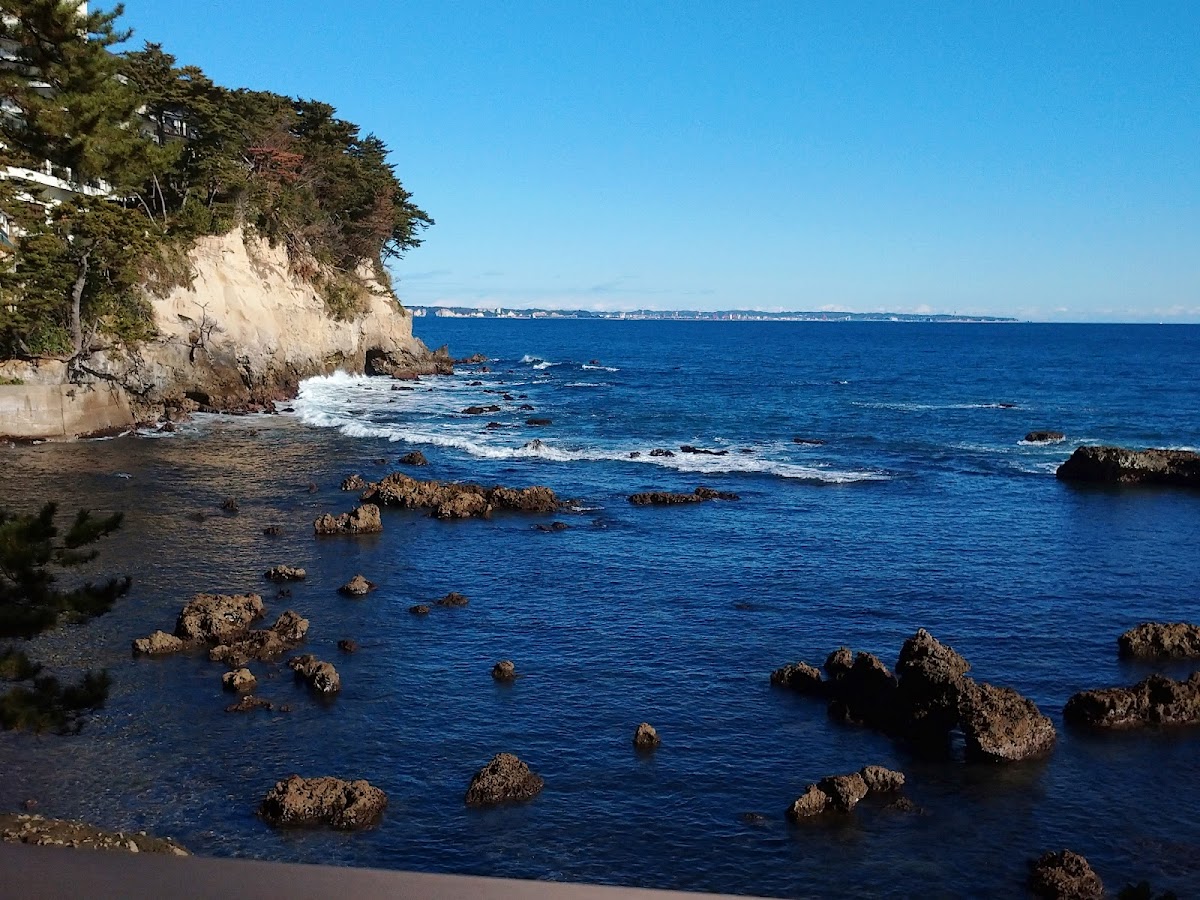
Kitaura Coast is a scenic area in Kitakitaibaraki City, Ibaraki Prefecture, known for its Rokkakudo (hexagonal hall) associated with Okakura Tenshin. The contrast between the cliffsides and cherry blossoms creates beautiful scenery, and it’s a rare location where visitors can enjoy cherry blossom viewing while gazing upon the Pacific Ocean.
Cherry Blossoms at Juo Panorama Park
Located approximately 15 minutes by car from Kitaura Coast, Juo Panorama Park is a cherry blossom viewing spot situated on a plateau at approximately 200 meters elevation. Approximately 300 Somei Yoshino cherry trees are planted, offering a spectacular view of the Pacific Ocean and cherry blossoms in full bloom.
Peak viewing period: Early to mid-April
Number of cherry trees: Approximately 300
Main varieties: Somei Yoshino
Access: About 10 minutes by car from JR Joban Line Juo Station
Parking: Available (free)
The observation deck provides a 360-degree panoramic view from the Abukuma Mountains to the Pacific Ocean, and on clear days, even Mount Fuji may be visible. A well-maintained cherry tree-lined walking path allows visitors to enjoy leisurely flower viewing.
Cherry Blossoms at Kamine Park
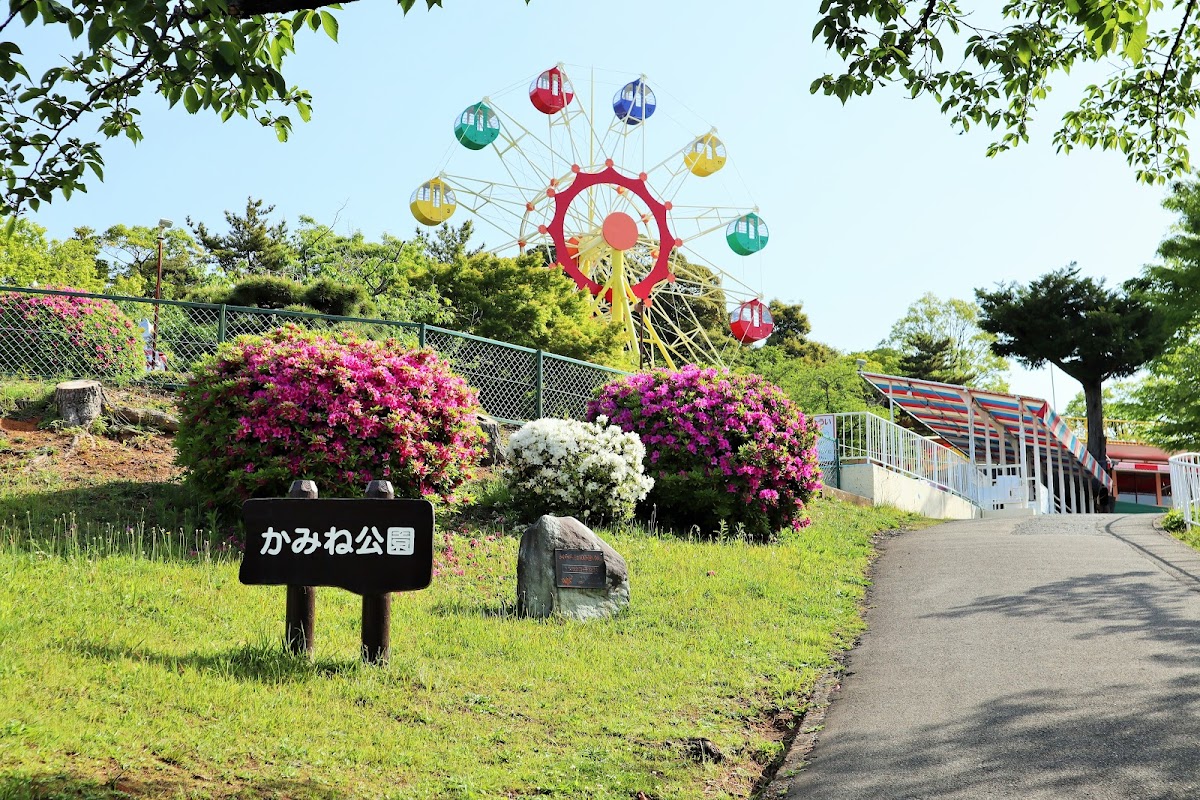
Kamine Park in Hitachi City is a comprehensive leisure facility featuring a zoo and amusement park, and is also famous as a cherry blossom viewing spot. Approximately 1,000 cherry trees adorn the park, making it a popular spot crowded with families.
Peak viewing period: Late March to early April
Number of cherry trees: Approximately 1,000
Main varieties: Somei Yoshino, Yamato Sakura
Night illumination: Available (during cherry blossom festival period)
Access: About 10 minutes by Hitachi electric railway bus from JR Joban Line Hitachi Station
Admission: Zoo and amusement park require separate fees
The park features a cherry tree tunnel through which visitors can stroll beneath full-bloom cherry blossoms. Night illumination is also provided, allowing visitors to enjoy the fantastical night cherry blossoms. It’s a facility where visitors can enjoy a full day including the zoo and amusement park.
Cherry Blossoms at Heiwa Street
Heiwa Street in Hitachi City is a famous cherry blossom viewing spot with a cherry-lined avenue spanning approximately one kilometer. Approximately 120 Somei Yoshino trees are planted on both sides of the road, forming a cherry tunnel when in full bloom.
Peak viewing period: Late March to early April
Number of cherry trees: Approximately 120
Main varieties: Somei Yoshino
Access: About 15 minutes on foot from JR Joban Line Hitachi Station
Beloved by local residents as a gathering place, once bloom forecasts are released, many flower viewers visit. It’s also popular as a scenic driving route where visitors can admire the cherry-lined avenue from their vehicles.
Cherry Blossom Viewing Spots in Northern Ibaraki Prefecture
Cherry Blossoms at Shiomine Furusato Park
Located in Naka City, Shiomine Furusato Park is known as the most popular cherry blossom viewing spot in Ibaraki Prefecture. Approximately 2,000 double-petaled cherry trees bloom magnificently, and the park is included in “Japan’s 100 Famous Cherry Blossom Spots.”
Peak viewing period: Mid to late April
Number of cherry trees: Approximately 2,000
Main varieties: Yae Sakura (Kanzan, Fugenzo, etc.)
Night illumination: Available (during cherry blossom festival period)
Access: About 30 minutes on foot from JR Suigun Line Shio Station
Parking: Available (fee applies during festival period)
Centered on late-blooming double-petaled cherry varieties, the peak viewing period is mid to late April. The sight of densely packed deep pink petals is impressive, and many flower viewers from across the country visit. Night illumination creates a fantastical atmosphere for night cherry blossom viewing.
Cherry Blossoms at Senba Park
Located on the shores of Senba Lake in Mito City, Senba Park is Mito’s premier cherry blossom viewing spot, attracting many flower viewers. Approximately 750 cherry trees are planted along the approximately 3-kilometer walking path encircling the lake.
Peak viewing period: Late March to early April
Number of cherry trees: Approximately 750
Main varieties: Somei Yoshino, Yamato Sakura
Boating: Available (visitors can enjoy full-bloom cherry blossoms from the water)
Access: About 15 minutes on foot from JR Joban Line Mito Station
Parking: Available (free)
Rental boats are available at Senba Lake, offering a special cherry blossom viewing experience from the water. The scenery of full-bloom cherry blossoms viewed from the water surface is extraordinary and popular with couples and families. The nearby Kairaku Garden allows visitors to enjoy both plum and cherry blossoms in this area.
Cherry Blossom Viewing Spots in Central and Southern Ibaraki Prefecture
Cherry Blossoms at Hitachi Fudoki no Oka
Located in Ishioka City, Hitachi Fudoki no Oka is a cherry blossom viewing spot where approximately 500 weeping cherry trees bloom magnificently. Many ancient trees over 100 years old are present, making it a popular viewing spot worth visiting.
Peak viewing period: Early to mid-April
Number of cherry trees: Approximately 500
Main varieties: Weeping cherry, Somei Yoshino
Night illumination: Available (during cherry blossom festival period)
Access: About 15 minutes by car from JR Joban Line Ishioka Station
Admission: Available
The park contains ancient burial mounds and reconstructed ancient dwellings, allowing visitors to appreciate cherry blossoms while feeling history. The weeping cherry tunnel is particularly spectacular, with cascading pink petals creating a breathtaking scene during peak bloom.
Cherry Tree-Lined Avenue at Fukuoka Barrier
The Fukuoka Barrier in Tsukubamirai City is a representative cherry blossom viewing spot in southern Ibaraki, with approximately 550 cherry trees lining approximately 1.8 kilometers.
Peak viewing period: Late March to early April
Number of cherry trees: Approximately 550
Main varieties: Somei Yoshino
Night illumination: Available (during cherry blossom festival period)
Access: About 20 minutes by car from Tsukuba Express Moriya Station
Parking: Available (fee applies during festival period)
The cherry-lined avenue planted on the dike along the Kogai River is known as a “Kanto cherry blossom viewing spot,” forming a cherry tunnel during peak bloom. Once bloom forecasts are announced, many tourists from Tokyo visit this popular spot.
Cherry Blossoms at Kijiro Park
Located in Tsuchiura City, Kijiro Park is a park developed on the grounds of Tsuchiura Castle, with approximately 70 cherry trees planted. It offers cherry blossom viewing within a historic castle ruins setting.
Peak viewing period: Late March to early April
Number of cherry trees: Approximately 70
Main varieties: Somei Yoshino
Access: About 15 minutes on foot from JR Joban Line Tsuchiura Station
The reflection of cherry blossoms in the castle moat is beautiful, with floating petals on the water adding charm. Despite its compact size, it’s a hidden gem where visitors can leisurely enjoy cherry blossom viewing while feeling history.
Cherry Blossoms at Sakuragawa Dike
Along approximately 3 kilometers of the downstream section of the Sakuragawa River flowing through Tsuchiura City, approximately 500 ancient Somei Yoshino trees line both banks. It’s one of the main venues for the Tsuchiura Cherry Blossom Festival, drawing many flower viewers.
Peak viewing period: Late March to early April
Number of cherry trees: Approximately 500
Main varieties: Somei Yoshino
Night illumination: Available (night cherry blossoms and illumination implemented)
Access: About 10 minutes on foot from JR Joban Line Tsuchiura Station
A well-maintained walking path along the river allows visitors to enjoy the cherry-lined avenue. Night illumination is also provided, with cherry blossoms reflected in the water creating a fantastical atmosphere.
Weeping Cherry at Ryugasaki
Throughout Ryugasaki City, ancient weeping cherry trees hundreds of years old are scattered, allowing visitors to appreciate beautiful weeping cherry blossoms in various locations throughout the city.
Peak viewing period: Late March to early April
Main varieties: Weeping cherry
Access: From Ryugasaki Station on the Kanto Railway Ryugasaki Line to various spots
Weeping cherry trees found at local temples and shrines throughout the city each have their own history and are carefully preserved by local residents. During peak bloom, branches heavily laden with flowers create a magnificent landscape.
Cherry Blossoms at Kokenji Temple
Located in Joso City, Kokenji Temple is a temple associated with “Senyohime,” granddaughter of Tokugawa Ieyasu, and is known as a cherry blossom and spider lily viewing spot.
Peak viewing period: Late March to early April
Number of cherry trees: Approximately 100
Main varieties: Somei Yoshino, Weeping cherry
Access: About 10 minutes by car from Kanto Railway Josoku Line Mizukaidou Station
The temple grounds contain a weeping cherry tree approximately 400 years old with historical dignity. The contrast between the temple architecture and cherry blossoms is beautiful, making it recommended for those seeking a quiet cherry blossom viewing experience.
Cherry Blossom Viewing Spots in Tsukuba and Western Ibaraki Prefecture
Tsukuba Kasumigaura Rinrin Road (Former Tsukuba Railway Course)
A cycling road utilizing the abandoned railway bed of the former Tsukuba Railway running through Tsukuba City, offering a popular spot where visitors can enjoy pedaling through a cherry blossom tunnel.
Peak viewing period: Late March to early April
Number of cherry trees: Several hundred
Main varieties: Somei Yoshino
Access: Rental bicycles available from Tsukuba Express Tsukuba Station
Various sections of the approximately 40-kilometer course feature cherry-lined avenues, allowing visitors to enjoy flower viewing while cycling. The experience of pedaling through a cherry tunnel while feeling the breeze is extraordinary.
Cherry Blossoms at Hojo Ike Pond
Located in the Hojo district of Tsukuba City, Hojo Ike Pond is a quiet cherry blossom viewing spot with cherry trees planted around the pond.
Peak viewing period: Late March to early April
Number of cherry trees: Approximately 100
Main varieties: Somei Yoshino
Access: About 20 minutes by car from Tsukuba Express Tsukuba Station
The reflection of cherry blossoms in the pond water is beautiful, and it’s a hidden cherry blossom spot loved by local residents. Being undeveloped as a tourist site, it’s ideal for those seeking a quiet cherry blossom viewing experience.
Cherry Blossoms at Dohō Park
Located in Tsukuba City, Dohō Park is a comprehensive park with extensive grounds featuring approximately 250 cherry trees.
Peak viewing period: Late March to early April
Number of cherry trees: Approximately 250
Main varieties: Somei Yoshino
Access: About 20 minutes on foot from Tsukuba Express Kenkyū Gakuen Station
Parking: Available (fee applies)
The park features sports facilities, a pond, and grassy areas, allowing families to enjoy picnicking while viewing cherry blossoms. The cherry trees lining the pond are particularly beautiful, with well-maintained walking paths.
Norin Sakura Street
A cherry-lined avenue within the agricultural and forestry complex in Tsukuba City, with a cherry tunnel continuing for approximately one kilometer.
Peak viewing period: Late March to early April
Number of cherry trees: Approximately 200
Main varieties: Somei Yoshino
Access: About 15 minutes by car from Tsukuba Express Tsukuba Station
Located in an area housing research institutions, it allows for relatively quiet cherry blossom viewing. During peak bloom, cherry blossoms from both sides of the road create a magnificent cherry tunnel overhead.
Other Notable Cherry Blossom Viewing Spots
Cherry Blossoms at Ushiku Daibutsu
The grounds surrounding the “Ushiku Daibutsu,” one of the world’s largest Buddha statues in Ushiku City, feature approximately 200 planted cherry trees.
Peak viewing period: Late March to early April
Number of cherry trees: Approximately 200
Main varieties: Somei Yoshino
Access: About 30 minutes by bus from JR Joban Line Ushiku Station
Admission: Available
The contrast between the 120-meter-tall Buddha statue and cherry blossoms is impressive, offering a unique landscape. The park also features flower gardens, allowing simultaneous appreciation of flowers other than cherry blossoms.
Cherry Blossoms at Sakura Space Park
Located in Chikusei City, Sakura Space Park is a vast park featuring approximately 1,000 planted cherry trees.
Peak viewing period: Late March to early April
Number of cherry trees: Approximately 1,000
Main varieties: Somei Yoshino, Yae Sakura
Access: About 15 minutes by car from JR Mito Line Shimotate Station
Parking: Available (free)
With wide grassy areas, families can leisurely enjoy flower viewing with picnic sheets. Abundant recreational equipment makes it popular with families with children.
Cherry Blossoms at Tatsunocuchi Shinsuikoen Park
Located in Hitachi Omiya City, Tatsunocuchi Shinsuikoen Park features approximately 200 cherry trees planted along the Kuji River.
Peak viewing period: Early to mid-April
Number of cherry trees: Approximately 200
Main varieties: Somei Yoshino
Access: About 10 minutes by car from JR Suigun Line Hitachi Omiya Station
The contrast between the cherry-lined avenue and clear streams is beautiful, allowing flower viewing in a nature-rich environment. A campground is also available, enabling visitors to enjoy outdoor activities and cherry blossom viewing simultaneously.
Cherry Blossoms at Ushiku Château
The Ushiku Château in Ushiku City is a historic structure known as Japan’s first full-scale wine production facility, with cherry trees planted on its grounds.
Peak viewing period: Late March to early April
Number of cherry trees: Approximately 50
Main varieties: Somei Yoshino
Access: About 8 minutes on foot from JR Joban Line Ushiku Station
The contrast between the brick historic structure and cherry blossoms is beautiful, offering a retro-style cherry blossom viewing experience. Nearby restaurants allow visitors to combine dining with viewing.
Cherry Blossoms at Isobe Sakuragawa Park
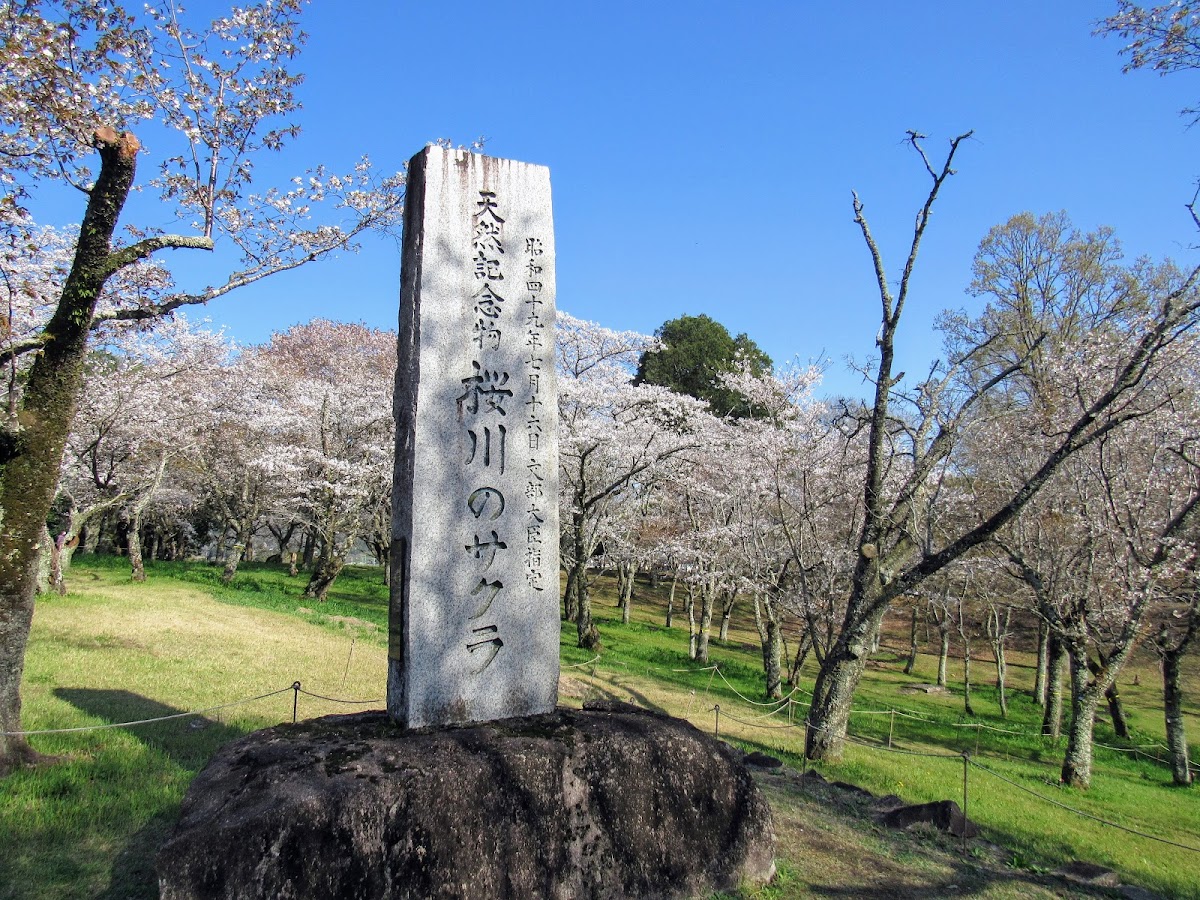
Located in Sakuragawa City, Isobe Sakuragawa Park is a famous cherry blossom viewing spot called “Yoshino in the West, Sakuragawa in the East,” with approximately 800 cherry trees planted.
Peak viewing period: Early to mid-April
Number of cherry trees: Approximately 800
Main varieties: Yamato Sakura, Somei Yoshino, and approximately 30 other varieties
Access: About 15 minutes by car from JR Mito Line Iwase Station
Parking: Available (fee applies during festival period)
Long known as a cherry blossom viewing spot, it’s characterized by the planting of many varieties. Centered on Yamato Sakura, with approximately 30 varieties blooming at staggered times, flower viewing can be enjoyed over an extended period. Some cherry trees here are designated as national natural monuments.
Cherry Blossoms at Nabel Park
Located in Koga City, Nabel Park is a comprehensive park with extensive grounds featuring approximately 200 planted cherry trees.
Peak viewing period: Late March to early April
Number of cherry trees: Approximately 200
Main varieties: Somei Yoshino
Access: About 20 minutes by car from JR Utsunomiya Line Koga Station
Parking: Available (free)
The park features athletics, an underground maze, and a pony farm, making it enjoyable for families throughout the day. Wide grassy areas allow picnicking while viewing cherry blossoms.
Cherry Blossom Bloom Forecasts and Peak Viewing Periods in Ibaraki Prefecture
Bloom Forecasts and Peak Viewing Periods
Cherry blossoms in Ibaraki Prefecture typically reach peak bloom from late March to early April. Somei Yoshino bloom forecasts are as follows:
- Bloom period: Late March (normal year average)
- Peak bloom period: Early April (normal year average)
- Double-petaled cherry: Mid to late April
- Weeping cherry: Late March to mid-April (varies by variety)
As bloom timing varies year to year depending on weather conditions, checking the latest bloom forecasts before visiting is recommended.
Methods for Checking Bloom Information
Cherry blossom bloom information in Ibaraki Prefecture can be confirmed through:
- Japan Meteorological Corporation cherry blossom bloom forecasts: Announces bloom forecasts for major cities nationwide
- Local tourism association websites: Provide detailed regional bloom information
- Flower viewing information websites: Continuously update nationwide cherry blossom viewing spot bloom status
- Social media: Real-time information from on-site sources
To ensure peak bloom viewing, checking bloom information several days before a planned visit is recommended.
Access Methods to Ibaraki Prefecture’s Cherry Blossom Viewing Spots
Train Access
The following railway lines provide convenient access to major cherry blossom viewing spots in Ibaraki Prefecture:
- JR Joban Line: From Tokyo area toward Mito and Hitachi areas
- Tsukuba Express: From Akihabara toward Tsukuba area
- JR Mito Line: From Oyama toward Mito area
- Kanto Railway: To various locations in southern Ibaraki Prefecture
Using express trains, visitors can reach Mito from Tokyo in approximately 1 hour 10 minutes, and Tsukuba in approximately 45 minutes.
Car Access
The following expressways provide convenient car access:
- Joban Expressway: From Tokyo area toward northern Ibaraki Prefecture
- Kita Kanto Expressway: From Gunma and Tochigi areas
- Ken-O Expressway: Bypassing central Tokyo toward southern Ibaraki Prefecture
During cherry blossom festival periods, parking areas become congested, so early arrival is recommended. Temporary parking is available at some viewing spots.
Tour Buses
Many day-trip tour buses operate from Tokyo, allowing efficient visits to multiple cherry blossom viewing spots. The advantage is no driving concerns and guided experiences.
Cherry Blossom Festival Information in Ibaraki Prefecture
Major Cherry Blossom Festivals
Various cherry blossom festivals are held throughout Ibaraki Prefecture during peak cherry blossom season.
Shiomine Furusato Park Cherry Blossom Festival
- Period: Mid to late April
- Contents: Night illumination, food stalls, events
Tsuchiura Cherry Blossom Festival
- Period: Late March to early April
- Contents: Sakuragawa Dike and Kijiro Park night illumination, events
Fukuoka Barrier Cherry Blossom Festival
- Period: Late March to early April
- Contents: Night illumination, product exhibitions, stage events
Kamine Park Cherry Blossom Festival
- Period: Late March to early April
- Contents: Night cherry blossom illumination, coordination with zoo and amusement park events
Night Illumination Information
Many cherry blossom viewing spots provide night illumination, allowing visitors to enjoy cherry blossoms in their nighttime appearance, which differs from daytime viewing.
Major illumination spots:
- Shiomine Furusato Park
- Kamine Park
- Senba Park
- Fukuoka Barrier
- Sakuragawa Dike
- Hitachi Fudoki no Oka
Illumination times typically run from 18:00 to around 21:00, but vary by facility, so advance confirmation is recommended.
Tips for Enjoying Ibaraki Prefecture’s Cherry Blossom Viewing Spots
Points for Avoiding Crowds
- Weekday visits: Weekdays are less crowded than weekends and holidays
- Early morning visits: Early morning hours are relatively uncrowded
- Lesser-known spots: Local cherry blossom spots other than famous locations are also beautiful
- Before and after peak bloom: Days before peak bloom and early fall also have appeal
Packing Checklist
- Picnic sheet
- Warm clothing (especially important for night cherry blossom viewing)
- Camera/smartphone
- Trash bags (always remove trash)
- Beverages and light snacks
- Sunscreen and hat (for daytime viewing)
Photography Tips
- Blue sky and cherry blossoms: Cherry blossoms stand out against blue skies
- Water reflections: Water surfaces with cherry trees are worth photographing
- Night cherry blossoms: Use tripods for illuminated cherry blossom photography
- Close-ups: Cherry blossom petals are beautiful in close-up
Tourist Attractions Enjoyable in Combination with Ibaraki Prefecture’s Cherry Blossoms
Kairaku Garden
Kairaku Garden in Mito City is famous as a plum viewing location, but cherry blossom season begins as plum viewing season ends. Adjacent to Senba Park, both can be visited together.
Tsukuba Mountain
The symbol of Tsukuba City, Tsukuba Mountain allows visitors to enjoy both mountain-base cherry blossoms and views from the peak. Cable cars and ropeway access to the summit allows combining spring Tsukuba Mountain climbing with cherry blossom viewing.
Fukuroda Falls
Approximately 3 kilometers around “Fukuroda Falls,” one of Japan’s three major waterfalls in Daigo Town, also offers cherry blossom viewing. The combination of falls and cherry blossoms is spectacular and offers full appreciation of nature’s beauty.
National Hitachi Seaside Park
At the National Hitachi Seaside Park in Hitachinakaaka City, nemophila flowers often peak at the same time as cherry blossoms. The performance of blue flower carpets and cherry blossoms together is a must-see.
Ibaraki Prefecture Cherry Blossom Viewing Spot Rankings
Popularity Rankings Based on Access Numbers
Based on flower viewing information website access numbers and independent criteria, Ibaraki Prefecture cherry blossom viewing spots rank as follows:
- Shiomine Furusato Park: Nationally famous for double-petaled cherry blossoms
- Hitachi Fudoki no Oka: Popular for weeping cherry blossom beauty
- Fukuoka Barrier: Large scale and beautiful cherry-lined avenue
- Senba Park: Convenient access from central Mito
- Kamine Park: Popular with families for comprehensive facilities
Hidden Gem Spot Rankings
Lesser-known spots where visitors can leisurely enjoy cherry blossoms without crowds:
- Hojo Ike Pond: Quiet environment for cherry blossom appreciation
- Norin Sakura Street: Cherry-lined avenue beloved by locals
- Tatsunocuchi Shinsuikoen Park: Nature-rich environment
- Ushiku Château: Historic structure and cherry blossom collaboration
- Heiwa Street: Hitachi City’s hidden gem
Condition-Based Guide for Finding Ibaraki Prefecture Cherry Blossom Viewing Spots and Flower Viewing Locations
Recommended for Families with Children
- Kamine Park: Integrated with zoo and amusement park
- Nabel Park: Athletic facilities and underground maze
- Sakura Space Park: Wide grassy areas and playground equipment
- Dohō Park: Enhanced sports facilities
Recommended for Couples
- Senba Park: Water-based cherry blossom viewing via rental boats
- Juo Panorama Park: Spectacular ocean views
- Hitachi Fudoki no Oka: Romantic weeping cherry atmosphere
- Kokenji Temple: Historic temple with quiet flower viewing
Recommended for Photography
- Shiomine Furusato Park: Dense, beautiful double-petaled cherry display
- Ushiku Daibutsu: Unique Buddha and cherry composition
- Fukuoka Barrier: Cherry tunnel scenery
- Isobe Sakuragawa Park: Multi-variety cherry blossoms
For Night Illumination Enjoyment
- Shiomine Furusato Park: Double-petaled cherry illumination
- Kamine Park: Night cherry blossoms and night scenery
- Fukuoka Barrier: Cherry-lined avenue illumination
- Sakuragawa Dike: Night cherry blossoms reflected in water
Conclusion: Experiencing the Best Cherry Blossom Viewing in Ibaraki Prefecture
Ibaraki Prefecture is a treasure trove of flower viewing, with diverse cherry blossom viewing spots scattered from the Kitaura Coast area in the north to the southern part of the prefecture. From nationally famous Shiomine Furusato Park and Hitachi Fudoki no Oka to hidden gems cherished by locals, each location has its own characteristics.
Peak viewing period is typically late March to early April, though double-petaled cherry viewing spots offer enjoyment from mid to late April. By checking bloom forecasts in advance and visiting at optimal timing, visitors can fully appreciate peak cherry blossoms.
Excellent access from Tokyo makes day trips feasible. Various access methods including trains, cars, and tour buses are available to suit individual preferences.
During cherry blossom festival periods, night illumination is provided, offering fantastical nighttime cherry blossoms differing from daytime viewing. Families, couples, and photography enthusiasts can each find cherry blossom viewing spots matching their purposes for the finest cherry blossom viewing experience in Ibaraki Prefecture.
In spring 2026, fully enjoy the beauty of Japan’s spring at cherry blossom viewing spots around the Kitaura Coast and throughout Ibaraki Prefecture.