Isobe Sakuragawa Park Complete Guide | Ibaraki Prefecture’s Nationally Designated Natural Monument Cherry Blossom Spot
Located in Sakuragawa City, Ibaraki Prefecture, Isobe Sakuragawa Park is one of Japan’s finest cherry blossom viewing spots, renowned alongside “Yoshino in the West, Sakuragawa in the East.” This park, designated as both a National Natural Monument and a place of scenic beauty, features approximately 700 cherry trees of about 30 rare varieties, allowing visitors to enjoy precious specimens that cannot be found elsewhere.
History and Cultural Value of Isobe Sakuragawa Park
The Stage of Zeami’s Noh Play “Sakuragawa”
The greatest feature of Isobe Sakuragawa Park is its renown as the setting for “Sakuragawa,” a noh play created by Zeami, a noh actor from the Muromachi period. This play depicts a touching story of a mother and child who love the cherry blossoms of the Sakuragawa River, demonstrating that this region had been famous nationwide as a cherry blossom viewing spot since ancient times.
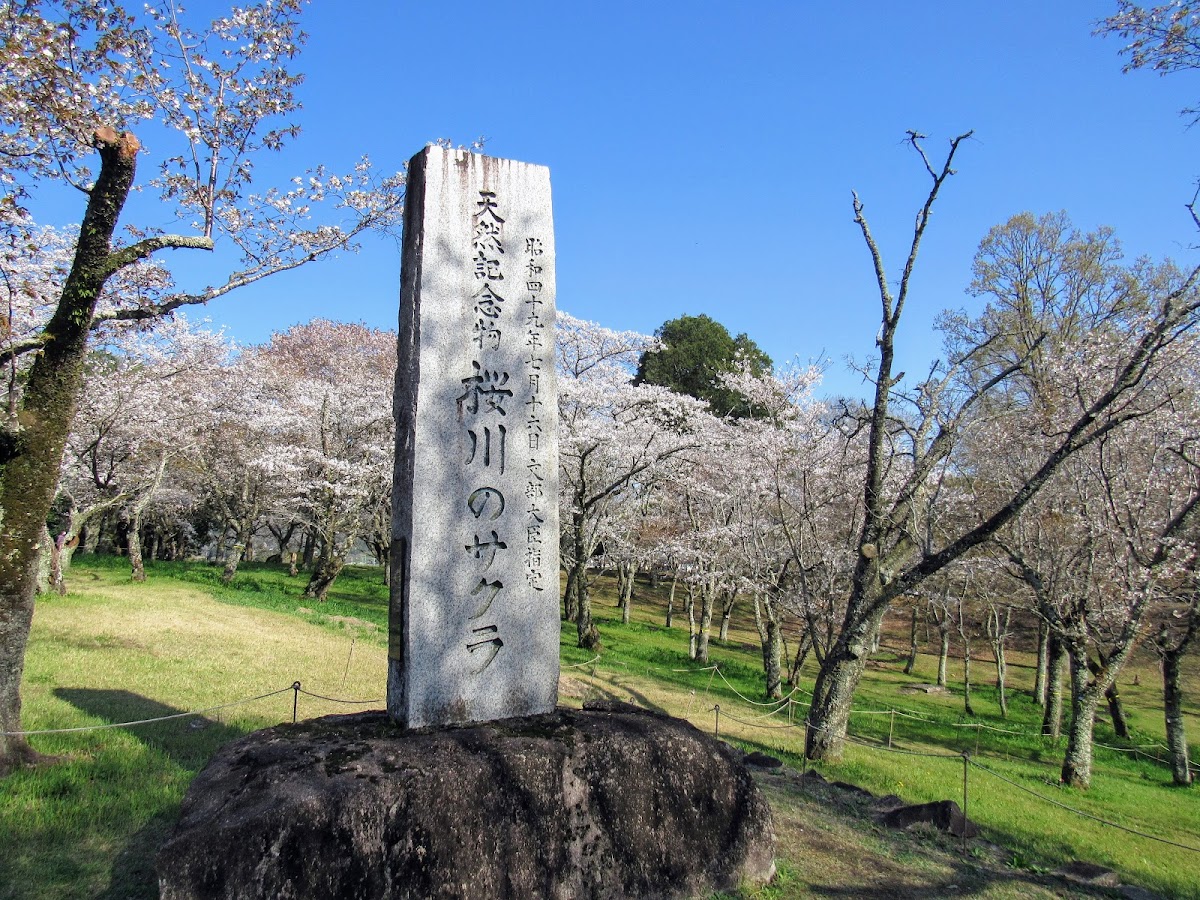
Having been featured in Zeami’s noh play, the cherry blossoms of Isobe were already known to Kyoto nobility by the Heian period. Praised as “Isobe’s Hundred-Colored Cherries,” the beauty of these blossoms reached the capital. Today, stone monuments and information boards throughout the park commemorate the noh play and convey its historical background to visitors.
The Origin of “Yoshino in the West, Sakuragawa in the East”
Isobe Sakuragawa Park came to be called “Yoshino in the West, Sakuragawa in the East” because it was long recognized as a cherry blossom viewing spot on par with Yoshino Mountain in Nara Prefecture. While Yoshino Mountain represents the premier cherry blossom spot of western Japan, Sakuragawa has been positioned as the supreme cherry blossom destination in eastern Japan.
This reputation stems not only from the number of cherry trees but also from the diversity and rarity of varieties and the beauty of the landscape. The natural scenic beauty, particularly centered around wild cherry blossoms, has been highly appreciated, and from the Edo period onward, many literary and artistic figures visited this place and composed poetry about it.
Value as a Nationally Designated Natural Monument and Place of Scenic Beauty
The cherry blossoms of Isobe Sakuragawa Park were designated as a National Natural Monument in 1922 (Taisho 11). Additionally, the area including the park is designated as a National Place of Scenic Beauty, making it an extremely precious location receiving double protection as a Japanese cultural asset.
The reason for designation as a Natural Monument is the high genetic diversity of Yamazakura (wild cherry trees). Each self-growing tree possesses different genes, with each having distinct flower color, shape, size, and blooming time. This genetic diversity is highly valuable from an academic perspective and plays an important role in cherry blossom research in Japan.
Characteristics of Cherry Blossoms in Isobe Sakuragawa Park
Diverse Cherry Blossoms of Around 30 Varieties
The greatest appeal of Isobe Sakuragawa Park is the opportunity to enjoy approximately 30 different cherry varieties all at once. Whereas other famous cherry blossom viewing spots typically feature one or two varieties, here multiple diverse species are intermingled.
The main varieties include the following:
Shiroyamazakura (White Wild Cherry): The most commonly seen variety in the park, characterized by white petals. With five petals each, they possess a clean, elegant beauty.
Yamazakura (Wild Cherry): The representative wild cherry of Japan, characterized by red-brown young leaves appearing simultaneously with the flowers. Individual variation is significant, with flower colors ranging from white to pink.
Sakuragawanioi (Sakuragawa Fragrant Cherry): Believed to be endemic to Isobe Sakuragawa Park, known for its fragrance. The shape and color of the petals are unique, highly valued among cherry blossom enthusiasts.
Kabanioi (Birch-Colored Fragrant Cherry): A rare variety with flowers tinged birch color. Also aromatic, it is one of the representative varieties of Isobe Sakuragawa Park.
Umebachizakura (Plum-Form Cherry): The petals have a rounded shape like plum flowers, presenting a distinctive beauty setting it apart from other cherries.
Each of these varieties has different blooming times, allowing visitors to enjoy various cherry blossoms over approximately two weeks, from early bloomers to late bloomers.
The Tradition of “Isobe’s Hundred-Colored Cherries”
The cherry blossoms here, long known as “Isobe’s Hundred-Colored Cherries,” are said to display a hundred different hues. This is not mere exaggeration but reflects the reality that subtle differences in flower color, young leaf color, and trunk color for each individual tree, combined with viewing angle, time of day, and weather conditions, create varied appearances.
Yamazakura in particular has high genetic diversity, with each tree possessing different characteristics despite being the same variety. Flower color ranges widely from pure white to pale pink to deep pink, while petal size and shape vary as well. Furthermore, young leaf color varies from reddish-brown to green, and these combinations create the “hundred-colored” landscape.
Natural Beauty of Wild Cherry Blossoms
Most of the cherry blossoms in Isobe Sakuragawa Park belong to the Yamazakura lineage, featuring wild, untamed natural beauty differing from the artificial, orderly aesthetics of Somei Yoshino cherries. Since wild cherry blossoms bloom simultaneously with young leaves, visitors can enjoy not just the flowers but also their harmony with fresh greenery.
Additionally, the form of each Yamazakura tree differs, with natural branching patterns lending variety to the landscape. Cherry blossoms scattered across the rolling hills create beautiful scenery from both distant and close perspectives, forming a landscape that could be called the original Japanese natural scene.
Cherry Blossom Viewing Season and Flowering Information
Typical Peak Viewing Season
The peak viewing season for cherry blossoms at Isobe Sakuragawa Park is typically from early to mid-April. However, due to the diversity of varieties, some form of cherry blossoms remains in bloom for approximately one month, from early-blooming varieties in late March to late-blooming varieties in late April.
The peak period when the most cherry blossoms reach full bloom is around April 5 through April 15, when visiting during this window allows enjoying nearly all the park’s cherry blossoms. However, weather conditions may cause variations, so it is recommended to check the latest flowering information before your visit.
Variety-Based Flowering Schedule
At Isobe Sakuragawa Park, blooming times vary by variety, allowing visitors who time their visits to experience different landscapes.
Early Blooming (Late March to Early April): Some wild cherry varieties and early-blooming types begin flowering. Few visitors come during this period, allowing for quiet flower viewing.
Peak Season (Early to Mid-April): Major varieties such as Shiroyamazakura and Yamazakura reach full bloom. The entire park is covered with cherry blossoms, marking the most spectacular time. The Cherry Blossom Festival is held during this period.
Late Blooming (Mid to Late April): Late-blooming varieties flower, allowing visitors to enjoy flower viewing in a more relaxed atmosphere. This is also when young leaves are particularly beautiful.
Methods to Obtain Flowering Information
The latest flowering information can be found on the official website of the Sakuragawa City Tourism Association and the official site of Tourism Ibaraki. Weather forecast websites such as Weather News also regularly update cherry blossom flowering forecasts and status reports.
In recent years, information sharing via SNS has become active, with actual visitors posting photos and flowering status updates in real time. Searching with hashtags such as “#磯部桜川公園” before visiting reveals the latest conditions.
The Cherry Blossom Festival of Sakuragawa
Overview of the Festival
The “Sakuragawa Cherry Blossom Festival” is held annually during the cherry blossom viewing season. Centered on Isobe Sakuragawa Park, various events are held around Shosenkai Isobe Inamura Shrine, making it the region’s largest spring festival.
During the festival period, local specialty products and food are sold, traditional arts are performed, music events are held, and the festival draws many tourists. Nighttime illumination is also provided, allowing visitors to enjoy nocturnal cherry blossoms with an atmosphere quite different from daytime viewing.
Festival Period Events
Various events are held during the Cherry Blossom Festival. Local folk arts performances, product exhibitions featuring regional specialties, photo contests themed around cherry blossoms, and collection of haiku and tanka poems are among the typical annual events.
At Shosenkai Isobe Inamura Shrine, special goshuin (shrine stamps) commemorating cherry blossoms are sometimes issued, making it popular with those who collect goshuin as a hobby. Numerous local food stalls open on weekends, allowing visitors to enjoy Ibaraki flavors while viewing flowers.
Nighttime Cherry Blossom Illumination
During the festival period, major cherry blossoms in the park are illuminated at night. Cherry blossoms lit by artificial lighting display a completely different, fantastical beauty from daytime viewing, attracting many photography enthusiasts.
Particularly, Shiroyamazakura with white petals beautifully reflects the light, creating a mystical appearance floating in darkness. Illumination typically runs from sunset until around 9 PM, though this varies by year, so advance confirmation is recommended.
Access Information
Location
Isobe Sakuragawa Park is located in Isobe, Sakuragawa City, Ibaraki Prefecture. Adjacent to Shosenkai Isobe Inamura Shrine, using the shrine as a landmark makes navigation easier.
Address: Isobe District, Sakuragawa City, Ibaraki Prefecture
Access by Public Transportation
Train: JR Mito Line’s “Iwase Station” is the nearest station. The park is approximately 7km from the station.
Access from the Station: Approximately 10 minutes by taxi from Iwase Station, with fares around 2,000 yen. Temporary buses may operate during the Cherry Blossom Festival period, though service is limited; it is recommended to contact the Sakuragawa City Tourism Association in advance.
Public transportation access is somewhat inconvenient, so car travel is recommended if possible.
Access by Car
Expressway: Approximately 15 minutes (about 10km) from “Sakuragawa Kusei IC” on the Kita-Kanto Expressway. After exiting, access via National Route 50.
General Roads: Access via National Route 50 is convenient. From the Tokyo area, drive north on National Route 50 and follow directional signs for Sakuragawa City.
Using a car navigation system, search for “Shosenkai Isobe Inamura Shrine” or “Isobe Sakuragawa Park” for accurate directions.
Parking Information
Free parking is provided at Isobe Sakuragawa Park. During normal times, ample parking is available, but peak cherry blossom season and festival weekends experience significant congestion.
Parking Capacity: Approximately 100 spaces during normal times; approximately 300 spaces including temporary parking during the festival period
Fee: Free
Congestion Measures: During peak season, parking lots may be full by around 9 AM. Early morning visits (7-8 AM) or weekday visits are recommended. For weekend visits, arriving before 8 AM is advisable.
Temporary parking is sometimes set up at some distance from the park, with shuttle buses sometimes provided.
Integrated Landscape with Shosenkai Isobe Inamura Shrine
Relationship Between Shrine and Park
Isobe Sakuragawa Park spreads primarily along the approach to Shosenkai Isobe Inamura Shrine, with the shrine and park together forming a cherry blossom viewing spot. Cherry tree rows extend approximately 1km along both sides of the shrine’s approach, with numerous cherry blossoms also planted within the shrine grounds.
Shosenkai Isobe Inamura Shrine is known as a shrine of cherry blossoms, with spring festivals and events related to cherry blossoms held throughout the year. Particularly during spring cherry blossom season, many worshippers visit, allowing appreciation of the beautiful integrated landscape of shrine and cherry blossoms characteristic of Japan.
Cherry Tree Rows Along the Approach
The approximately 1km cherry tree row extending along the shrine’s approach is one of the highlights of Isobe Sakuragawa Park. Walking the approach while viewing cherry blossoms on both sides creates the sensation of passing through a cherry blossom tunnel, providing a profound emotional experience for visitors.
This cherry tree row best represents the tradition of “Isobe’s Hundred-Colored Cherries,” with various varieties intermingled, allowing visitors to encounter different colors and forms of cherry blossoms with each step.
Cherry Blossom Appreciation at the Shrine
The shrine grounds of Shosenkai Isobe Inamura provide excellent vantage points for viewing surrounding cherry blossoms. The view overlooking the sea of cherry blossoms from the shrine’s high ground is particularly spectacular, making it a popular photography spot.
The shrine issues special goshuin stamps during cherry blossom season, allowing visitors to combine worship with flower viewing. Information boards explaining the shrine’s history and significance are also posted, allowing visitors to deepen cultural understanding while enjoying the cherry blossoms.
Highlights and Recommended Viewing Spots
Observation Points
Since Isobe Sakuragawa Park is constructed on rolling hills, its elevation changes allow appreciation of cherry blossoms from various perspectives.
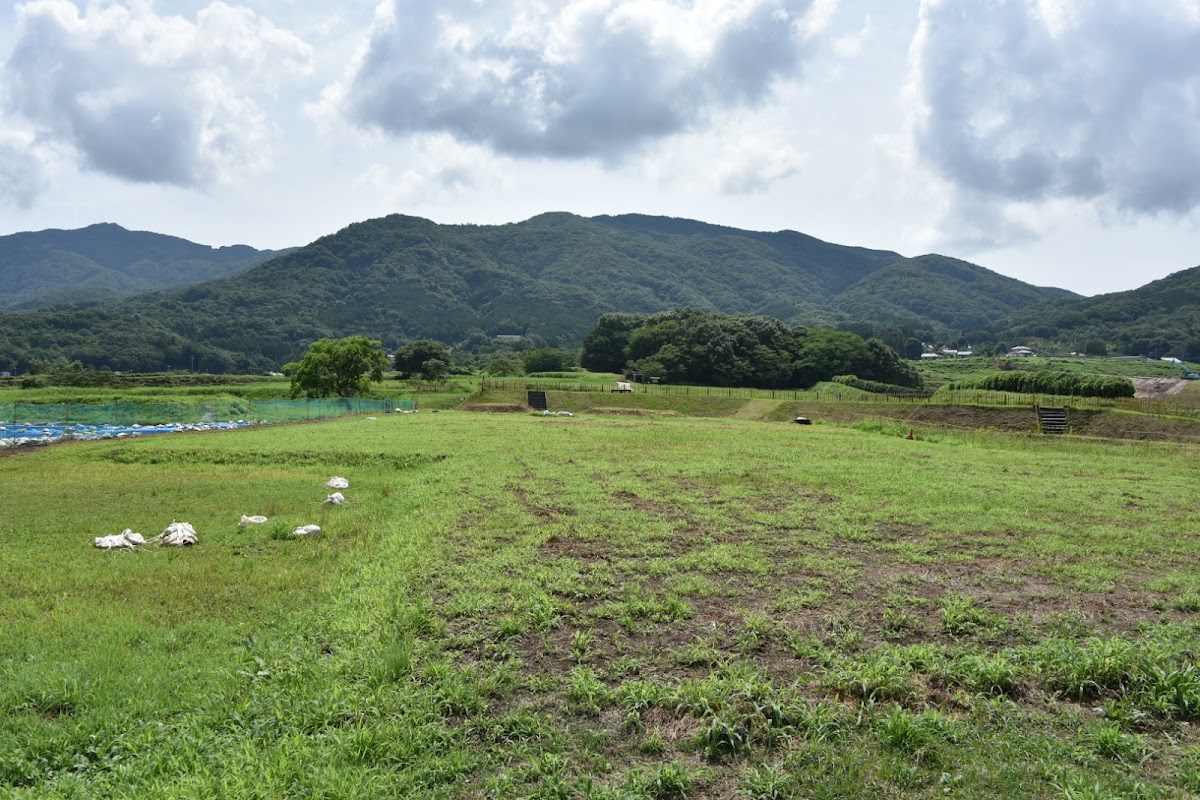
Views from High Ground: From elevated areas in the park, visitors can enjoy spectacular vistas of the sea of cherry blossoms below. During full bloom, pale pink and white cherry blossoms covering the hills create a stunning sight. Distant views of Mount Tsukuba are also possible, allowing panoramic appreciation of Ibaraki’s natural beauty.
Cherry Tree Rows from the Approach: The cherry tree row seen from Shosenkai Isobe Inamura Shrine’s approach is the most popular viewing spot. The tunnel-like landscape of cherry blossoms is a highly photogenic spot drawing many tourists.
Walking Paths Along Sakuragawa River: Walking paths line the Sakuragawa River, from which the park takes its name, allowing visitors to enjoy cherry blossoms while listening to the river’s murmur. Reflections of cherry blossoms on the water surface are also beautiful, recommended for those desiring quiet flower viewing.
Best Photography Spots
Isobe Sakuragawa Park is an excellent destination for photography enthusiasts.
Photographing Cherry Blossoms in Morning Light: Cherry blossoms photographed in the soft light of early morning are particularly beautiful. Morning dew glistening on petals creates a fantastical effect.
Backlighting Photography: Utilizing afternoon backlighting makes cherry blossom petals appear luminous and beautiful. White petals of Shiroyamazakura particularly glow with divine radiance when backlit.
Nocturnal Cherry Blossom Photography: Illuminated nighttime cherry blossoms are best captured using a tripod for long-exposure photography, capturing the mystical appearance of cherry blossoms floating in darkness.
Walking Courses
Suggested walking courses for efficiently enjoying Isobe Sakuragawa Park are presented below.
Standard Course (Approximately 1 hour): Parking lot → Shosenkai Isobe Inamura Shrine visit → Cherry tree rows along the approach → High ground in the park → Walking path along Sakuragawa River → Parking lot
This course efficiently covers major highlights. Even with photography stops, the course takes approximately 1.5 hours.
Leisurely Course (Approximately 2-3 hours): The standard course plus detailed observation of various cherry varieties throughout the park. Recommended for those wishing to appreciate variety differences or photograph many cherry blossoms.
Nearby Tourist Attractions
Other Cherry Blossom Spots Within Sakuragawa City
Visiting other cherry blossom viewing spots within Sakuragawa City when at Isobe Sakuragawa Park is recommended.
Mount Takamine’s Wild Cherry Blossoms: Approximately 15 minutes by car from Isobe Sakuragawa Park, Mount Takamine is entirely covered with wild cherry blossoms, offering spectacular views. From the summit, visitors can overlook Sakuragawa City and a sea of cherry blossoms.
Amebiki Kannon: An ancient temple where azaleas can be enjoyed alongside cherry blossoms, known as a spring flower destination.
Cherry Blossom Spots Within Ibaraki Prefecture
Other Ibaraki cherry blossom spots worth visiting alongside Isobe Sakuragawa Park include:
Kairaku-en: One of Japan’s three great gardens in Mito City, beautiful for both plum and cherry blossoms. Approximately one hour by car from Isobe Sakuragawa Park.
Senba Lake: Adjacent to Kairaku-en, with beautiful cherry tree rows lining the lake.
Kamine Park: A comprehensive park in Hitachi City, also renowned as a cherry blossom viewing spot.
Nearby Cuisine and Local Products
When visiting Sakuragawa City, local cuisine and products should be enjoyed.
Hitachi Akisoba (Buckwheat Noodles): An Ibaraki Prefecture staple with fragrant new buckwheat noodles available. Multiple soba restaurants exist within Sakuragawa City.
Local Sake: Ibaraki Prefecture is known as a sake production region, with breweries near Sakuragawa City. Spring-limited cherry-themed sake is also available.
Strawberry Picking: During spring, nearby strawberry picking is possible. An ideal dessert after viewing cherry blossoms.
Visitor Precautions and Etiquette
Flower Viewing Etiquette
Isobe Sakuragawa Park is a precious site designated as a National Natural Monument and Place of Scenic Beauty. The following etiquette should be observed while enjoying flower viewing.
Do Not Break Cherry Branches: Pulling or breaking cherry branches for commemorative photography is strictly forbidden. Damaging a natural monument is legally prohibited.
Always Take Trash Away: Though trash bins are provided throughout the park, trash should ideally be taken home. Especially during festival periods when many visit, cooperation in trash removal is requested.
Respect Restricted Areas: Certain restricted areas are designated for cherry protection. Observe signs and barriers, walking only on designated paths.
Be Considerate of Noise: Adjacent to a shrine, loud voices and loud music should be avoided. Maintaining a quiet atmosphere for cherry appreciation is important.
Congestion Measures
Peak season and festival weekends experience significant crowding. Consider the following measures.
Early Morning Visits: Visiting around 7-8 AM provides relatively uncrowded, quiet flower viewing. Additionally, morning light makes photographing cherry blossoms particularly beautiful.
Weekday Visits: If possible, weekday visits are recommended. Fewer visitors compared to weekends allow leisurely walks.
Visiting Off-Peak Times: Visiting outside peak season—slightly earlier or later—is another option. The variety of species ensures sufficient cherry appreciation even when timing is adjusted.
Clothing and Necessary Items
Comfortable Walking Shoes: As the park features rolling terrain with elevation changes, comfortable walking shoes are recommended. High heels and sandals should be avoided.
Cold Weather Protection: Early April can still be chilly. Bringing an upper garment is advisable, especially as mornings and evenings can be cold.
Sun Protection: Daytime sun can be strong. Hats and sunscreen are helpful.
Camera/Smartphone: Ensure cameras or smartphones have sufficient charge for photographing beautiful cherry blossoms.
Facility Information and Inquiries
Basic Information
Location: Isobe District, Sakuragawa City, Ibaraki Prefecture
Hours: Open 24 hours (however, daytime visits are recommended except during festival illumination periods, as nighttime lacks lighting)
Admission: Free
Parking: Free (approximately 100 spaces; approximately 300 spaces including temporary parking during festival period)
Restrooms: Multiple locations throughout the park
Accessibility: Some walking paths are wheelchair-accessible, though the hilly terrain makes complete area access difficult.
Contact Information
Sakuragawa City Tourism Association
- Phone: 0296-55-1159 (Weekdays 9:00-17:00)
- Website: Sakuragawa City Tourism Association Official Website
Sakuragawa City Hall Commerce and Tourism Division
- Phone: 0296-58-5111
Tourism Ibaraki (Ibaraki Prefecture Tourism and Products Association)
- Website: Tourism Ibaraki Official Website provides current information
Methods to Obtain Latest Information
Cherry blossom condition and festival details can be obtained through:
- Sakuragawa City Tourism Association Official Website
- Tourism Ibaraki Official Website
- Sakuragawa City Official SNS (Twitter, Facebook, Instagram)
- Weather News Cherry Blossom Flowering Information
- Various weather forecast website cherry blossom features
Conclusion: The Appeal of Isobe Sakuragawa Park
Isobe Sakuragawa Park is more than simply a cherry blossom viewing spot; it is a special place where Japanese culture and history live on. The ancient cherry blossom viewing spot immortalized in Zeami’s noh play continues to captivate visitors with unchanged beauty in the present day.
The approximately 30 varieties of rare cherry blossoms, designated as a National Natural Monument and Place of Scenic Beauty, represent precious genetic resources found nowhere else, possessing extreme academic and cultural value. The diversity long celebrated as “Isobe’s Hundred-Colored Cherries,” with each tree possessing distinct individuality, creates an appeal of new discoveries with each visit.
This location, with its tradition of being called “Yoshino in the West, Sakuragawa in the East,” serves as a precious cultural heritage conveying Japanese people’s love of cherry blossoms and their reverence for nature to the present. As spring arrives, please visit Isobe Sakuragawa Park to experience the finest of Japanese cherry blossom culture.
The cherry tree rows adorning Shosenkai Isobe Inamura Shrine’s approach, the sea of cherry blossoms covering the hills, and flower viewing beside the murmur of the Sakuragawa River provide visitors with profound emotion and healing. At Isobe Sakuragawa Park, Ibaraki Prefecture’s premier cherry blossom destination, fully savor the beauty of Japan’s spring.