Makabe Castle Ruins (Sakuragawa City, Ibaraki Prefecture) Cherry Blossoms and History | Complete Guide to Sengoku-Era Remains and Cherry Blossom Sites
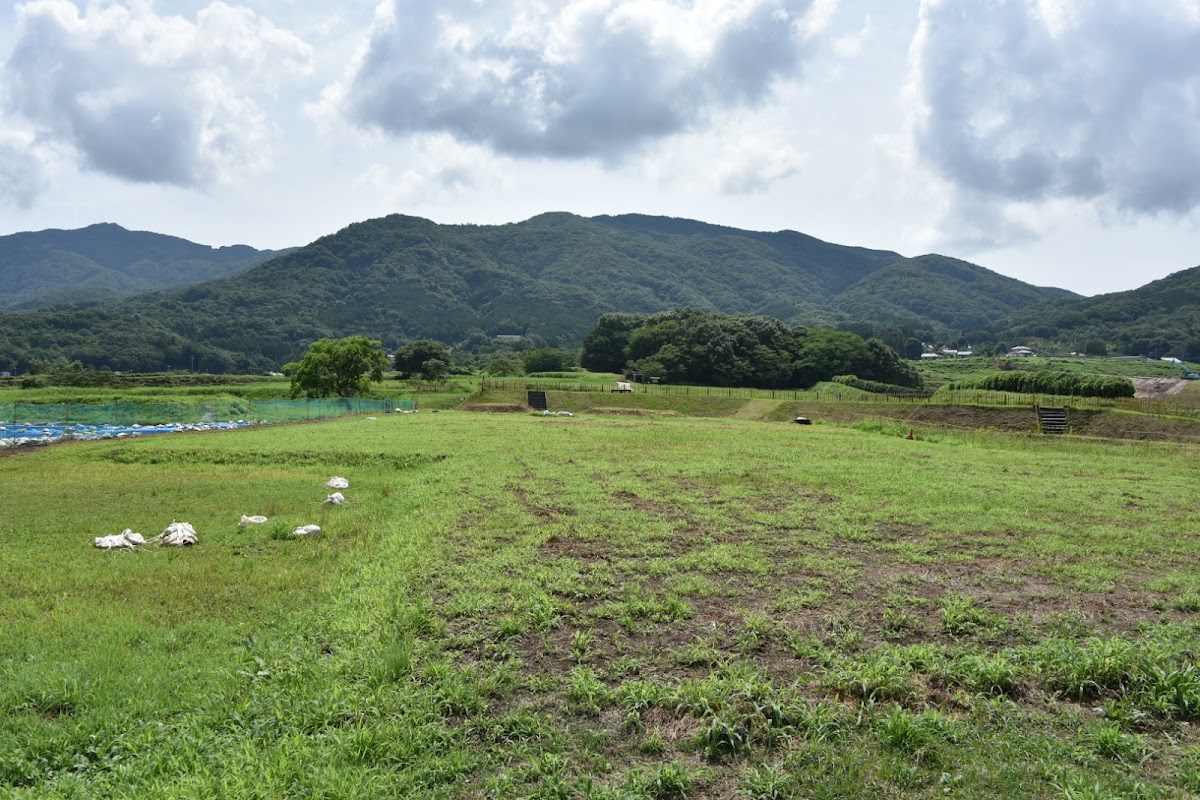
The Makabe Castle Ruins, located in Makabe Town, Sakuragawa City, Ibaraki Prefecture, are a nationally designated historic site that flourished as the residence of the Makabe clan for approximately 400 years from the late Heian period through the Sengoku period. Even today, remains such as earthen ramparts and moat traces are well preserved, making it a popular destination not only for history enthusiasts but also for tourists who visit in combination with the numerous cherry blossom viewing spots scattered throughout the surrounding area.
About Makabe Castle Ruins: History and Characteristics
The History of Makabe Castle and the Makabe Clan Genealogy
Makabe Castle was reportedly constructed in 1172 (Shoan 2) by Makabe Nagamiki. The Makabe clan was a powerful feudal family that ruled this region from the late Heian period through the Sengoku period and was known as an important force in Hitachi Province.
During the Sengoku period, the Makabe clan maintained their power amid complex relationships with the Satake and Hojo clans, but after the Siege of Odawara by Toyotomi Hideyoshi in 1590, they became retainers of the Satake clan, and the castle fell into disuse in the early Edo period. Later, the Asano clan was assigned to Makabe Domain, but Makabe Castle was not used, and the current remains are said to be primarily from the Sengoku period.
Value as a Nationally Designated Historic Site
Makabe Castle Ruins were designated as a national historic site in 1975 (Showa 50). They retain a typical structure of a medieval castle and have become an important archaeological site in the study of Sengoku-period castles in the Kanto region.
The castle consists of the main citadel (honmaru), second citadel (ninomaru), and third citadel (sanomaru) in a concatenated style of flat-land castle, surrounded by earthen ramparts and moats. The earthen ramparts still reach heights of 3 to 4 meters in places, and the moat traces remain clearly visible. Excavations have unearthed ceramics, roof tiles, and other artifacts, providing valuable materials for understanding life at that time.
Main Attractions and Remains at the Castle Site
The main attractions when visiting Makabe Castle Ruins are as follows:
Earthen Ramparts and Moat Traces
The most distinctive feature of the castle is its well-preserved earthen ramparts and moat traces. The ramparts surrounding the main citadel are substantial, allowing visitors to truly experience the defensive installations of the Sengoku period. Parts of the moat remain as water moats, evoking the castle’s original appearance.
Explanatory Signs and Information Boards
Information boards explaining the history and structure of Makabe Castle have been installed throughout the site, making it easy for first-time visitors to understand. Maps showing the overall layout of the castle are also provided, allowing for organized viewing.
Main Citadel Ruins
Currently a flat plaza, the main citadel is believed to be where the residence of the Makabe clan stood. By climbing onto the surrounding earthen ramparts, you can get a bird’s-eye view of the entire castle site and experience the scale of the castle in those days.
Makabe Castle Ruins and Cherry Blossom Sites: A Cherry Blossom Tour of Sakuragawa City, Ibaraki
Characteristics and History of Sakuragawa City’s Cherry Blossoms
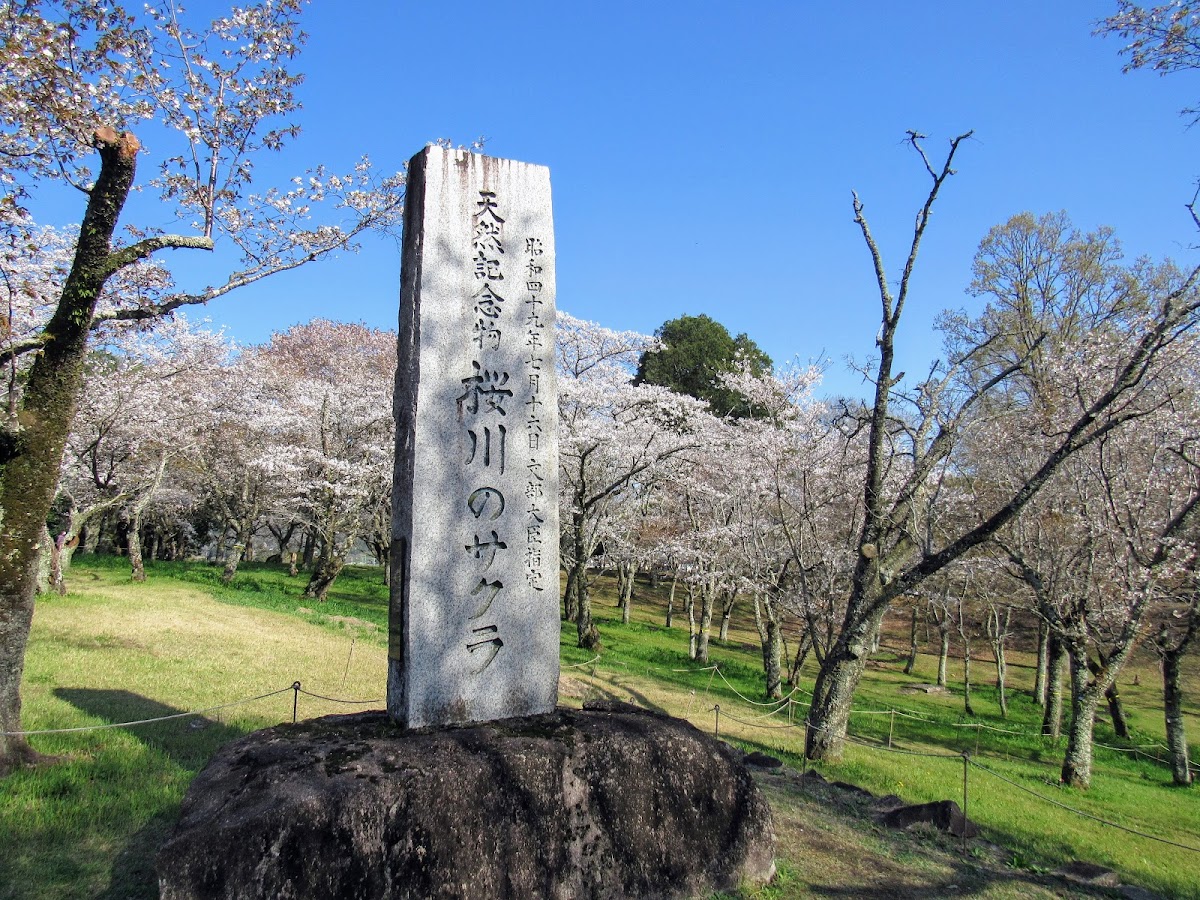
Sakuragawa City, true to its name, is known as a region famous for its cherry blossoms. In particular, “Sakuragawa’s mountain cherries” have been celebrated in classical Japanese poetry since ancient times, and rare varieties designated as national natural monuments grow naturally in abundance.
The area around Sakuragawa City has not only Yoshino cherries but also diverse varieties of cherry trees such as wild cherry blossoms and weeping cherries planted throughout, making it one of the most prominent cherry blossom viewing destinations in the Kanto region. Typically, the cherry blossoms reach their peak from late March to early April, drawing large crowds of flower viewers.
Cherry Blossom Viewing Sites near Makabe Castle Ruins
When visiting Makabe Castle Ruins, we recommend combining your visit with nearby cherry blossom viewing sites. Sakuragawa City has multiple cherry blossom spots within a 15 to 25-minute drive, allowing you to efficiently enjoy a cherry blossom tour.
Sakuragawa Isobe Inao Shrine (Isobe Sakuragawa Park)
Located approximately 25 minutes by car from Makabe Castle Ruins, Sakuragawa Isobe Inao Shrine is a cherry blossom viewing site designated as a national natural monument. The grounds contain numerous wild cherry trees several hundred years old and are cherished as “Sakuragawa’s mountain cherries.” It is said that the Heian period poet Ki no Tsurayuki also composed poetry about these cherries.
Developed as Isobe Sakuragawa Park, it features approximately 1,000 cherry trees. Its characteristic is that you can enjoy diverse varieties of cherry blossoms, not just Yoshino cherries but also wild cherries and mist cherries, allowing prolonged cherry blossom viewing.
Amabiki Kannon (Amabiki Mountain Rakuho Temple)
About 15 minutes by car from Makabe Castle Ruins, Amabiki Kannon is a temple famous for safe childbirth prayers but also known as a cherry blossom viewing site. The grounds contain approximately 3,000 Yoshino cherries and weeping cherry trees, and during spring, the entire temple grounds turn pink.
The weeping cherry in front of the main hall is particularly spectacular and is popular as a photo spot. During cherry blossom season, a “Cherry Blossom Festival” is held, drawing many visitors.
Kahasan Shrine Makabe Worship Hall
The Kahasan Shrine Makabe Worship Hall in Nagaoka, Makabe Town, Sakuragawa City, features several dozen old Yoshino cherry trees from the parking lot through the grounds. The contrast between the red torii gate and Yoshino cherries is beautiful and is known as a spectacular photo spot.
Located relatively close to Makabe Castle Ruins, it is an ideal place to visit in conjunction with exploring Makabe’s town.
Takamine Mountain Cherry Blossoms and Mountain Cherry Scenic Monument
In the mountainous areas of Sakuragawa City, wild cherry blossom sites spread, and are cherished as “Takamine Mountain Cherries.” From the observation spot where the Mountain Cherry Scenic Monument stands, you can enjoy the magnificent vista of the mountains dyed entirely pink.
This is a hidden gem where you can appreciate the wild and powerful beauty of mountain cherries, different from Yoshino cherries.
Tsukushi Lake
About 20 minutes by car from Makabe Castle Ruins, Tsukushi Lake features cherry trees along its shore and is a quiet cherry blossom viewing site. The reflection of cherry blossoms on the lake’s surface is beautiful, and you can spend a leisurely time here.
Yakuoji Temple
Yakuoji Temple in Sakuragawa City also has impressive cherry trees in its grounds that bloom beautifully in spring. The combination of the historic temple and cherry blossoms creates an atmospheric and refined ambiance.
Aoyagi’s Weeping Cherry (Kumano Shrine)
Kumano Shrine in Aoyagi, Makabe Town, Sakuragawa City, has a noted weeping cherry called “Aoyagi’s Weeping Cherry.” With an estimated age of several hundred years, the sight of branches hanging down to the ground is awe-inspiring.
Peak Cherry Blossom Season and How to Check Bloom Information
Cherry blossoms in the Sakuragawa City area of Ibaraki Prefecture typically reach their peak from late March to early April. However, as the bloom time varies depending on the weather each year, it is recommended to check the latest bloom information before your visit.
The Sakuragawa City Tourism Association website and Ibaraki Prefecture tourism information sites update cherry blossom conditions regularly. Weather forecast sites such as Weather News also feature cherry blossom bloom predictions and peak bloom forecasts, which can help with planning.
Wild cherry blossoms tend to bloom slightly later than Yoshino cherries, so there are places where you can enjoy them from early to mid-April. When visiting multiple cherry blossom viewing sites, taking into account the different bloom times of each location allows you to enjoy cherry blossoms for an extended period.
Recommended Tourism Sites around Makabe Castle Ruins
Historic Townscape of Makabe: Important Preservation District for Groups of Traditional Buildings
The townscape of Makabe, located about 5 minutes by car from Makabe Castle Ruins, has been selected as an Important Preservation District for Groups of Traditional Buildings. Approximately 100 storehouses and merchant houses built from the Edo period through the early Showa period remain, allowing you to stroll through this historically significant streetscape.
“Makabe Hinamatsuri” (Makabe Doll Festival) is held annually from February to March in Makabe’s townscape, during which doll sets are displayed in the storehouses and shops of each house. During this event period, many tourists visit, and the entire town is enveloped in a festive atmosphere.
The architectural structures—including shop storehouses, earth storehouses, and gates—each have their own individuality and provide much to appreciate for those interested in architecture. Using a tour map, you can efficiently explore the townscape.
Makabe Area as a Tourist Base for Sakuragawa City
The Makabe area is ideally located as a base for Sakuragawa City sightseeing. Centered on Makabe Castle Ruins, diverse tourism resources including historically significant townscapes, cherry blossom viewing sites, and temples and shrines are concentrated in one area, allowing you to spend a full day slowly touring the region.
The Makabe district has dining establishments and souvenir shops using local ingredients, and you can enjoy regional flavors during your sightseeing. Particularly around the Makabe townscape, there are cafes and dining establishments housed in renovated old houses, allowing you to enjoy meals in a historic atmosphere.
Access to Tsukuba Mountain Area
Northeast of Makabe Castle Ruins lies Mount Tsukuba, one of Japan’s “100 Famous Mountains.” Located 30 to 40 minutes by car away, you can enjoy Mount Tsukuba mountain climbing or observation from the summit via cable car or ropeway in combination with Makabe sightseeing.
Cherry blossom viewing sites are scattered throughout the Mount Tsukuba area, and in spring, you can enjoy both mountain-foot cherry blossoms and views from the summit simultaneously. Particularly in the Kitajou area of Tsukuba City, there is a cycling course with a cherry blossom tunnel with Mount Tsukuba in the background, making it a popular cherry blossom spot in the Kanto region.
Access to Makabe Castle Ruins and Basic Information
Location and Transportation Access
Location
〒300-4408 Makabe Town, Sakuragawa City, Ibaraki Prefecture, Old Castle
Access by Car
- Approximately 40 minutes from “Tsuchiura Kita IC” on the Joban Expressway
- Approximately 20 minutes from “Sakuragawa Chikusei IC” on the Kitakanto Expressway
- Approximately 10 minutes from “Makabe IC” on the Kitakanto Expressway
Access from Makabe IC is most convenient; enter the Makabe city center via National Route 50 and follow the directional signs to reach the castle site.
Access by Public Transportation
From “Iwase Station” on the JR Mito Line, take a bus for approximately 20 minutes and get off at the “Makabe” bus stop, then walk for about 10 minutes. However, bus service is limited, so advance confirmation of the timetable is necessary.
Using a rental car or taxi is more convenient, allowing you to efficiently visit surrounding tourist sites.
Parking and Facility Information
Dedicated parking has been prepared at Makabe Castle Ruins and is available free of charge. As parking capacity is limited, early arrival is recommended during cherry blossom season and tourist season.
Basic facilities such as restrooms are provided within the castle site, but there are no dining facilities or shops. It is recommended to prepare beverages and food in advance or purchase them in the Makabe townscape area.
Viewing Hours and Admission Fee
Viewing Hours: Open 24 hours (always accessible)
Admission Fee: Free
Makabe Castle Ruins are maintained as a historic park and can be freely visited at any time. However, nighttime lighting is not available, so daytime viewing is recommended.
Notes for Visitors
- Please be careful not to damage the earthen ramparts or archaeological remains as the site is protected as an historic site
- During rainy weather or just after rain, the ground becomes slippery; wear easily walkable shoes
- In summer, vegetation becomes dense; consider insect repellent for comfortable viewing
- Please take all trash with you to help preserve the site
Gourmet Food and Recommended Dining near Makabe Castle Ruins
Local Cuisine in the Makabe Area
Around Makabe, you can enjoy dishes using fresh ingredients from Ibaraki Prefecture. Sakuragawa City, in particular, is a region with active agriculture, with dishes featuring locally produced vegetables and rice being a point of pride.
Soba Noodles
Soba restaurants using Hitachi autumn soba are scattered throughout the Sakuragawa City area. Around the Makabe townscape, there are also soba restaurants housed in renovated old houses where you can enjoy authentic hand-made soba in a historic atmosphere.
Set Meals Using Local Ingredients
Dining establishments in the Makabe district are popular for their set meals using locally produced vegetables and pork. Being generous in portion size and reasonably priced, they are loved by both tourists and local residents.
Cafes and Sweets
Several cafes with renovated old houses are found around the Makabe townscape, offering sweets and lunch using local ingredients. You can spend leisurely time in renovated storehouse spaces.
Recommended Restaurants in Surrounding Areas
Sakuragawa City and the adjacent cities of Tsukuba and Chikusei also have diverse dining establishments. It is good to choose easily accessible locations according to your sightseeing plans.
In particular, along National Route 50 are many family restaurants and chain stores for casual dining. Additionally, at the Michi-no-Eki “Grand Terrace Chikusei” roadside station, you can purchase locally produced agricultural products and processed foods, as well as enjoy meals using local ingredients at the restaurant.
Event Information around Makabe Castle Ruins
Makabe Hinamatsuri (February to March)
“Makabe Hinamatsuri” (Makabe Doll Festival), held annually from February to March in Makabe’s townscape, is a signature event of Sakuragawa City. Doll sets are displayed in approximately 100 storehouses and merchant houses, creating a festive atmosphere throughout the town.
During the period, many tourists visit to enjoy walking through the townscape and viewing the doll displays. The doll sets displayed by each house vary in type and period, allowing you to view and compare diverse doll sets from the Edo period to the present day.
Cherry Blossom Festivals (Late March to Early April)
Cherry blossom festivals are held at each cherry blossom viewing site in Sakuragawa City, coordinated with the cherry blossom bloom period. Particularly at Amabiki Kannon and Sakuragawa Isobe Inao Shrine, illumination and events are held, allowing you to also enjoy night cherry blossoms.
During the period, food stalls line up, where you can purchase local gourmet foods and specialty products. On weekends, local traditional arts and music events are also held, allowing you to enjoy cherry blossoms in a lively atmosphere.
Autumn Tourism Events
Various events are held in the Makabe district during autumn as well. “Makabe Autumn Festival” is held in the Makabe townscape, featuring parade floats and traditional arts performances.
Additionally, throughout Sakuragawa City, agricultural harvest festivals are held where you can purchase fresh vegetables and fruits from the local area.
Accommodations near Makabe Castle Ruins
Hotels and Inns in Sakuragawa City
While Sakuragawa City has few large-scale hotels, there are homey inns and guesthouses. Some accommodations offer cuisine using local ingredients, recommended for those wishing to stay at leisure.
Accommodations in Surrounding Areas
Within a 30 to 40-minute drive from Makabe Castle Ruins are cities such as Tsukuba, Chikusei, and Ishioka, with abundant business hotels and city hotels.
Tsukuba Area
Tsukuba City has diverse accommodations ranging from business hotels to resort hotels, and is convenient for use as a base in combination with Mount Tsukuba sightseeing. The Tsukuba Express provides good access to the city center.
Chikusei Area
Chikusei City also has business hotels and can be used as a base for sightseeing at Makabe Castle Ruins and Sakuragawa City. Hotels along National Route 50 are convenient for car travel.
Ishioka Area
Ishioka City is located along the Joban Line with good public transportation access. The historic townscape allows you to combine sightseeing and accommodation.
Homestays and Guesthouses
Recently, converted old farmhouse homestays and guesthouses have increased in the Sakuragawa area. They are recommended for those wishing to interact with locals or experience the region more deeply.
Model Courses for Visiting Makabe Castle Ruins
One-Day Course: Exploring Makabe’s History and Cherry Blossoms
Morning
- 9:00 AM Arrival at Makabe Castle Ruins, castle site viewing (approximately 1 hour)
- 10:00 AM Stroll through Makabe’s townscape (approximately 1.5 hours)
- 11:30 AM Lunch near Makabe
Afternoon
- 1:00 PM Cherry blossom viewing and worship at Amabiki Kannon (approximately 1 hour)
- 2:30 PM Mountain cherry viewing at Sakuragawa Isobe Inao Shrine (Isobe Sakuragawa Park) (approximately 1.5 hours)
- 4:00 PM Cherry blossom photography at Kahasan Shrine Makabe Worship Hall (approximately 30 minutes)
- 5:00 PM Return
This course allows you to efficiently visit Makabe’s history and major nearby cherry blossom viewing sites.
Two-Day Course: Enjoying Sakuragawa City and Mount Tsukuba
Day 1
- Morning: Makabe Castle Ruins and stroll through Makabe’s townscape
- Afternoon: Cherry blossom touring in Sakuragawa City (Amabiki Kannon, Sakuragawa Isobe Inao Shrine, etc.)
- Evening: Check in at a hotel in Tsukuba City
- Night: Dinner in Tsukuba City
Day 2
- Morning: Mount Tsukuba climbing or mountain-top sightseeing via cable car or ropeway
- Afternoon: Cherry blossom touring around Mount Tsukuba, sightseeing in Tsukuba City
- Evening: Return
This course allows you to enjoy both the attractions of Sakuragawa City and the nature of Mount Tsukuba.
Makabe Castle Ruins and Ranking of Famous Cherry Blossom Sites in Ibaraki Prefecture
Top 3 Popular Cherry Blossom Viewing Sites in Ibaraki Prefecture
While Ibaraki Prefecture has numerous famous cherry blossom sites, the three most popular are:
1st Place: Shilomine Furusato Park (Naka City)
A park featuring approximately 2,000 double cherry blossoms selected as one of “Japan’s 100 Famous Cherry Blossom Sites.” The spectacular double blossoms that bloom after Yoshino cherries are noteworthy, with peak bloom from mid to late April.
2nd Place: Hitachi Fudoki no Oka (Ishioka City)
Famous for approximately 500 Yoshino cherries and weeping cherry trees several hundred years old. The combination of ancient burial mounds and cherry blossoms creates a unique landscape.
3rd Place: Tatsu-no-kuchi Parent-Child Water Park (Hitachi Omiya City)
Approximately 1,500 cherry trees are planted along the Kuji River, and you can enjoy beautiful scenery of the river and cherry blossoms.
Positioning of Sakuragawa City’s Cherry Blossom Sites
Cherry blossom viewing sites in Sakuragawa City are particularly known for their historic value and, in particular, as famous wild cherry blossom sites. The “Sakuragawa Mountain Cherries” of Sakuragawa Isobe Inao Shrine are designated as a national natural monument and are celebrated wild cherries that have been featured in classical poetry since ancient times.
While the fame is somewhat less than that of Yoshino cherry blossom sites, they receive high praise from cherry blossom enthusiasts and history fans due to the ability to enjoy diverse varieties of cherry blossoms and their historic background. The Sakuragawa City area including Makabe Castle Ruins is expected to gain further attention in the future as a region with a distinctive cherry blossom culture.
Visitor Feedback and Reviews of Makabe Castle Ruins
Evaluations from History Enthusiasts
History enthusiasts who have visited Makabe Castle Ruins frequently post positive reviews such as: “The earthen ramparts and moat traces are well preserved, allowing you to feel the atmosphere of a Sengoku-period castle” and “The explanatory signs are thorough, and you can learn about the history of the Makabe clan.”
However, some opinions suggest: “The lack of building remains may be somewhat unsatisfying for those unfamiliar with castle architecture.” Learning about Makabe Castle’s history and the characteristics of medieval castles before visiting will enhance your enjoyment.
Impressions of Visitors during Cherry Blossom Season
Visitors who explored the Makabe Castle Ruins area during cherry blossom season frequently post: “I had a fulfilling day combining the Makabe townscape and cherry blossom sites,” “I was moved by the spectacular cherry blossoms at Amabiki Kannon,” and “The locals were kind and gave me recommendations for hidden gems.”
Sakuragawa City’s cherry blossoms are praised for allowing leisurely viewing without the crowding of major tourist destinations. Many visitors with friends and family enjoy taking photographs at these sites.
Advice for Visitors
Advice from actual visitors includes:
- The Makabe townscape and castle site are not within walking distance; car travel is convenient
- During cherry blossom season, when visiting multiple sites, plan a full day for a relaxed tour
- Local dining establishments may become crowded; visiting with time to spare is advisable
- You will enjoy the experience more by learning the historical background before visiting
Conclusion: The Charm of Makabe Castle Ruins and Sakuragawa City
Makabe Castle Ruins are a nationally designated historic site and pride of Sakuragawa City, Ibaraki Prefecture, and served as the residence of the Makabe clan from the late Heian period through the Sengoku period. The well-preserved earthen ramparts and moat traces are valuable remains conveying the image of a medieval castle and represent a must-see spot for history enthusiasts.
Around Makabe Castle Ruins is the Makabe townscape, selected as an Important Preservation District for Groups of Traditional Buildings, where you can stroll through a charming streetscape retaining buildings from the Edo period through the early Showa period. Additionally, within a 15 to 25-minute drive are famous cherry blossom viewing sites such as Amabiki Kannon, Sakuragawa Isobe Inao Shrine, and Kahasan Shrine Makabe Worship Hall, making it an ideal base for spring cherry blossom tours.
Sakuragawa City’s cherry blossoms are characterized by the ability to enjoy diverse varieties beyond just Yoshino cherries, including “Sakuragawa Mountain Cherries” designated as a national natural monument. Typically reaching peak bloom from late March to early April, it attracts many visitors as one of the most prominent cherry blossom viewing destinations in the Kanto region.
When visiting Makabe Castle Ruins, combining them with nearby cherry blossom sites and tourist attractions allows you to enjoy history, nature, and traditional townscapes all at once. While a day trip is entirely satisfying, extending your visit to Mount Tsukuba over a two-day stay allows deeper experience of the charm of northern Ibaraki.
Worth visiting not only during cherry blossom season but throughout the year, including “Makabe Hinamatsuri” from February to March and autumn foliage season, the Makabe area of Sakuragawa City, where history, nature, and culture harmonize, offers an enriching tourism experience.