Ishiwari Cherry Blossom: Iwate Prefecture’s Miraculous Cherry Blossom Destination | Complete Guide 2025
In the heart of Morioka City, Iwate Prefecture, there stands a single cherry tree that displays one of the most exceptional sights among Japan’s cherry blossom destinations. It is the “Ishiwari Cherry Blossom.” An Edo higan cherry tree that grows powerfully from the crack of a massive granite boulder with a circumference of 21 meters continues to captivate many people as a symbol of nature’s mystery and vitality.
This article provides detailed information useful for sightseeing about this miraculous cherry tree designated as a National Natural Monument, including its history, characteristics, best viewing season, and access methods.
About Ishiwari Cherry Blossom – Iwate Prefecture’s Miraculous Single Cherry Tree
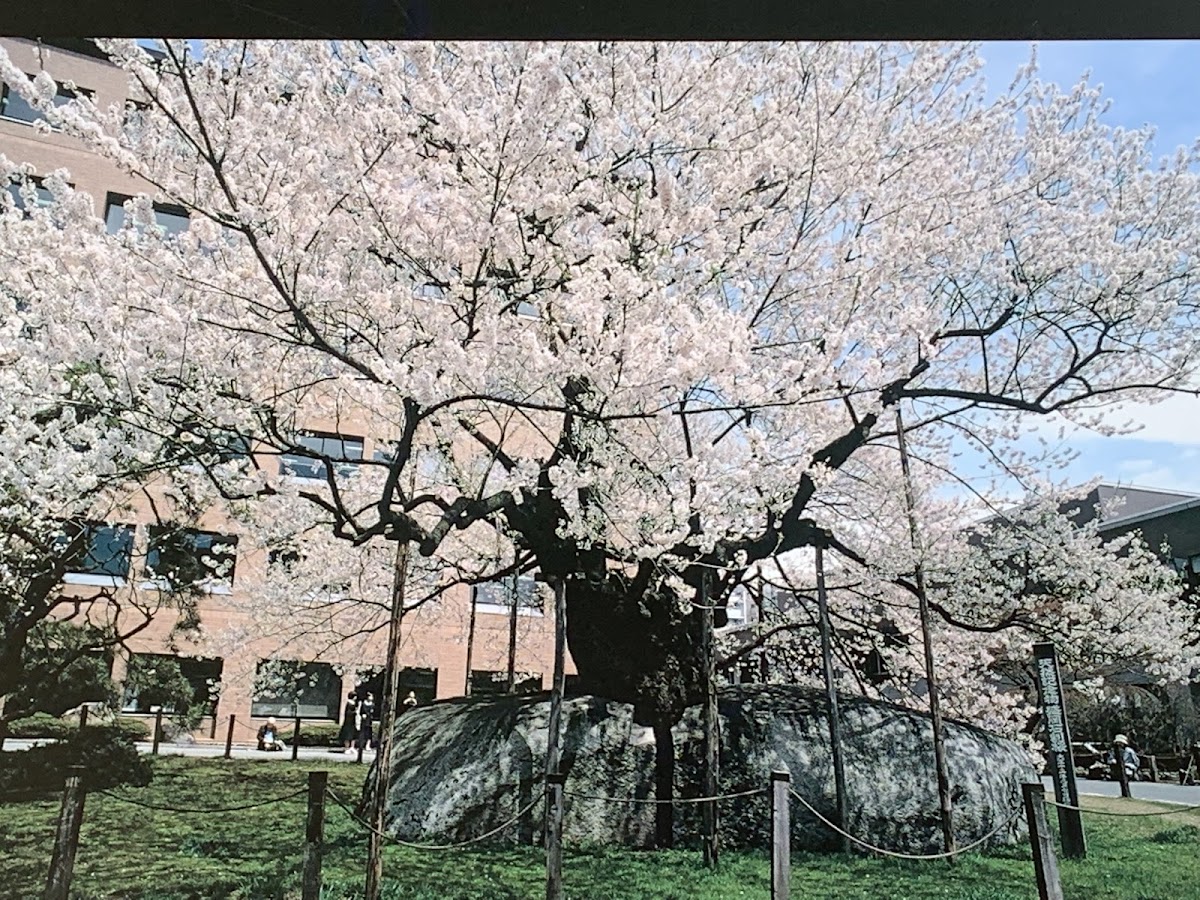
The Ishiwari Cherry Blossom (ishiwari-zakura) is an Edo higan cherry tree estimated to be 360 to 400 years old, located within the grounds of the Morioka District Court at Uchimaru in Morioka City, Iwate Prefecture. Its greatest characteristic is that it grows protruding from a crack in a massive granite boulder with a circumference of approximately 21 meters (or 23 meters according to some accounts).
With a tree height of approximately 10 to 11 meters and a trunk circumference of about 4.3 meters, the sight of a thick trunk with a diameter of approximately 1.35 meters extending toward the sky while pushing apart the rock crevice is awe-inspiring. The name “Ishiwari Cherry Blossom” was given from this remarkable sight.
History of Designation as a National Natural Monument
The Ishiwari Cherry Blossom was designated as a National Natural Monument in 1923 (Taisho 12). This was an extremely early designation nationwide, indicating that its academic value and rarity were recognized at that time.
Interestingly, in addition to the Ishiwari Cherry Blossom, the “Morioka Shidare” at Ryuuryoji Temple in Morioka City is also designated as a National Natural Monument. It is extremely rare nationwide for multiple cherry trees within a single city to be designated as natural monuments. Furthermore, Morioka City is the northernmost location in Japan where cherry blossoms are designated as a National Natural Monument.
The Mystery of Ishiwari Cherry Blossom – Why Did It Grow While Splitting the Rock?
The mechanism by which the Ishiwari Cherry Blossom split the massive granite boulder and grew involves a natural drama spanning long ages.
Unraveling the Growth Mystery
The generally understood growth process is as follows:
- Seed Germination: Approximately 360 to 400 years ago, a cherry seed entered a small crack in the granite and germinated.
- Root Growth: The cherry’s roots grew along the rock crevice, seeking water and nutrients by penetrating the cracks in the stone.
- Trunk Thickening Growth: Trees thicken with each annual ring. In the case of Ishiwari Cherry Blossom, as the trunk thickened within the narrow crevice, it continuously exerted pressure from inside against the rock.
- Rock Fracture: Through centuries of continuous pressure, the hard granite was gradually pushed apart, forming the large crevice seen today.
Characteristics of Granite
The granite supporting the Ishiwari Cherry Blossom is an igneous rock that formed by the slow cooling of magma deep underground. It is an extremely hard rock, but due to weathering, it tends to develop fine cracks. This characteristic is believed to have provided the foothold for the cherry’s roots to invade.
Viewing Season and Flowering Information for Ishiwari Cherry Blossom
The Ishiwari Cherry Blossom is known as one of the earliest blooming cherry trees in Morioka City.
Blooming Period and Viewing Season
- Blooming Period: Typically early to mid-April
- Full Bloom Period: About one week after blooming
- Ideal Viewing Period: Approximately one to two weeks
The Ishiwari Cherry Blossom is an Edo higan cherry variety that tends to bloom slightly earlier than Somei yoshino. While the blooming period varies year to year depending on climate conditions, peak viewing is often around April 10th.
Characteristics of Edo Higan Cherry
Edo higan cherry is one of wild cherry species with the following characteristics:
- Flower Color: Light pink to nearly white
- Flower Size: Slightly smaller than Somei yoshino
- Blooming Period: Named “Edo higan” because it blooms around the spring equinox (Shunbun)
- Lifespan: Extremely long-lived, with individuals exceeding 1,000 years in age
The sight of the Ishiwari Cherry Blossom’s light pink petals creating contrast with the gray granite is a unique beauty not seen at other cherry blossom destinations.
How to Check Bloom Forecasts
The accurate bloom forecast for that year can be confirmed through:
- Morioka City official website tourism information
- Iwate no Tabi (Iwate Prefecture Tourism Portal Site)
- Cherry blossom bloom forecast websites of weather companies
- Current information via SNS searches for “#Ishiwari Cherry Blossom”
Access to Ishiwari Cherry Blossom
The Ishiwari Cherry Blossom is located in the center of Morioka City and is relatively easy to access.
Access by Train
From JR Morioka Station on foot
- Travel Time: Approximately 20 minutes
- Distance: Approximately 1.5 kilometers
- Route: Exit from the east exit of Morioka Station, head north on Chuo-dori, and head toward the Morioka District Court
Using bus
- Using Dendenumushi (Morioka Central Commercial District Circular Bus)
- Clockwise: Approximately 8 minutes from JR Morioka Station, get off at “Chuo-dori 1-chome”
- Counterclockwise: Approximately 9 minutes from JR Morioka Station, get off at “Prefectural Government/City Hall”
- Fare: 100 yen per ride (may vary by section)
- Using route buses
- Get off at “Morioka District Court” or “Prefectural Government/City Hall” on various Iwate Kotsu route buses
Access by Car and Parking Information
From expressways
- Approximately 15 minutes from “Morioka IC” on the Tohoku Expressway
- Approximately 20 minutes from “Morioka South IC”
About parking
The Morioka District Court where the Ishiwari Cherry Blossom is located does not have a dedicated general tourist parking lot. When visiting by car, please use the following parking facilities in the surrounding area:
- Morioka City parking lot (Uchimaru Parking)
- Paid parking lots around Iwate Prefectural Government
- Morioka Castle Ruins Park (Iwate Park) parking lot
Crowding is expected during the peak cherry blossom viewing season, so the use of public transportation is recommended.
Detailed Location
- Address: 9-1 Uchimaru, Morioka City, Iwate Prefecture (within Morioka District Court grounds)
- Coordinates: Approximately North latitude 39.70 degrees, East longitude 141.15 degrees
Viewing the Ishiwari Cherry Blossom – Precautions During Cherry Blossom Viewing
Since the Ishiwari Cherry Blossom is located within the grounds of the Morioka District Court, there are several precautions to observe when viewing.
Viewing Hours
While the Ishiwari Cherry Blossom is located within the court grounds, it is opened to the public during the cherry blossom viewing season. However, the following points require attention:
- Viewing Hours: Principally during daylight hours only (nighttime illumination is not typically conducted)
- Court Business Hours: On weekdays, the court conducts business, so viewing must be done quietly
- Holidays: While the court is closed on weekends and holidays, viewing of the cherry blossom is possible
Cherry Blossom Viewing Etiquette and Precautions
- Conduct within the grounds
- Be mindful that you are within court grounds and view quietly
- Refrain from loud conversations or noisy behavior
- Care must be taken not to interfere with court operations
- About photography
- Photography of the Ishiwari Cherry Blossom is permitted
- However, avoid photographing the court building or court personnel
- Refrain from using tripods during crowded times out of consideration for other visitors
- Cherry Tree Protection
- As a National Natural Monument, it is strictly prohibited to touch the tree or break branches
- Be careful not to step on the roots
- Always take any trash with you
- Food and Drink
- Food and drink within the court grounds are principally prohibited
- Please note that cherry blossom viewing parties cannot be held
- Pets
- It is recommended to check in advance regarding the accompanying of pets
Crowding and Visiting Tips
The peak season, especially on weekends, attracts many tourists and can be crowded. If you prefer to view the cherry blossoms leisurely, the following time slots are recommended:
- Weekday mornings: Relatively uncrowded
- Early morning: The cherry illuminated by morning light is also beautiful, and fewer people visit
- Late afternoon: The cherry illuminated by evening light also has its charm
Tourist Attractions Around Ishiwari Cherry Blossom
We introduce tourist attractions in Morioka City that are worth visiting together with viewing the Ishiwari Cherry Blossom.
Morioka Castle Ruins Park (Iwate Park)
Approximately a 10-minute walk from the Ishiwari Cherry Blossom, Morioka Castle Ruins Park is a representative cherry blossom destination in Morioka City.
- Number of Cherry Trees: Approximately 200
- Varieties: Somei yoshino, Edo higan cherry, and others
- Viewing Season: Mid to late April
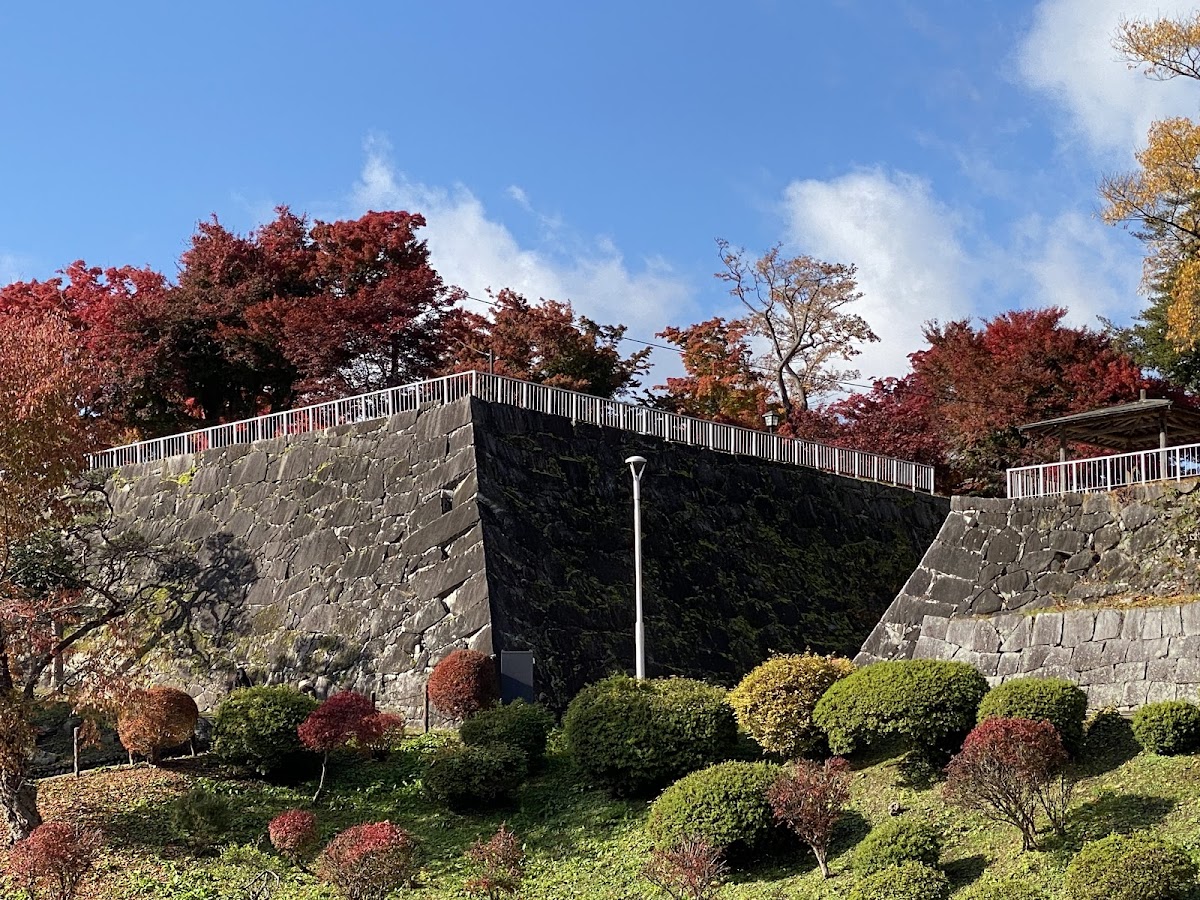
- Characteristics: The contrast between stone walls and cherry blossoms is beautiful, and it has been selected as one of “Japan’s Top 100 Cherry Blossom Spots”
Morioka Shidare at Ryuuryoji Temple
A weeping cherry tree designated as a National Natural Monument, just like the Ishiwari Cherry Blossom.
- Tree Age: Approximately 400 years
- Location: Nasugawa-cho, Morioka City
- Characteristics: The elegantly drooping branches are beautiful, and it has charm contrasting with the Ishiwari Cherry Blossom
Cherry Tree Avenues Along the Kitakami and Nakatsu Rivers
Beautiful cherry tree avenues also exist along rivers flowing through Morioka City.
- Nakatsu River Shoreline: Cherry tree avenues continue along the Nakatsu River, which flows near Morioka Castle Ruins Park
- Kitakami River: The contrast of the majestic river flow and cherry blossoms can be enjoyed
Tourism in the Morioka City Center
The following tourist attractions are also available near the Ishiwari Cherry Blossom:
- Morioka History and Culture Museum: A facility where you can learn about Morioka’s history and culture
- Iwate Prefectural Government: The old main building made of red brick is an Important Cultural Asset
- Morioka Hachimangu Shrine: A shrine known as the chief shrine of Morioka
- Zaimokucho Yoichi: A morning market held every Saturday (April to November)
History and Legends of Ishiwari Cherry Blossom
The Ishiwari Cherry Blossom has a history of over 360 years, and several theories exist about its origins.
Origins of Ishiwari Cherry Blossom
While no definitive records remain, it is believed that the cherry tree began growing in its current location during the early to middle Edo period. The area was reportedly the site of a samurai residence of the Morioka domain at that time, and a large granite boulder already existed there.
Local Legends
The following stories are passed down as legends related to the Ishiwari Cherry Blossom:
- A theory that a lightning strike created a crack in the rock, into which a cherry seed entered
- A theory that a samurai planted a cherry seed in the rock crevice
- A theory that a seed naturally blown by wind germinated in the rock crevice
While none of these have definitive proof, they have perpetuated the Ishiwari Cherry Blossom as a mysterious cherry for many years.
Conservation Activities Since the Meiji Period
Since the Meiji period, the academic value of the Ishiwari Cherry Blossom has been recognized, and conservation activities by local people began. After its designation as a National Natural Monument in 1923 (Taisho 12), more systematic protection and management have been implemented.
Currently, regular health examinations by arborists, appropriate pruning, and soil improvement are performed, and efforts continue to preserve this precious cherry tree for future generations.
Scientific Value of Ishiwari Cherry Blossom
The Ishiwari Cherry Blossom is a precious asset not only as a tourism resource but also scientifically.
Botanical Value
- Rock Weathering Research: A valuable case study of the effects of plant roots on rocks
- Tree Vitality: An example demonstrating trees’ adaptive capacity in harsh environments
- Longevity of Edo Higan Cherry: A living specimen proving this species’ vitality and longevity
Geological Value
It serves as a valuable case study for observing the granite weathering process and is also a subject of geological research. A location where long-term observation of the rock fracture process and the physical and chemical effects of plant roots on rocks can be conducted is said to be rare worldwide.
From a Conservation Science Perspective
As a National Natural Monument, it is important as a venue for practical implementation of how to protect and manage it. It is noted nationwide as a model case for protection and management of natural monuments located in urban areas.
Cherry Blossom Culture of Morioka and Ishiwari Cherry Blossom
Morioka City is known as a “cherry blossom city,” and the Ishiwari Cherry Blossom is its symbolic presence.
Morioka Sakura Festival
The “Morioka Sakura Festival” is held annually from mid to late April. The Ishiwari Cherry Blossom is introduced as one of the highlights, and many tourists visit.
- Period: Typically mid to late April (varies depending on cherry blossom bloom status)
- Venues: Morioka Castle Ruins Park as the main venue and various locations throughout the city
- Events: Illumination displays, food stall establishments, various events, and more
Ishiwari Cherry Blossom and Citizen Life
The Ishiwari Cherry Blossom is a harbinger of spring for Morioka citizens. Local elementary schools sometimes conduct lessons using the Ishiwari Cherry Blossom as material, and it is also utilized as educational material fostering hometown affection.
Ishiwari Cherry Blossom in Artistic Works
The Ishiwari Cherry Blossom’s unique appearance has inspired many artists:
- Painting: Numerous works by local artists
- Photography: Popular subject for both professional and amateur photographers
- Literature: A theme in poetry and essays
- Music: Appearing in song lyrics of songs about Morioka
Ishiwari Cherry Blossom Photography Guide
We present tips for photographing the Ishiwari Cherry Blossom beautifully.
Recommended Shooting Spots
- Front-facing photography
- A classic angle capturing the entire image of rock and cherry blossom
- The contrast between the size of the cherry tree and the granite boulder becomes apparent
- Lateral photography
- The manner in which the cherry protruding from the rock crevice is well visible
- The relationship between the cherry’s trunk thickness and the rock is clarified
- Looking-up angle
- The contrast between blue sky and cherry blossoms is beautiful
- The beauty of the cherry’s branch pattern can be emphasized
- Rock close-up
- Photographing the contact point between the rock crevice and cherry trunk
- The strength of nature can be expressed
Best Timing for Photography
- Morning: Soft morning light gently illuminates the cherry blossoms
- Sunny weather: The contrast between blue sky and light pink cherry blossoms is beautiful
- Cloudy weather: The cherry’s delicate nature stands out in soft light
- Full bloom: The most gorgeous appearance can be photographed
- Beginning to fall: The sight of petals fluttering also has charm
Photography Precautions
- Never forget consideration for other visitors during crowded times
- When using tripods, do not take up too much space
- Be careful not to include the court building or court personnel in the photo
- Do not enter the area around the tree’s roots
- Use flash photography sparingly as it may affect the cherry blossom
Things to Know Before Visiting Ishiwari Cherry Blossom
Clothing and Items to Bring
- Clothing: April in Morioka can still be cool. Bring a jacket
- Comfortable walking shoes: Recommended when walking from the station
- Camera: This precious scene should definitely be recorded
- Rain gear: Weather can change during this season, so a folding umbrella provides peace of mind
Expected Time Spent
- Viewing Ishiwari Cherry Blossom only: 15 to 30 minutes
- Including photography: 30 minutes to 1 hour
- Including surrounding areas: 2 hours to half a day
Barrier-Free Information
The Ishiwari Cherry Blossom is located within the Morioka District Court grounds, and there may be steps at the entrance to the premises. If you wish to view the cherry blossom using a wheelchair, it is recommended to contact the Morioka City Tourism Division or the court in advance.
Contact Information
- Morioka City Tourism Division: Information on bloom status and viewing of Ishiwari Cherry Blossom
- Morioka Convention & Visitors Bureau: General tourism information
- Iwate Tourism Information Center: Tourism information for Iwate Prefecture
Ishiwari Cherry Blossom and Climate Change
In recent years, there has been a trend for cherry blossoms to bloom earlier due to climate change. The Ishiwari Cherry Blossom is no exception, and there is data showing that the blooming period has advanced compared to several decades ago.
Long-term Protection Issues
- Temperature Rise: Impact on the cherry’s growing environment
- Urbanization: Effects of changes in surrounding environment
- Tree Aging: Consideration for the tree’s lifespan
- Pests and Diseases: Risk of new pests due to warming
To address these issues, continuous monitoring by experts and appropriate management are being conducted.
Conclusion: The Charm of Ishiwari Cherry Blossom
The Ishiwari Cherry Blossom, as a 360-year-old and older Edo higan cherry tree blooming while splitting a massive granite boulder, is a cherry blossom destination of which Morioka City, Iwate Prefecture, is proud. This miraculous single cherry tree designated as a National Natural Monument teaches us about nature’s mystery and the strength of vitality.
Easily accessible on foot in approximately 20 minutes from Morioka Station or by the circular bus “Dendenumushi,” it reaches peak bloom typically in early to mid-April. Located within the unusual confines of the Morioka District Court, please enjoy the beauty of this precious cherry while observing the etiquette of quiet viewing.
Combining a visit to the Ishiwari Cherry Blossom with tours of other cherry blossom spots in Morioka City, such as Morioka Castle Ruins Park and Ryuuryoji Temple’s Morioka Shidare, will make for a more enriching cherry blossom touring experience. When visiting Iwate Prefecture and Morioka City in spring, be sure to see this miraculous cherry blossom, the Ishiwari Cherry Blossom.