Complete Guide to Koiwai Farm’s Single Cherry Blossom Tree | Charm and Photography Spots of Iwate Prefecture’s Premier Cherry Blossom Destination
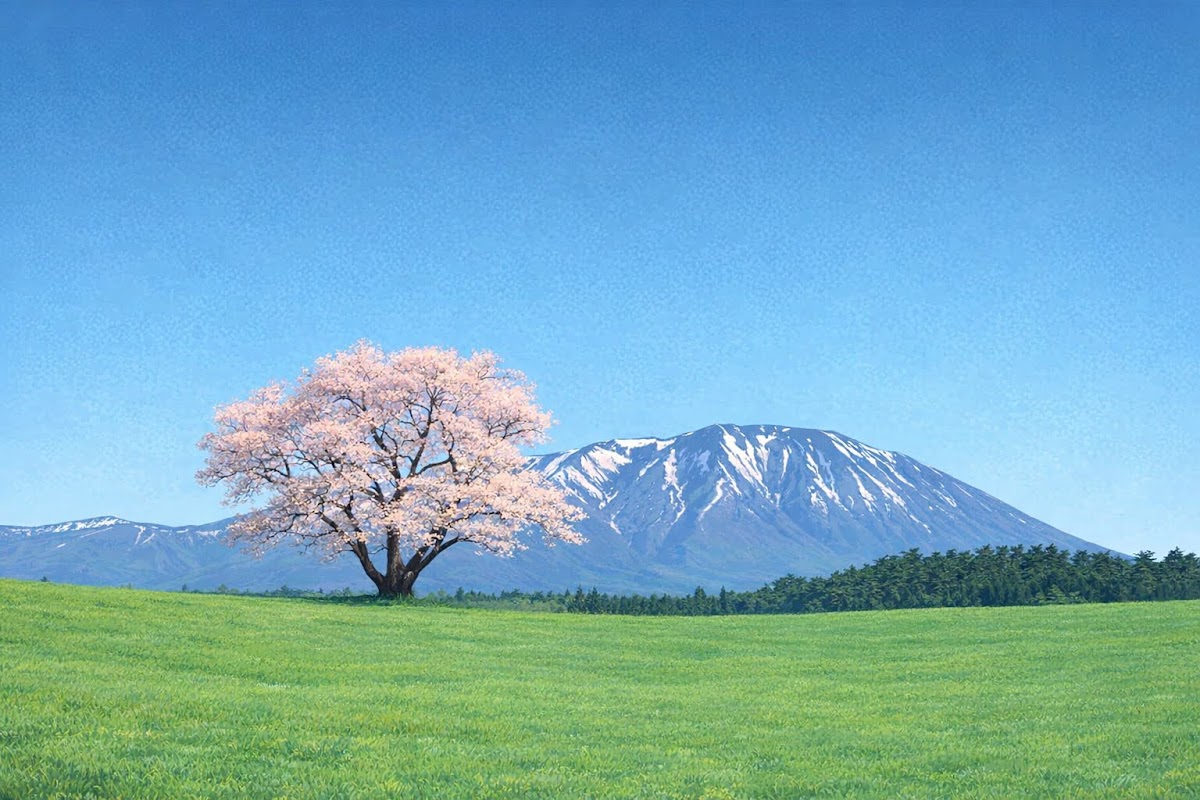
Spread across Koiwai Farm in Shizukuishi Town, Iwate County, Iwate Prefecture, a single cherry blossom tree stands proudly in the pastureland. Every spring, it captivates many visitors. The “Single Cherry Blossom Tree of Koiwai Farm,” blooming with pink flowers on green earth against the backdrop of snow-capped Mt. Iwate, is known nationwide as one of Iwate Prefecture’s representative cherry blossom viewing spots.
This article comprehensively introduces information you should know before visiting, from the history and best viewing period of Koiwai Farm’s single cherry blossom tree, to photography tips, access methods, and nearby tourist attractions.
Koiwai Farm’s Single Cherry Blossom Tree
History and Origin
Koiwai Farm’s single cherry blossom tree is said to have been planted in the 1900s (over 100 years ago) and is an Edo-higan cherry variety. While the exact age is unclear, it currently boasts a magnificent appearance reaching approximately 20 meters in height.
The background to this tree being planted had practical reasons unique to a farm. At the time, this location was used as pastureland, and the cherry was planted as a “shade tree” to protect heat-sensitive cattle from the strong summer sun. This tree, which provided a cool resting place for cattle, has grown over time to become an Iwate Prefecture landmark.
The Edo-higan Variety
The Edo-higan is known as a variety that blooms earlier than Somei-yoshino. It has a long lifespan, with specimens living several hundred years being uncommon. The single cherry blossom tree at Koiwai Farm is expected to live even longer in appropriate conditions.
The characteristics of Edo-higan are that its flowers bloom before leaves appear, and it produces delicate pale pink blossoms. The sight of these pale pink flowers blooming against Koiwai Farm’s vast green pastureland is truly spectacular.
Highlights of Koiwai Farm’s Single Cherry Blossom Tree
Spectacular Scenery with Mt. Iwate in the Background
The greatest attraction of Koiwai Farm’s single cherry blossom tree is undoubtedly the landscape with snow-capped Mt. Iwate in the background. At 2,038 meters above sea level, Mt. Iwate is also called “Southern Mt. Fuji” and its majestic appearance is a symbol of Iwate Prefecture.
From late April to early May, when the cherry blossoms bloom, Mt. Iwate still has snow remaining. The contrast of four colors—white snow-topped Mt. Iwate, green pastureland, pale pink cherry blossoms, and blue sky—creates a beauty that captivates all who visit.
This landscape is extremely popular among photography enthusiasts, and many photographers from throughout the country visit during the blooming season each year. The single cherry blossom tree displays different expressions depending on the time of day, such as illuminated by morning or evening light, or night cherry blossoms under starry skies.
Scenery Throughout the Four Seasons
Koiwai Farm’s single cherry blossom tree offers beautiful scenery throughout the year, not just during the spring cherry blossom season.
Spring (late April to early May): Cherry blossom blooming period. The contrast with snow-capped Mt. Iwate is most beautiful in this season.
Summer (June to August): Lush foliage thrives, allowing you to see its original role as a “shade tree.” The sight standing against the all-green pastureland is refreshingly beautiful.
Autumn (September to November): Autumn-colored leaves are beautiful, and the landscape against the autumn sky and Mt. Iwate has a different charm than spring.
Winter (December to March): A single cherry blossom tree standing in snow-covered pastureland conveys the strength to endure harsh winter cold. Its appearance in snowy landscape is also popular as a photography spot.
Location for Movies and Dramas
Koiwai Farm’s single cherry blossom tree has been used as a filming location for numerous film and television productions due to its beautiful scenery.
Most notably, the 2003 film “Mibu Gishi Den” and the 2007 NHK asadora drama “Dondo Hare.” In “Dondo Hare,” it appeared in an important scene of the story, and its nationwide recognition skyrocketed following this production.
Many fans visit wanting to see the cherry blossom tree that appeared in drama and film scenes, and it has also become popular as a sacred site pilgrimage spot.
Cherry Blossom Viewing Period and Bloom Information
Typical Best Viewing Period
The best time to view Koiwai Farm’s single cherry blossom tree is typically late April through early May. Because it is at a higher elevation than other locations in Iwate Prefecture, blooming occurs later than in Morioka city center and plains areas.
This often coincides with Golden Week, when the sight is crowded with tourists taking advantage of the holidays. However, due to temperature fluctuations year to year, the blooming period may shift.
How to Check Bloom Forecasts
To learn more accurate bloom information, we recommend confirming the latest information through the following methods:
- Weather News Sakura Channel: Provides nationwide cherry blossom bloom information, including Koiwai Farm’s single cherry blossom tree.
- Japan Meteorological Association tenki.jp: Updates cherry blossom bloom and peak bloom forecasts continuously, allowing you to check alongside weather information.
- Koiwai Farm Official Website: Information is updated as blooming approaches.
- Shizukuishi Tourism Association: Information provided by the local tourism association regarding latest bloom status and peak viewing times is also helpful.
Recommendations for Using Cherry Blossom Reports
In recent years, “cherry blossom reports” posted on SNS and Weather News by people who actually visited have become valuable information sources. You can learn current bloom status, crowd conditions, and weather at the site in real time, which is extremely useful when planning your visit.
Searching hashtags like “#小岩井農場一本桜” “#小岩井農場” on Twitter and Instagram allows you to see the latest photos and information.
Cherry Blossom Viewing Spots Around Koiwai Farm
Beyond its single cherry blossom tree, Koiwai Farm has other cherry blossom viewing attractions.
Kamimarugyu Barn’s Somei-yoshino
Around the Kamimarugyu Barn, the birthplace of Koiwai Farm dairy farming, approximately 90 Somei-yoshino cherry trees are planted. The landscape created by cherry blossoms alongside historic barn buildings designated as National Important Cultural Properties has a different charm than the single tree.
The contrast between red brick barns and cherry blossoms is a precious landscape preserving the atmosphere of the Meiji and Taisho periods. It can be called a hidden gem where you can enjoy flower viewing while feeling the farm’s history.
Around Makiba Garden
Cherry trees are also planted around the tourist area “Makiba Garden,” making it a flower viewing spot families can enjoy. At Makiba Garden, you can also experience interactions with animals and purchase dairy products, making it possible to spend a full day enjoying cherry blossoms and more.
Access Methods and Parking Information
Access by Car
When visiting Koiwai Farm’s single cherry blossom tree by car, the following routes are typical.
From Tohoku Expressway:
- Approximately 15km from Morioka IC, about 20 minutes by car
- Head toward Akita on National Route 46 and proceed following signage
Address: 36-1 Maruyanichi, Shizukuishi Town, Iwate County, Iwate Prefecture (Koiwai Farm)
The single cherry blossom tree is located approximately 800 meters west of the Koiwai Dairy Factory.
Parking
During the cherry blossom bloom season, temporary parking lots for single cherry blossom viewing may be set up. However, responses vary by year, so we recommend checking the latest information in advance on Koiwai Farm’s official website or through the Shizukuishi Tourism Association.
Access to the single cherry blossom tree from the parking lot is on foot. Since you walk through pastureland, visiting with comfortable walking shoes is recommended.
If using the observation area “Makiba Garden” parking lot (paid), the distance to the single cherry blossom tree is approximately 1.5km.
Access by Public Transportation
By JR:
- Approximately 20 minutes from Morioka Station to Koiwai Station
- Approximately 3km from Koiwai Station to the single cherry blossom tree (taxi is convenient)
By Bus:
- Bus from Morioka Station to “Koiwai Farm Makiba Garden” stop
- Walking approximately 20-30 minutes from Makiba Garden to the single cherry blossom tree
During the cherry blossom bloom season, temporary buses may operate, so check traffic information in advance.
Precautions When Visiting
The location where the single cherry blossom tree stands is private property (pastureland). Please note the following points when visiting:
- Walk only on designated paths to avoid damaging the pastureland
- Always take all trash with you
- Do not break cherry branches or damage the trunk
- Be considerate not to interfere with farm operations
- Pet entry may be restricted; check in advance
Photography Tips and Best Times
Recommended Photography Times
Early morning (around sunrise):
Morning sunlight illuminating Mt. Iwate and the single cherry blossom tree is extraordinarily beautiful. Fewer people visit, allowing you to shoot in a quiet atmosphere. Morning mist sometimes appears, making mystical photographs possible.
Evening (before sunset):
The silhouette of Mt. Iwate and the cherry blossom tree tinted by sunset allows dramatic shots. The “magic hour” when golden light illuminates the pastureland is especially recommended.
Clear daytime:
The contrast of blue sky, snow-capped Mt. Iwate, green pastureland, and pink cherry blossoms can be captured most vividly.
Composition Tips
- Include Mt. Iwate in the background: A representative composition of Koiwai Farm’s single cherry blossom tree. Using a wide-angle lens to express its grandeur is recommended.
- Shoot from a low position looking up: Emphasizes the cherry tree’s branch structure and blue sky.
- Include green pastureland as foreground: Placing green pastureland in the foreground creates depth in the photograph.
- Close-up of cherry blossom details: Close-ups capturing the texture of petals and branches are also appealing.
Weather and Photography
Clear weather and cloudy weather create completely different expressions.
- Clear weather: Strong contrast, allowing vivid colored photographs
- Cloudy weather: Soft light creates a gentle atmosphere
- After rain: You might see wet cherry blossoms and rainbows
We recommend checking weather forecasts for the Koiwai Farm area frequently and visiting under desired conditions. Note that weather changes easily in this high-elevation location.
Nearby Tourist Attractions
Visiting nearby attractions when viewing Koiwai Farm’s single cherry blossom tree makes for a more fulfilling trip.
Koiwai Farm Makiba Garden
A tourist area located approximately 1.5km from the single cherry blossom tree.
- Animal interaction experiences
- Horseback riding experiences
- Sheep shearing show (seasonal)
- Cuisine featuring Koiwai Farm dairy products
- Gift shop
Particularly popular are Koiwai Farm’s soft serve ice cream and Genghis Khan (mutton barbecue). After viewing the cherry blossoms, stop by to enjoy tastes unique to the farm.
Amizashi Hot Spring
A hot spring resort positioned at the base of Mt. Iwate, approximately 20 minutes by car from Koiwai Farm.
- Natural hot spring with source-fed water
- Open-air bath overlooking Mt. Iwate
- Day-trip bathing available at some facilities
Perfect for relaxing a body tired from walking while viewing cherry blossoms. During spring’s snow season, you can also enjoy snow-viewing bathing.
Sightseeing in Morioka City
Morioka city center is approximately 30 minutes by car from Koiwai Farm.
- Morioka Castle Ruins Park (Iwate Park): Also famous as a cherry blossom viewing spot
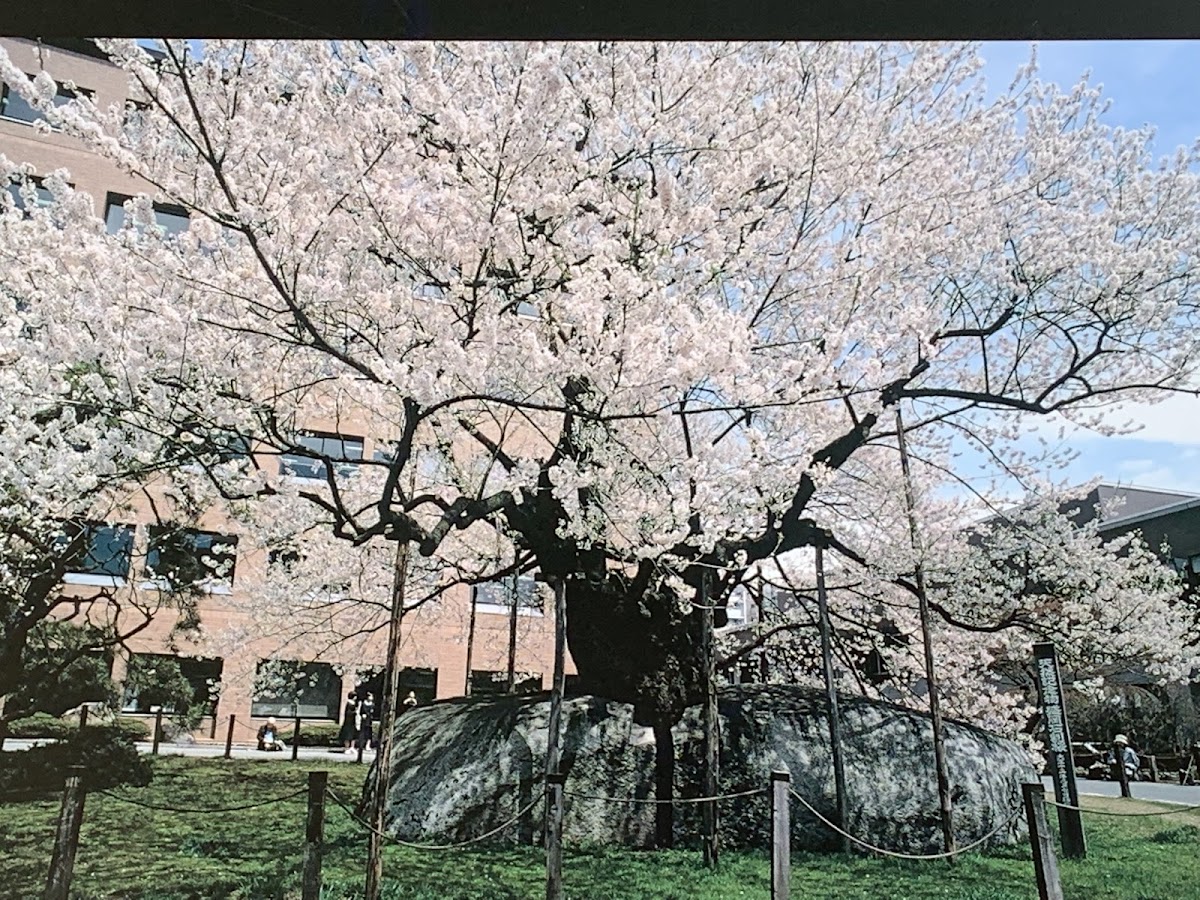
- Ishiwari Cherry: A famous cherry designated as a National Natural Treasure
- Morioka Three Noodles (wanko soba, cold noodles, jaja noodles) cuisine tours
- Exploring retro neighborhoods like Kogensha and Zaimokucho
Shizukuishi Town Tourist Attractions
- Shizukuishi Ski Resort: Spring skiing sometimes possible
- Uguisujo Hot Spring: Historic hot spring town
- Shizukuishi Anekko: Local agricultural products direct sales store
Accommodation Information and Model Course
Recommended Accommodation Areas
Within Shizukuishi Town:
- Closest to Koiwai Farm, convenient for early morning shooting
- Many hot spring inns available
In Morioka City:
- Wide variety of hotel options
- Enjoy sightseeing and cuisine
- Approximately 30 minutes by car to Koiwai Farm
Amizashi Hot Spring:
- Enjoy hot springs while appreciating nature
- Also a base for Mt. Iwate climbing
1-Night, 2-Day Model Course
Day 1:
- Morning: Arrive at Morioka Station, sightseeing in Morioka city (Morioka Castle Ruins Park, Ishiwari Cherry, etc.)
- Lunch: Enjoy Morioka Three Noodles
- Afternoon: Animal interaction experiences at Koiwai Farm Makiba Garden
- Evening: Photograph sunset at the single cherry blossom tree
- Accommodation: Shizukuishi Town or Amizashi Hot Spring
Day 2:
- Early morning: Photograph sunrise at the single cherry blossom tree
- Morning: Hot spring bathing at Amizashi Hot Spring
- Lunch: Cuisine from Koiwai Farm
- Afternoon: Regional sightseeing, then depart
Tips for Enjoying Koiwai Farm’s Single Cherry Blossom Tree
Clothing and Items to Bring
From late April through early May, Koiwai Farm can be warm during the day but cold in early morning and evening.
Recommended clothing:
- Layered clothing (easy temperature adjustment)
- Comfortable walking shoes (for walking through pastureland)
- Hat (sun protection)
- Warm clothing (for early morning and evening shooting)
Items to bring:
- Camera/smartphone (bring chargers too)
- Tripod (convenient for long exposures and group photos)
- Leisure sheet (for resting)
- Drinks and light snacks
- Sunscreen
- Garbage bags (always take trash with you)
Tips for Avoiding Crowds
Crowds are particularly heavy during Golden Week.
- Weekday visits: Weekdays are recommended if possible
- Early morning visits: Around 6 AM or earlier is relatively quiet
- Before and after peak bloom: Several days before peak bloom or as petals begin to fall are also beautiful
Fees
Viewing the single cherry blossom tree alone is free. However, if entering Makiba Garden, admission is required.
- Makiba Garden admission: 800 yen for adults, 300 yen for children (varies by period)
- Parking: Paid when using Makiba Garden; depends on temporary parking lot setup for single cherry blossom viewing only
Check Koiwai Farm’s official website for the latest fee information.
History and Charm of Koiwai Farm
The Founding of Koiwai Farm
Koiwai Farm was established in 1891 (Meiji 24) as one of Japan’s largest comprehensive private farms. The farm takes its name “Koiwai” from the first letters of the three founders’ names: Yoshishige Ono (小野義眞), Yanosuke Iwasaki (岩崎彌之助), and Masaru Inoue (井上勝).
On approximately 3,000 hectares of land (equivalent to about 640 Tokyo Domes), the farm operates dairy farming as its center, along with forestry and agriculture. The farm, with its history spanning over 130 years, contains numerous historic buildings from the Meiji and Taisho periods, with 21 structures designated as National Important Cultural Properties.
Nature and Landscape Preservation by the Farm
Koiwai Farm is not merely a tourist destination but functions as an active working farm. The pastureland where the single cherry blossom tree stands is actually used for cattle grazing and pasture cultivation.
The farm operates under the vision of “remaining a beautiful farm 100 years from now,” working toward natural environment conservation and sustainable agricultural management. The single cherry blossom tree stands as a symbolic representation of this commitment.
We visitors must also remember to enjoy this beautiful landscape respectfully, following proper etiquette to preserve it for future generations.
Conclusion: Create Spring Memories That Remain in Your Heart at Koiwai Farm’s Single Cherry Blossom Tree
Koiwai Farm’s single cherry blossom tree, standing with dignity against the backdrop of Mt. Iwate, is Iwate Prefecture’s representative cherry blossom viewing spot that captivates countless people.
A single cherry tree planted approximately 100 years ago to protect cattle has become a destination where visitors from across the nation travel, continuing to provide beautiful scenery throughout the seasons. The contrast created by snow-capped Mt. Iwate, green pastureland, pale pink cherry blossoms, and blue sky is a spectacular sight never forgotten once seen.
The best viewing period is typically late April through early May. Since this often coincides with Golden Week, planned visits are recommended. Check bloom information frequently and weather forecasts too, then visit at the perfect timing.
Beyond just the single cherry blossom tree, there are diverse ways to enjoy the experience: animal interaction at Koiwai Farm Makiba Garden, historic buildings at Kamimarugyu Barn, nearby hot springs and cuisine. Combining these with Morioka city sightseeing makes for a more enriching Iwate trip.
Remembering this is private property, visiting while following proper etiquette ensures this beautiful landscape remains for future generations. Why not spend a spring day at Koiwai Farm’s single cherry blossom tree, camera in hand, creating memories that linger?
The spectacular landscape created by Mt. Iwate and the single cherry blossom tree awaits you.