
Complete Guide to Miharu Takizakura|Fukushima’s Pride and One of Japan’s Three Greatest Cherry Blossoms
Miharu Takizakura, located in Miharu Town, Tamura District, Fukushima Prefecture, is one of Japan’s most representative cherry blossom destinations, boasting an estimated age of over 1,000 years. This giant tree was designated as Japan’s first National Natural Monument as a cherry blossom tree in 1922 (Taisho 11), and as one of Japan’s Three Greatest Cherry Blossoms, it attracts over 300,000 tourists from across the country every year. This article comprehensively introduces everything you need to know before your visit, from the charm of Miharu Takizakura to practical tourism information.
About Miharu Takizakura|A Natural Monument with a Thousand-Year History
Miharu Takizakura (三春滝桜) is a weeping cherry (Benishidare-zakura) of the Edo-higan variety located at Taki, Sakura-kubo, Aza-Taki, Ohaza-Taki, Miharu Town, Tamura District, Fukushima Prefecture. Its name derives from the appearance of small pale pink flowers flowing like a waterfall from branches spreading in all directions.
Status as One of Japan’s Three Greatest Cherry Blossoms
Miharu Takizakura is counted among Japan’s Three Greatest Cherry Blossoms together with Yamataka Jindai-zakura in Yamanashi Prefecture and Neotani Usuzumi-zakura in Gifu Prefecture. It is also widely known as one of Japan’s Five Greatest Cherry Blossoms and Three Greatest Giant Cherry Trees, and its overwhelming presence is etched into the memories of many people as a sight once seen that is never forgotten.
History of National Natural Monument Designation
On October 12, 1922 (Taisho 11), Miharu Takizakura was designated as Japan’s first National Natural Monument as a cherry blossom tree. In 2022 (Reiwa 4), it celebrated its 100th anniversary of designation, and commemorative events were held. This historic designation proves that Miharu Takizakura holds extremely important value as a Japanese natural heritage.
Miharu Takizakura as a Model for Works of Art
Miharu Takizakura has served as a model for numerous works of art due to its beauty. It is known that the sliding door paintings “Sakura” (by painter Hashimoto Meiji) decorating the Shokeiden Hall of the Imperial Palace and the mural painting “Four Seasons Trees” (by painter Senjyu Hiroshi) at Akasaka Biz Tower in Akasaka Sacas were painted with this weeping cherry as a model. The figure of flowers continuing to bloom across a thousand years has continued to inspire artists as a symbol of the beauty of Japan’s four seasons.
Basic Information about Miharu Takizakura|Overwhelming Scale
Tree Size and Characteristics
The overwhelming scale of Miharu Takizakura is evident from the following figures:
- Estimated Age: Over 1,000 years
- Height: 13.5 meters
- Root Circumference: 11.3 meters
- Trunk Circumference: 9.5 meters
- Branch Spread: Approximately 25 meters east-west, approximately 20 meters north-south
The branches spreading in all directions extend so long that they touch the ground, and at full bloom they form a giant pale pink waterfall. The sight when looking up from nearby is spectacular, with an impressive quality that conveys a thousand years of history.
Variety and Flower Characteristics
Benishidare-zakura, a cultivated variety of the Edo-higan group, is characterized by small pale pink flowers. Due to its weeping nature, the flowers blooming throughout the branches create a unique landscape of flowing like a waterfall. During the blooming period, the entire branches spreading in all directions from the trunk turn pale pink, creating a natural work of art-like beauty.
Location and Access Information
Location
Address: Taki, Sakura-kubo, Aza-Taki, Ohaza-Taki, Miharu Town, Tamura District, Fukushima Prefecture
Miharu Takizakura is positioned slightly away from the center of Miharu Town in hilly terrain. The surrounding area features rural landscapes and a quiet environment where you can leisurely enjoy the cherry’s beauty.
Access by Car
- From Banetsutaira Expressway Funehiki Miharu IC: Approximately 20 minutes
- From Banetsutaira Expressway Koriyama East IC: Approximately 30 minutes
Traffic restrictions are implemented during the blooming period, and shuttle buses operate from the Takizakura Grand Parking Lot. Direct access to the site by private vehicle is not possible, so please use the shuttle bus.
Access by Public Transportation
- From JR Banetsutaira Line Miharu Station: Approximately 20 minutes by taxi, or approximately 20 minutes by temporary bus (operated only during blooming period)
During the blooming period, temporary buses operate from Miharu Station to Takizakura. The operation schedule is determined according to blooming conditions, so it is recommended to check the official website of the Miharu Town Tourism Association in advance.
Parking and Shuttle Bus Information
During the blooming period, the Takizakura Grand Parking Lot (free) is opened, and shuttle buses operate from there. The operation period of the shuttle bus varies depending on blooming conditions, but typically lasts approximately two weeks from the blooming announcement until it begins to scatter. To avoid congestion, visiting early in the morning or on weekdays is recommended.
Blooming Period and Best Time to Visit|Optimal Timing for Your Visit
Typical Blooming Period
Miharu Takizakura typically blooms from mid to late April. However, it may vary depending on weather conditions, and there can be shifts of approximately one week between years.
How to Check Blooming Status
The official website of the Miharu Town Tourism Association, “Find! Miharu,” updates the blooming status daily during the blooming period. The Miharu Town official website also provides the latest information. When planning your visit, it is recommended to periodically check these information sources.
Determining Full Bloom
It typically takes 5 to 7 days from blooming to full bloom. The full bloom period lasts approximately 3 to 5 days, depending on weather. At full bloom, the entire branches turn pale pink, displaying the most beautiful appearance. The beginning of scattering also has charm, with the sight of petals fluttering down being equally impressive.
Weather Conditions and Impact on Blooming
Spring temperature has a significant impact on blooming timing. In warm winter years, blooming tends to come early, and in cold spring years, it tends to be delayed. Additionally, rainfall and strong winds during the blooming period affect the flower condition, so it is important to also check the weather forecast.
Illumination Information|Mystical Beauty of Night Cherry Blossoms
Illumination Period and Time
Night illumination is implemented during the blooming period. Typically, illumination lasts from sunset to around 9:00 PM (varies by year), allowing you to enjoy an atmosphere different from daytime.
Charm of Night Cherry Blossom Viewing
The night illumination reveals the weeping cherry floating in darkness in a mystical beauty. The pale pink flowers illuminated by light create a mysterious atmosphere different from daytime, attracting many photography enthusiasts. At night, congestion is relatively eased compared to daytime, making it recommended for those who want to enjoy the viewing leisurely.
Notes for Night Viewing
Since the ground becomes dark at night, it is reassuring to bring a flashlight or use your smartphone’s light. Also, temperatures drop at night, so do not forget cold-weather protection measures. Use of tripods for photography may be restricted depending on congestion conditions, so please follow the guidance of staff at the site.
Observation Fee|Supporting Conservation Activities
Fee Collection Period and Amount
An observation fee is collected during the blooming period. This observation fee is used for conservation activities of Miharu Takizakura and improvement of the surrounding environment.
- Fee: Approximately 300 yen for junior high school students and above (may vary by year)
- Collection Period: From blooming announcement until it begins to scatter (typically approximately 2 weeks)
Fee collection ends according to blooming conditions. After scattering begins, viewing may be free in some cases, but please confirm the latest information on the official website.
Use of Observation Fees
The collected observation fees are used for conservation activities aimed at passing Takizakura to future generations, including regular health checkups by tree doctors, soil improvement, pest management, and surrounding environmental maintenance. We ask for your cooperation to pass the Takizakura, which has lived for over a thousand years, to the future.
Nearby Cherry Blossom Spots|Miharu Town Cherry Blossom Tour
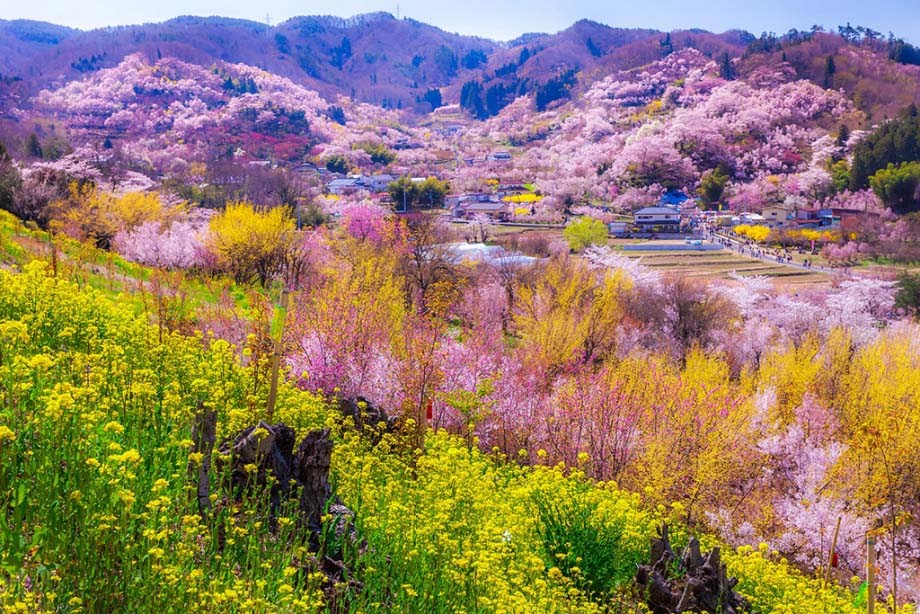
Miharu Town, as its name “Miharu” suggests, is a beautiful town where plums, peaches, and cherry blossoms bloom all at once. Besides Takizakura, there are many other cherry blossom destinations, with over 2,000 cherry blossoms enjoyed throughout the town.
Miharu Castle Ruins (Shiroyama Park)
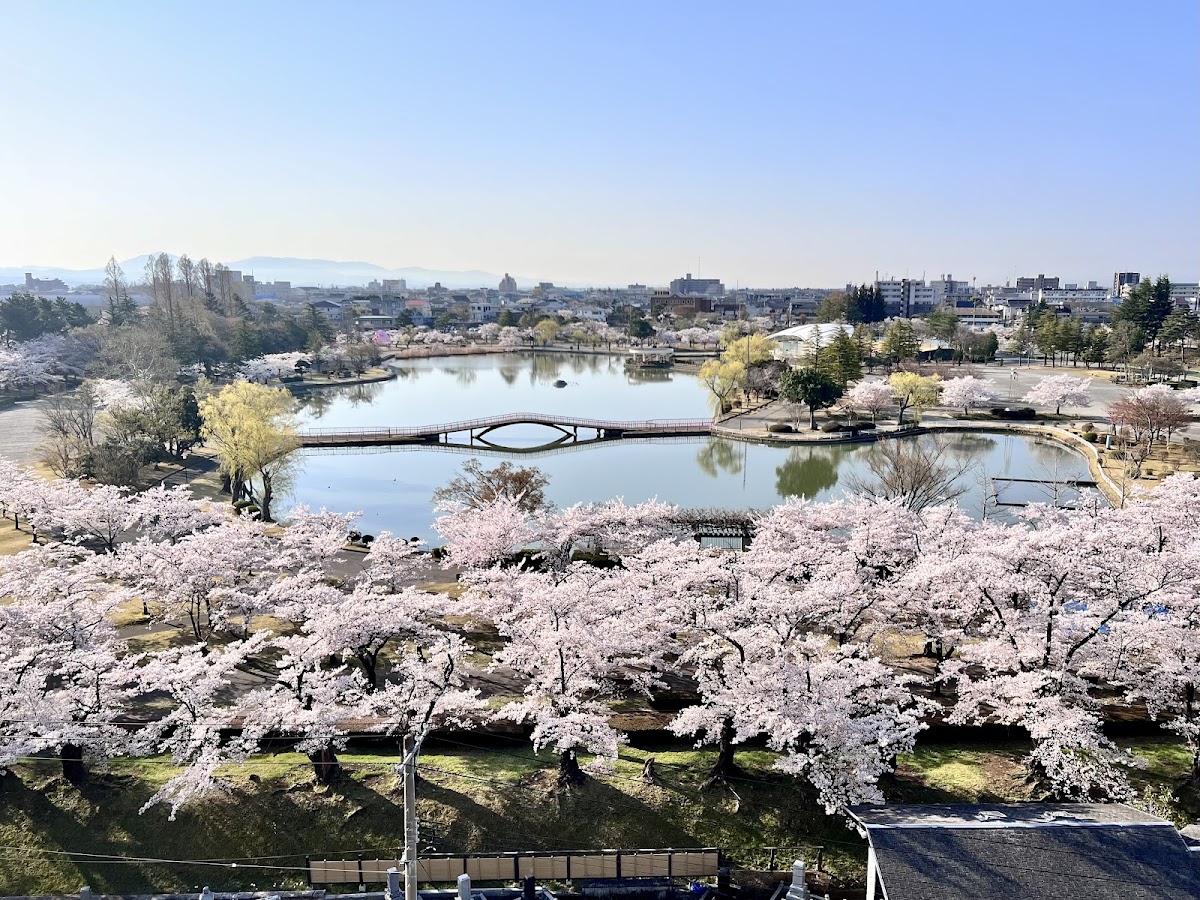
Shiroyama Park, located in the center of Miharu Town, is the site of the former Miharu Castle. Approximately 2,000 cherry trees, mainly Somei-yoshino, are planted here, and the view from this elevated location overlooking the town is spectacular. You can enjoy a different kind of cherry blossom beauty compared to Takizakura.
Sakura Lake (Miharu Dam) Surroundings
The area around Sakura Lake, formed by Miharu Dam, is also a cherry blossom destination. The contrast between the cherry blossoms along the shore and the water surface is beautiful, and there are multiple viewpoints including Miharu no Sato Denengaku Living Hall and Sakura Park. At Outdoor Village Miharu, you can leisurely enjoy cherry blossoms in nature.
Cherry Blossom Spots in Town
Cherry blossoms are also planted near the Historical and Folklore Museum and Cultural Tradition Hall in the center of Miharu Town. You can enjoy cherry blossoms while taking a walk through town, experiencing the charm of “town cherry blossoms” different from Takizakura.
Descendant Trees of Takizakura
Several descendant trees of Takizakura are planted throughout Miharu Town. Though not as large as the parent tree, beautiful weeping cherry blossoms carrying the genes of Takizakura can be seen in various locations.
Points for Tourism and Etiquette
Tips to Avoid Crowds
Weekends during full bloom are particularly crowded. The following time slots tend to be relatively quiet:
- Early Morning (6:00-8:00 AM): The Takizakura illuminated by morning sunlight is also beautiful
- Weekday Mornings: Congestion is eased compared to weekends
- Evening to Night: While immediately after illumination starts is crowded, it tends to calm down after 8:00 PM
Photography Tips
The following spots are recommended for photographing Takizakura:
- Full View from the Front: A classic angle capturing the entire Takizakura
- Composition Looking Up from Below at an Angle: Emphasizes the spread and power of the branches
- Night Illumination: Creates a mystical atmosphere
- Collaboration with Surrounding Rapeseed Flowers: Creates a vibrant spring-like photograph
During congestion, use of tripods may be restricted. Please follow the guidance of site staff and do not forget consideration for other tourists.
Cherry Blossom Viewing Etiquette
To pass Miharu Takizakura on to future generations, please observe the following etiquette:
- Do Not Enter Near Roots or Inside Fences: This causes damage to the tree’s roots
- Do Not Touch Branches: Branches are very delicate
- Always Take Away Trash: Please cooperate in preserving the surrounding environment
- Drone Use Prohibited: Considering the impact on trees and other tourists
- Smoking Only in Designated Areas: For fire prevention
Clothing and Items to Bring
Miharu Town can be cold in the mornings and evenings during the blooming period:
- Warm Clothing: Essential especially for night viewing
- Comfortable Walking Shoes: There is walking from the parking lot
- Rain Gear: Weather can change easily during this season
- Drinking Water: While vending machines are available on-site, they may sell out during crowded times
Nearby Tourist Attractions|Attractions of Miharu Town
Historical and Folklore Museum
A facility where you can learn about the history and culture of Miharu Town. With exhibits of Miharu Clan history and local cultural properties, combined with a visit to Takizakura, you can deepen your understanding of Miharu’s history.
Cultural Tradition Hall
A facility where you can see and experience traditional crafts such as Miharu paper dolls and Miharu horses. By experiencing the traditional culture of Miharu, you can more deeply understand the charm of the region.
Commutan Fukushima
An affectionate name for the Fukushima Prefectural Environmental Creativity Center, an interactive facility where you can learn about radiation and environmental issues. It is characterized by easy-to-understand explanations using the latest display technology and is recommended for families with children.
BRITOMART
A cafe and restaurant located near Sakura Lake. You can enjoy dishes made with local ingredients. During cherry blossom season, special menus may be offered.
Accommodation and Gourmet Information
Accommodation Facilities in Miharu Town
There are several private lodges and inns in Miharu Town. Reservations concentrate during the blooming period, so early booking is essential. You can also choose hotels in Koriyama City as a base.
Local Cuisine
In Miharu Town, you can enjoy the following local dishes:
- Miharu Soba: Flavorful soba made with locally produced soba flour
- Miharu Grumenti: A popular B-class gourmet in the area
- Local Sake: Fukushima Prefecture is a sake production area. Sake from breweries around Miharu is also recommended
During the blooming period, many temporary vendors set up shop, making it easy to enjoy local flavors.
How to Obtain the Latest Information
Official Information Sources
The latest information about Miharu Takizakura can be confirmed at:
- Find! Miharu (Miharu Town Tourism Association): Blooming status, event information, etc.
- Miharu Town Official Website: Observation fees, traffic regulations, shuttle bus operation information
- Weather News Cherry Blossom Channel: Blooming forecast, full bloom forecast
Information Gathering via SNS
The Miharu Town Tourism Association’s official SNS accounts post real-time blooming status and current conditions at the site. It is convenient for checking conditions immediately before your visit.
Conservation Activities for Miharu Takizakura
Management by Tree Doctors
Although Miharu Takizakura has lived for over a thousand years, specialized management is essential for its maintenance. Regular health checkups are conducted by tree doctors, with careful care provided including soil improvement, pest management, and branch pruning.
Passing on to Future Generations
To pass on the genes of Takizakura to future generations, Miharu Town also carries out propagation of descendant trees through cutting and grafting. The descendant trees planted in various locations throughout town play an important role in passing the genes of the parent tree into the future.
Cooperation of Tourists
Paying the observation fee and observing cherry blossom viewing etiquette are important forms of cooperation in passing Takizakura on to future generations. Individual awareness by each person connects this cherry blossom with a thousand-year history to the future.
Miharu Takizakura Through the Four Seasons
Spring (Blooming Period)
The season when the most tourists visit. The full bloom Takizakura is overwhelmingly beautiful. The collaboration with surrounding rapeseed flowers and peach blossoms is also spectacular.
Summer (New Green Period)
Verdant leaves create a vibrant display of vitality. With fewer tourists, you can quietly feel the presence of the giant tree.
Autumn (Autumn Foliage Period)
The leaves color differently, displaying a beauty different from spring. The autumn foliage Takizakura also has charm and is popular with photography enthusiasts.
Winter (Snowy Landscape)
Takizakura covered in snow creates a solemn atmosphere. The bare branches convey the powerful strength that evokes a thousand years of history.
Conclusion|Experience Japan’s Cherry Blossom Culture at Miharu Takizakura
Miharu Takizakura is one of Japan’s most representative cherry blossom destinations with over a thousand years of history. Designated as a National Natural Monument and widely known as one of Japan’s Three Greatest Cherry Blossoms, this giant tree continues to move many people every year.
You can enjoy various experiences including planned visits during the blooming period, tours of nearby cherry blossom spots, and exploration of Miharu Town’s history and culture. By observing cherry blossom viewing etiquette and cooperating in conservation activities, we can pass this valuable natural heritage on to future generations.
Visit Miharu Town in Fukushima Prefecture and confirm with your own eyes the overwhelming beauty and vitality of Takizakura that has continued to bloom across a thousand years. The pale pink waterfall announcing the arrival of spring will surely become an unforgettable memory.