
Omura Park (Nagasaki Prefecture) Cherry Blossoms | Complete Guide to Peak Season and Access for Japan’s Top 100 Cherry Blossom Spots 2026
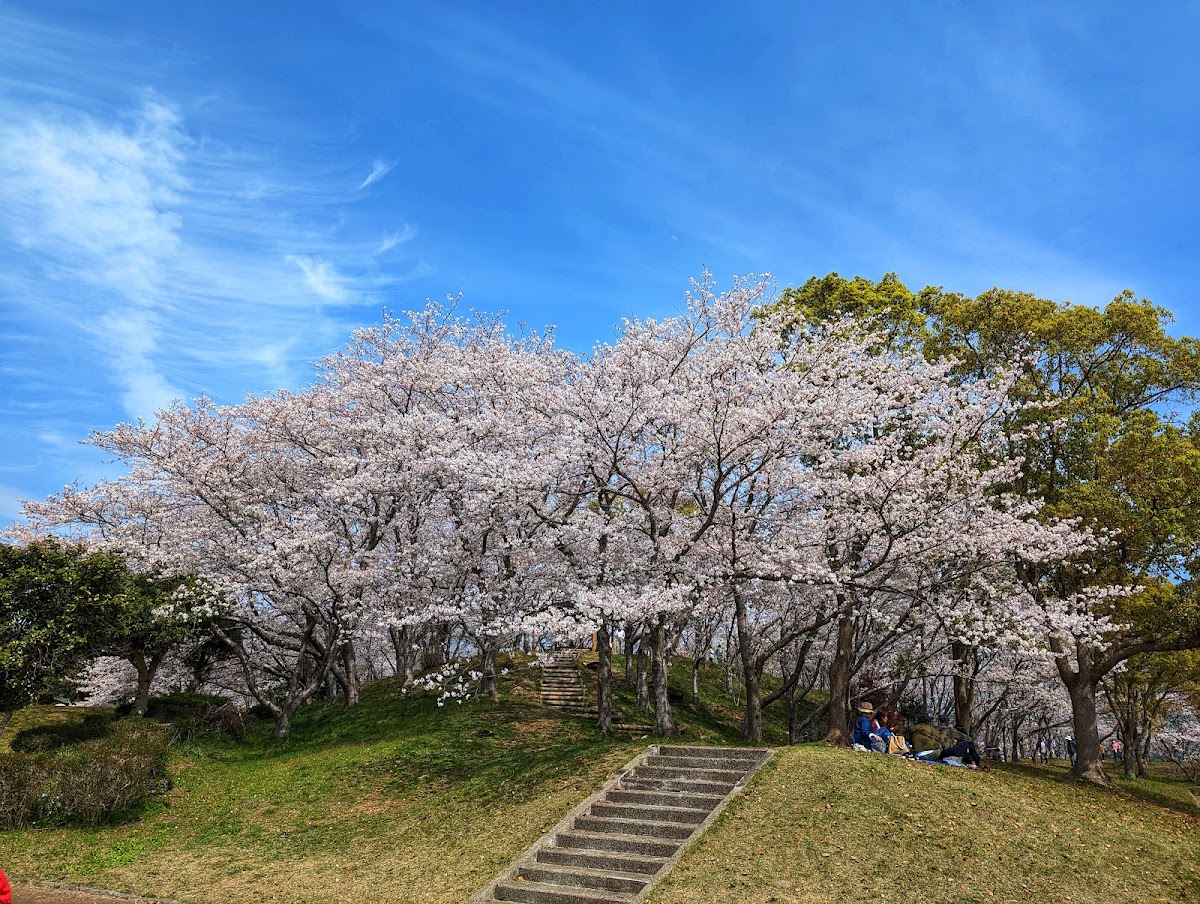
Omura Park, located in Omura City, Nagasaki Prefecture, is a representative cherry blossom viewing destination in Kyushu, selected as one of “Japan’s Top 100 Cherry Blossom Spots” and “Japan’s Top 100 Historical Parks.” Centered around the ruins of Kushima Castle, the former residence of the Omura clan lords, the park is home to over 20 varieties and approximately 2,000 cherry trees in total, including the nationally designated natural monument Omurazakura, Somei Yoshino, double-petaled cherry blossoms, and Kushimazakura, which bloom successively from late March through mid-April, dyeing the entire park area pink.
Why Omura Park’s Cherry Blossoms Are Special
A Designated Site in Japan’s Top 100 Cherry Blossom Spots
Omura Park is recognized as one of the “Japan’s Top 100 Cherry Blossom Spots” selected by the Public Interest Incorporated Foundation Japan Cherry Blossom Association. This designation is based on comprehensive evaluation including the number of trees, diversity of varieties, historical background, and landscape beauty. Omura Park is the only cherry blossom viewing spot in Nagasaki Prefecture to receive this honor.
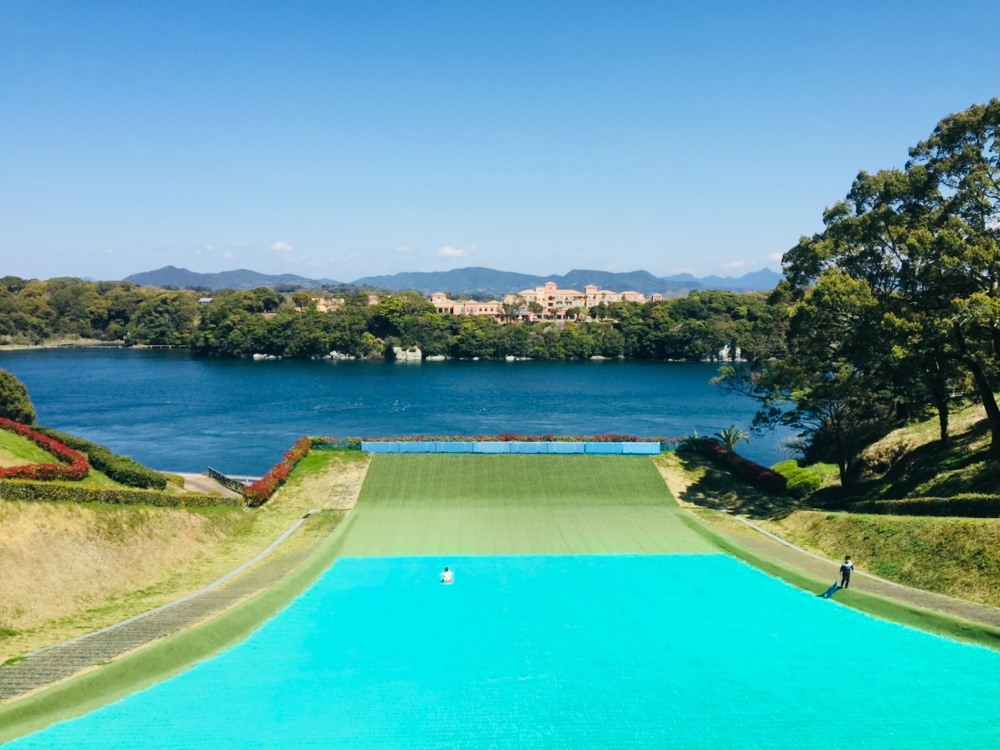
The location on Kushima Cape overlooking Omura Bay is also part of its appeal, and the scenery created by the contrast between the sea and cherry blossoms offers a unique beauty that cannot be experienced at other flower viewing spots.
The Charm of “Omurazakura,” a Nationally Designated Natural Monument
The greatest highlight of Omura Park is “Omurazakura,” which is designated as a nationally designated natural monument. This cherry tree naturally grows within the grounds of Omura Shrine, and its most distinctive characteristic is an extremely rare “two-stage bloom.”
While normal cherry blossoms have 5 sepals, Omurazakura has 10 sepals, and petals number at least 60, with some specimens having as many as 200 petals. The blooming appearance, as if two double-petaled cherry blossoms were overlapping, is extremely elegant and refined, earning it the titles of “the finest among fine cherries” and “a masterpiece of the Satozakura group.”
The bloom time of Omurazakura is slightly later than Somei Yoshino, with the best viewing period from early to mid-April. During this period, one can also enjoy the contrast with the Somei Yoshino that have already turned to leaf.
“Kushimazakura,” a Prefecturally Designated Natural Monument
Omura Park is home to another precious cherry blossom variety. It is “Kushimazakura (Kushima Cherry),” a prefecturally designated natural monument. Like Omurazakura, Kushimazakura naturally grows within Omura Shrine grounds and is known as a rare cherry blossom unique to Omura Park.
Though not as abundantly petaled as Omurazakura, Kushimazakura produces flowers with many petals in pale pink. It has deep historical connections to the Omura clan and was named after the name of Kushima Castle.
Over 20 Varieties of Cherry Blossoms Creating an Extended Viewing Season
The appeal of Omura Park lies not only in a single variety but in the planting of over 20 different cherry blossom varieties. This ensures that throughout the approximately three-week period from late March through mid-April, cherry blossoms are continuously blooming somewhere in the park.
Main Cherry Blossom Varieties and Bloom Times
Somei Yoshino (Late March–Early April)
With the highest number of trees in Omura Park, Somei Yoshino announces the beginning of cherry blossom season. Planted throughout the park, when in full bloom the entire park is enveloped in pale pink. In particular, in the area called Nijubabaor “Double Horse Arena,” a tunnel of cherry blossoms forms, creating an impressive landscape.
Omurazakura (Early–Mid-April)
As mentioned previously, the nationally designated natural monument Omurazakura reaches its peak bloom as Somei Yoshino begins to scatter. A few trees naturally grow within Omura Shrine’s grounds, and many visitors come to see its magnificent blooms.
Yae Zakura (Mid-April)
Double-petaled cherry blossoms mark the finale of the cherry blossom season. Their ornate double-petaled flowers have a different appeal than Somei Yoshino, allowing flower viewing to continue through mid-April.
Kushimazakura (Early–Mid-April)
The prefecturally designated natural monument Kushimazakura blooms at nearly the same time as Omurazakura. It can be viewed in the area around Omura Shrine and is particularly beloved by local residents.
With such variety in cherry blossom types, it is not uncommon for repeat visitors to return multiple times during the season to see varieties they missed on previous visits.
Typical Bloom Times and Flowering Information
Typical Cherry Blossom Bloom and Peak Times
The typical viewing season for Omura Park’s cherry blossoms is from late March through mid-April, though exact timing may vary depending on weather conditions.
Typical peak bloom period for Somei Yoshino:
- Bloom: Late March (around March 25)
- Peak bloom: Early April (around April 1-5)
- Optimal viewing period: Late March–Early April
Typical peak bloom period for Omurazakura:
- Bloom: Early April (around April 5)
- Peak bloom: Mid-April (around April 10-15)
- Optimal viewing period: Early–Mid-April
The latest bloom status and peak viewing information are regularly updated on the Omura City tourism information website and weather information sites, so it is recommended to check before visiting.
Variations Due to Weather Conditions
Cherry blossom bloom timing is greatly influenced by temperatures from February through March. In warm winters, blooming comes early, while in cold years it tends to be delayed. In recent years, due to global warming effects, there is a trend toward earlier blooming, though some years see typical timing.
When planning a visit, it is advisable to check flowering forecast information from around mid-March and prepare to adjust your schedule flexibly.
History and Attractions of Omura Park
History of Kushima Castle Ruins
Omura Park is developed on the site of Kushima Castle, which served as the residence of Omura clan lords from the Warring States period through the Edo period. Kushima Castle was a yamashiro (mountain-flanking) castle built on Kushima Cape jutting out into Omura Bay, utilizing the sea as a natural moat to create a fortified stronghold.
The Omura clan began with the Christian daimyo Omura Sumitada and was ruled by the Omura family throughout the Edo period. After the Meiji Restoration, the castle was abandoned, but was later developed into a park featuring cherry blossoms and irises, taking its present form. Castle structures such as the Itajiki Tower remain within the park, allowing visitors to enjoy both cherry blossoms and historical atmosphere. Its selection as one of “Japan’s Top 100 Historical Parks” reflects this historical value.
Omura Shrine
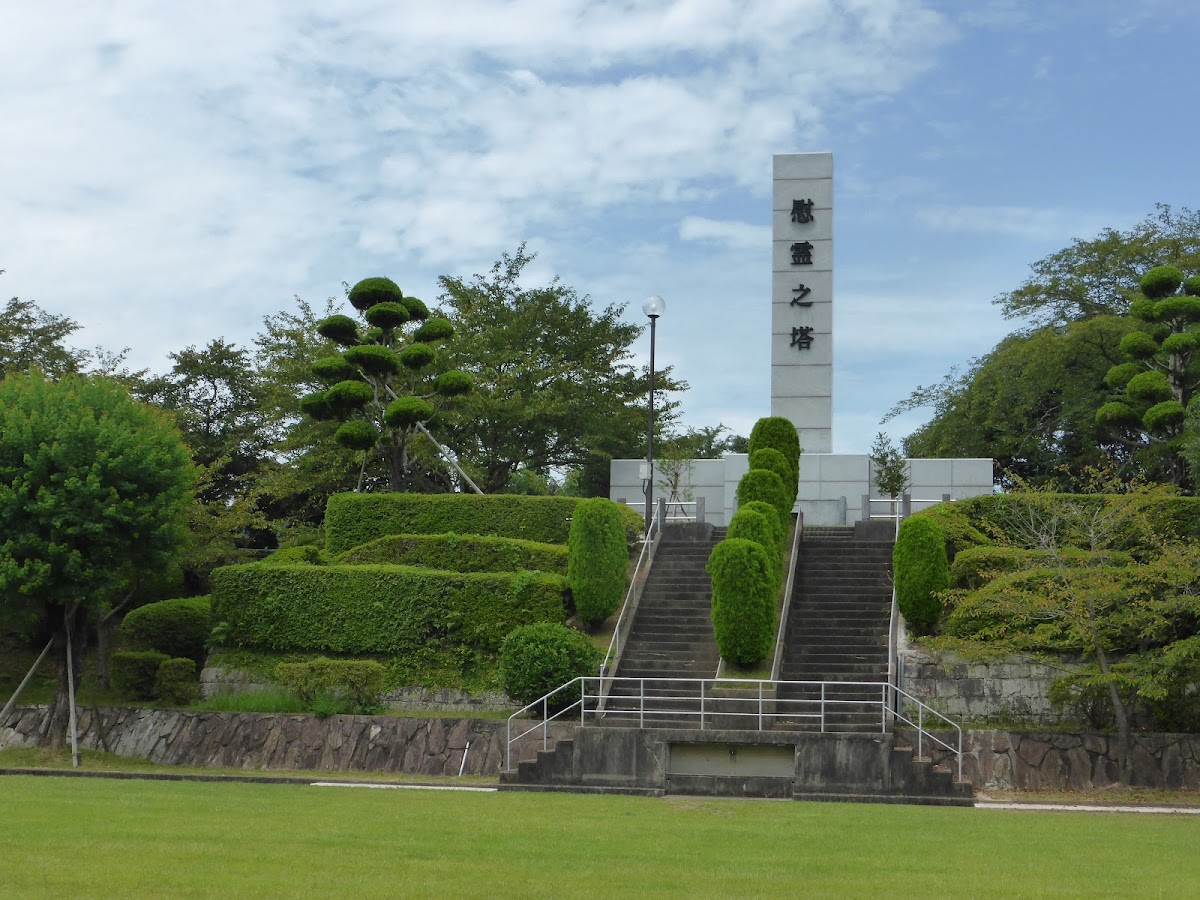
Omura Shrine, which sits within Omura Park, is dedicated to Omura Sumitada, the progenitor of the Omura clan. Within its grounds naturally grow the aforementioned Omurazakura and Kushimazakura, and during cherry blossom season the shrine is thronged with visitors.
The area surrounding the shrine is particularly beautiful with cherry blossoms, creating a space where history and nature harmonize.
Niju Babaor “Double Horse Arena” Cherry Blossom Corridor
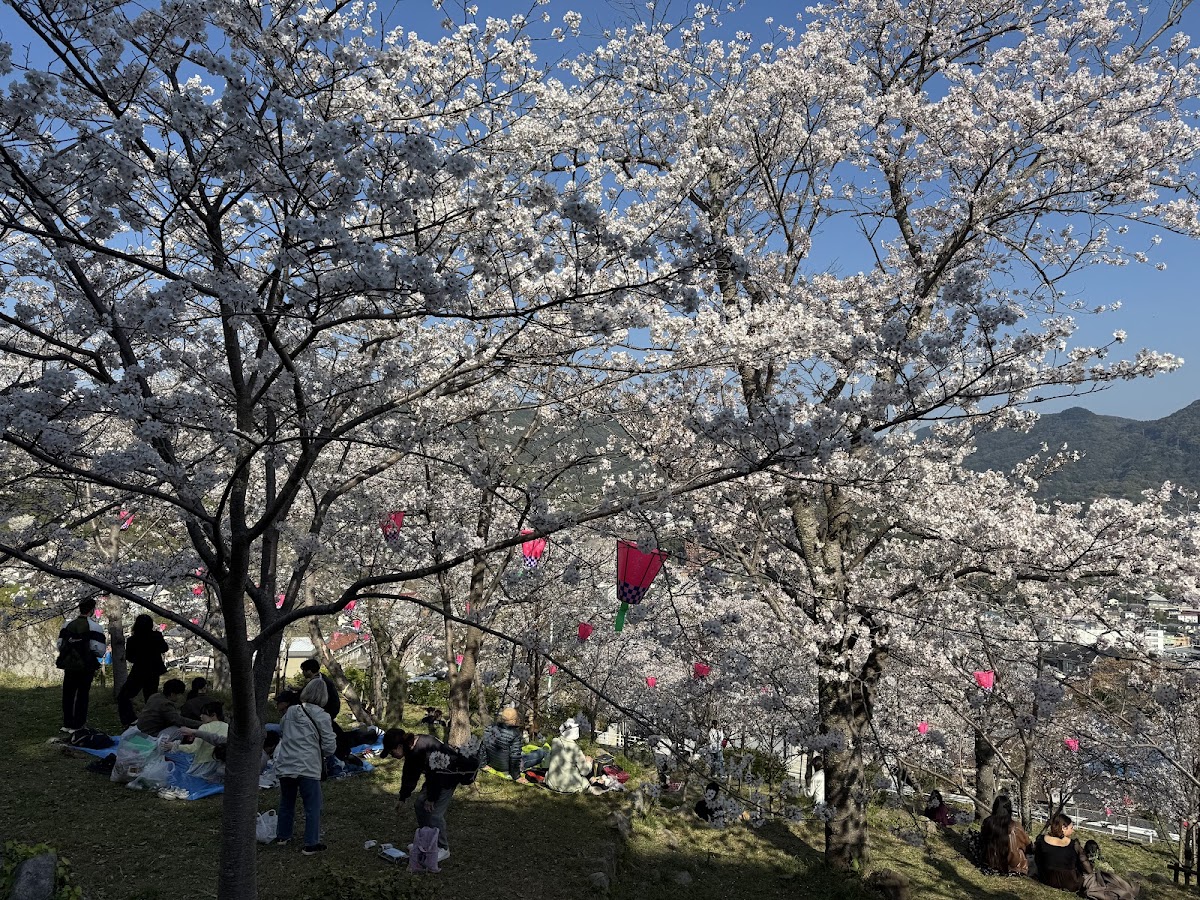
The Niju Babaor “Double Horse Arena” is among the most popular areas in Omura Park. This area features a cherry blossom lined pathway, and when in full bloom forms a cherry blossom tunnel. The blossoms spreading from both sides and arching overhead create a truly magnificent landscape.
Many flower viewers spread out picnic mats in this area and enjoy meals while gazing at the cherry blossoms.
Views of Omura Bay
Omura Park faces Omura Bay, and from the elevated areas within the park one can enjoy panoramic views of the beautiful bay. The contrast between the sea and cherry blossoms offers unique appeal not found at inland cherry blossom viewing spots, and is popular as a photography location.
Particularly at dusk, the silhouettes of cherry blossoms against the sunset over Omura Bay create a fantastical landscape.
Cherry Blossom Festival and Lighting Information
Omura Flower Festival
Coinciding with the cherry blossom bloom period, “Omura Flower Festival” is held in Omura Park. Various events are held during the period, with food stalls serving local cuisine and other offerings.
Typical Festival Period: Late March–Mid-April (varies according to blooming conditions)
Event Content: Stage events, product exhibitions, food booths, local performance presentations, and more
Detailed schedules and event information are recommended to be checked in advance on Omura City’s official tourism website.
Night Cherry Blossom Illumination
During the flower festival period, nighttime illumination of the cherry blossoms is conducted in Omura Park. Illuminated cherry blossoms create an entirely different fantastical atmosphere compared to daytime, enchanting many visitors.
Typical Illumination Hours: Around 18:00–22:00 (from after sunset)
Illumination Period: During the flower festival period
The illumination during peak Somei Yoshino bloom is particularly spectacular, enveloping the entire park in a fantastical pink glow. Main areas including the Niju Babaor “Double Horse Arena” cherry corridor and Omurazakura around Omura Shrine are illuminated.
When viewing night cherry blossoms, temperatures can drop more than during daytime, so bringing a jacket is recommended.
Access and Parking Information
Basic Information
Address: 1-chome Kushima, Omura City, Nagasaki Prefecture 43 Banchi
Admission: Free
Open: Always open (also accessible during nighttime during illumination periods)
Inquiry: Omura City Tourism Promotion Division TEL: 0957-53-4111
Access via Public Transportation
By JR:
- Get off at “Omura Station” on the JR Omura Line, approximately 15 minutes walk
- Or from Omura Station bus stop, board Nagasaki Prefecture-run bus toward “City Hall Bus Stop,” get off at “City Hall Bus Stop,” approximately 5 minutes walk
From Nagasaki Airport:
- Approximately 15 minutes by car
- By airport limousine bus to “Omura Station,” approximately 15 minutes walk
From Nagasaki City Center:
- Approximately 30 minutes by JR Omura Line from JR Nagasaki Station to “Omura Station”
- Approximately 1 hour by Nagasaki Prefecture-run bus to “City Hall Bus Stop”
Car Access and Parking
Car Access:
- Approximately 15 minutes from “Omura IC” on Nagasaki Expressway
- Approximately 40 minutes from Nagasaki City via Route 34
Parking Information:
Omura Park has free parking, but experiences heavy congestion during the flower festival period.
- Omura Park Parking Lot: Approximately 150 spaces (free)
- Surrounding temporary parking lots: May open during the flower festival period
Parking Lot Congestion:
On weekends and peak bloom period weekends, parking lots may reach capacity early in the morning. Particularly heavy congestion is expected during:
- Weekdays: Around 10:00–15:00
- Weekends and holidays: Around 9:00–17:00
To avoid congestion, visiting on weekdays or during early morning or late afternoon hours is recommended. Considering public transportation is also advisable.
Flower Viewing Spots Around Omura Park
Visiting accompanying viewing spots around Omura Park while there can provide a more enriching cherry blossom experience.
Uramimi Falls Natural Flower Garden
Uramimi Falls Natural Flower Garden within Omura City is a rare spot where you can enjoy both waterfalls and cherry blossoms simultaneously. Located approximately 20 minutes by car from Omura Park, it offers cherry blossom viewing in a nature-rich environment.
Notake Lake Park
Located in the southern part of Omura City, Notake Lake Park is also known as a cherry blossom spot. The cherry blossoms lining the lakeside, with their reflections in the water, are beautiful and offer a different appeal than Omura Park. It is approximately 15 minutes by car from Omura Park.
Other Cherry Blossom Spots in Nagasaki Prefecture
Saikaibashi Park (Sasebo City/Saikai City):
Saikaibashi Park, ranking high among Nagasaki Prefecture’s cherry blossom viewing spots, is approximately 40 minutes by car from Omura Park. The contrast between cherry blossoms and tidal whirlpools viewed from Saikaibashi Bridge is magnificent.
Tachibana Park (Unzen City):
Tachibana Park in Unzen City is also among the prefecture’s premier cherry blossom spots. Located approximately 1 hour by car from Omura Park, day trips are possible.
Iris Flowers at Omura Park
Omura Park is known not only for cherry blossoms but also as a spot for viewing irises. From late May through early June, after the cherry blossom season concludes, approximately 300,000 irises bloom in profusion.
The “Omura Flower Festival” is also held during the iris season, offering verdant scenery different from that of cherry blossoms. Visiting during both cherry blossom and iris seasons allows one to appreciate Omura Park’s charms more deeply.
Tips for Enjoying Flower Viewing
Recommended Times
Early Morning (7:00–9:00):
Few people, allowing quiet cherry blossom enjoyment. Cherry blossoms lit by morning sun are beautiful and ideal for photography. Parking lots are also relatively vacant.
Daytime (10:00–15:00):
The most crowded time period, but ideal for enjoying flower festival events and food stalls. Well-suited for family and group flower viewing.
Evening (16:00–18:00):
Beautiful time for sunset and cherry blossom contrast. Congestion also decreases, allowing relaxed cherry blossom enjoyment.
Nighttime (18:00–22:00):
During illumination periods, fantastical night cherry blossoms can be enjoyed. Offering entirely different atmosphere from daytime, recommended for couple visits.
Convenient Items to Bring
- Picnic blanket: Necessary for leisurely park-based flower viewing on grass
- Jacket: Particularly important for night cherry blossom viewing due to cool temperatures
- Camera: For recording beautiful cherry blossom scenery
- Beverages and light snacks: While available at stalls in the park, bringing your own is convenient
- Insect repellent: Insects emerge in early spring
- Garbage bag: Always bring trash with you or dispose in designated receptacles
Etiquette and Precautions
- Do not break cherry blossom branches or climb trees
- Always take trash with you or dispose in designated receptacles
- Limit space claims to necessary minimum, keeping other visitors’ comfort in mind
- Open flames are prohibited
- If accompanying pets, use leashes and remove excrement
- Refrain from loud music playback and other actions disturbing other visitors
Recommended Photography Spots
Niju Babaor “Double Horse Arena” Cherry Blossom Tunnel
The cherry blossom lined tunnel created by double-row plantings is Omura Park’s most popular photography spot. When in full bloom, blossoms from both sides arch overhead, allowing photos as if walking through a cherry blossom tunnel.
Omura Shrine and Omurazakura
The combination of historic shrine and the nationally designated natural monument Omurazakura is a subject unique to Omura Park. Capturing the profusely blooming Omurazakura and shrine buildings together creates an impressive photograph.
Cherry Blossoms Backed by Omura Bay
Photographing cherry blossoms from elevated park areas with Omura Bay as backdrop creates beautiful photos with sea-cherry contrast. Particularly at dusk, the silhouettes of sunset and cherry blossoms create a fantastical atmosphere.
Itajiki Tower and Cherry Blossoms
Combining Itajiki Tower, a Kushima Castle ruin, with cherry blossoms creates photographs balancing history and nature. The scenery of castle architecture combined with cherry blossoms, quintessentially Japanese, becomes an Instagram-worthy image.
Surrounding Tourist Attractions
Omura City Historical Museum
The Omura City Historical Museum, adjacent to Omura Park, displays exhibits related to the Omura clan’s history and Christian daimyo Omura Sumitada. Visiting after enjoying cherry blossoms allows deeper understanding of Omura’s history.
Mirai-on Library
“Mirai-on Library,” Omura City’s public library that opened in 2019, features distinctive modern architectural design. Located within walking distance of Omura Park, it can also serve as a rest spot.
Nagasaki Airport
Nagasaki Airport, located within Omura City, is known as a sea-based airport. The airport has an observation deck where aircraft takeoffs and landings can be viewed up close. It is approximately 15 minutes by car from Omura Park.
Summary
Omura Park in Omura City, Nagasaki Prefecture, is a cherry blossom viewing destination representing Kyushu, selected as one of “Japan’s Top 100 Cherry Blossom Spots” and “Japan’s Top 100 Historical Parks.” Over 20 varieties and approximately 2,000 cherry trees total, including the nationally designated natural monument Omurazakura, Somei Yoshino, double-petaled cherry blossoms, and Kushimazakura, bloom successively from late March through mid-April, allowing flower viewing over an extended period.
The historical background as the site of Kushima Castle, former residence of Omura clan lords, and the beautiful location overlooking Omura Bay create unique appeal not found at other flower viewing spots. The flower festival period’s illuminations and various events are comprehensive, making it enjoyable both day and night. Being close to Nagasaki Airport with excellent access, it is ideal to visit as part of Nagasaki sightseeing.
When visiting Nagasaki in spring, be sure to experience Omura Park’s cherry blossoms.
Frequently Asked Questions
Q1: When is the best time to view cherry blossoms at Omura Park?
A1: The typical cherry blossom viewing season at Omura Park is from late March through mid-April. Somei Yoshino is best viewed from late March through early April, while the nationally designated natural monument Omurazakura is best from early to mid-April. With over 20 cherry blossom varieties blooming sequentially, flower viewing can be enjoyed across approximately three weeks.
Q2: Are Omura Park’s parking lots free? How crowded do they get?
A2: Yes, Omura Park’s parking lots are free. Approximately 150 parking spaces are available, but the flower festival period, particularly peak bloom weekends and holidays, experiences heavy congestion. Especially on weekend and holiday afternoons from 9:00–17:00, lots frequently reach capacity. Early morning visits or use of public transportation are recommended.
Q3: Is nighttime cherry blossom illumination provided?
A3: Yes, nighttime illumination of cherry blossoms is conducted during the flower festival period. Typically illuminated from around 18:00–22:00, allowing enjoyment of nighttime cherry blossoms distinctly different from daytime views. Main areas including the Niju Babaor “Double Horse Arena” cherry corridor and Omurazakura around Omura Shrine are illuminated.
Q4: What kind of cherry tree is Omurazakura?
A4: Omurazakura is a nationally designated natural monument cherry blossom variety featuring rare “two-stage bloom” characteristics. While normal cherry blossoms have 5 sepals, Omurazakura has 10, and petals number from 60 to as many as 200 for some specimens. With its appearance of overlapping double-petaled cherry blossoms, it is called “the finest among fine cherries.”
Q5: How can I access Omura Park?
A5: From JR Omura Line’s “Omura Station,” approximately 15 minutes walk, or from Omura Station bus stop via Nagasaki Prefecture-run bus to “City Hall Bus Stop,” approximately 5 minutes walk. By car, approximately 15 minutes from “Omura IC” on Nagasaki Expressway or approximately 15 minutes from Nagasaki Airport. Address: 1-chome Kushima, Omura City, Nagasaki Prefecture 43 Banchi.
Q6: Can I enjoy flowers other than cherry blossoms at Omura Park?
A6: Yes, Omura Park is also known as an iris viewing spot. From late May through early June, approximately 300,000 irises bloom profusely, with the “Omura Flower Festival” also held during this period. Visiting during both cherry blossom and iris seasons allows deeper appreciation of Omura Park’s charms.
Q7: Are there recommended tourist attractions around Omura Park?
A7: The Omura City Historical Museum, adjacent to Omura Park, showcases Omura clan history. The 2019-opened Mirai-on Library, within walking distance, features distinctive modern architecture. Further afield are other flower viewing spots including Uramimi Falls Natural Flower Garden and Notake Lake Park.
Q8: Can I bring pets to the park?
A8: Pet admission is allowed, but pets must be on leash and owners must manage waste responsibly. Always consider other visitors and observe proper etiquette. Particular caution is necessary during crowded periods.