Shimizu Park (Nagasaki Prefecture) Cherry Blossoms | Peak Season, Access, and Complete Surrounding Sightseeing Guide 2026
Shimizu Park (Miyama City, Nagasaki Prefecture) Overview
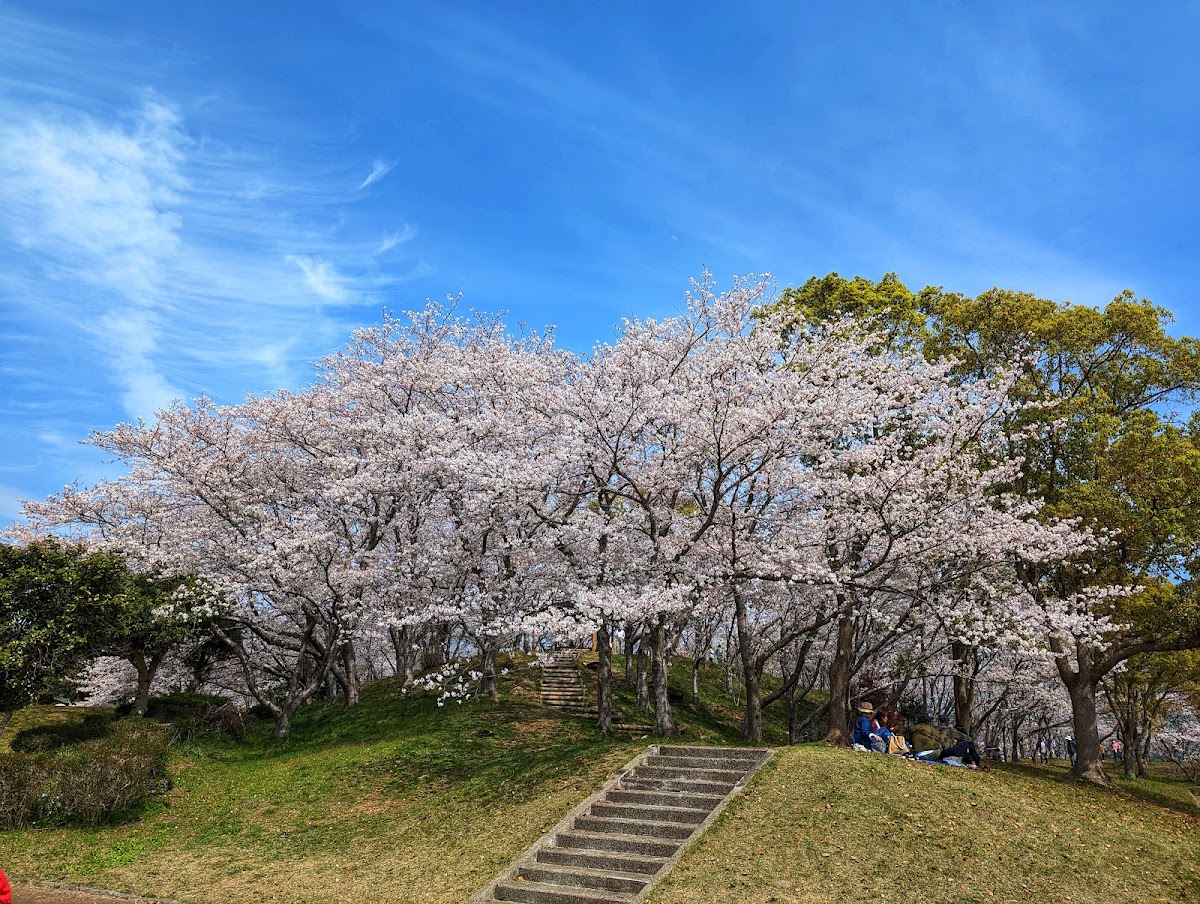
Shimizu Park in Miyama City, Nagasaki Prefecture, located on the mid-slope of Shimizu Mountain, is one of Kyushu’s most renowned cherry blossom viewing spots. With approximately 1,900 cherry trees adorning the grounds, the entire mountain turns pink in early April each year, creating a breathtaking spectacle.
The park’s greatest characteristic is its harmonious blend with Kiyomizu Temple’s three-story pagoda, acclaimed as one of Kyushu’s finest. The landscape created by historic temple architecture and cherry blossoms evokes the atmosphere of Kyoto, captivating countless flower viewing enthusiasts. Additionally, the park offers views of Ariake Bay and Mount Unzen, providing a spectacular experience unique among cherry blossom viewing locations—one that unfolds beneath blooming cherry trees.
Walking paths are well-maintained throughout the park, allowing visitors to leisurely stroll while admiring cherry blossoms on the mountainside. The cherry trees spreading their branches naturally in this setting provide a healing space that soothes visitors’ hearts.
History and Origin of Shimizu Park
Shimizu Mountain, where the park is located, has long been cherished by local residents as a place of faith. Kiyomizu Temple, known as an ancient temple of the Tendai sect, traces its origins back to the Heian period. The area’s development as a park is relatively recent, advancing to establish it as a local cherry blossom viewing destination and community gathering place.
Today, the landscape harmonizing Kiyomizu Temple’s cultural heritage with cherry blossoms is highly valued, making it known nationwide as one of Fukuoka Prefecture’s representative cherry blossom viewing spots.
Cherry Blossom Peak Season and Bloom Information
Typical Bloom and Peak Season Schedule
Shimizu Park’s cherry blossoms typically follow this schedule for blooming and peak season:
- Bloom period: Late March
- Peak season: Early April
- Best viewing period: Early to mid-April
Miyama City’s relatively warm climate aligns with the standard bloom timing for Kyushu’s northern region. However, as bloom times vary by year due to temperature fluctuations, checking the latest bloom information before your visit is recommended.
2026 Bloom Forecast
If 2026 follows typical patterns, the park is expected to reach peak bloom from late March through early April. While recent years show warming trends accelerating bloom times, Fukuoka Prefecture’s southern region where Shimizu Park is located maintains relatively stable bloom patterns.
Latest bloom information can be confirmed through Miyama City’s official tourism website or the Japan Meteorological Agency’s cherry blossom forecast. Especially for visitors traveling from afar, checking multiple information sources before departure is recommended.
Cherry Blossom Varieties and Numbers
Shimizu Park features approximately 1,900 cherry trees. The primary variety is Somei Yoshino, though multiple cherry blossom types are planted throughout, offering different expressions depending on the season.
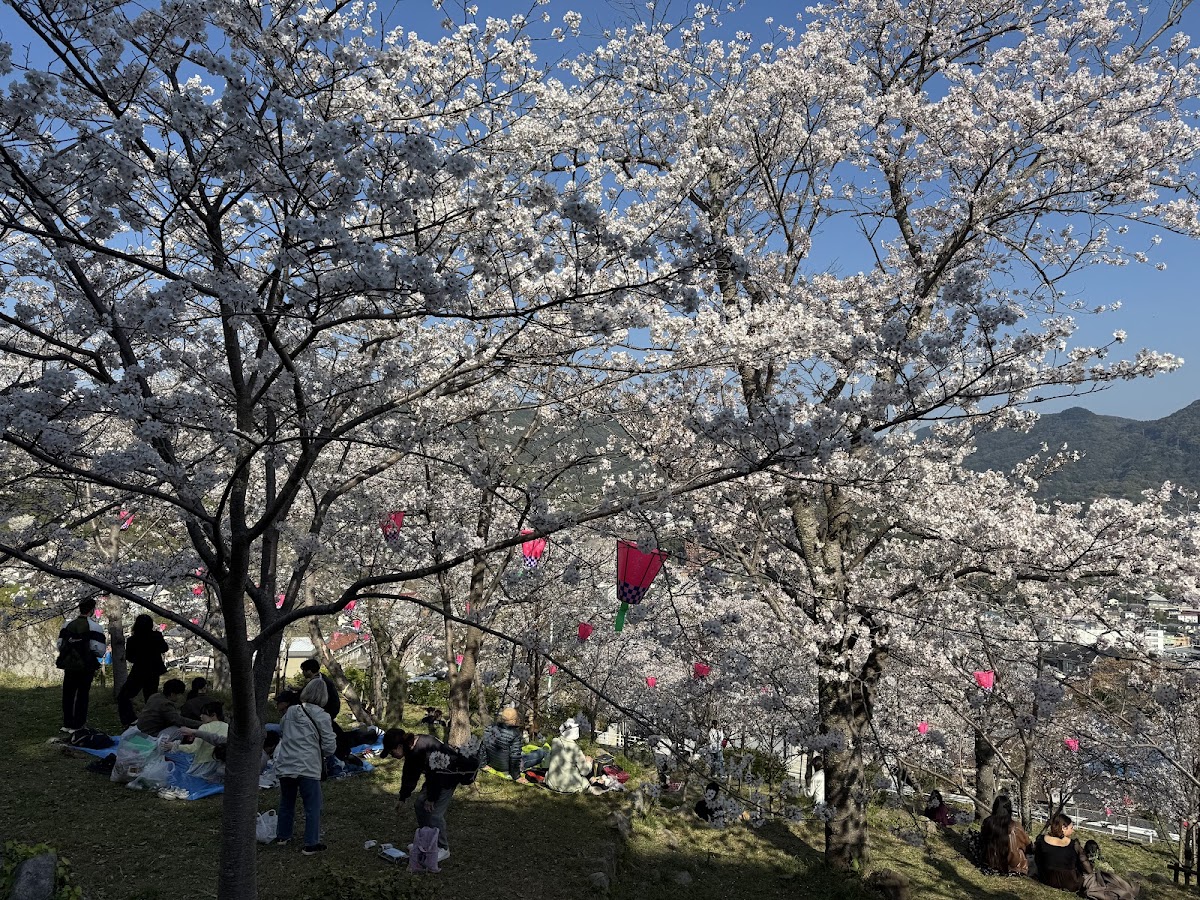
Cherry blossoms covering the mountainside create an all-encompassing pink hue when in full bloom. Trees along the walking paths are positioned to allow close observation while strolling, providing visitors with a tunnel-like cherry blossom experience.
Highlights of Shimizu Park
Competition Between Kiyomizu Temple’s Three-Story Pagoda and Cherry Blossoms
Shimizu Park’s greatest highlight is the spectacular interplay between Kiyomizu Temple’s three-story pagoda, acclaimed as Kyushu’s finest, and blooming cherry blossoms. The historic vermillion-lacquered pagoda set against blooming cherry blossoms offers painterly beauty.
The three-story pagoda, believed to have been built during the Muromachi period, is designated as a Fukuoka Prefecture important cultural property. During cherry blossom season, the pagoda’s vermillion and the blossoms’ pink harmonize beautifully, evoking the atmosphere of Kyoto’s ancient temples.
Recommended shooting spots include a position viewing the pagoda from directly below and elevated locations where the pagoda and cherry blossoms appear in one view. Lighting conditions change with time of day, allowing enjoyment of the soft morning light and warm evening glow, each offering distinct expressions.
Spectacular Views of Ariake Bay and Mount Unzen
As Shimizu Park is located on Shimizu Mountain’s mid-slope, viewing points within the grounds offer vistas of Ariake Bay and Mount Unzen. The blue of the sea and sky spreading beyond the cherry blossoms, with distant Mount Unzen shrouded in haze, presents a distinctive landscape unavailable at other cherry blossom viewing locations.
On clear days, the Shimabara Peninsula in Nagasaki Prefecture becomes distinctly visible beyond Ariake Bay, offering a grand panorama where cherry blossoms, sea, and mountains converge. This spectacular view is popular among photography enthusiasts, attracting many photographers.
Honbō Garden and Five Hundred Arhat Statues
Adjacent to Shimizu Park, Kiyomizu Temple features the Honbō Garden, attributed to master gardener Sesshū. This Muromachi-era garden, condensing period aesthetics, gains additional elegance during cherry blossom season.
The Five Hundred Arhat Statues, representing Buddha’s 500 disciples, constitute another major attraction. The sight of stone Buddhist figures, each with distinct expressions, standing in rows is remarkable, with arhat statues quietly remaining as cherry petals fall, deeply moving visitors.
Peony Garden
Shimizu Park includes a peony garden that reaches peak bloom after cherry blossom season ends. From late April through early May, colorful peonies flourish, offering a different splendor compared to cherry blossoms.
Some years see overlapping bloom periods, allowing the luxurious experience of enjoying both flowers simultaneously.
Cherry Blossom Festival and Event Information
Shimizu Park Cherry Blossom Festival
Shimizu Park hosts local events timed with peak cherry blossom season. Miyama City Tourism Association and local organizations coordinate various festivities welcoming flower viewers.
Past events have featured local specialty sales and traditional performing arts demonstrations, providing valuable opportunities to experience regional culture alongside cherry blossom viewing.
For 2026 specific event details, refer to Miyama City’s official tourism website for regularly updated information.
Night Cherry Blossoms and Illumination Information
Shimizu Park occasionally features nighttime illumination of cherry blossoms depending on the year. The fantastical landscape of the illuminated three-story pagoda and cherry blossoms radiates charm distinctly different from daytime.
As illumination implementation may change annually, confirming with Miyama City Tourism Association or Kiyomizu Temple before visiting is advisable. For nighttime visits, bringing flashlights is essential due to darkness.
Access Information
Automobile Access
For automobile access to Shimizu Park, the following routes are convenient:
From Kyushu Expressway
- Approximately 20 minutes from Miyama-Yanagawa IC
- Approximately 30 minutes from Yame IC
From Fukuoka City
- Approximately 1 hour 30 minutes via National Route 3
From Nagasaki Direction
- Approximately 1 hour via National Route 444
Using car navigation, searching “Kiyomizu Temple” or “Miyama City Shimizu Park” will direct you to your destination.
Parking Information
Multiple parking areas are available around Shimizu Park:
- Kiyomizu Temple Parking: Free, accommodates approximately 100 vehicles
- Temporary Parking: Additional temporary parking may open during peak cherry blossom season
Peak season, especially weekends and holidays, experiences parking congestion. Early morning arrival or weekday visits are recommended. If full, consider using nearby parking or returning at a different time.
Public Transportation Access
Public transportation options include:
Using JR
- Get off at Seiichō Station on the JR Kagoshima Main Line
- Approximately 15 minutes by taxi from Seiichō Station
- Or approximately 10 minutes walking from “Shimizu-yama” bus stop via Nishi-Tetsu Bus
Using Nishi-Tetsu Streetcar
- Get off at Yanagawa Station on the Nishi-Tetsu Tenjin-Omuta Line
- Approximately 20 minutes by taxi from Yanagawa Station
Bus frequencies are limited, so confirming schedules in advance and planning accordingly is recommended. When using taxis, remember to arrange return transportation.
Cherry Blossom Viewing Tips and Etiquette
Recommended Time Periods
Cherry blossom viewing at Shimizu Park offers different charms depending on time of day.
Morning (8:00-10:00)
- Few crowds, allowing leisurely strolling
- Cherry blossoms beautifully illuminated by morning sunlight
- Parking relatively available
Daytime (10:00-15:00)
- Most crowded period for flower viewing
- Beautiful contrast between blue sky and cherry blossoms
- Local food stalls also available
Evening (15:00-17:00)
- Cherry blossoms illuminated by sunset appear fantastical
- Crowds begin dispersing
- Sunset over Ariake Bay competes beautifully with cherry blossoms
Flower Viewing Etiquette
Shimizu Park is a location where regional cultural heritage and nature coexist. Observe the following etiquette for enjoyable cherry blossom viewing:
- Take all trash with you: Limited trash receptacles available; take your waste
- Don’t break cherry blossom branches: Preserve the trees for future generations
- Don’t touch pagodas or cultural properties: Respect no-entry zones protecting valuable heritage
- Maintain quiet voices: The park adjoins a temple; enjoy viewing quietly
- Smoke only in designated areas: Take fire precautions seriously
- Leash pets: Remove pet waste if bringing animals
Useful Items to Bring
- Leisure sheet: Convenient for resting on grassy areas
- Beverages: Vending machines available but may sell out during peak times
- Hat and sunscreen: Essential on sunny days
- Comfortable walking shoes: Sneakers recommended for mountainside strolling
- Camera/smartphone: For recording spectacular views
- Jacket: Mountains are cooler than lowlands
Surrounding Attractions
Kiyomizu Temple
Kiyomizu Temple, adjacent to Shimizu Park, boasts over 1,200 years of history as a Tendai sect temple. Beyond Kyushu’s finest three-story pagoda, the temple features the Honbō garden and Five Hundred Arhat Statues offering numerous attractions.
Beyond cherry blossom season, visitors enjoy seasonal beauty from fresh greenery to autumn foliage. At approximately 300 yen for adults, visiting alongside cherry blossom viewing is worthwhile.
Yanagawa River Boat Tours
Approximately 30 minutes by car from Shimizu Park, Yanagawa City offers the famous river boat tours. Experiencing water town Yanagawa from a traditional boat constitutes one of Fukuoka Prefecture’s representative tourist activities.
River-side cherry blossoms peak during blossom season, making views from water particularly special. Combining Shimizu Park flower viewing with river tours makes an excellent day-long plan.
Tachibana Family Historical Museum
This museum, housed in the grounds of Tachibana feudal lord’s residence at Yanagawa Castle ruins, preserves the Tachibana family history. The daimyo garden “Shōtōen” is magnificent, with garden cherry blossoms viewable during blossom season.
History enthusiasts particularly appreciate this spot, located approximately 25 minutes by car from Shimizu Park.
Michi-no-Eki (Rest Area) Miyama
This rest area features Miyama products, approximately 15 minutes by car from Shimizu Park. Fresh local vegetables, fruits, and processed goods are available, with restaurants serving local-ingredient cuisine.
Ideal for souvenirs on your flower-viewing return trip.
Surrounding Cuisine Information
Miyama Regional Dishes
Miyama’s surrounding area features cuisine utilizing Ariake Bay’s fresh seafood. Ariake Bay seaweed is nationally renowned, with local restaurants offering various seaweed-based dishes.
Yanagawa Specialty: Eel Steamed in Bamboo
Approximately 30 minutes by car, Yanagawa City is famous for eel steamed in bamboo baskets—a regional specialty featuring eel grilled in sauce and eggs over rice, steamed in bamboo. This regional cuisine is ideal post-flower-viewing dining.
Yanagawa has numerous traditional eel restaurants, each preserving established flavors.
Local Cafés and Restaurants
Several cafés and restaurants using local ingredients operate near Shimizu Park. Peak season may mean reservations are necessary for comfort.
Particularly popular are lunch featuring local vegetables and cafés with handmade sweets, perfect for flower-viewing breaks.
Accommodation Information
Nearby Lodging Facilities
For accommodations near Shimizu Park, the following areas are convenient:
Yanagawa City Hotels and Inns
- Approximately 30 minutes by car from Shimizu Park
- Enjoy additional activities like river tours
- Abundant options from hot spring inns to business hotels
Ōmuta City Hotels
- Approximately 20 minutes by car from Shimizu Park
- Primarily business hotels at reasonable prices
- Many dining options near stations
Kurume City Hotels
- Approximately 40 minutes by car from Shimizu Park
- Wide range from large hotels to hot spring inns
- Good access to other attractions
Peak season creates accommodation congestion; early reservations are recommended.
Photography Spots and Photogenic Points
Cherry Blossoms with Three-Story Pagoda Background
Shimizu Park’s most popular photography location features cherry blossoms with the three-story pagoda as backdrop. The vermillion pagoda and pink blossom contrast is beautiful, remaining popular on social media like Instagram.
Photography Tips
- Morning soft light is recommended
- Shooting from slightly below with upward angle adds drama
- Including cherry branches in foreground adds depth
Cherry Blossom Tunnel
The cherry blossom tunnel formed by trees along walking paths offers excellent photography opportunities. Early mornings or weekdays with fewer crowds are ideal; including people walking through enhances the photo’s impact.
Vantage Point Views
Photographing from vantage points overlooking Ariake Bay and Mount Unzen is also recommended. Vistas of sea and mountains spreading beyond cherry blossoms represent scenery unique to Shimizu Park.
Photography Tips
- Afternoon on clear days offers optimal visibility
- Telephoto lenses distinctly capture distant mountains
- Arranging cherry branches as a frame enhances composition
Frequently Asked Questions
Is there an entrance fee?
Shimizu Park entrance is free. However, certain Kiyomizu Temple facilities like the Honbō garden may require admission fees.
Can pets accompany visitors?
Pets may enter leashed, respecting other visitors. However, temple building interiors typically prohibit pets.
Is wheelchair access available?
The park’s mountainside location includes steep sections. While wheelchair strolling is possible, assistant accompaniment is recommended. Flat walking paths exist, so advance confirmation is helpful.
Is flower viewing possible during rain?
Rainy-day viewing is possible, though mountainside paths become slippery requiring caution. Rain-soaked blossoms possess distinct charm, but camera equipment requires proper waterproofing.
Can other flowers besides cherry blossoms be enjoyed?
Following cherry blossoms, peonies reach peak bloom. Various seasonal flowers are planted throughout, allowing year-round nature appreciation.
Summary
Shimizu Park in Miyama City, Nagasaki Prefecture, showcasing approximately 1,900 cherry trees and spectacular scenery with Kyushu’s finest three-story pagoda, ranks among Kyushu’s premier cherry blossom destinations. Beyond cherry blossoms, abundant attractions including vistas of Ariake Bay and Mount Unzen, the Honbō garden attributed to Sesshū, and Five Hundred Arhat Statues provide full-day leisurely enjoyment.
Typically peaking in early April, weekends and holidays experience congestion; weekday or early morning visits are recommended. Combined with Yanagawa’s river tours and eel steamed in bamboo, fully experience Fukuoka Prefecture’s southern spring charm.
Visit Shimizu Park during the 2026 cherry blossom season to experience this special flower-viewing occasion harmonizing history and nature.