Kyuka Park (Kuwana City, Mie Prefecture) Cherry Blossoms | Complete Guide to Bloom Timing, Flowering Information, and Access 2026
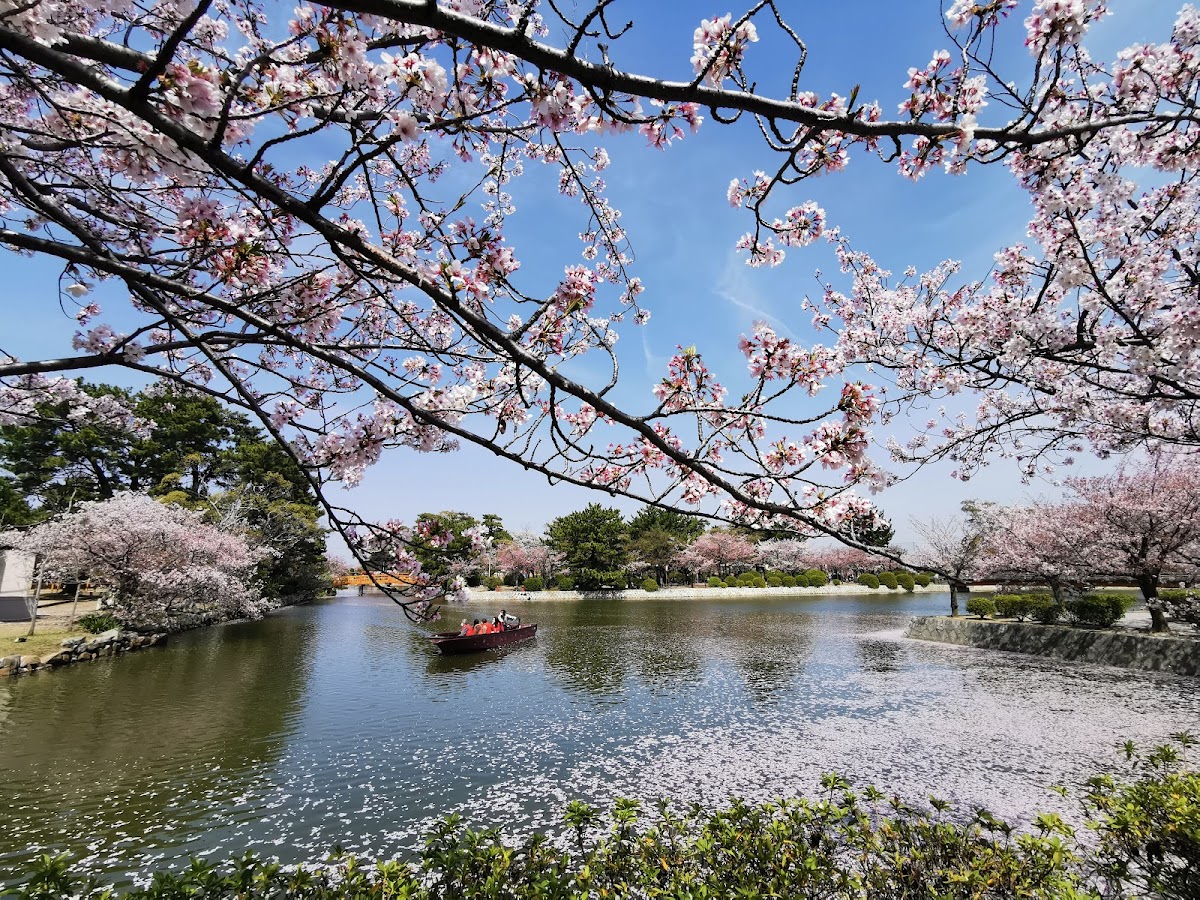
Kyuka Park, located in Kuwana City, Mie Prefecture, is a historic park built on the former sites of Kuwana Castle’s main enclosure and secondary enclosure, and is known as one of the prefecture’s premier cherry blossom viewing spots. Approximately 450 cherry trees are planted across the expansive 7.2-hectare grounds, and when spring arrives, Somei Yoshino, weeping cherry, and mountain cherry blossoms bloom simultaneously, captivating visitors.
Loved as a gathering place for Kuwana residents, this park hosts the annual “Cherry Blossom Festival,” featuring enchanting illumination from sunset until 9:30 PM. The ability to enjoy both the vibrant daytime cherry blossoms and the fantastical beauty of nighttime cherry blossoms is a major attraction of Kyuka Park.
Cherry Blossom Highlights of Kyuka Park
Approximately 450 Diverse Cherry Trees
The greatest charm of Kyuka Park lies in the abundance and variety of its cherry blossoms. Approximately 450 cherry trees are planted throughout the park, primarily featuring three varieties: Somei Yoshino, weeping cherry, and mountain cherry.
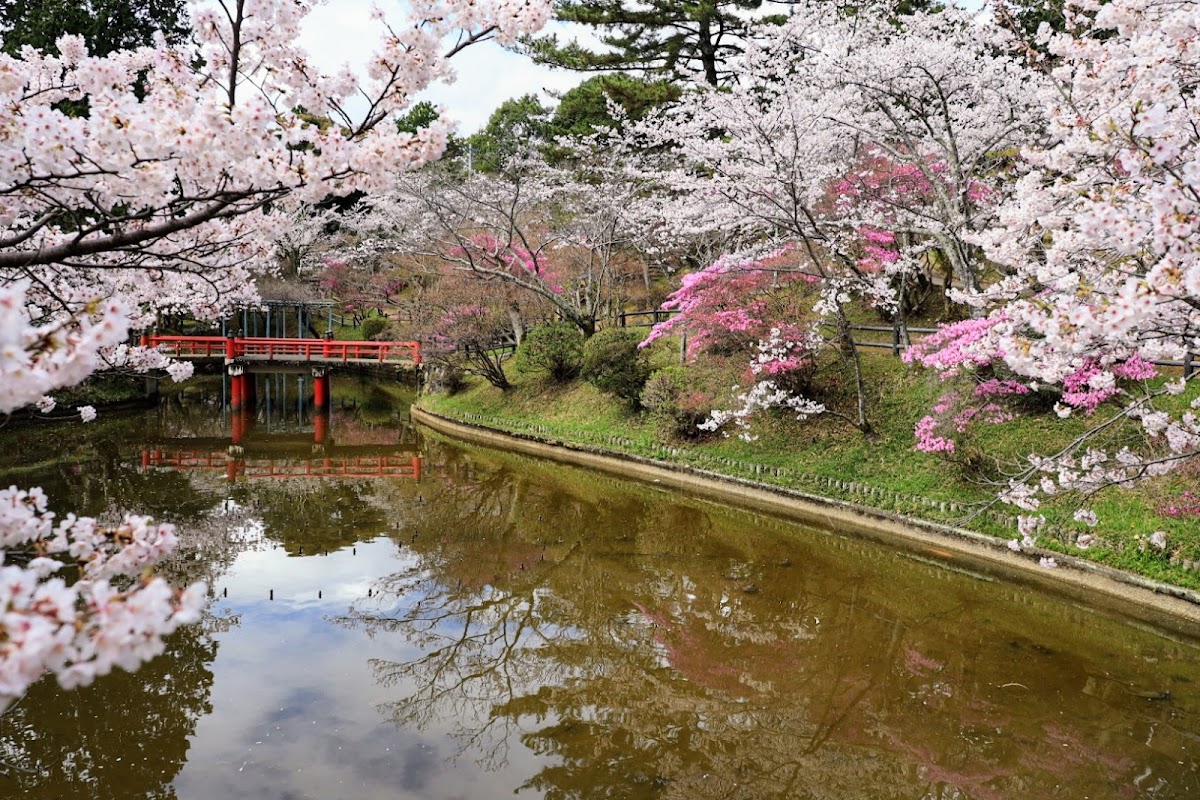
Somei Yoshino is the most common cherry blossom variety in Japan, characterized by pale pink flowers. At Kyuka Park, numerous Somei Yoshino trees are planted mainly along the moat, creating a tunnel-like scenery when in full bloom. The sight of cherry blossoms reflected on the water’s surface is beautiful and popular as a photography spot.
Weeping cherry is characterized by its graceful drooping branches, offering a different aesthetic than Somei Yoshino. The weeping cherry scattered in several locations throughout the park presents an overwhelming beauty like a waterfall of cherry blossoms.
Mountain cherry blooms slightly later than Somei Yoshino and is characterized by reddish-brown young leaves emerging simultaneously with the flowers. This contrast between young leaves and flowers creates a unique beauty, allowing visitors to enjoy the cherry blossom season for an extended period.
Historical Background of Kuwana Castle
Kyuka Park was built on the sites of Kuwana Castle’s main enclosure and secondary enclosure, making it a spot of high historical value. Kuwana Castle played an important role as a strategic location on the Tokaido during the Edo period and was also called the “Fan Castle.”
Stone walls and moats from that era remain preserved today, allowing visitors to enjoy the collaboration between cherry blossoms and historical structures. In particular, the cherry blossom avenue along the moat offers a beautiful landscape where water reflections merge with stone walls, providing a precious opportunity to enjoy flower viewing while sensing the atmosphere of the Edo period.
Cherry Blossom Avenue Along the Moat
The most popular cherry blossom viewing area at Kyuka Park is the cherry blossom avenue along the moat. Cherry trees planted on both banks of the moat extend their branches toward the water’s surface, forming a cherry blossom arch when in full bloom.
The reflected image of cherry blossoms on the water is popular as a “reflected cherry blossom” photography spot, and on calm windless days, a perfect mirror image can be captured. Additionally, during the period when petals begin to fall, the beautiful sight known as “flower raft,” where petals cover the water’s surface, can be enjoyed.
A pedestrian path is maintained along the moat, allowing visitors to view the cherry blossoms while leisurely strolling. Benches are installed, making it possible to relax and enjoy flower viewing comfortably.
Typical Bloom Timing and Flowering Status
Flowering Period and Full Bloom Expectations
The cherry blossom viewing season at Kyuka Park typically spans from late March to early April. Using Somei Yoshino as a standard, the typical pattern is that they bloom in late March and reach full bloom approximately one week after flowering.
Based on 2024 data, the flowers bloomed around March 23rd, with full bloom occurring from March 30th to around April 5th. However, the flowering period varies depending on that year’s temperature and weather conditions, so it is recommended to check the latest flowering status before your visit.
Weeping cherry blossoms bloom at nearly the same time as Somei Yoshino, while mountain cherry blossoms bloom slightly later, sometimes remaining enjoyable from early to mid-April. For this reason, Kyuka Park allows visitors to enjoy cherry blossoms for approximately three weeks, from late March through mid-April.
How to Check Flowering Information
The latest flowering status can be confirmed on the official websites of the Kuwana City Product and Tourism Information Center and Tourism Mie. Additionally, weather forecast websites such as Weather News also provide cherry blossom flowering information for Kyuka Park.
In recent years, flowering information is also shared on social media, and by searching hashtags such as “#KyukakakoEN” or “#KyukakakoENcherry,” you can check the current state of the blossoms in real time. When planning a visit, utilizing these information sources will help you visit during the most beautiful period.
Charm of the Fresh Leaf Season
The fresh leaf season after cherry blossoms have fallen also has a unique beauty at Kyuka Park. From mid-April onward, the cherry trees are covered with new green foliage, allowing visitors to enjoy the fresh spring scenery.
Particularly mountain cherry, which produces flowers and leaves simultaneously, continues to display beauty even after the flowers have fallen, as the leaves transition from reddish-brown to green. Additionally, azaleas bloom in May, and Japanese irises, also the city flower of Kuwana, bloom in June, making the park a place to enjoy flowers throughout the seasons.
Cherry Blossom Festival and Illumination Information
Cherry Blossom Festival Dates
Kyuka Park hosts the “Cherry Blossom Festival” each year timed to coincide with cherry blossom blooming. The festival typically runs from late March to early April, with dates adjusted based on flowering conditions. For the specific 2026 schedule, please check the official information from Kuwana City, as dates will be determined based on flowering forecasts.
During the festival period, food stalls line the park grounds, allowing visitors to enjoy local cuisine and special products. Various events are also held on weekends, with content suitable for families.
Charm of Nighttime Cherry Blossom Illumination
One of the greatest charms of Kyuka Park’s cherry blossoms is the nighttime illumination. During the Cherry Blossom Festival period, the cherry blossoms in the park are illuminated from sunset until 9:30 PM, enveloped in a fantastical atmosphere.
The nighttime cherry blossoms present an entirely different appearance from daytime, a truly spectacular beauty. Cherry blossoms illuminated by lights and reflected in the water surface display a beauty reminiscent of paintings, attracting many photography enthusiasts. The illumination of the cherry blossom avenue along the moat is particularly striking, and the cherry blossom tunnel floating in darkness will become an unforgettable memory.
The illuminated hours tend to have fewer visitors than daytime, making it especially recommended for those wishing to enjoy nighttime cherry blossoms leisurely. However, nighttime temperatures drop, so please take proper preventive measures against the cold.
Event Contents
Various events are held during the Cherry Blossom Festival period. Past events have included performances of local traditional arts, musical concerts, and photo contests.
Additionally, stalls selling Kuwana City special products and local cuisine operate, allowing visitors to enjoy regional flavors while viewing flowers. Kuwana specialty dishes made with “hamaguri” (littleneck clams) and local Japanese sweets are popular.
Detailed event contents and dates can be confirmed on the websites of the Kuwana City Product and Tourism Information Center and Tourism Mie, so please check before your visit.
Access Methods
Access by Train
Access to Kyuka Park by public transportation is convenient. The nearest station is JR/Kintetsu “Kuwana Station,” from which the park is approximately a 15-minute walk.
From Kuwana Station, the route involves exiting the east exit heading toward National Route 1, proceeding toward the Kuwana City Hall. The entrance to Kyuka Park is near City Hall, and directional signs are posted along the route, so first-time visitors can arrive without getting lost.
The 15-minute walk is an appropriate distance for enjoying a leisurely stroll through Kuwana’s townscape. Along the way are historic buildings and shopping arcades, allowing visitors to enjoy sightseeing around Kuwana in addition to flower viewing.
Access by Car
For those traveling by car, it is approximately 15 minutes from either “Kuwana IC” or “Kuwana East IC” on the Tomei-Meihan Expressway. Kuwana IC is convenient from the Nagoya area, while Kuwana East IC is convenient from the Yokkaichi area.
When using a navigation system, you can set your destination by searching for “Kyuka Park” or “Kuwana City Yoshinomaru.” There are some one-way roads around the park, so it is recommended to follow the navigation system’s directions.
Parking Information
Kyuka Park has dedicated parking facilities. During the Cherry Blossom Festival period, many visitors are expected, and the parking lot may become congested. In particular, parking may fill up on weekends and during peak bloom times from late morning through early afternoon.
Since parking capacity is limited, the use of public transportation is recommended. For those arriving by car, arriving early in the day or choosing a weekday will allow for relatively smooth parking.
Additionally, there are several paid parking lots in the vicinity of the park. If the park’s parking lot is full, consider using these surrounding parking facilities. Another option is to park at a coin-operated parking lot near Kuwana Station and walk to the park.
Detailed Information
Basic Information
Name: Kyuka Park (Kyuukakouen)
Address: 5-1 Yoshinomaru, Kuwana City, Mie Prefecture
Area: Approximately 7.2 hectares
Number of Cherry Trees: Approximately 450
Cherry Blossom Varieties: Somei Yoshino, weeping cherry, mountain cherry
Opening Hours: Always open (Illumination from sunset to 9:30 PM)
Admission: Free
Contact: Kuwana City Product and Tourism Information Center
Park Facilities
Kyuka Park is equipped with various facilities to allow comfortable enjoyment of flower viewing. Multiple restrooms are installed throughout the park and are maintained with cleanliness. Benches and rest areas are also abundant, allowing visitors to sit comfortably and view the cherry blossoms.
The walking paths are paved, making them relatively easy to navigate with wheelchairs and strollers. However, there are some steps and slopes in certain areas, so assistance may be required in some cases.
Vending machines are installed, making it possible to purchase beverages. However, since the area becomes crowded during the Cherry Blossom Festival period, it is recommended to prepare food and drink beforehand.
Precautions and Etiquette
When enjoying flower viewing at Kyuka Park, please observe the following etiquette:
- Do not break cherry tree branches or climb on trees
- Dispose of trash in designated bins or take it with you
- Fire use is prohibited
- If bringing pets, keep them on leash and be sure to remove their waste
- Avoid noise so as not to disturb other visitors
- When reserving seating, keep your space to the minimum necessary
By observing this etiquette, all visitors can enjoy flower viewing comfortably.
Location Information and Surrounding Environment
Location of Kyuka Park
Kyuka Park is located in the center of Kuwana City and is conveniently positioned near City Hall and Kuwana Station. It is located near the confluence of the Ibi River and Nagara River, where Kuwana Castle was once built as a strategic location.
The surrounding area is a mixed residential and commercial district and is also beloved as a daily gathering place for local residents. Even outside the cherry blossom season, people can be seen enjoying walks and jogging.
Historical Background of the Surrounding Area
Kuwana is a historic town that flourished as the 42nd post station on the Tokaido Road. The location of Kyuka Park was once where Kuwana Castle’s main and secondary enclosures stood, and during the Edo period it prospered as a castle town.
Stone walls and moats from Kuwana Castle remain within the park, allowing visitors to stroll while sensing history. Additionally, the park’s name “Kyuka” is said to derive from Kuwana Castle’s alternative name “Fan Castle” and is named after Jiuhua Mountain in China.
Nearby Attractions
Shichiri-no-Watashi Landing Site
Located approximately a 10-minute walk from Kyuka Park, the “Shichiri-no-Watashi Landing Site” is the remains of a ferry landing that connected Kuwana Station and Miya Station (Nagoya City) on the Tokaido Road. Currently developed as a park, it is marked by a large torii gate.
During cherry blossom season, cherry blossoms can be enjoyed in the vicinity of Shichiri-no-Watashi as well, and many tourists visit this area along with Kyuka Park. It is popular as a spot where one can sense a historical atmosphere.
Kuwana City Museum
The Kuwana City Museum, adjacent to Kyuka Park, features exhibits related to Kuwana’s history and culture. Visitors can learn about Kuwana Castle, the castle town’s history, and the region’s traditional crafts.
By stopping by before or after flower viewing to deepen your understanding of Kuwana’s history, you can enjoy wandering through Kyuka Park even more. Special exhibitions are held regularly, so it is recommended to check the exhibition contents before your visit.
Kakiyasu Community Park
Located approximately 10 minutes by car from Kyuka Park, Kakiyasu Community Park serves as a hub for local residents’ sports and recreation. It features a vast lawn area and play equipment popular with families.
During cherry blossom season, visitors can enjoy flower viewing in a different atmosphere from Kyuka Park. For those with children, a plan combining cherry blossom viewing at Kyuka Park followed by play at Kakiyasu Community Park is recommended.
Kuwana Sosha (Kasuga Shrine)
Located approximately a 5-minute walk from Kyuka Park, Kuwana Sosha, affectionately called “Kasuga-san” by locals, is a shrine that has garnered faith as Kuwana’s chief tutelary shrine. A famous festival called “Ishitori Festival” is held here every August.
The shrine grounds feature impressive structures and sacred trees, with a peaceful atmosphere for worship. Many tourists visit this shrine together with Kyuka Park, and it is a spot where one can sense Kuwana’s history and culture.
Nearby Events
Ishitori Festival (August)
The “Ishitori Festival” is the signature summer event of Kuwana. Held on the first Sunday in August and the day before, this festival is known as “Japan’s Noisiest Festival” and is designated as an Important Intangible Folk Cultural Property.
Approximately 40 festival floats parade through town with the sound of bells and drums echoing throughout. Although held at a different time than cherry blossom season, knowing about such traditional events when visiting Kuwana deepens understanding of the region’s culture.
Kuwana Water Village Fireworks Festival (July)
Held in late July each year, the Kuwana Water Village Fireworks Festival is a summer tradition held along the Ibi River. Approximately 10,000 fireworks light up the night sky, attracting many spectators.
While somewhat distant from Kyuka Park, it is one of Kuwana’s representative events. If you have the opportunity to visit Kuwana in summer, please experience it.
Azalea Festival (May)
Kyuka Park hosts an azalea festival in May after the cherry blossom season ends. Approximately 4,600 azalea plants are planted throughout the park, with red, pink, white, and other colorful flowers blooming.
Illumination is performed during the azalea festival as well, allowing visitors to enjoy nighttime azalea viewing. There is a different splendor from cherry blossoms, allowing double enjoyment of spring at Kyuka Park.
Iris Festival (June)
An iris festival is held in June. The iris is Kuwana City’s official flower, and approximately 4,000 plants are planted in Kyuka Park. Purple, white, yellow, and various colored irises color the waterside, and visitors can enjoy the atmospheric scenery unique to the rainy season.
Various events are held during the iris festival period, with sales of local specialty products and more.
Nearby Activities and Experiences
Enjoying Kuwana’s Specialty Cuisine
When visiting Kuwana, be sure to taste local specialty cuisine. The most famous is “Kuwana’s hamaguri” (littleneck clams). Hamaguri harvested in Ise Bay, where nutrients from the Kiso Three Rivers flow, are large and full of meat, with concentrated sweetness and umami flavor.
Numerous restaurants serving hamaguri cuisine are located near Kuwana Station and around Kyuka Park. Hamaguri can be enjoyed in various ways: grilled, simmered, or served in rice dishes.
Additionally, “Yasunaga mochi” is another representative specialty sweet of Kuwana. This simple Japanese confection consists of mochi wrapped in bean paste and baked, and its unpretentious flavor is loved by many. It makes an excellent souvenir.
Walking Through Kuwana’s Town
The area around Kyuka Park is a historic district with remaining townscape elements that are enjoyable simply to stroll through. Historic temples line Teramachi Street, where the atmosphere of the Edo period can be felt.
The route from Kuwana Station to Kyuka Park includes old shopping arcades, offering glimpses into the lives of local residents. By slowly walking while viewing historic buildings and old merchant houses, one can feel the charm of Kuwana more deeply.
Visiting Rokukaen
Located approximately a 15-minute walk from Kyuka Park, “Rokukaen” is a facility designated as a Japanese Important Cultural Property, consisting of a Western-style building and a Japanese garden. The Western building, constructed during the Taisho period, is a work of Josiah Condor, who designed the Rokumeikan, and offers beautiful architecture and gardens to enjoy.
During cherry blossom season, cherry blossoms also bloom in Rokukaen’s garden, allowing visitors to see the rare sight of Western architecture combined with cherry blossoms. Visiting along with Kyuka Park deepens understanding of Kuwana’s history and culture.
Nabana-no-Sato (Approximately 20 minutes by car)
Located approximately 20 minutes by car from Kyuka Park, “Nabana-no-Sato” is a popular tourist attraction where flowers of each season can be enjoyed. Spring features tulips and roses, while autumn displays cosmos and dahlias, with different flowers coloring the grounds each season.
The illumination held during winter is particularly notable as one of the largest in Japan, attracting many tourists from across the country. Although at a different time from cherry blossom season, it is definitely worth visiting when in the northern Mie Prefecture area.
Other Cherry Blossom Viewing Spots in Mie Prefecture
Besides Kyuka Park, Mie Prefecture has many other cherry blossom viewing destinations. For those planning cherry blossom viewing tours within the prefecture, several representative spots are introduced.
Tsu Kairaku Park
Tsu Kairaku Park in Tsu City is one of the prefecture’s premier cherry blossom viewing spots with approximately 1,000 cherry trees. Various varieties of cherry trees are planted across the expansive grounds, allowing flower viewing for an extended period. An annual cherry blossom festival is held with illumination provided.
Miyagawa Embankment
The Miyagawa Embankment in Ise City is a cherry blossom viewing destination selected as one of “Japan’s Top 100 Cherry Blossom Viewing Spots.” A cherry blossom avenue approximately 1 km long continues along the river, offering riverside strolling. Many tourists visit this spot in combination with Ise Grand Shrine pilgrimage.
Mitaki Cherry Blossoms
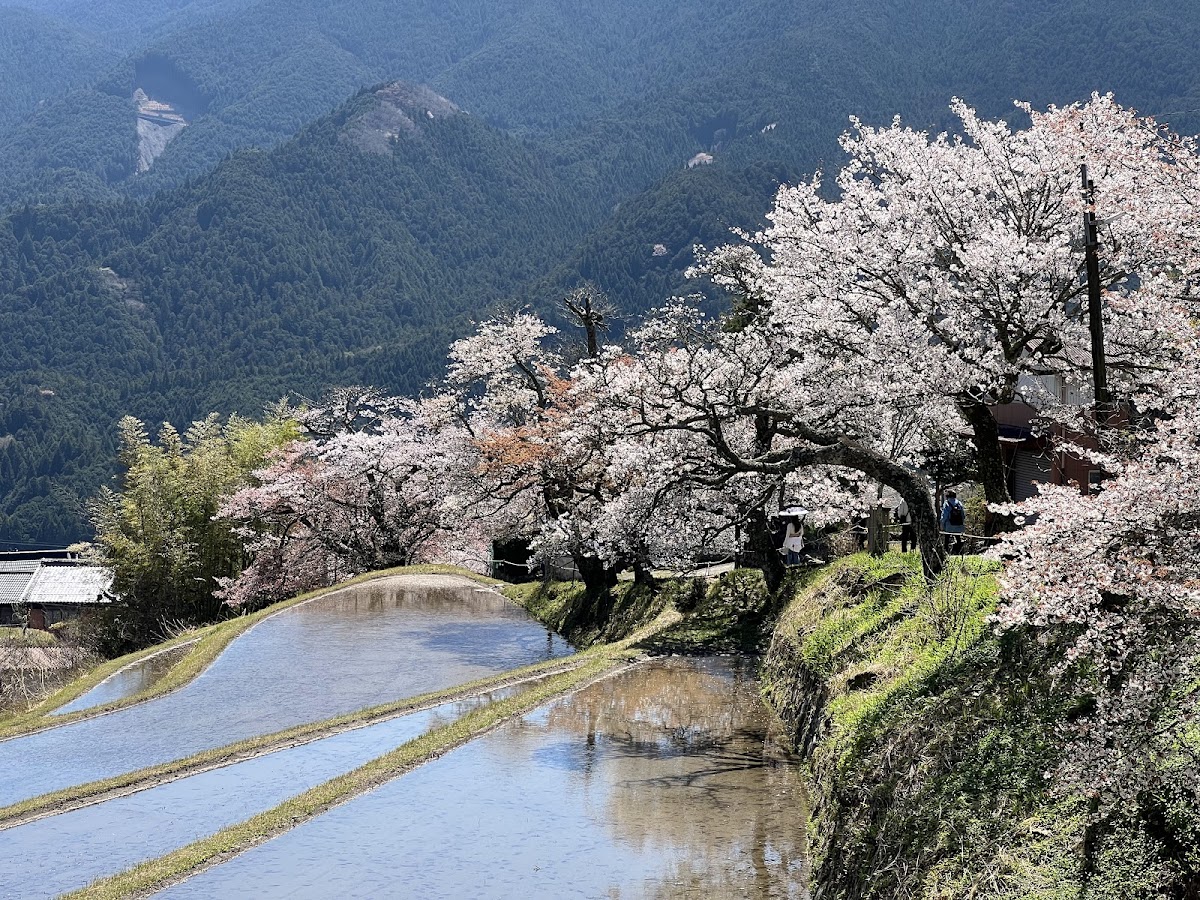
The Mitaki district in Tsu City’s Yoshii area features approximately 1.5 km of cherry blossom avenues along terraced rice paddies. Approximately 500 cherry trees, primarily mountain cherry, create a beautiful landscape reminiscent of Japan’s traditional countryside. Selected as one of “Japan’s Top 100 Cherry Blossom Viewing Spots,” it is popular among photography enthusiasts.
Ueno Park
Ueno Park in Iga City is centered on Iga Ueno Castle and features approximately 800 cherry trees. The collaboration between the castle and cherry blossoms is beautiful, allowing enjoyment of flower viewing while sensing history.
Photography Spots in Kyuka Park
Moat and Cherry Blossom Photography
The most popular photography spot at Kyuka Park is the cherry blossom avenue along the moat. When photographing cherry blossoms reflected on the water’s surface, choosing a calm day without wind yields beautiful reflections.
Early morning and late afternoon light provide soft, warm tones ideal for capturing dreamlike photographs. In particular, cherry blossoms illuminated by morning light possess transparent beauty.
Nighttime Cherry Blossom Photography
When photographing illuminated nighttime cherry blossoms, a tripod is helpful. By using slower shutter speeds, you can express a fantastical atmosphere.
Illuminated cherry blossoms reflected in the water are excellent subjects. Long exposure photography smooths the ripples on the water surface, creating unique beauty.
Close-up Photography of Weeping Cherry
The weeping cherry scattered throughout the park displays flower beauty more prominently when photographed close-up. By being conscious of the contrast between the curved lines of drooping branches and the flowers when determining composition, you can create striking photographs.
Weeping cherry against blue sky backgrounds is also beautiful, yielding fresh spring-like photographs.
Advice for Enjoying Flower Viewing
Best Timing for Your Visit
Timing is important for enjoying the finest flower viewing at Kyuka Park. While aiming for the full bloom period is common, the beginning and end of blooming also possess their own special beauty.
At the early blooming stage, unopened buds and opened flowers coexist, allowing enjoyment of anticipation for the coming full bloom. At the late stage when petals begin to fall, the sight of scattered petals and flower rafts offers a different charm from full bloom.
Weekday mornings are relatively uncrowded, making them recommended for those wishing to enjoy flower viewing leisurely. Weekends and holidays are busier but also feature more events and a lively atmosphere.
Items to Bring and Attire
The following items are useful when going flower viewing:
- Leisure sheet (if sitting for flower viewing)
- Beverages and light snacks
- Garbage bags
- Camera or smartphone (with chargers)
- Sunscreen and hat (for daytime)
- Jacket or blanket (for nighttime cherry blossom viewing)
- Insect repellent spray
Attire should focus on comfortable walking shoes and easy-to-move-in clothing. From late March through early April, days may be warm, but mornings and evenings can be cool, so choose clothing allowing easy adjustment. Especially when viewing nighttime cherry blossoms, take proper cold-weather precautions.
Tips for Avoiding Crowds
During the Cherry Blossom Festival period, especially on weekends, many visitors fill the park. To avoid crowds, try these approaches:
- Visit on weekdays
- Choose early morning or late evening hours
- Time your visit slightly outside peak full bloom (during early or late blooming)
- Visit during breaks in rainy periods (cherry blossoms after rain are particularly beautiful)
Particularly in early morning, the park has few people, allowing peaceful cherry blossom enjoyment. Cherry blossoms viewed in the fresh morning air are exceptional.
Conclusion: Experience the Best Flower Viewing at Kyuka Park
Kyuka Park in Kuwana City, Mie Prefecture, is one of the prefecture’s premier cherry blossom viewing destinations with approximately 450 blooming cherry trees. A diverse range of cherry blossoms—Somei Yoshino, weeping cherry, and mountain cherry—can be enjoyed, with the cherry blossom avenue along the moat particularly striking in its beauty.
The typical viewing season spans from late March to early April, and during the Cherry Blossom Festival, fantastical illumination is provided from sunset until 9:30 PM. The ability to enjoy both vibrant daytime cherry blossoms and nighttime cherry blossoms is a major appeal of Kyuka Park.
The convenient access, approximately a 15-minute walk from JR/Kintetsu Kuwana Station, is also attractive, with nearby tourist attractions including the Shichiri-no-Watashi Landing Site, Kuwana City Museum, and Rokukaen. You can also enjoy local cuisine including Kuwana’s famous hamaguri dishes and Yasunaga mochi.
At Kyuka Park, which carries the historical significance of Kuwana Castle ruins, fully savor Japan’s spring beauty. Plan your visit by confirming flowering information, respect etiquette, and enjoy a memorable flower-viewing experience.