Tsuruma Park Cherry Blossoms Complete Guide 2026 | Highlights and Ways to Enjoy Aichi Prefecture’s Representative Cherry Blossom Destination
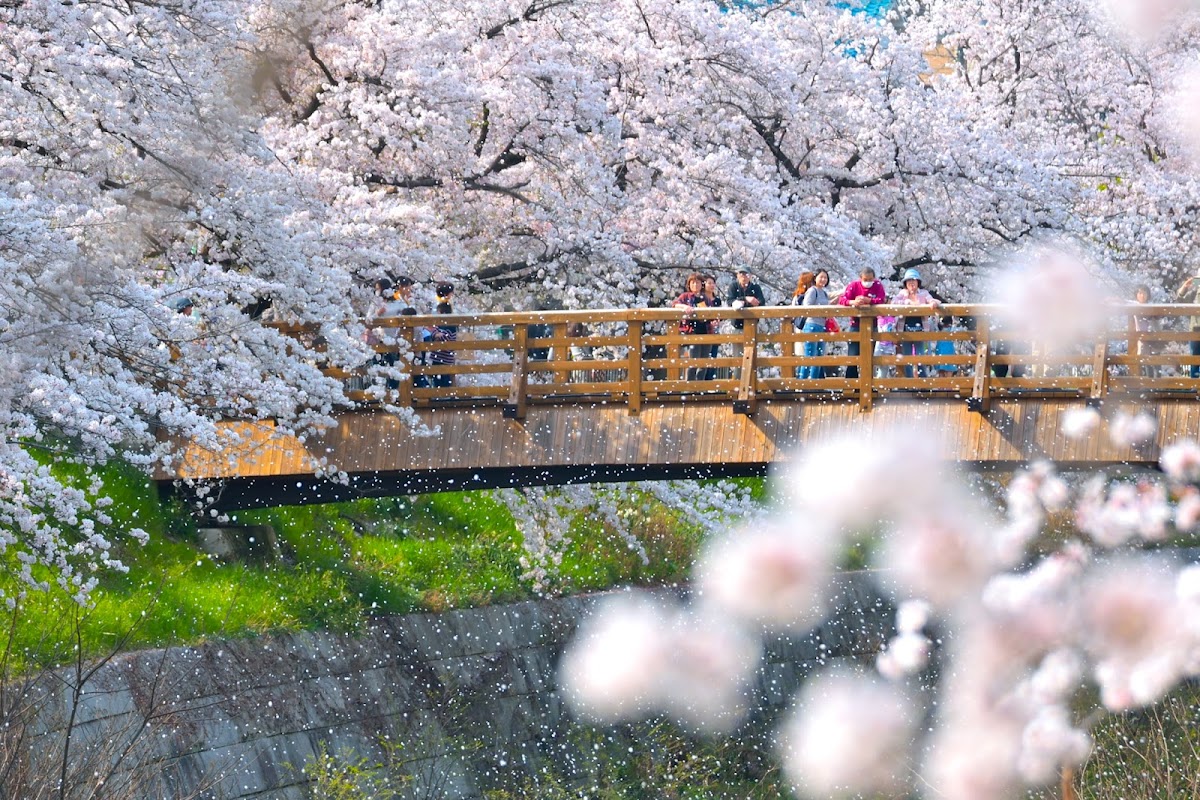
Tsuruma Park, located in Nagoya City, Aichi Prefecture, is a cherry blossom destination representing the Tokai region, selected as one of “Japan’s Top 100 Cherry Blossom Spots.” As the first park established by Nagoya City in 1909 (Meiji 42), it now boasts approximately 750 Somei Yoshino cherry trees and is beloved by many as Nagoya’s premier cherry blossom viewing spot.
This article conveys all the charm of Tsuruma Park’s cherry blossoms. From the best viewing season to cherry blossom festival information, fantastical nighttime cherry blossom viewing through illumination, recommended photography spots, and nearby cherry blossom viewing locations—this is a comprehensive guide encompassing 2026’s latest information.
Basic Information about Tsuruma Park’s Cherry Blossoms
A Historic First Park of Nagoya City
Tsuruma Park is the memorable first park established by Nagoya City in 1909 (Meiji 42). Since its opening, cherry trees have been planted, and it has been cherished as a gathering place for Nagoya residents ever since. The park’s name is derived from the “Tsuruma Village” that once stood there, and locals call it “Tsuruma.”
A Site of Japan’s Top 100 Cherry Blossom Spots
In 1990, Tsuruma Park was selected as Aichi Prefecture’s representative cherry blossom destination in “Japan’s Top 100 Cherry Blossom Spots” by the Japan Cherry Blossom Association. This selection comprehensively evaluated the number of cherry trees, diversity of species, landscape beauty, and historical value, demonstrating high national recognition.
Spring Scenery Adorned by Approximately 750 Cherry Trees
Tsuruma Park features approximately 750 cherry trees centered on Somei Yoshino. The vibrant cherry groves near the park’s main entrance, the serene cherry blossoms around Ryugu Pond, and the cherry groves northeast of the fountain tower each display different characteristics. The unique atmosphere of each area provides visitors with diverse cherry blossom viewing experiences.
2026 Cherry Blossom Viewing Season and Bloom Forecast
Typical Viewing Season
The prime viewing season for Tsuruma Park’s cherry blossoms is typically late March to early April. Due to Nagoya’s climate, blooms tend to occur around the same time or slightly later than Tokyo and Osaka. Since Somei Yoshino dominates, the concentrated blooming period from flowering to full bloom takes about one week, and from full bloom to beginning of petal fall takes another week, making it relatively brief.
2026 Bloom Forecast Information
The 2026 bloom forecast predicts flowering around late March if conditions are typical. However, temperature fluctuations from winter to spring may shift the blooming period. It’s recommended to regularly check cherry blossom forecasts provided by the Japan Meteorological Agency or private weather companies.
Timeline from bloom declaration to full bloom:
- Bloom declaration: 5-6 flowers blooming on the reference tree
- 30% bloom: approximately 3 days after bloom declaration
- 50% bloom: approximately 5 days after bloom declaration
- Full bloom: approximately 7 days after bloom declaration (80% or more of blossoms open)
- Beginning of petal fall: approximately 7 days after full bloom
Points to Not Miss the Prime Viewing Season
Cherry blossom viewing times are heavily dependent on weather conditions. Warm consecutive days bring earlier blooming, while cold snaps cause delays. To ensure enjoying fully bloomed cherry blossoms, follow these points:
- Planning after bloom declaration: Plan your visit approximately one week after the Nagoya District Meteorological Observatory’s bloom declaration
- Checking real-time information: Monitor current blooming conditions via SNS or Weather News
- Considering weekday visits: Weekends see heavy crowds, so weekday visits are recommended if possible
- Confirming weather: Rain and strong winds cause petals to fall, so check forecasts beforehand
Highlights of Tsuruma Park’s Cherry Blossoms
Cherry Grove Northeast of the Fountain Tower (Main Area)
The most popular area in Tsuruma Park is the cherry grove spreading northeast of the park’s iconic fountain tower. This area features the “Japan’s Top 100 Cherry Blossom Spots” stone marker and densely planted cherry trees that form a magnificent cherry blossom tunnel when in full bloom.
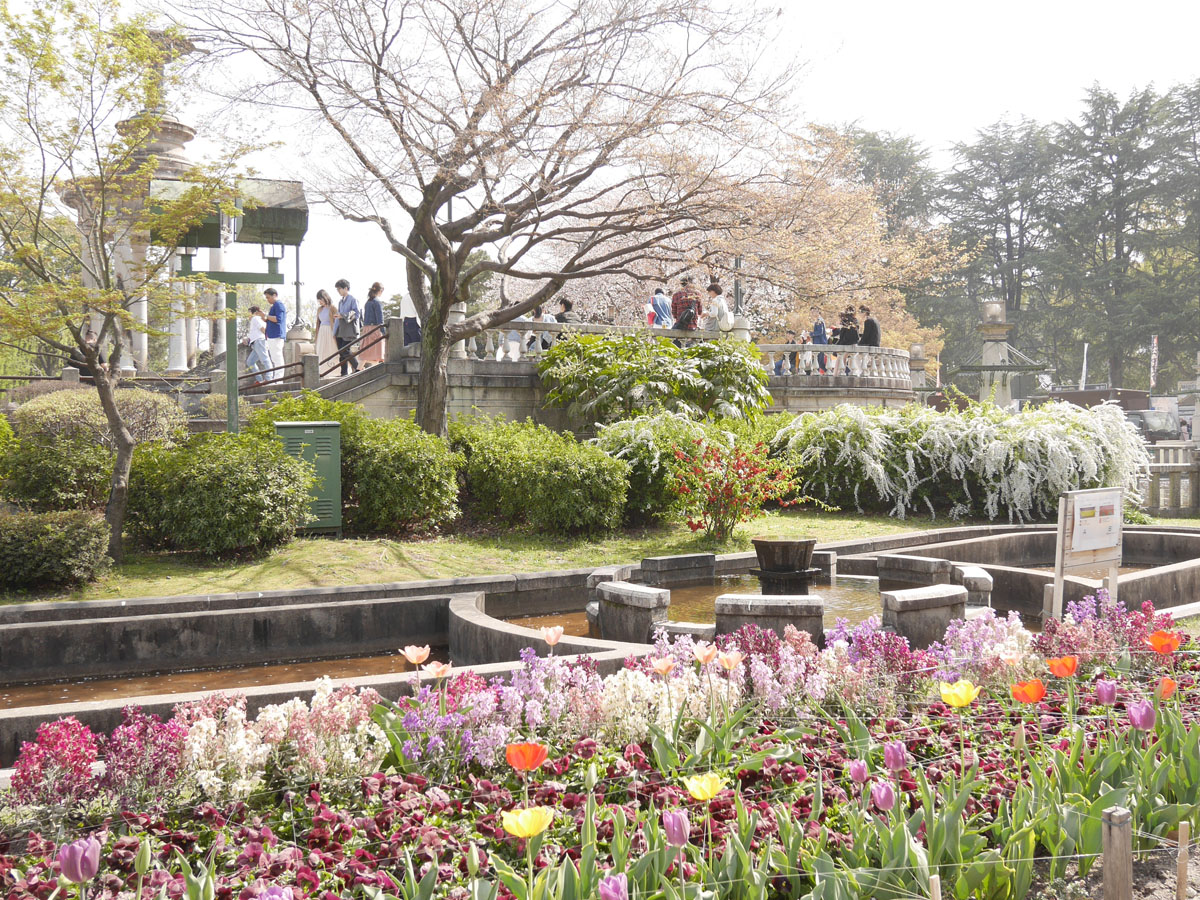
The fountain tower is a historic structure built in 1910 (Meiji 43), featuring elegant Baroque-style design. The scenery of cherry blossoms blooming against this fountain tower backdrop is known as Tsuruma Park’s representative masterpiece. The contrast between pink cherry blossoms and the white fountain tower creates an Instagram-worthy composition beloved by many photographers.
Waterside Cherry Blossoms Around Ryugu Pond
The area around Ryugu Pond within the park features serene cherry blossoms with beautiful reflections on the water. Cherry trees planted around the pond’s perimeter create mirror-like reflections on calm days, allowing for perfect reflection photography.
The Ryugu Pond area is relatively less crowded than the main cherry grove, making it perfect for those wanting to leisurely enjoy cherry blossoms. The ability to appreciate cherry blossoms from various angles while strolling around the pond is another attraction.
Cherry Blossom Tree-Lined Path Near the Main Entrance
Near the park’s main entrance, a short walk from Tsuruma Station, vibrant cherry tree-lined paths spread out. This area bustles with flower viewing crowds, with people spreading out leisure sheets to enjoy picnics under the cherry trees.
With spacious lawn areas beneath the cherry trees, this spot is ideal for families and group flower viewing. Weekends see large crowds immersed in the celebratory spring atmosphere.
Cherry Blossoms Around the Concert Hall
The Concert Hall, built in the Taisho era, is one of Tsuruma Park’s historic structures. Cherry blossoms are also planted around this area, allowing visitors to enjoy the collaboration of retro architecture and cherry blossoms. The fusion of Western-style architecture and Japanese cherry blossoms creates a unique atmosphere unseen elsewhere.
Details on Tsuruma Park Cherry Blossom Festival 2026
Cherry Blossom Festival Dates
Tsuruma Park hosts a “Cherry Blossom Festival” annually coinciding with the cherry bloom season. The 2026 festival is predicted to run from mid-March to early April, consistent with typical years. The official dates will be announced by Nagoya City based on bloom forecasts, so please verify official information.
During the festival period, the park becomes even more vibrant with various events and vendor booths.
Fantastical Nighttime Cherry Blossom Viewing Through Illumination
One of the festival’s greatest highlights is the daily illumination. From sunset until around 9 p.m. (varies by year), the entire cherry grove is illuminated, creating a completely different fantastical atmosphere from daytime.
Illuminated cherry blossoms showcase vivid pink hues, creating a dreamlike scene. The illuminated cherry grove around the fountain tower is particularly spectacular, with the glowing cherry blossom tunnel breathtakingly beautiful.
Night cherry blossom viewing tips:
- Visiting time: The “blue hour” immediately after sunset offers beautiful contrasts between sky and cherry blossoms
- Cold-weather precautions: Nights are chilly; bringing an outer layer is recommended
- Tripod usage: Consideration for surroundings is necessary during crowded times
- Weekday visits: Weekends are extremely crowded; weekdays are recommended if possible
Abundant Food Trucks and Gourmet Options
Multiple food trucks operate during the festival, offering various gourmet options. From standard fare like takoyaki, okonomiyaki, and frankfurters to sweets like crepes and tapioca drinks, diverse menus are available.
Additionally, beer gardens open during the period, allowing visitors to enjoy beer and alcohol while viewing cherry blossoms. The abundance of food options significantly enhances Tsuruma Park’s cherry blossom festival appeal.
Other Event Information
Various events may be held on weekends during the festival period. Music performances, entertainment shows, and local specialty product sales occur, though content varies year to year, providing enjoyment beyond cherry blossom viewing alone.
Access to Tsuruma Park
Access by Train
Tsuruma Park is conveniently located in central Nagoya with excellent public transportation access.
JR Chuo Main Line
- Get off at “Tsuruma Station,” approximately 1-minute walk to the main entrance
- About 5 minutes from Nagoya Station
Nagoya Municipal Subway Tsuruma Line
- Get off at “Tsuruma Station,” approximately 1-minute walk from Exit 4
- About 5 minutes from Sakae Station
Both JR and subway lines serve “Tsuruma Station,” with the park just a 1-minute walk away—exceptionally convenient access. Public transportation is strongly recommended during the festival period due to anticipated congestion.
Vehicle Access and Parking Information
Vehicle Access
- Approximately 10 minutes from Nagoya Expressway “Fukiage East Exit”
- Approximately 10 minutes from Nagoya Expressway “Fukiage West Exit”
Parking Information
While Tsuruma Park has dedicated parking, capacity is limited and experiences severe congestion during the cherry blossom festival period.
- Tsuruma Park Parking: Approximately 150 regular vehicles
- Operating hours: 8:45 a.m.–9:30 p.m. (varies by season)
- Rate: Approximately 180 yen per 30 minutes (varies by season)
The parking lot frequently fills during peak cherry blossom season, especially weekends, so early morning visits or public transportation use are recommended. Surrounding coin parking lots also experience heavy congestion.
Tips for Maximizing Cherry Blossom Viewing at Tsuruma Park
Optimal Visiting Times
Early morning (7:00 a.m.–9:00 a.m.)
- Advantages: Few crowds, leisurely photography possible
- Recommended point: Cherry blossoms beautifully illuminated by early light
Morning (9:00 a.m.–12:00 p.m.)
- Advantages: Soft sunlight ideal for photography
- Note: Crowds gradually increase during this period
Afternoon (12:00 p.m.–5:00 p.m.)
- Advantages: Festival events and food trucks fully operational
- Note: Most congested period; spot-claiming difficult
Evening to night (5:00 p.m.–9:00 p.m.)
- Advantages: Enjoy fantastical illuminated night cherry blossoms
- Note: Cold-weather precautions necessary; crowded with night blossom viewers
Recommended Photography Spots
Fountain Tower and Cherry Blossom Collaboration
Photographing cherry blossoms against the fountain tower backdrop is Tsuruma Park’s classic composition. Shooting from slightly left of the tower’s front creates well-balanced framing.
Ryugu Pond Reflection
Visiting during early morning calm conditions allows for mirror-like photography of cherry blossoms reflected in the pond water.
Cherry Blossom Tunnel
The walking paths within the cherry groves feature tunnel-like scenery with cherry trees overhead. Including people in photographs creates impressive scale.
Convenient Items to Bring
- Leisure sheet: Essential for enjoying flower viewing
- Warm clothing: Necessary for nighttime viewing and early visits
- Camera/smartphone: For recording beautiful cherry blossoms
- Mobile battery: Photography depletes batteries quickly
- Trash bags: Always take your trash with you
- Wet wipes: Convenient for hand cleaning
- Beverages/snacks: Necessary for extended stays
Etiquette and Precautions
- Spot-claiming etiquette: Avoid excessive space claiming; share courteously
- Trash disposal: Always take your trash with you
- Protecting cherry trees: Never break branches; damaging cherry trees is strictly prohibited
- Fire prohibition: Barbecues and other open flames are prohibited
- Noise consideration: Surrounding areas include residences; avoid loud noise
- Pet accompaniment: Always use leashes; properly dispose of waste
Other Attractions at Tsuruma Park Beyond Cherry Blossoms
Flowers Throughout the Seasons
Tsuruma Park is known not only for cherry blossoms but as a “flower destination” offering various flowers year-round.
Rose Garden (late May–June, October–November)
The park features a full-scale rose garden with approximately 120 varieties and 1,400 roses. Spring and autumn bring peak blooms with colorful roses in full display.
Japanese Iris (June)
The iris pond contains approximately 70 varieties and 2,000 Japanese irises blooming in purple and white during the rainy season.
Hydrangea (June–July)
Hydrangeas planted throughout the park add color during the rainy season.
Historic Structures
Concert Hall
This Western-style building from the Taisho era previously hosted concerts. While currently viewable only externally, its retro charm is compelling.
Fountain Tower
The Baroque-style fountain tower built in 1910 (Meiji 43) remains beloved as Tsuruma Park’s symbol.
Sports Facilities
The park boasts comprehensive sports facilities including a track and field stadium, baseball field, and tennis courts, serving as a municipal sports activity venue.
Cherry Blossom Viewing Spots Near Tsuruma Park
Several other appealing flower-viewing spots surround Tsuruma Park. With spare time, visiting multiple spots for a “cherry blossom tour” is recommended.
Nagoya Castle
Approximately 15 minutes from Tsuruma Park by subway, Nagoya Castle ranks as one of Aichi Prefecture’s premier cherry blossom destinations. Approximately 1,000 Somei Yoshino and weeping cherry trees create a spectacular collaboration with the castle’s main tower.
Nagoya Castle hosts the “Nagoya Castle Spring Festival” during cherry season with nighttime illumination. The scenery of full cherry blossoms against the castle tower, famous for its golden dolphins, is a Nagoya-exclusive masterpiece.
Access: From Tsuruma Station, take the Tsuruma Line subway to “Marunouchi Station,” approximately 5-minute walk
Higashiyama Zoo and Botanical Gardens
Approximately 20 minutes from Tsuruma Park by subway, Higashiyama Zoo and Botanical Gardens is also known as a cherry blossom destination. Approximately 100 varieties and 1,000 cherry trees grow there, with cherry blossoms viewable in both zoo and botanical garden areas.
Particularly impressive is the botanical garden’s “Cherry Blossom Corridor,” featuring approximately 100 meters of cherry tree tunneling. Enjoying animals and cherry blossoms simultaneously makes this family-friendly.
Access: From Tsuruma Station, take the Tsuruma Line subway to “Higashiyama Park Station,” approximately 3-minute walk
Yamazaki River Four Seasons Path
The approximately 2.5-kilometer walking path along Yamazaki River flowing through Mizuho Ward in Nagoya is also selected as “Japan’s Top 100 Cherry Blossom Spots.” Approximately 600 Somei Yoshino lining the riverbank create beautiful reflections in the water.
Within walking distance of Tsuruma Park (approximately 20 minutes), touring both spots as a flower-viewing course is popular.
Access: Approximately 20-minute walk from Tsuruma Station, or take the Sakura Street Line subway to “Mizuho Ward Government Building Station”
Gourmet and Rest Spots Around Tsuruma Park
Cafés and Restaurants Near the Park
Multiple cafés and restaurants dot the Tsuruma Station area, convenient for stops before or after flower viewing.
- Cafés: Perfect for coffee breaks after flower viewing
- Japanese restaurants: Establishments serving Nagoya cuisine
- Fast food: Convenient for quick meals
Enjoying Nagoya Cuisine
Visiting Nagoya calls for experiencing local gourmet “Nagoya cuisine.” The Tsuruma Station and Sakae areas feature establishments offering:
- Miso Katsu: Nagoya’s signature dish
- Hitsumabushi: Luxurious eel preparation
- Tebasaki: Nagoya-origin wings
- Kishimen: Flat noodle mild flavor
- Ankake Spaghetti: Nagoya’s unique pasta dish
Frequently Asked Questions About Tsuruma Park’s Cherry Blossoms
Is Admission Required?
Tsuruma Park offers free admission. No opening hours restrictions exist; 24-hour entry is available. However, limited night lighting outside illumination periods requires caution for nighttime visits.
Can I Bring Pets?
Pets are allowed with leashes required. Properly dispose of waste and show consideration for other visitors.
Is Barbecuing Permitted?
Fire use is prohibited in Tsuruma Park, so barbecuing is not allowed. Enjoy pre-purchased food and drinks or utilize food trucks.
Can Cherry Blossoms Be Enjoyed in Rain?
Rainy conditions allow cherry viewing, though heavy rain causes increased petal fall. Wet ground requires careful footing, and umbrella use necessitates consideration for others during crowding.
Are Wheelchairs and Strollers Accommodated?
The park is generally accessible for wheelchairs and strollers. Some stairs exist; companion assistance is recommended.
Are Restrooms and Nursing Rooms Available?
Multiple public restrooms operate within the park, with temporary facilities added during the festival. Inquire with the park office regarding nursing rooms.
Succeeding in 2026 Tsuruma Park Cherry Blossom Viewing
Pre-Visit Preparation Checklist
- Verify bloom information: Check latest forecasts from the Meteorological Agency or weather companies
- Confirm weather forecast: Check conditions for your planned visit date
- Decide transportation: Public transportation recommended
- Prepare items: Leisure sheets, warm clothing, cameras, etc.
- Check crowd predictions: Weekends attract crowds; consider weekday visits
Information Gathering via SNS
Searching hashtags like “#TsurumaParc” and “#Tsurumapark-cherry blossoms” on Twitter, Instagram, and Facebook reveals real-time bloom and congestion status. Checking latest information the day before or morning of your visit ensures encountering peak blooms more reliably.
Photography Tips
Points for capturing beautiful cherry blossom photographs:
- Composition: Consider backgrounds like the fountain tower or Ryugu Pond
- Light direction: Front lighting (sun at your back) renders cherry colors vividly
- Timing: Early morning or evening soft light is ideal
- Angle: Upward angles capture sky and blossoms; downward angles show blossom carpeting
- Including people: Creates scale and memorable photographs
Conclusion: Tsuruma Park, Aichi Prefecture’s Premier Cherry Blossom Destination
Tsuruma Park, selected as “Japan’s Top 100 Cherry Blossom Spots,” represents Aichi Prefecture’s premier cherry blossom destination. With approximately 750 blooming Somei Yoshino, beautiful collaboration with the historic fountain tower, fantastical nighttime illumination, and abundant food trucks and gourmet options, Tsuruma Park offers diverse flower-viewing experiences.
2026’s peak season is predicted at late March to early April as typical. The exceptional access—just five minutes by train from Nagoya Station and a one-minute walk from the station—is also appealing.
During the festival period, daily illuminations, food truck operations, and various events allow round-the-clock cherry blossom enjoyment. Nearby attractions including Nagoya Castle and Higashiyama Zoo and Botanical Gardens make it ideal as a Nagoya cherry blossom tour base.
When visiting spring Nagoya, certainly experience Tsuruma Park’s full cherry blossoms. The harmonious scenery of history and nature will create unforgettable spring memories.
Thorough pre-visit information gathering and etiquette observance ensure pleasant cherry blossom viewing for all visitors. Enjoy a wonderful 2026 spring cherry blossom experience at Tsuruma Park.