Shokawa Sakura | Must-See Highlights and the Miraculous Transplantation Story of Gifu Prefecture’s Representative Cherry Blossom Destination
The Shokawa Sakura (荘川桜), standing on the banks of Lake Miboroi in Shokawa Town, Takayama City, Gifu Prefecture, consists of two Edo cherry trees over 500 years old. Known as the cherry blossoms that achieved a miraculous large-scale transplantation recorded in world tree-planting history amid the major undertaking of Miboroi Dam construction, they continue to bloom magnificently every year. As a Gifu Prefecture-designated natural monument and one of the Hida-Mino 33 Cherry Blossoms selections, this guide thoroughly explains the appeal of Shokawa Sakura, from its historical background to peak viewing season information and access methods.
What is Shokawa Sakura | Overview of Gifu Prefecture’s Celebrated Cherry Blossom Destination
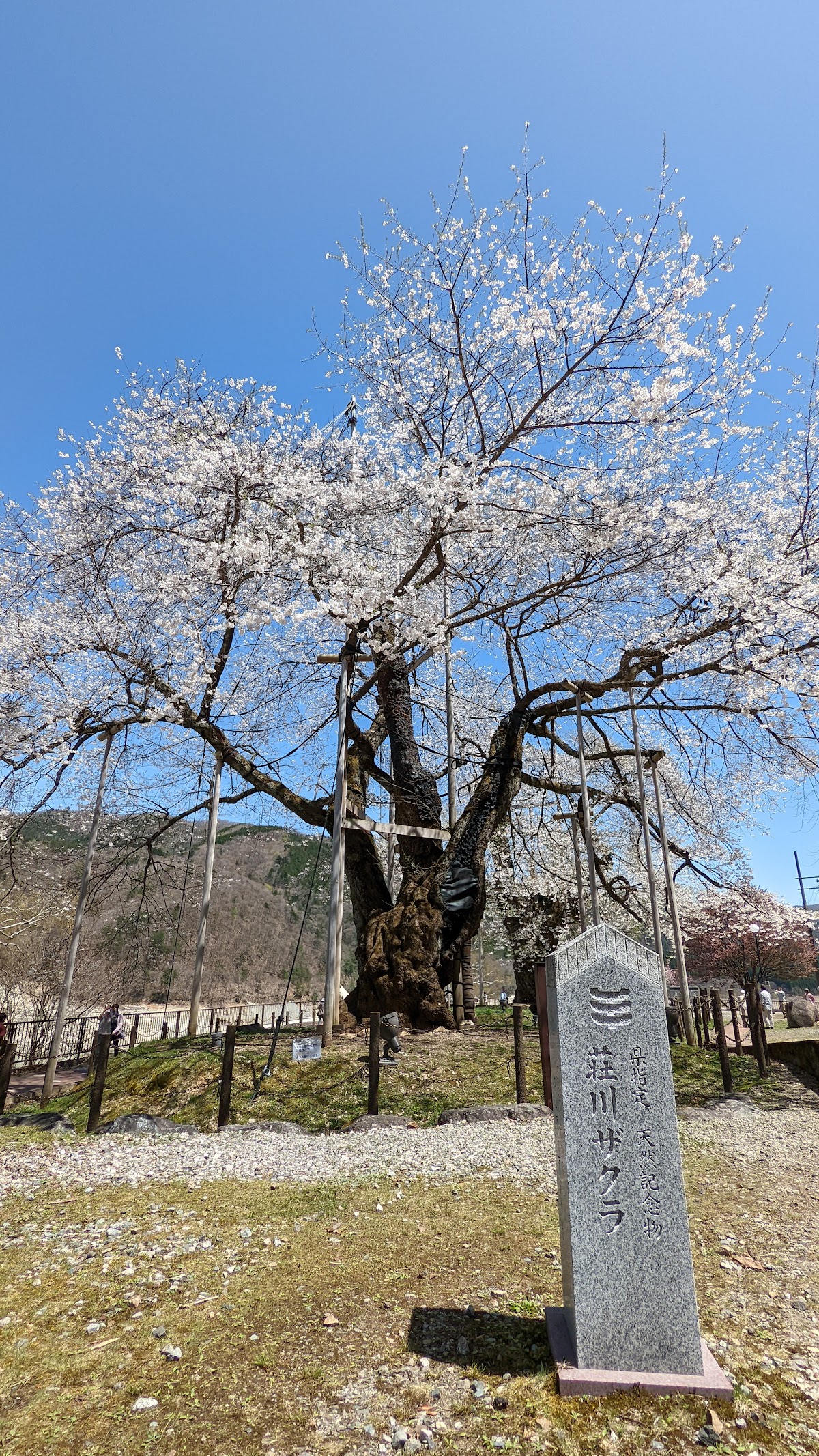
Shokawa Sakura is an ancient Edo cherry tree consisting of two specimens transplanted to the lakeside of Lake Miboroi along National Route 156 in Nakano, Shokawa Town, Takayama City, Gifu Prefecture. With a height of approximately 20 meters and a trunk circumference of about 6 meters, these giant trees are estimated to be between 450 and over 500 years old.
Characterized by very pale pink petals and a rugged trunk, the trees bloom magnificently each spring with overwhelming presence against the backdrop of Lake Miboroi’s waters. These two cherry trees are not merely ancient trees but “miraculous cherries” preserved through people’s passion and technical skill, capturing the hearts of countless tourists and cherry blossom enthusiasts.
Value as a Gifu Prefecture-Designated Natural Monument
Shokawa Sakura is designated as a Gifu Prefecture-designated natural monument, with its cultural and historical value officially recognized. Beyond merely being an ancient tree, the historical background of its transplantation, discussed below, and its vitality in continuing to bloom beautifully more than half a century later, serve as the reasons for this designation.
The Miraculous Transplantation Story | Miboroi Dam Construction and Shokawa Sakura
The greatest feature of Shokawa Sakura lies in its “transplantation story.” These two cherry trees originally stood in the grounds of two temples, Kōrin-ji and Shōren-ji, in the old Nakano district of Shokawa Village, now submerged at the bottom of the lake.
The Crisis of Submersion Due to Dam Construction
In the 1950s, as part of Japan’s energy development supporting rapid economic growth, the Miboroi Dam construction plan was advanced. This dam construction would result in the submersion of Shokawa Village’s settlements. Both Kōrin-ji and Shōren-ji temples were destined to sink beneath the lake.
At the time, most voices said that transplanting giant cherry trees over 450 years old was impossible. Moving such old trees with massive root systems had no precedent in the technology of that era, and the prospects for success seemed extremely slim.
Achieving the Great Transplantation Recorded in World Tree-Planting History
Amid voices declaring “transplantation impossible,” the determination and efforts of those involved began a challenge to make the impossible possible. Engineers at Electric Power Development Company and landscape specialists applied their expertise, and transplantation work proceeded under careful planning.
In 1960 (Showa 35), the two giant cherry trees were transplanted to their current elevated location. Even after transplantation, the risk of death remained high, and those involved continued meticulous care. Miraculously, the transplanted cherries took root and bloomed the following year.
This success was recorded as an unprecedented achievement in world tree-planting history, and while being a remarkable technical feat, this story of the deep love the local people held for these cherry blossoms continues to be told today.
Cherry Blossoms Cherished by the People of Shokawa
More than half a century after the transplantation, Shokawa Sakura continues to bloom beautifully every year. For the people of Shokawa, these cherry trees represent precious symbols preserving memories of their submerged homeland and are the crystallization of the efforts of their predecessors who overcame hardship.
The local people continue to carefully preserve Shokawa Sakura as “cherry blossoms blooming as grandly as in ancient times,” and their sight moves all who visit to profound emotion.
Peak Viewing Season and Bloom Information for Shokawa Sakura
Because Shokawa Sakura is located at a high elevation, it blooms at a relatively late time compared to other cherry blossoms in Gifu Prefecture.
Typical Peak Viewing Period
Peak Season: Late April to Early May
Shokawa Sakura’s flowering period comes two to three weeks later than lowland cherries, with peak bloom often occurring around Golden Week. The area around Lake Miboroi during this period can still be quite cool, so we recommend dressing warmly when visiting.
How to Confirm Bloom Status
Since bloom timing varies depending on that year’s weather conditions, it is important to check the latest bloom information before visiting. You can check current conditions on the official Gifu tourism site “Gifu Travel Guide,” Takayama City tourism information, and various cherry blossom bloom forecasting websites.
Particularly when traveling from a distance, begin gathering information several days before the expected full bloom date to time your visit perfectly.
Evening Cherry Blossom Illumination
During peak season, evening illumination is conducted, allowing visitors to enjoy the fantastical sight of Shokawa Sakura emerging from the darkness. The mysterious and ethereal beauty differs from the magnificent daytime appearance and is a must-see. The reflection of the blossoms on the lake surface further enhances the romantic atmosphere.
Prime Viewing Spots and Photography Points for Shokawa Sakura
Stunning Scenery with Lake Miboroi as Backdrop
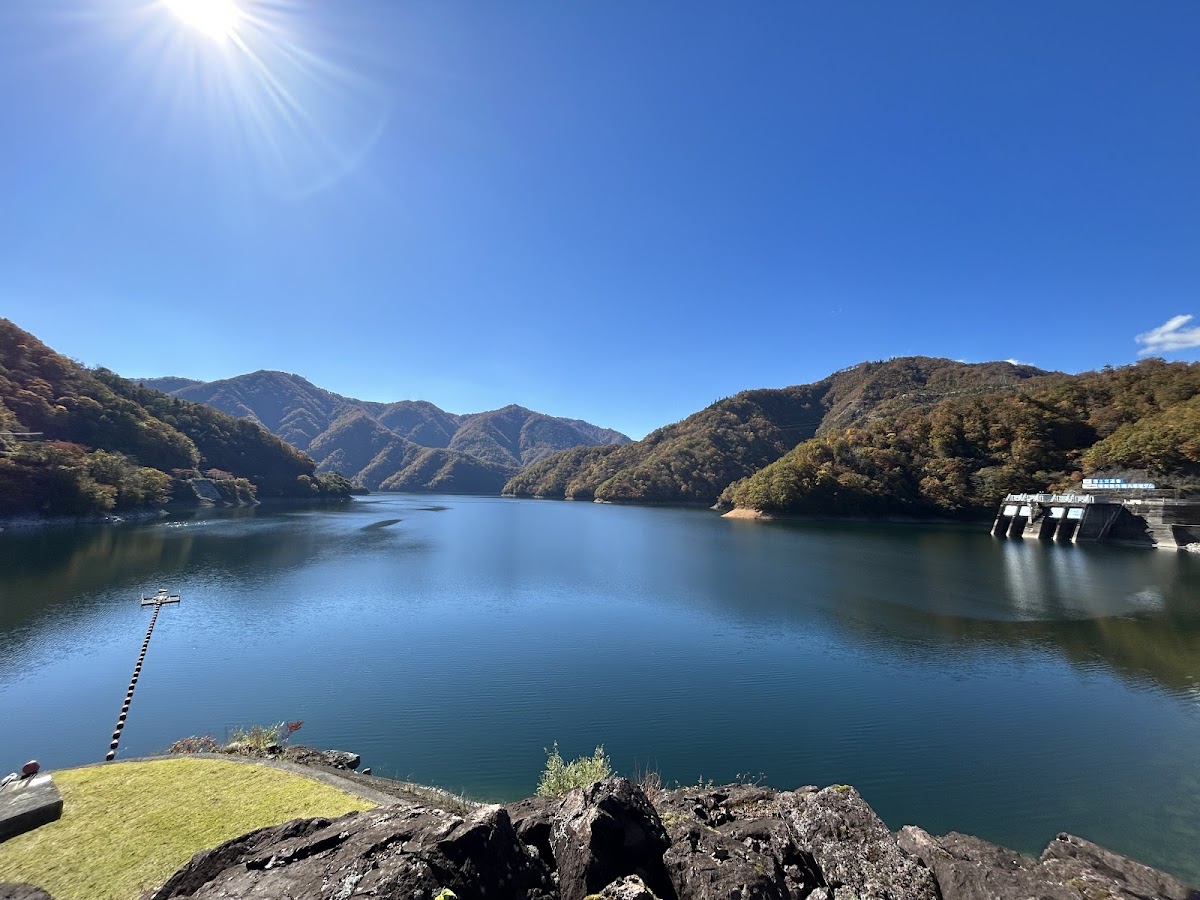
The greatest appeal of Shokawa Sakura is the majestic vista with the expansive waters of Lake Miboroi as background. The two giant cherry trees standing side by side on the lakeside observation platform present a beauty that seems painted. Particularly on clear days, the contrast between blue sky, lake, and pale pink blossoms is remarkable.
The Graceful Form of a 500-Year-Old Tree
The rugged trunk, thick branches spreading in all directions, and countless blossoms convey the dignity of a cherry tree that has lived over 500 years. Closely observing the texture of the trunk and branch structure allows one to reflect on the long history this cherry has lived.
Recommended Photography Spots
Full View from the Observation Platform
From the observation platform in Shokawa Sakura Park, both cherry trees and Lake Miboroi can be seen at a glance. While a classic composition, this spot captures the most characteristic photograph of Shokawa Sakura.
Along National Route 156
The cherry blossoms can also be viewed from along National Route 156, and photography from the vehicle is possible. However, take care to ensure safety when stopping.
Upward-Gazing Angle from the Lakeside
Viewing from beneath the cherry trees at an upward-gazing angle creates a beautiful contrast of blooming flowers and blue sky, allowing for dynamic photography.
Access to Shokawa Sakura
By Car
Access from the Tokai-Hokuriku Expressway
- Approximately 9.1 km north of Shokawa IC (approximately 15 minutes)
- Approximately 20 km south of Shirakawa-go IC (approximately 30 minutes)
Since it is located along National Route 156, following road signs makes it relatively easy to find.
Parking Information
Shokawa Sakura Park has a free parking lot. During peak season, especially during Golden Week, many tourists visit, so arriving early in the morning is recommended. Expect congestion primarily between 10 a.m. and 3 p.m.
By Public Transportation
Public transportation access is limited, and visiting by car is generally recommended. Renting a car from Takayama City or the Shirakawa-go area is convenient.
Location
Address: Nakano, Shokawa Town, Takayama City, Gifu Prefecture
Hours: Free to view at any time (also accessible at night during illumination season)
Admission: Free
Tourist Attractions Around Shokawa Sakura
Combining visits to nearby attractions when visiting Shokawa Sakura makes for a more enriching trip.
Miboroi Dam
Miboroi Dam, which prompted the transplantation of Shokawa Sakura, is one of Japan’s largest rockfill dams. The dam’s majestic appearance and Lake Miboroi’s scenery are impressive. There are exhibition facilities where you can learn about the dam’s history, allowing deeper understanding of the Shokawa Sakura story.
Shirakawa-go
Located approximately 30 minutes by car from Shokawa Sakura, this UNESCO World Heritage gassho-zukuri village settlement is famous for its distinctive architectural style. You can stroll through this beautiful village preserving Japan’s original landscape. Fresh greenery is particularly beautiful during cherry blossom season, and you can enjoy seasonal scenery throughout the year.
Takayama
The city center of Takayama is approximately one hour’s drive from Shokawa Sakura. Popular as a “Little Kyoto” with preserved old streets, this tourist destination offers abundant attractions including morning markets, sake breweries, and traditional crafts.
Michi no Eki Sakura no Sato Shokawa
Near Shokawa Sakura, this roadside station offers local specialty products and fresh produce. It is convenient for resting and dining.
Comparison with Other Famous Cherry Blossom Destinations in Gifu Prefecture
Gifu Prefecture has numerous other celebrated cherry blossom destinations besides Shokawa Sakura.
Neobara Usuzumi Sakura
Considered one of Japan’s three great cherry trees with an estimated age of over 1,500 years and designated as a national natural monument. Notable for its pale pink flowers that gradually turn white. It is the most famous single cherry blossom tree in Gifu Prefecture.
Garyū Sakura
An Edo cherry tree over 1,100 years old in Hida City. Named for its form resembling a reclining dragon, it is designated as a national natural monument.
Shin Sakaigawa Embankment Cherry Tree Alley
A cherry tree-lined avenue spanning approximately 1.2 km along the Shin Sakaigawa in Kakamigahara City. Nearly 1,000 Somei Yoshino cherry trees bloom magnificently and are selected as “Japan’s Top 100 Cherry Blossom Spots.”
Compared to these destinations, Shokawa Sakura’s greatest distinguishing features are its unique historical background as the “transplantation story” and the majestic natural landscape of Lake Miboroi serving as backdrop.
Precautions and Etiquette When Visiting Shokawa Sakura
Clothing and Belongings
Late April through early May in Shokawa Town can have low temperatures. Particularly in early mornings and evenings, it can be quite cold, so bring warm clothing. Weather can also change rapidly, so bringing rain gear is recommended.
Photography Etiquette
With many tourists visiting, careful consideration of surroundings is necessary when photographing. Avoid occupying the same spot for extended periods, and be mindful not to appear in others’ photos. Observe basic etiquette.
Cherry Tree Protection
This is a precious cherry over 500 years old. Avoid breaking branches, touching the trunk, or trampling around the roots. The consideration of each individual is vital to passing this beautiful cherry on to future generations.
Taking Trash Home
To protect the surrounding natural environment, always take trash with you. Particularly during peak season when many people visit, environmental conservation awareness is crucial.
Deepening Understanding of Shokawa Sakura’s History
Related Books and Materials
The Shokawa Sakura transplantation story has been featured in books and video works. Reading these materials before visiting deepens the emotion experienced when viewing the cherry blossoms.
Guided Tours by Local Storytellers
During peak season, guided tours by local volunteer guides may be offered. Hearing directly about conditions during transplantation and regional history further deepens understanding of Shokawa Sakura.
Shokawa Sakura and Seasonal Scenery
Shokawa Sakura displays different faces throughout the seasons, not just spring blossoms.
Summer Greenery
After the cherry blossom season ends, thick green leaves flourish, creating a refreshing landscape harmonizing with Lake Miboroi’s blue.
Autumn Foliage
From mid to late October, Shokawa Sakura’s leaves turn color, creating beautiful autumn scenery in harmony with surrounding mountains. Cherry tree autumn foliage is surprisingly little known but possesses appeal different from spring.
Winter Snow Scenery
The sight of snow-covered Shokawa Sakura and the frozen Lake Miboroi creates a winter-only beauty evoking silence and severity.
Conclusion | The Story of Emotion and Hope That Shokawa Sakura Conveys
Shokawa Sakura in Takayama City, Gifu Prefecture, is not merely a cherry blossom destination. It is the crystallization of the passion and technical skill of people who made “the impossible” “possible” amid the major transformation brought by Miboroi Dam construction, and a precious symbol preserving memories of people who lost their homeland.
Two Edo cherry trees over 500 years old continue to bloom magnificently from late April to early May each year, more than half a century after transplantation. The sight of their magnificent bloom against Lake Miboroi’s backdrop moves visitors profoundly and conveys a message of hope to overcome difficulties.
As a leading cherry blossom destination representing Gifu Prefecture and as a precious existence telling the history of Japan’s cherry blossom culture and technology, Shokawa Sakura continues to be cherished by many people. As spring arrives, please visit Shokawa and experience firsthand the overwhelming presence of this miraculous cherry and the story woven into it.
During peak season, enjoy not only the magnificent daytime appearance but also the fantastical illuminated cherry blossoms in the evening. Combining visits to nearby Shirakawa-go and Takayama will allow for an even more fulfilling Gifu Prefecture travel experience.
Shokawa Sakura is truly a “miraculous cherry” where natural beauty and human wisdom converge. Seeing it once will surely help you understand why this cherry blossom is loved as one of the most popular cherry blossom destinations in Gifu Prefecture.