
Seiunji’s Weeping Cherry Blossoms Complete Guide|Thorough Explanation of a Cherry Blossom Spot in Chichibu, Saitama Prefecture
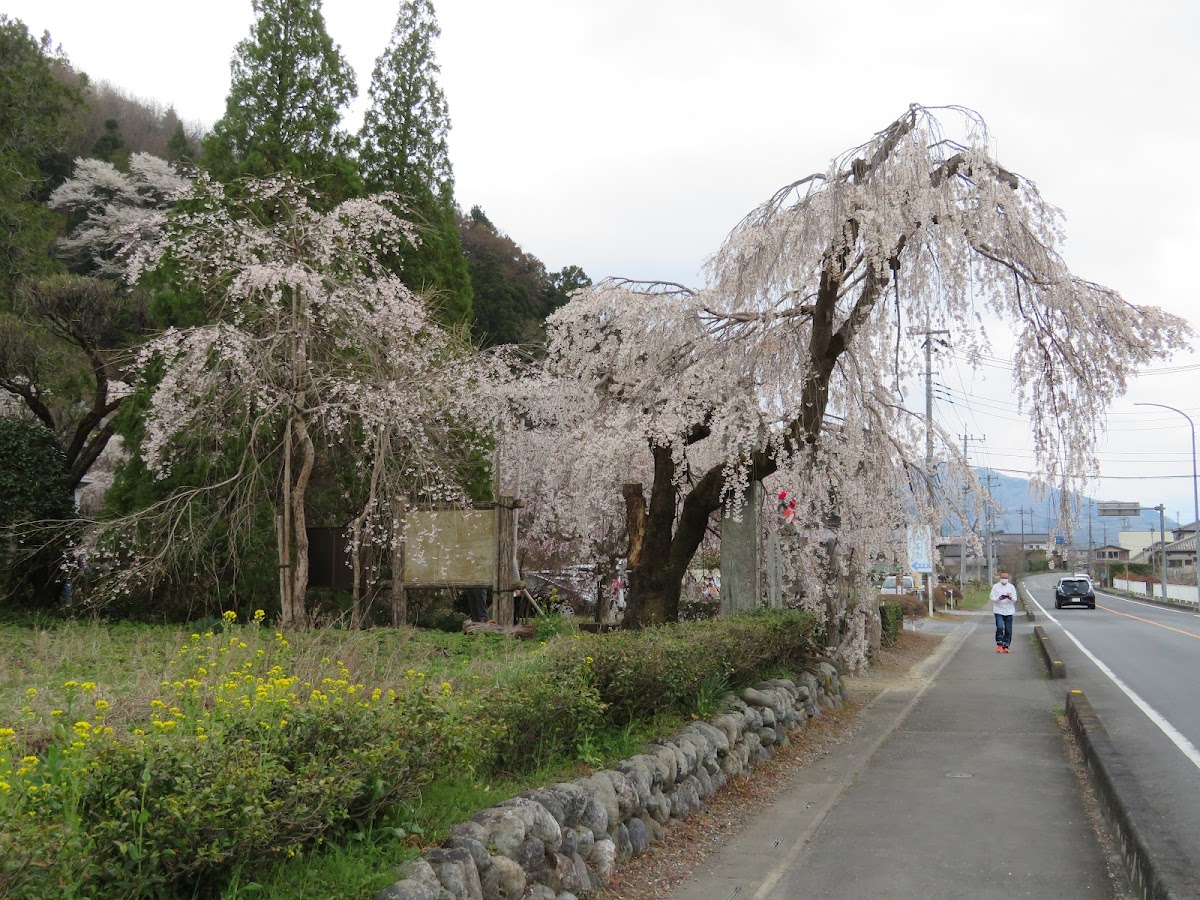
Seiunji Temple, located in the Arakawa district of Chichibu City, Saitama Prefecture, is a famous cherry blossom spot known for its weeping cherry blossoms with an age of approximately 600 years. Standing at the foot of Wakamikoyama, Iwamatsuyama Seiunji Temple features approximately 30 weeping cherry blossom trees that color the temple grounds, including a historic Edo Higan cherry that is designated as a natural monument of the prefecture. This article provides a detailed explanation of everything you should know before visiting, from the charm of Seiunji’s weeping cherry blossoms to their best viewing season, access methods, and nearby tourist attractions.
About Seiunji’s Weeping Cherry Blossoms
History and Origins
Seiunji Temple belongs to the Rinzai school of Zen Buddhism, affiliated with Kenchoji Temple, and its founding dates back to the Muromachi period. The weeping cherry blossom, said to have been planted by Baihō Kōzenji, the founder of Seiunji Temple, in 1446 (Bun’an 3), has marked nearly 600 years of history. According to another theory, it was planted in 1420 (Ōei 27), but in any case, from the Muromachi period to the present day, this precious tree has continued to herald the arrival of spring in this location.
In 1932 (Showa 7), it was designated as a natural monument of Saitama Prefecture, and it became widely known as one of the leading cherry blossom spots representing Saitama Prefecture. This 600-year-old Edo Higan cherry is a magnificent large tree with a height of approximately 15 meters and a trunk circumference of approximately 3 meters, and when spring arrives, it blooms with countless pale pink flowers that fascinate all who visit.
Types and Characteristics of Cherry Blossoms in the Temple Grounds
In addition to the Edo Higan cherry designated as a prefectural natural monument, approximately 30 weeping cherry blossom trees of various sizes are planted throughout the Seiunji Temple grounds. Because these cherry blossoms vary in species and age, the colors and bloom patterns show variation, allowing visitors to enjoy a diverse range of expressions from pale pink to deep pink.
The Edo Higan cherry is an early-blooming variety compared to Somei Yoshino, with small, soft petals that have a fluffy texture. Red weeping cherry blossoms are also found in the temple grounds, these producing flowers in a deeper color. Because different varieties have slightly staggered blooming times, enjoying cherry blossoms over a relatively long period is one of the appeals of Seiunji.
The Scenic Beauty Created by Seiunji and Cherry Blossoms
The combination of Seiunji Temple standing against the backdrop of Wakamikoyama and the weeping cherry blossoms that fill the temple grounds creates a fantastical and mystical atmosphere. The contrast between the dignity of the 600-year-old ancient tree gained through long years and its splendid appearance in spring is particularly striking.
The sight of the entire temple grounds covered with cherry blossoms is impressive, with the fusion of temple architecture and cherry blossoms embodying traditional Japanese beauty. In early morning and twilight hours, the color of the cherry blossoms changes depending on the light, showing different expressions depending on the time of day. It is also popular as a photography spot, and every year many photographers and tourists visit.
Best Viewing Time and Bloom Information
Typical Best Viewing Period
The best time to view Seiunji’s weeping cherry blossoms is typically from late March to early April. Since the Edo Higan cherry is an early-blooming variety, it tends to bloom about a week earlier than Somei Yoshino. However, the blooming period may vary depending on the climate conditions of that particular year, so it is recommended to check the latest bloom information before visiting.
Because different varieties bloom at different times, for approximately two weeks from late March to early April, some cherry blossoms are in peak bloom. Early-blooming cherry blossoms begin to fall just as late-blooming varieties reach full bloom, allowing cherry blossoms to be enjoyed over a long period. This is a characteristic feature of Seiunji.
How to Check Bloom Status
The Chichibu Tourism Association and Chichibu City’s official websites provide regular updates on the cherry blossom bloom status. As “Arakawa’s Weeping Cherry Blossom Report,” detailed reports on the bloom status of cherry blossoms including Seiunji in the Arakawa district of Chichibu City are provided, which can serve as a reference when planning a visit.
Real-time information on social media is also useful. By searching with hashtags such as “#Seiunji” or “#Seiunji Weeping Cherry Blossoms,” you can check the latest photos and bloom status posted by people who have actually visited.
Chichibu Arakawa Seiunji Weeping Cherry Blossom Festival
During the cherry blossom viewing season, the “Chichibu Arakawa Seiunji Weeping Cherry Blossom Festival” is held. During the event period, vendors are lined up, and visitors can enjoy local specialty products and light food. The event attracts many visitors and has become established as a representative spring tourism event in Chichibu.
Increased crowds are expected during the festival period, but the lively atmosphere and festive mood can be enjoyed. In some years, nighttime illumination is provided, so it is good to check the event information in advance.
Basic Information
Location and Contact Information
Location: 690 Kamidano, Arakawa, Chichibu City, Saitama Prefecture
Contact: Chichibu Tourism Association Arakawa Branch (Chichibu City Arakawa Comprehensive Branch Regional Promotion Division)
Seiunji Temple is located in the Arakawa district of Chichibu City, at the foot of Wakamikoyama. The surrounding area is blessed with natural beauty, and even outside the cherry blossom season, it is a place where you can enjoy a quiet and peaceful atmosphere.
Visiting Hours and Admission Fee
The temple grounds of Seiunji are basically open for free visits. There is no admission fee, but the temple may collect voluntary donations as a cooperation fee for the maintenance of the cherry blossoms.
There are no strict restrictions on visiting hours, but visits during reasonable hours are recommended. Visiting in the early morning or late afternoon not only allows you to avoid crowds but also has the advantage of being able to view the cherry blossoms in beautiful light.
Parking Information
Seiunji Temple has a parking lot for visitors. However, during the peak cherry blossom viewing season, especially on weekends and holidays, the lot becomes extremely congested, so arriving early is recommended.
If the parking lot is full, temporary parking areas may be set up nearby, but the number of spaces is limited. If you are concerned, consider using public transportation. The distance from the parking lot to the temple grounds is only a few minutes’ walk.
During the cherry blossom festival period, traffic control may be implemented, and surrounding roads may become congested. It is important to plan with plenty of time to spare.
Access Methods
Access by Train
Nearest Station: Chichibu Railway “Musashi Nakagawa Station”
From Musashi Nakagawa Station to Seiunji Temple is approximately 15 minutes on foot. After exiting the station and heading toward the National Route 140 direction, you will arrive by following the directional signs. The route is relatively flat, and during cherry blossom season, many tourists head in the same direction, so you are unlikely to get lost.
The Chichibu Railway is a local line connecting Kumagaya Station to Mitsumineguchi Station, and the views from the train windows also allow you to enjoy Chichibu’s natural scenery. When accessing from the metropolitan area, the typical route is to go to Kumagaya Station on the JR Takasaki Line and transfer to the Chichibu Railway.
Access by Car
When Using the Kan-Etsu Expressway:
- From Hanazono Interchange via National Route 140 (via Minano Yoriisashi Bypass/Minano Chichibu Bypass) approximately 30km, travel time approximately 50 minutes
National Route 140 is the main route toward Chichibu, with well-equipped road signs. There are also directional signs near Seiunji Temple, so using these in combination with a navigation system will allow you to arrive without getting lost.
During weekends in the cherry blossom season, National Route 140 may also become congested. Traffic jams are particularly likely to occur from late morning to early afternoon, so early morning departures or visits on weekdays are also worth considering.
Access by Bus
It is also possible to use buses from within Chichibu City, but as the number of buses is limited, it is recommended to check the schedule in advance. Seibu Kanko Bus and Chichibu City buses operate, but additional buses may be added during the cherry blossom season.
Recommended Tourist Spots Around Seiunji’s Weeping Cherry Blossoms
Temple 29 on the Pilgrimage Route, Senyuin
Senyuin, Temple 29 on the Chichibu Thirty-Four Kannon Pilgrimage Route, is located within walking distance of Seiunji and is also known as a weeping cherry blossom spot. Both are located in the Arakawa district of Chichibu City, and visiting both allows for a more enriching cherry blossom tour.
Senyuin’s weeping cherry blossom also has a history, and combined with the temple’s atmosphere, it creates a picturesque landscape. While not as large in scale as Seiunji, it is an ideal spot for those who wish to view cherry blossoms quietly.
The Chichibu Thirty-Four Kannon Pilgrimage Route
Chichibu has long been known as a pilgrimage destination, and the Chichibu Thirty-Four Kannon Pilgrimage Route is one of the most prominent pilgrimage routes in the Kanto region. Using a visit to Seiunji as an opportunity to visit several temples on this route is also recommended. Each temple has its own history and points of interest, allowing you to feel the depth of Chichibu’s culture and faith.
During the spring season, cherry blossoms and flowers are often enjoyed around the temples on the route, providing a uniquely Chichibu experience where nature, history, and faith merge.
Natural Scenery in Chichibu
Chichibu City is blessed with abundant natural beauty, and the area surrounding Seiunji is filled with beautiful natural landscapes. From mountains like Wakamikoyama to the clear waters of the Arakawa River, you can enjoy natural beauty in each of the four seasons.
For those who enjoy hiking and trekking, mountain walking in the surrounding area is also recommended. The period when you can enjoy both spring greenery and cherry blossoms at the same time is particularly beautiful and attractive to nature lovers.
Chichibu Muse Park
Moving closer to Chichibu City center, Chichibu Muse Park is also a popular tourist destination. Within this vast park are facilities such as a concert hall, art museum, swimming pool, and observation deck, providing entertainment for families throughout the day.
In spring, not only cherry blossoms but also moss phlox and tulips bloom in the park, making it known as a flower spot. This offers a different type of flower viewing than Seiunji, so if you have time, it is worth visiting.
Recommended Cuisine Around Seiunji’s Weeping Cherry Blossoms
Chichibu Soba
Chichibu is known as a region producing high-quality soba, and the city has many soba restaurants. Around Seiunji, there are also shops serving hand-made soba noodles using local soba flour, making them ideal places to stop after viewing the cherry blossoms.
Chichibu soba is characterized by its rich aroma and firm texture. Both cold zaru soba and warm kake soba can be enjoyed depending on the season. Tempura soba made with local mountain vegetables and produce is also recommended.
Chichibu Specialty Foods
Besides soba, Chichibu has various specialty dishes. “Chichibu Pork Miso Bowl,” with pork marinated in miso sauce, “Waji Katsudon,” a B-grade gourmet popular dish, and “Shakushi-na Pickles,” made from locally produced shakushi-na leaves, allow you to enjoy flavors unique to Chichibu.
At roadside stations and agricultural product direct sales shops, you can purchase fresh local vegetables and specialty products. During the cherry blossom season, spring mountain vegetables and produce are also abundant, making these ideal places to shop for souvenirs.
Cafes and Sweet Shops
Throughout Chichibu City, there are cafes and traditional sweet shops set in renovated old houses. After tiring yourself out from cherry blossom viewing, enjoying tea and sweets at a leisurely pace is also recommended.
Some shops offer sweets made with locally grown fruits or desserts made with Chichibu maple syrup, providing menus unique to Chichibu.
Hotels and Accommodations Around Seiunji’s Weeping Cherry Blossoms
Accommodations in Chichibu City
There are few large-scale hotels immediately around Seiunji, but the Chichibu City area offers various types of accommodations. Hot spring inns, business hotels, private lodges, and guesthouses are available, allowing you to choose according to your budget and preferences.
In particular, inns in the Chichibu hot spring area allow you to enjoy both hot springs and local Chichibu cuisine. During the cherry blossom season, these accommodations are very popular, so early reservations are recommended.
Accommodation Options in Surrounding Areas
There are also accommodations in surrounding areas such as Naganose and Minano. Naganose is a famous tourist destination known for Arakawa River line cruises and also has cherry blossom spots. A plan to enjoy the cherry blossoms at both Seiunji and Naganose is also popular.
If traveling by car, accommodation options expand. If planning a tour of the entire Chichibu region, staying in a conveniently located place is advisable.
Practical Advice for Visitors
Tips to Avoid Crowds
Seiunji’s weeping cherry blossoms are popular and very crowded on weekends and holidays during peak bloom. To avoid crowds, visiting on weekdays or during early morning and late afternoon hours is recommended.
Early morning in particular has fewer visitors, allowing you to view the cherry blossoms quietly under the morning sun. This is also an ideal time for photography. Additionally, during the early stages of bloom or when petals are beginning to fall, congestion is lighter compared to peak times.
Clothing and What to Bring
From late March to early April in Chichibu, days are warm but mornings and evenings can be chilly. Clothing that can be easily removed, with a jacket or sweater, is recommended.
Comfortable walking shoes are also important. While the temple grounds are paved, if exploring the surrounding areas, comfortable sneakers are appropriate. Don’t forget to bring a camera, beverages, and sunscreen.
Photography Tips
Seiunji’s weeping cherry blossoms can be photographed from various angles. You can capture the 600-year-old Edo Higan cherry from directly in front, a wide-angle composition overlooking the entire temple grounds, or close-up shots of individual cherry blossoms, with many creative approaches possible.
Compositions combining temple architecture with cherry blossoms can express traditional Japanese atmosphere. Additionally, including Wakamikoyama in the background allows you to capture the landscape where nature and history merge in your photographs.
Since the color of the cherry blossoms changes with the quality of light, visiting at different times of day is also recommended. Front lighting, backlighting, and side lighting each create different impressions in photographs.
Etiquette and Precautions
Remember that Seiunji is a religious facility and maintain proper etiquette as a visitor. Avoid speaking loudly, making noise, or entering restricted areas.
Breaking branches or touching the trees is strictly forbidden. The 600-year-old cherry tree is a valuable cultural property and must be protected carefully. Always take your trash with you and help keep the temple grounds clean.
Seiunji’s Weeping Cherry Blossoms Through the Seasons
Seiunji Beyond Spring
While Seiunji is famous as a cherry blossom spot, it is worth visiting in other seasons as well. During the fresh green season, the greenery of Wakamikoyama and the trees on the temple grounds are beautiful, allowing you to enjoy a refreshing atmosphere.
Summer’s shade is pleasant and well-suited for quiet visits. In autumn, fall foliage colors the temple grounds, displaying a different kind of color beauty from spring. Winter’s snowy landscape also has its charm, with the temple showing a distinct appearance in each of the four seasons.
Chichibu’s Appeal Throughout the Year
Chichibu offers various events and attractions throughout the year. Traditional festivals are held in each season, including the Chichibu Kawase Festival in summer, the Ryusei Festival in autumn, and the Chichibu Night Festival in winter.
The area is also rich in natural beauty, with spring cherry blossoms, summer greenery, autumn foliage, and winter snow-covered landscapes offering seasonal beauty. After visiting Seiunji’s weeping cherry blossoms, returning in a different season to rediscover Chichibu’s attractions is also recommended.
Maximizing Access and Sightseeing at Seiunji’s Weeping Cherry Blossoms
Seiunji’s weeping cherry blossoms are a representative cherry blossom spot in Saitama Prefecture, and the weight of history spanning 600 years combined with the splendid beauty displayed in spring continue to fascinate many people. Located in the natural surroundings at the foot of Wakamikoyama, harmonizing with temple architecture, and the landscape created by approximately 30 weeping cherry blossom trees offer deep emotion and peace to all who visit.
By visiting during peak bloom season while also considering crowding conditions, weather, and nearby tourist attractions when planning your trip, you can enjoy an even more fulfilling experience. You will create lasting memories as you fully enjoy Chichibu’s abundant nature, history, culture, and cuisine while spending special time under Seiunji’s weeping cherry blossoms.
The encounter with Seiunji’s weeping cherry blossoms, which continue to bloom across 600 years in Chichibu City, Saitama Prefecture, will surely become an unforgettable memory. Why not take a journey to experience the traditional beauty of Japan and the power of nature beneath the cherry blossoms that herald the arrival of spring?
Frequently Asked Questions About Seiunji’s Weeping Cherry Blossoms
Q: When is the best time to view Seiunji’s weeping cherry blossoms?
A: The typical peak viewing period is from late March to early April. Since the Edo Higan cherry is an early-blooming variety, it blooms about a week earlier than Somei Yoshino. However, the blooming period may vary depending on that year’s climate, so it is recommended to check the latest bloom information before your visit. Because different varieties bloom at different times, you can enjoy cherry blossoms over approximately two weeks.
Q: Is there an admission fee to enter Seiunji?
A: Visiting the temple grounds of Seiunji is basically free. However, the temple may collect voluntary donations as cooperation fees for the maintenance of the cherry blossoms. To help preserve this valuable cultural property, the 600-year-old cherry tree, donations are encouraged if possible.
Q: Is there parking? How crowded is it?
A: A parking lot is provided for visitors. However, during peak cherry blossom season, especially on weekends and holidays, the lot becomes extremely congested. Early arrival is recommended. Temporary parking areas may be set up nearby when the main lot is full, but spaces are limited, so consider using public transportation.
Q: How long does it take from the nearest train station?
A: Approximately 15 minutes on foot from Chichibu Railway’s “Musashi Nakagawa Station.” From the station, head toward National Route 140 and follow directional signs to arrive. The route is relatively flat, and during cherry blossom season many tourists head the same direction, so you are unlikely to get lost.
Q: Are there other recommended cherry blossom spots near Seiunji?
A: Temple 29 on the pilgrimage route, Senyuin, also located in the Arakawa district of Chichibu City, is known as a weeping cherry blossom spot. Located within walking distance of Seiunji, visiting both allows for a more enriching cherry blossom tour. There are also other cherry blossom spots scattered throughout Chichibu City, and the cherry blossoms at Chichibu Muse Park and Naganose are also popular.
Q: Is there nighttime illumination?
A: Depending on the year, nighttime illumination may be provided. This often occurs during the “Chichibu Arakawa Seiunji Weeping Cherry Blossom Festival” period, so it is good to check event information in advance. Illuminated night cherry blossoms create a fantastical atmosphere, offering a different experience from daytime viewing.
Q: How can I avoid crowds?
A: Visiting on a weekday or during early morning or late afternoon hours is recommended. Early morning in particular has fewer visitors, allowing for quiet cherry blossom viewing. Also, during the early stages of bloom or when petals begin to fall, crowds are lighter compared to peak times. Days with poor weather also tend to be less crowded, though sunny days are ideal for enjoying the cherry blossoms’ beauty to the fullest.