Cherry Blossoms of Sapo River | Complete Guide to Nara Prefecture’s Representative Cherry Blossom Viewing Spot: Highlights, History, and Access
The Sapo River flowing through the central part of Nara City, Nara Prefecture, features a cherry blossom avenue stretching approximately 5 kilometers and is one of the most renowned cherry blossom viewing spots in Nara Prefecture. The sight of approximately 1,000 Somei Yoshino cherry trees blossoming along the banks of this historic river, which has been celebrated in the Man’yoshu anthology, is truly spectacular. Alongside Nara Park and Mount Yoshino, the Sapo River stands as a representative cherry blossom spot of the ancient capital Nara, attracting numerous flower viewing enthusiasts every year.
This article comprehensively introduces information about the charm of Sapo River’s cherry blossoms, historical background, optimal viewing season, access methods, and surrounding tourist spots to help you fully enjoy the Sapo River cherry blossoms.
What is the Sapo River | A Historic Waterway Celebrated in the Man’yoshu
The Sapo River is a first-class river in the Yamato River system flowing through Nara City’s urban area. It flows through the northern part of the Nara Basin in a north-south direction and ultimately merges with the Yamato River.
Deep Connection Between the Man’yoshu and Sapo River
The Sapo River has been known as an “utamakura” (poetry topic) since ancient times, with numerous poems about the Sapo River included in the Man’yoshu anthology. The beauty of the Sapo River in spring, in particular, has been cherished by people since the Man’yoshu era.
Poems such as “Sapo River’s small stones stepped across, on the night the dark horse comes—is it a night that comes but once a year?” serve as valuable cultural heritage that conveys the life and scenery of ancient people to the present day.
Today, the sight of cherry blossoms blooming along the banks of this historic river evokes the unique atmosphere of the ancient capital Nara.
Characteristics and Appeal of Sapo River’s Cherry Blossom Avenue
Cherry Blossom Tunnel Stretching About 5 Kilometers
The greatest characteristic of Sapo River’s cherry blossom avenue is its impressive scale. The avenue of cherry blossoms continues for approximately 5 kilometers, from Horen-cho in Nara City to around Shichijo-cho near the border with Yamato Koriyama City. This is the largest-scale cherry blossom avenue in Nara City and among the most significant in the prefecture.
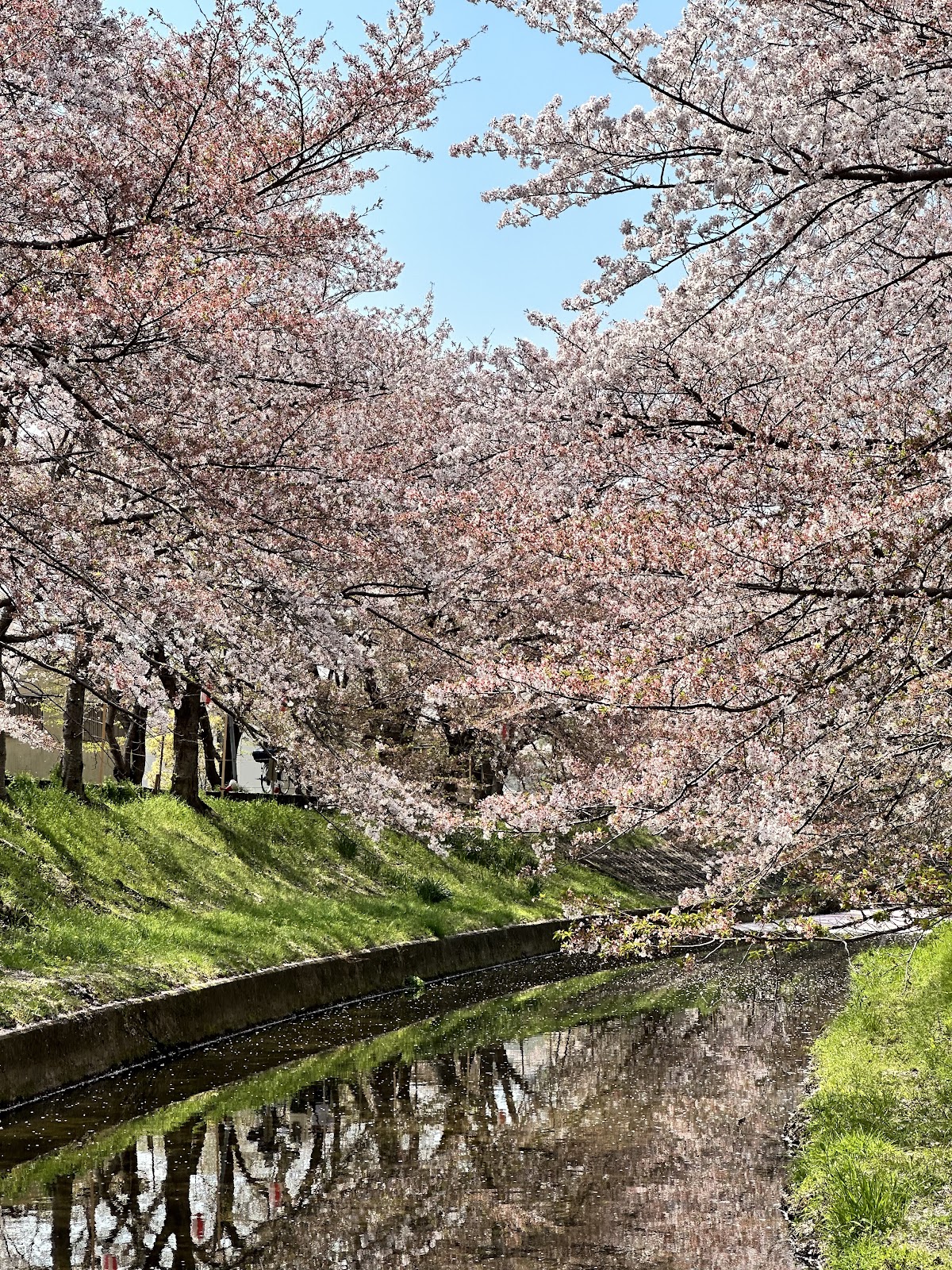
When the cherry blossoms planted on both banks of the river reach full bloom, a pink tunnel of blossoms forms, creating a truly spectacular sight. Flower viewing while walking along the endlessly continuing cherry blossom avenue offers an experience unattainable at other cherry blossom viewing spots.
Approximately 1,000 Somei Yoshino Trees
Along the Sapo River, approximately 1,000 Somei Yoshino cherry trees have been planted. Somei Yoshino is the most common cherry blossom variety in Japan, characterized by pale pink flowers. The landscape of Somei Yoshino blooming all at once is beloved as a harbinger of spring by both local residents and tourists.
The image of cherry blossoms reflected in the river surface is also beautiful, and the view of the Sapo River, surrounded on both sides by cherry blossom avenues from the riverbank, has been designated as a Nara Prefecture Landscape Asset.
History of Kawaji Sakura
The cherry blossoms of the Sapo River are also called “Kawaji Sakura.” This name originates from the tree-planting efforts of Kawaji Toshiakira (1802-1864), who served as Nara magistrate during the late Edo period.
Kawaji Toshiakira assumed office as Nara magistrate in 1852 (Kaei 5) and planted cherry trees along the Sapo River during his tenure. Among the cherry trees planted at that time, ancient trees exceeding 180 years in age remain today, evoking the weight of history.
Due to this historical background, the cherry blossoms of the Sapo River hold value not merely as a cherry blossom viewing spot, but also as a cultural heritage continuing from the Edo period.
Optimal Viewing Season for Sapo River Cherry Blossoms
Bloom and Peak Bloom Periods
The optimal viewing season for Sapo River cherry blossoms is typically from late March to early April. While the specific bloom timing varies somewhat depending on climate conditions, the schedule generally follows this pattern:
- Bloom: Late March (around March 25)
- Peak Bloom: Early April (around April 1-5)
- Optimal Viewing Period: Approximately 7-10 days from initial bloom
When planning for the 2026 cherry blossom season, it is recommended to check bloom forecasts from mid-March and target weekends from late March to early April.
Weather-Related Fluctuations in Optimal Viewing Period
The cherry blossom bloom timing is greatly influenced by that year’s temperature and weather conditions. In warm winters, blooming occurs earlier, while in cold years, it is delayed. Additionally, weather conditions after peak bloom are important—prolonged strong winds or rain can cause early scattering of blossoms.
Currently, bloom status is shared in real-time through the Internet and social media, so checking the latest information before visiting is recommended.
How to Enjoy Sapo River Cherry Blossoms
Walking Along the Riverside Pathway
The most recommended way to enjoy the Sapo River cherry blossoms is to slowly walk along the riverside pathway. Walking the entire approximately 5-kilometer cherry blossom avenue takes about 1.5 to 2 hours, though you can also turn back partway or spend time leisurely at your favorite spot.
Particularly, the area around Nara Prefectural Library and Information Center offers spectacular views and is a popular spot attracting many flower viewers. In this area, not only walking through the cherry blossom tunnel along the pathway but also the view of the Sapo River surrounded by cherry blossom avenues on both sides is magnificent.
Picnicking by the River
There are places along the Sapo River where you can spread a leisure sheet and have a picnic. The experience of eating a packed lunch while listening to the gentle flow of the river and viewing the cherry blossoms is popular with families.
However, during crowded weekends or peak bloom periods, securing a spot may be difficult, so arriving early is recommended.
Photography Spots
The Sapo River cherry blossom avenue is also an ideal location for photography. Here are some recommended photography points:
- Area around Nara Prefectural Library and Information Center: Cherry blossoms densely line both banks of the river, forming a beautiful blossom tunnel
- Around Shimo-Chokei Bridge: From the bridge, you can overlook the cherry blossom avenue along the river
- Near the JR Sapo River Railway Bridge: The collaboration between the railway bridge and cherry blossoms makes for excellent photography
Photographing in soft morning light yields more beautiful images. Additionally, cherry blossoms at dusk have a fantastical atmosphere.
Sapo River Cherry Blossom Festival and Events
Sapo River and Kawaji Sakura Festival
The “Sapo River and Kawaji Sakura Festival” is held annually during the peak cherry blossom season. This historic event, now in its 30th year or more in 2026, is held along the Sapo River between Shimo-Chokei Bridge and the JR Sapo River Railway Bridge.
At this festival, performances and food stalls operated by local organizations line the area, allowing visitors to enjoy cherry blossoms while experiencing local culture. Exhibitions conveying the history of tree-planting by Kawaji Toshiakira are also held, providing an educational component.
Sapo River Cherry Blossom Festival Lighting Event
As an event for enjoying night-time cherry blossoms, the “Sapo River Cherry Blossom Festival Lighting Event” is also held. Lanterns and lights are installed along the cherry blossom avenue, and cherry blossoms are illuminated at night.
This event, allowing the enjoyment of cherry blossoms in a fantastical atmosphere different from daytime, is particularly popular with couples and photography enthusiasts. However, as the event dates are limited, checking information in advance is recommended.
Access to Sapo River Cherry Blossoms
Access by Train
Since the Sapo River cherry blossom avenue extends approximately 5 kilometers, multiple access points are available.
Access from JR Nara Station
- About 15 minutes walk north from JR Nara Station to reach the Sapo River cherry blossom area
- The route heading toward the Meiji-era Railroad Memorial Park from the station is easy to understand
Access from Kintetsu Shin-Omiya Station
- About 10 minutes walk from Kintetsu Shin-Omiya Station
- This station is closest to the cherry blossom avenue near Nara Prefectural Library and Information Center
When using public transportation, Kintetsu Shin-Omiya Station is the most accessible.
Driving and Parking
When visiting by car, the following routes are convenient:
- Kyoto-Nara Expressway: About 15 minutes from Kizu IC
- Second Hannan Expressway: About 20 minutes from Hokurai IC
However, during peak cherry blossom season, particularly on weekends, surrounding roads become congested. Additionally, since there are almost no dedicated parking lots along the Sapo River, you will need to use paid parking lots in the surrounding area.
Recommended Parking Lots
- Nara Prefectural Library and Information Center parking lot (paid)
- Coin parking around JR Nara Station
To avoid congestion, using public transportation is recommended.
Bus Access
You can also access the area using Nara Traffic Bus.
- From JR Nara Station or Kintetsu Nara Station, board a bus heading to “Oshiguma” or “Gakuen-mae”
- Get off at bus stops such as “Horen-cho” or “Nara General Medical Center”
It is only a few minutes walk from the bus stop to the Sapo River.
Tourist Spots Around the Sapo River
After enjoying the Sapo River cherry blossoms, consider visiting nearby tourist attractions.
Heijo Palace
Located on the east side of the Sapo River, Heijo Palace was the central facility of Heijo-kyo, the capital during the Nara period. The vast grounds feature reconstructed gates including the Suzaku Gate and Daigoku Hall, allowing visitors to experience ancient history.
From Heijo Palace to the Sapo River is within walking distance, and during cherry blossom season, a sightseeing route combining both Heijo Palace and the Sapo River cherry blossoms is popular.
Nara Park
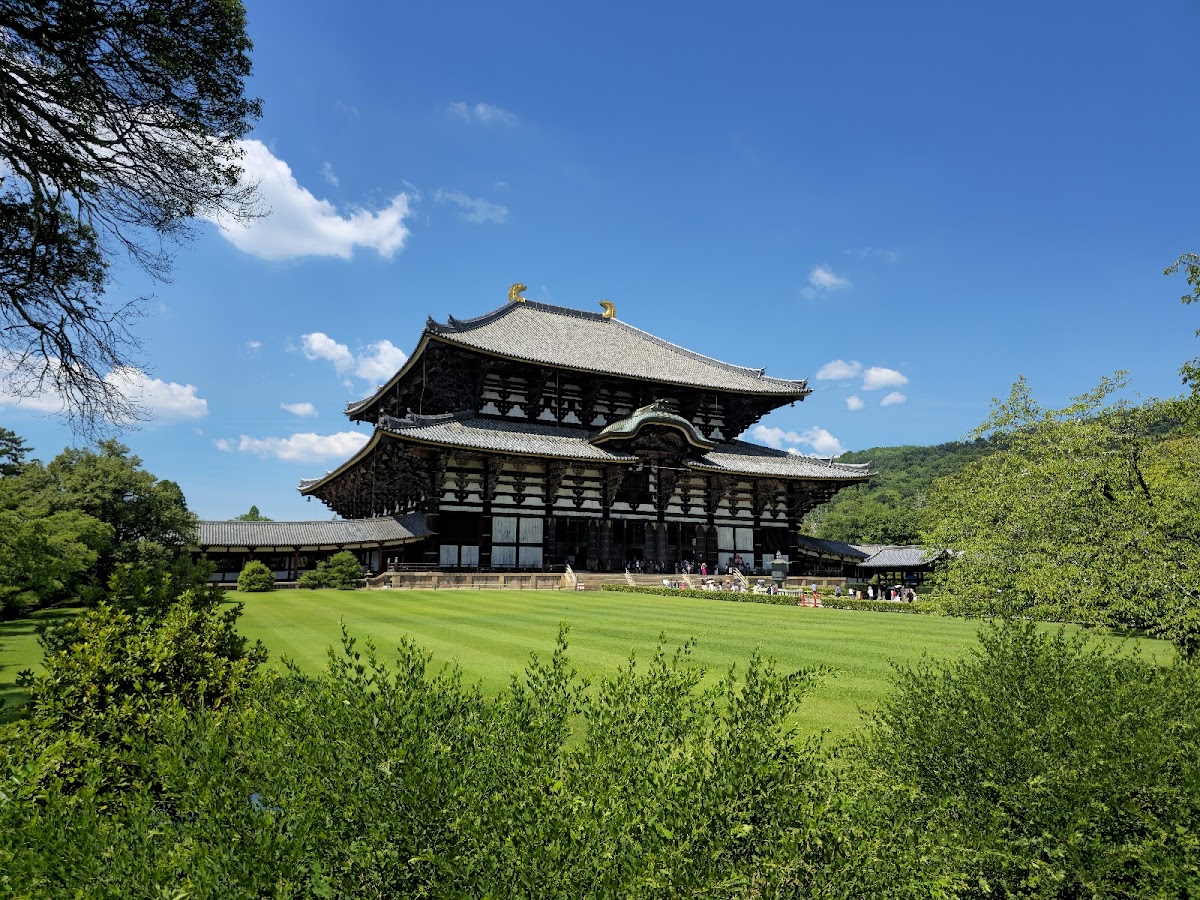
Located approximately 2 kilometers south of the Sapo River, Nara Park is also a representative tourist spot of Nara. It contains world heritage sites including Todai-ji Temple, Kasuga Taisha, and Kohfu-ji Temple, and is famous for allowing visitors to interact with deer.
Nara Park also has many cherry trees planted, offering cherry blossom viewing with a different atmosphere from the Sapo River. If time permits, visiting both spots is recommended.
Nara Prefectural Library and Information Center
Located along the Sapo River, Nara Prefectural Library and Information Center is a distinctive building designed by architect Kisho Kurokawa. In addition to library functions, the facility features a café and gallery, and during cherry blossom season, you can view the cherry blossom avenue from inside the building.
It is also an ideal rest spot, making it perfect for stopping by during your cherry blossom exploration.
Comparison Between Sapo River Cherry Blossoms and Other Cherry Blossom Viewing Spots in Nara Prefecture
Differences from Mount Yoshino Cherry Blossoms
Mount Yoshino and the Sapo River are often compared as representative cherry blossom viewing spots of Nara Prefecture.
Characteristics of Mount Yoshino
- Approximately 30,000 cherry trees cover the entire mountain, making it one of Japan’s largest cherry blossom viewing spots
- Centered on wild cherry blossoms with Lower, Middle, Upper, and Inner Thousand sections that can be enjoyed over an extended period due to elevation differences
- Numerous world heritage temples and shrines
Characteristics of Sapo River
- About 1,000 Somei Yoshino trees line approximately 5 kilometers of riverside
- Flat pathways that are easy to walk, ideal for families
- Easily accessible from central Nara City
While Mount Yoshino overwhelms in scale and historical significance, the Sapo River’s appeal lies in offering a full-scale cherry blossom avenue experience while remaining in an urban area.
Differences from Nara Park Cherry Blossoms
Nara Park is also known as a cherry blossom viewing spot but offers different appeal from the Sapo River.
Characteristics of Nara Park
- Collaboration between historically significant structures like Todai-ji and Kohfu-ji temples and cherry blossoms
- Ability to photograph both deer and cherry blossoms together
- Various cherry blossom varieties scattered throughout
Characteristics of Sapo River
- Continuous cherry blossom avenue landscape
- Combination of river flowing sounds with cherry blossoms
- Relatively less crowded, allowing for leisurely enjoyment
While Nara Park excels in comprehensive appeal as a tourist destination, the Sapo River is recommended for those wishing to purely enjoy the cherry blossoms themselves.
Differences from Hase-dera Temple Cherry Blossoms
Hase-dera Temple in Sakurai City is another cherry blossom viewing spot in Nara Prefecture.
Characteristics of Hase-dera Temple
- Approximately 1,000 cherry trees within the temple grounds
- Beautiful combination of the climbing corridor and cherry blossoms
- Also famous as a temple of peonies, with peony viewing possible after cherry blossom season
Characteristics of Sapo River
- Free to enjoy (Hase-dera requires an admission fee)
- Longer distance of cherry blossom avenue
- Different experience of riverside strolling
Each offers distinct appeal, so visiting multiple spots is recommended if time permits.
Precautions and Etiquette for Enjoying Sapo River Cherry Blossoms
Tips for Avoiding Crowds
Since the Sapo River cherry blossoms are a popular spot, weekends during the viewing season attract many people. Here are tips for avoiding crowds and enjoying the experience comfortably:
- Weekday Visits: If possible, visiting on weekdays results in fewer crowds than weekends
- Early Morning Hours: Before 8 AM, fewer people are present and the conditions are ideal for photography
- Evening and Later: From evening onward, the area is relatively uncrowded, and sunset-time cherry blossoms are also beautiful
Cherry Blossom Viewing Etiquette
Proper etiquette is important for allowing long-term enjoyment of the Sapo River cherry blossoms.
- Take All Trash With You: Since trash cans are limited, take all litter with you
- Do Not Break Cherry Branches: Do not break or pull branches, even for commemorative photographs
- Spot-Holding Rules: Avoid occupying spaces for extended periods and share the space in a spirit of cooperation
- Noise Consideration: Some areas are near residential neighborhoods, so keep voices and music at modest levels
Weather Preparedness
Since spring weather is changeable, the following precautions are recommended:
- Carry Rain Gear: Even if the forecast is sunny, bringing a compact umbrella is prudent
- Cold Weather Protection: Mornings and evenings can be chilly, so bring a sweater or jacket
- Sun Protection: Daytime can be sunny, so consider a hat and sunscreen
History and Cultural Value of Sapo River Cherry Blossoms
From the Man’yoshu Era to Present
The Sapo River has been celebrated in poetry since the Man’yoshu era, making it a river with deep historical roots. The fact that multiple poems about the Sapo River are included in the Man’yoshu shows that it was a familiar and cherished place for ancient people.
During the late Edo period, Nara magistrate Kawaji Toshiakira undertook cherry tree planting, establishing the foundation of the current cherry blossom avenue. The cherry trees have been carefully protected and replanted since the Meiji period, growing to the current scale of approximately 1,000 trees.
Value as a Nara Prefecture Landscape Asset
The Sapo River cherry blossom avenue, particularly the landscape around Nara Prefectural Library and Information Center, has been designated as a “Nara Prefecture Landscape Asset.” This system aims to preserve Nara Prefecture’s outstanding landscapes and pass them on to future generations.
Through this designation, the Sapo River cherry blossom avenue is officially recognized not merely as a tourist attraction but as a valuable landscape resource of Nara Prefecture, with ongoing preservation and utilization efforts.
Relationship with Local Community
The Sapo River cherry blossoms are important to the local community. The annual cherry blossom festival, operated primarily by local residents, serves as an opportunity to deepen community bonds.
Daily cleaning activities and cherry blossom protection activities are also supported by local residents and volunteers. This community dedication sustains the beautiful cherry blossom avenue.
Cherry Blossom Photography Techniques for the Sapo River
Recommended Photography Times
The selection of time is crucial for photographing Sapo River cherry blossoms beautifully.
Early Morning (Sunrise to around 8 AM)
- Soft morning sunlight gently illuminates the cherry blossoms
- Few people around, allowing for exclusive cherry blossom avenue experiences
- Morning mist sometimes creates fantastical photographs
Dusk (Around sunset)
- Cherry blossoms illuminated by the setting sun glow orange
- Magic hour light creates beautiful images
- When night-time lighting events occur, the collaboration between lights and blossoms is special
Composition Pointers
Here are composition tips for effectively photographing Sapo River cherry blossoms:
- River Reflections: Including cherry blossoms reflected in the river water adds depth to the image
- Blossom Tunnel: Utilizing perspective to capture the expanse of the cherry blossom tunnel
- Bridge Combinations: Using a bridge as an accent point strengthens the composition
- Human Figures: Small human figures in the composition help express the scale of the cherry blossom avenue
Photographing Gyoiko Cherry Blossoms
The Sapo River features the rare “Gyoiko (court robes)” cherry blossom variety. Gyoiko cherry blossoms produce green flowers, a rarity, with peak bloom around mid-April, slightly later than Somei Yoshino.
Since green cherry blossoms are unusual and photogenic, visiting specifically for this variety has distinct value from Somei Yoshino viewing.
Model Courses for Enjoying Sapo River Cherry Blossoms
Half-Day Course (approximately 3 hours)
A half-day course focused on enjoying Sapo River cherry blossoms:
- Arrival at Kintetsu Shin-Omiya Station (9:00 AM)
- Cherry Blossom Exploration Around Nara Prefectural Library and Information Center (9:10 AM-10:00 AM)
- Leisurely explore the area considered most beautiful
- Walk North Along the Sapo River (10:00 AM-11:00 AM)
- Enjoy the cherry blossom avenue heading toward Horen-cho
- Rest at Meiji-era Railroad Memorial Park (11:00 AM-11:30 AM)
- Return Toward JR Nara Station (11:30 AM-12:00 PM)
Full-Day Course (approximately 6 hours)
A full-day course combining Sapo River cherry blossoms with nearby sightseeing:
- Arrival at JR Nara Station (9:00 AM)
- Sapo River Cherry Blossom Avenue Exploration (9:30 AM-11:30 AM)
- Explore from Meiji-era Railroad Memorial Park to the area around the library
- Lunch Break at Nara Prefectural Library and Information Center (11:30 AM-1:00 PM)
- Visit Heijo Palace (1:30 PM-3:00 PM)
- View the Suzaku Gate, Daigoku Hall, and other sites
- Move to Nara Park (3:30 PM onward)
- Tour Todai-ji Temple, Kasuga Taisha, and other attractions
Photography-Focused Course (approximately 4 hours)
A course for those wishing to focus on photography:
- Arrive at Location at 5:30 AM
- Begin photography as the sun rises
- Morning Cherry Blossom Photography Around Nara Prefectural Library and Information Center (5:30 AM-7:00 AM)
- Breakfast Break (7:00 AM-8:00 AM)
- Photography Around Shimo-Chokei Bridge (8:00 AM-9:00 AM)
- Photography Near JR Sapo River Railway Bridge (9:00 AM-10:00 AM)
Conclusion: Sapo River Cherry Blossoms—A Spring Scenic Wonder Representing Nara
The Sapo River cherry blossom avenue, with approximately 1,000 Somei Yoshino cherry trees blooming along approximately 5 kilometers of riverbank, is one of Nara Prefecture’s most renowned cherry blossom viewing spots. Along this historic river celebrated in the Man’yoshu since ancient times, the Kawaji Sakura planted in the late Edo period continues to create beautiful scenery today.
Easily accessible from central Nara City with flat pathways ideal for families, the Sapo River offers distinct appeal differing from Mount Yoshino and Nara Park—the unique charm of a riverside cherry blossom avenue.
Optimal viewing season is typically late March to early April. During this period, events including the Sapo River and Kawaji Sakura Festival and the Sapo River Cherry Blossom Festival Lighting Event are held, allowing enjoyment of cherry blossoms day and night.
When visiting the ancient capital of Nara in spring 2026, be sure to visit the Sapo River cherry blossom avenue to experience the beautiful landscape created by the interplay of history and nature. The experience of walking through the approximately 5-kilometer cherry blossom tunnel will surely become an unforgettable memory.