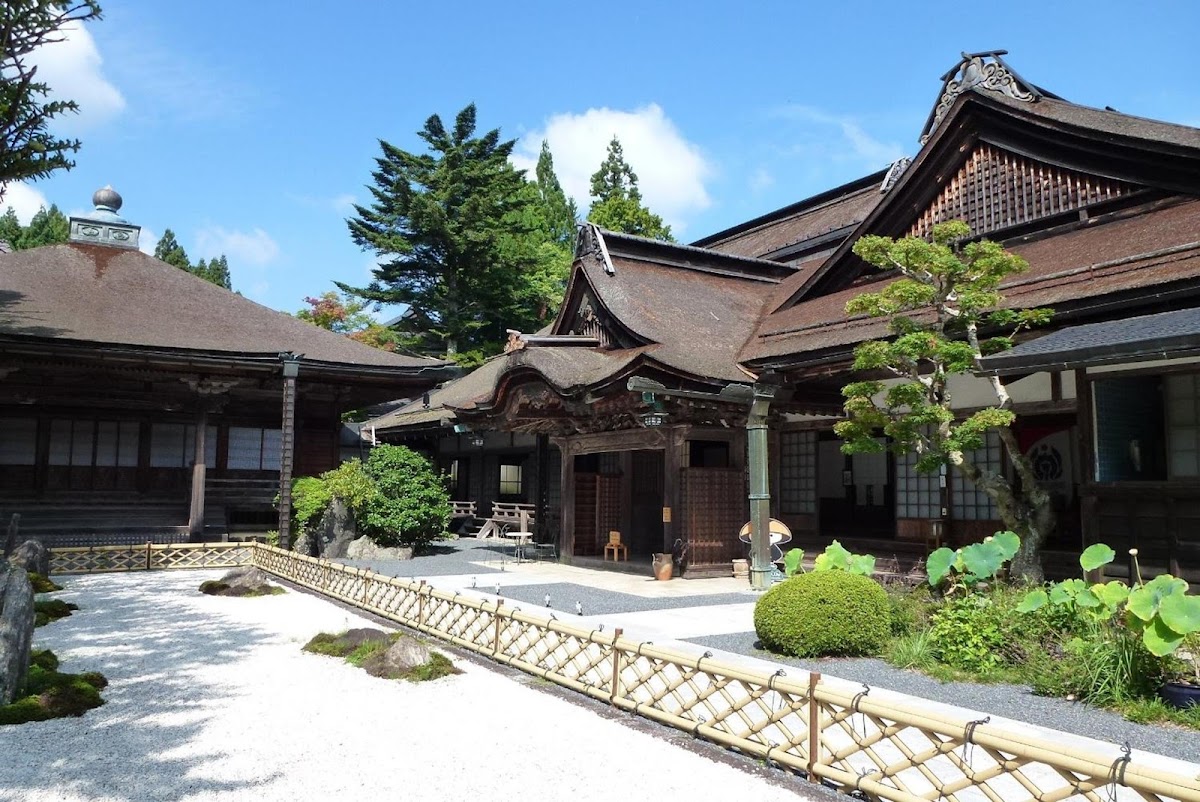
Complete Guide to Cherry Blossoms at Koya | Enjoying Spring’s Spectacular Views at Wakayama Prefecture’s World Heritage Site
Koya, located in Koya Town, Ito District, Wakayama Prefecture, is known as a sacred site of Shingon esoteric Buddhism founded by Kobo Daishi (Kukai). This spiritual sanctuary, spread across a mountaintop at approximately 900 meters elevation, was registered as a World Heritage Site in 2004 as “Sacred Sites and Pilgrimage Routes in the Kii Mountain Range,” attracting numerous pilgrims from around the world. When spring arrives, this sacred area is adorned with cherry blossoms, creating a unique landscape found nowhere else.
This article comprehensively introduces cherry blossom viewing spots at Koya, including information about peak viewing times, access methods, photography spots, and flower viewing experiences at temple lodgings to help you fully enjoy the cherry blossoms at Koya.
Why Koya’s Cherry Blossoms Are Special
The Performance of World Heritage and Cherry Blossoms
What sets Koya’s cherry blossoms apart from other famous sites is the opportunity to view cherry blossoms at a World Heritage temple ground with over 1,200 years of history. The contrast between the scarlet Konpon Daito pagoda and Kongobuji temple with the cherry blossoms truly embodies Japan’s unique beauty.
At Koya, home to 117 temples as the head temple of Shingon Buddhism, cherry trees are planted throughout the temple grounds, along pathways, and leading to Okunoin, offering the unique experience of enjoying flower viewing while on pilgrimage.
Late-Blooming Cherry Blossoms Created by High Elevation
Due to its high elevation and temperature differences, Koya’s cherry blossoms bloom approximately two weeks later than those in the lowlands of Wakayama Prefecture. The typical peak viewing period is mid to late April, making it a major attraction to enjoy cherry blossoms even after they’ve fallen in the lowlands.
Furthermore, the temperature differences due to elevation create subtle variations in blooming times across different areas, allowing cherry blossoms to be enjoyed over an extended period. Many late-blooming varieties are planted, and cherry blossoms can sometimes be seen through Golden Week.
Diverse Cherry Blossom Varieties
Koya features diverse cherry blossom varieties including Somei Yoshino, weeping cherry, wild Yamato cherry, and peony cherry. Since each variety blooms at different times, visitors can enjoy different expressions of cherry blossoms depending on when they visit.
Ten Best Cherry Blossom Viewing Spots and Recommended Locations at Koya
1. Danjo Garan
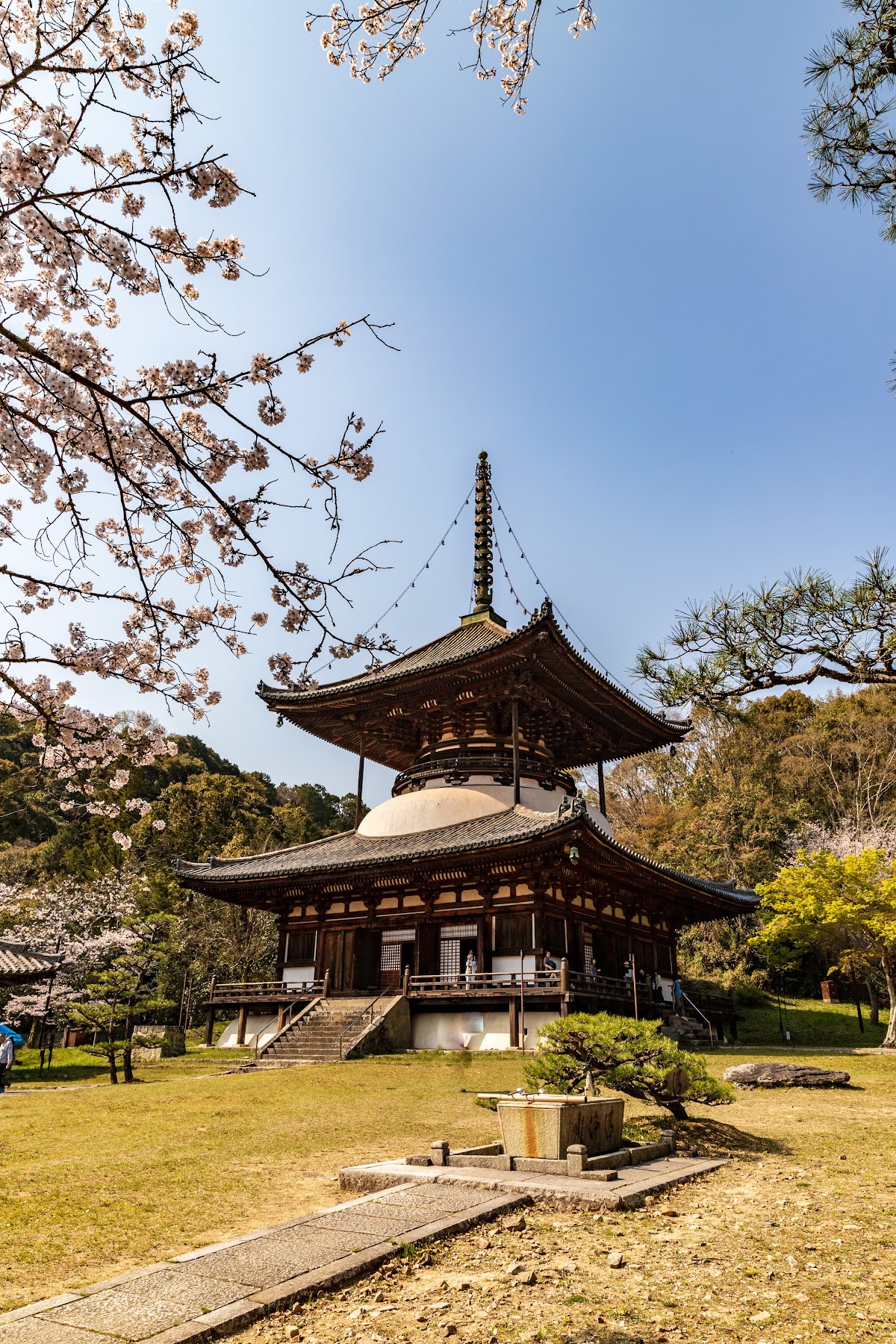
Danjo Garan, the central sacred site of Koya, is the most popular cherry blossom viewing area. The scarlet Konpon Daito pagoda is surrounded by blooming cherry blossoms, creating a pleasant atmosphere in spring.
Cherry trees are planted throughout the temple grounds, with particularly spectacular Somei Yoshino visible near the Kondo Hall and in front of the Mirokudomae. Visiting early in the morning when pilgrims are few allows for leisurely appreciation of the cherry blossoms and historic structures.
Highlights: Contrast between Konpon Daito and cherry blossoms, cherry blossom scenery spreading throughout the grounds
Address: 152 Koya, Koya Town, Ito District, Wakayama Prefecture
Visiting hours: 8:30~17:00 (Last entry 16:30)
Admission: Kondo Hall and Konpon Daito 500 yen each
2. Kongobuji Temple
Kongobuji, the head temple of the Shingon School of Buddhism, is a spectacular spot where the dignified temple architecture harmonizes with cherry blossoms. Somei Yoshino trees line the approach from the main gate, creating a magnificent cherry blossom tunnel in spring.
The temple garden “Banryu-tei” is known as one of Japan’s largest rock gardens and becomes a luxurious space where you can enjoy both the stone garden and cherry blossoms during the flower season.
Highlights: Cherry blossom-lined approach, combination of Banryu-tei and cherry blossoms
Address: 132 Koya, Koya Town, Ito District, Wakayama Prefecture
Visiting hours: 8:30~17:00 (Last entry 16:30)
Admission: 1,000 yen (high school students and above)
3. Seijojin Temple
Founded by Kobo Daishi, Seijojin is a temple lodging with the second-largest scale after Kongobuji and is known as one of Koya’s premier cherry blossom viewing sites.
Approximately 100 cherry trees are planted throughout the grounds, with the weeping cherry blossoms being particularly beautiful. As a temple lodging, overnight stays are possible, and enjoying shojin (vegetarian) cuisine while viewing cherry blossoms after morning prayer services is a luxurious experience available nowhere else.
Highlights: Cherry blossoms spreading throughout the temple grounds, groves of weeping cherry
Address: 566 Koya, Koya Town, Ito District, Wakayama Prefecture
Visiting hours: Confirmation required (as it is a temple lodging)
Accommodations: Available (reservations required)
4. Okunoin Approach
The approximately 2-kilometer Okunoin approach leading to Kobo Daishi’s Mausoleum is a sacred space lined with over 200,000 graves and memorial towers. Cherry trees bloom among thousand-year-old cedar groves, creating a unique atmosphere.
Cherry blossoms dot the path from Ichinohashi to the mausoleum, allowing you to enjoy flowers amid a solemn atmosphere. The area around Nakanohashi is particularly rich with cherry trees and popular for photography.
Highlights: Contrast between cedar groves and cherry blossoms, enjoying flower viewing in a sacred atmosphere
Address: 550 Koya, Koya Town, Ito District, Wakayama Prefecture (Ichinohashi)
Visiting hours: Open year-round (Lantern Hall 6:00~17:30)
Admission: Free
5. Nyonindo Hall
Built as the closest point where women could worship at Koya, which was once a women’s prohibited sacred site, Nyonindo Hall now serves as a gateway welcoming many pilgrims.
Numerous cherry trees are planted in the surrounding area, and it is also known as a viewpoint overlooking the entire Koya area. The view of Koya’s townscape through cherry blossoms is spectacular.
Highlights: Views of Koya’s townscape and cherry blossoms, historical significance
Address: 709 Koya, Koya Town, Ito District, Wakayama Prefecture
Visiting hours: Open year-round
Admission: Free
6. Hozenjoin Garden
Hozenjoin is one of Koya’s temple lodgings, known for its beautiful garden. Cherry trees are planted within the garden, allowing leisurely flower viewing in a serene atmosphere.
Those who stay at the temple lodging can participate in morning and evening prayer services and enjoy vegetarian cuisine while viewing cherry blossoms. The garden may be open to non-lodgers, but confirmation in advance is necessary.
Highlights: Harmony of garden beauty and cherry blossoms, serene environment
Address: Koya, Koya Town, Ito District, Wakayama Prefecture
Visiting hours: Confirmation required (as it is a temple lodging)
Accommodations: Available (reservations required)
7. Tentokuuin Garden
Tentokuuin is a temple lodging with a beautiful garden where cherry trees bloom spectacularly in spring. The weeping cherry in particular stands out, and the sight of cherry blossoms reflected in the garden’s pond is mystical.
Overnight stays are available, and breakfast enjoyed while viewing the garden is exceptional. Located in a relatively quiet area, it is recommended for those wanting to enjoy cherry blossoms leisurely.
Highlights: Garden’s weeping cherry, cherry blossoms reflected in the pond
Address: Koya, Koya Town, Ito District, Wakayama Prefecture
Visiting hours: Confirmation required (as it is a temple lodging)
Accommodations: Available (reservations required)
8. Fumonjoin Garden
Fumonjoin is known as a temple lodging with particularly beautiful gardens at Koya. Cherry trees and azaleas are planted within the garden, sometimes allowing you to enjoy both in spring.
The grounds have a quiet, calm atmosphere, allowing leisurely cherry blossom appreciation. Those staying at the temple lodging can stroll the garden at night and enjoy night cherry blossoms in some cases.
Highlights: Garden cherry blossoms, flower viewing in a serene environment
Address: Koya, Koya Town, Ito District, Wakayama Prefecture
Visiting hours: Confirmation required (as it is a temple lodging)
Accommodations: Available (reservations required)
9. Goshia (Myojinja Shrine)
The area around Goshia (Myojinja Shrine), which enshrines Koya’s guardian deity, is a hidden cherry blossom viewing spot. Several large Somei Yoshino trees on the grounds create spectacular scenery when in full bloom.
Located within walking distance of Danjo Garan yet attracting relatively few visitors, it is recommended for those wanting to enjoy cherry blossoms in quiet surroundings. The contrast between the shrine’s scarlet torii gate and cherry blossoms is beautiful and popular for photography.
Highlights: Contrast between torii gate and cherry blossoms, quiet environment
Address: Koya, Koya Town, Ito District, Wakayama Prefecture
Visiting hours: Open year-round
Admission: Free
10. Kamiikeiin
Kamiikeiin is one of Koya’s temple lodgings known for beautiful cherry blossoms within its grounds. Particularly noteworthy is the mix of weeping cherry and Somei Yoshino, allowing simultaneous enjoyment of different varieties.
Overnight stays are available, and after early morning prayer services during cherry blossom season, you can stroll the garden during serene hours. It’s a locally beloved hidden gem.
Highlights: Multiple cherry blossom varieties, quiet environment
Address: Koya, Koya Town, Ito District, Wakayama Prefecture
Visiting hours: Confirmation required (as it is a temple lodging)
Accommodations: Available (reservations required)
Cherry Blossom Viewing Times and Bloom Information at Koya
Typical Bloom Periods
Koya’s cherry blossoms bloom later than those in lowland Wakayama due to its approximately 900-meter elevation. The typical bloom and peak viewing periods are as follows:
- Bloom period: Early to mid-April
- Peak bloom/viewing: Mid to late April
- Late-blooming varieties: Late April to early May (through Golden Week)
Peak Times by Variety
Multiple cherry blossom varieties are planted at Koya, each with different bloom times:
Somei Yoshino: Peak in mid-April. The most widely planted variety at Koya, seen around Danjo Garan and Kongobuji.
Weeping Cherry: Peak in mid to late April. Shows beautiful form at Seijojin and various temple lodging gardens.
Yamato Cherry: Peak in mid to late April. Found in natural settings such as along the Okunoin approach.
Peony Cherry (Double Flowered): Peak from late April to early May. A late-blooming variety allowing enjoyment through Golden Week.
Methods to Check Bloom Information
Cherry blossom bloom information at Koya can be confirmed through:
- Koya Town Tourism Association Official Website: Latest bloom conditions updated regularly
- Individual Temple Official Websites and Social Media: Major temples like Kongobuji issue information
- Weather Information Websites: Japanese Meteorological Association cherry blossom forecasts
- Tourist Information Centers: Latest information available at information centers within Koya
Since bloom times may shift due to temperature fluctuations, it is recommended to always check the latest information before visiting.
Suggested Model Courses for Enjoying Cherry Blossoms at Koya
Day Trip Course (approximately 6 hours)
9:00 AM Arrival at Koya Station
After arriving at Koya Station via cable car, move to the center by bus.
9:30 AM Danjo Garan
Enjoy the spectacular scenery of Konpon Daito and cherry blossoms in the quiet morning hours. Duration: approximately 1 hour.
10:45 AM Kongobuji Temple
Admire the dignified architecture of the head temple and cherry blossom-lined approach. Don’t miss Banryu-tei. Duration: approximately 1 hour.
12:00 PM Lunch
Savor Koya’s specialty shojin cuisine.
1:30 PM Okunoin Approach
Stroll through the sacred space where cedar groves and cherry blossoms interweave, from Ichinohashi to the mausoleum. Duration: approximately 2 hours.
3:30 PM Nyonindo Hall
View cherry blossoms and the townscape from this lookout point offering panoramic views of Koya. Duration: 30 minutes.
4:00 PM Departure
One-Night Temple Lodging Course (2 days)
Day 1
1:00 PM Arrival at Koya
1:30 PM Danjo Garan and Kongobuji Temple
Leisurely tour major cherry blossom spots. Duration: approximately 3 hours.
4:30 PM Check-in to Temple Lodging
Stay at a temple lodging with beautiful cherry blossoms such as Seijojin.
5:00 PM Evening Prayer Service
Participate in evening services at the temple lodging, experiencing spirituality.
6:00 PM Shojin Vegetarian Dinner
Savor vegetarian cuisine made with seasonal ingredients.
7:30 PM Evening Stroll
Enjoy illuminated grounds or night cherry blossoms if available.
Day 2
6:00 AM Morning Prayer Service
Participate in early morning service to center your mind.
7:00 AM Breakfast
Vegetarian breakfast.
8:00 AM Okunoin Approach
Visit Okunoin in the early morning quiet, fully immersing in the mystical atmosphere of cherry blossoms and cedar groves. Duration: approximately 2.5 hours.
10:30 AM Goshia and Hidden Gem Spots
Visit lesser-known cherry blossom spots with fewer tourists. Duration: approximately 1.5 hours.
12:00 PM Lunch and Departure
Koya Three Mountains and Cherry Blossom Course (Full-day, for experienced hikers)
The Koya Three Mountains hiking route (Mani, Yoyu, and Tenjiku mountains) offers opportunities to enjoy cherry blossoms along the way.
8:00 AM Start
Begin Koya Three Mountains tour from Nyonindo Hall.
8:30 AM~12:00 PM Koya Three Mountains Hiking
Enjoy wild cherry blossoms in nature while hiking. The elevation differences may allow viewing cherry blossoms at different stages of bloom.
12:30 PM Lunch
1:30 PM Danjo Garan and Kongobuji Temple
Tour major cherry blossom spots.
4:00 PM Departure
Recommended for those confident in their fitness level, this course offers enjoyment of both nature and history.
Cherry Blossom Experience at Koya Temple Lodgings
What Are Temple Lodgings
Among Koya’s 117 temples, approximately 50 serve as temple lodgings accepting general pilgrims. Originally accommodations for monks and pilgrims, temple lodgings now offer special lodging experiences to anyone.
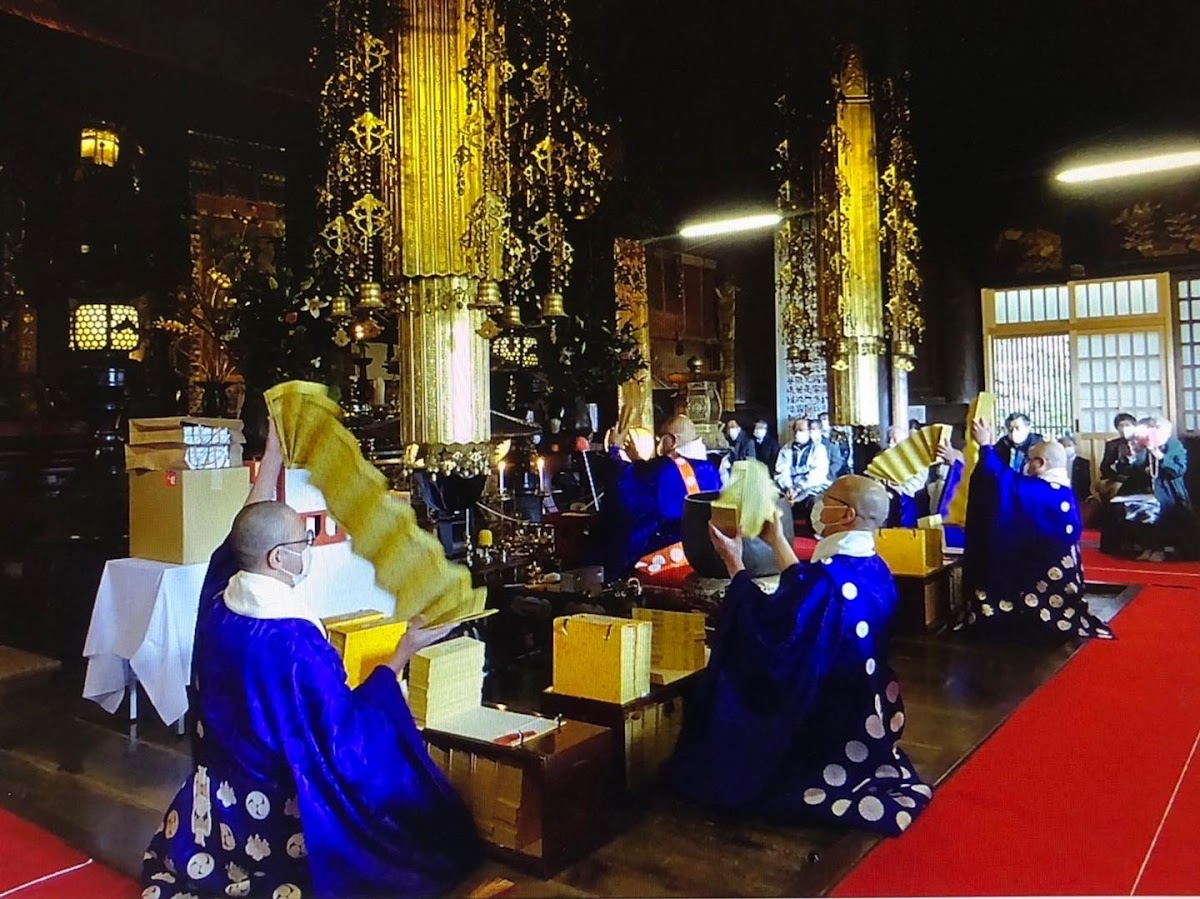
Staying at a temple lodging during cherry blossom season allows participation in morning and evening prayer services, vegetarian cuisine, and enjoyment of cherry blossoms during quiet early morning or nighttime hours—experiences unavailable during day visits.
Five Recommended Temple Lodgings with Beautiful Cherry Blossoms
Seijojin
Koya’s premier cherry blossom viewing spot with approximately 100 cherry trees, particularly impressive weeping cherry. A prestigious lodging with renowned vegetarian cuisine.
Tentokuuin
A lodging with beautiful gardens where pond-reflected cherry blossoms are mystical. Offers relatively quiet surroundings for leisurely relaxation.
Fumonjoin
Known for garden beauty, sometimes allowing simultaneous enjoyment of cherry blossoms and azaleas.
Hozenjoin
Beautiful garden cherry blossoms allowing quiet flower viewing.
Kamiikeiin
Multiple cherry varieties planted allow enjoyment of cherry blossoms over extended periods.
How to Spend Time at Temple Lodgings
Evening (4:00 PM~6:00 PM)
After check-in, stroll the grounds enjoying cherry blossoms. Evening cherry blossoms display different character than daytime.
Evening Prayer Service (5:00 PM~6:00 PM)
Participate in chanting and meditation to calm the mind.
Dinner (6:00 PM~7:00 PM)
Savor shojin vegetarian cuisine using seasonal ingredients, sometimes featuring cherry-specific ingredients.
Evening (7:00 PM~)
Stroll the garden and grounds. If illumination is available, night cherry blossoms can be enjoyed.
Morning Prayer Service (6:00 AM~7:00 AM)
Participate in early morning services during quiet hours, an experience that purifies the spirit.
Breakfast (7:00 AM~8:00 AM)
Vegetarian breakfast, simple yet deeply flavored.
Morning Stroll (8:00 AM~)
Cherry blossoms wet with morning dew are particularly beautiful, and with few tourists at this hour, leisurely appreciation is possible.
Tips for Temple Lodging Reservations
Since temple lodging reservations fill quickly during cherry blossom season, advance reservations 2-3 months ahead are recommended. Especially during weekends and Golden Week, early booking is essential.
As facilities and services vary by lodging, check official websites and reviews beforehand to select accommodations matching your preferences. Some lodgings offer rooms with private baths and toilets, while others use shared facilities.
Access Information
By Train and Cable Car
From Osaka
- Nankai Electric Railway Limited Express “Koyasan” from Namba Station to Gokurakubashi Station (approximately 1 hour 30 minutes)
- Cable car from Gokurakubashi to Koya Station (approximately 5 minutes)
- Nankai Rinkan Bus from Koya Station to each spot (10-20 minutes)
From Wakayama
- JR Wakayama Line from JR Wakayama Station to Hashimoto Station (approximately 40 minutes)
- Nankai Koya Line from Hashimoto to Gokurakubashi Station (approximately 40 minutes)
- Cable car and bus as described above
From Kyoto and Nara
- Kintetsu Railway from Kyoto/Nara stations toward Hashimoto
- Transfer to Nankai Koya Line at Hashimoto
By Car
From Osaka
- Approximately 1 hour 30 minutes via National Route 480 from Hanwa Expressway “Kishiwada-Izumi IC”
- Or approximately 50 minutes via National Route 480 from Kyoto-Nara-Wakayama Expressway “Katsuragi-Nishi IC”
From Wakayama
- Approximately 50 minutes via National Route 480 from Kyoto-Nara-Wakayama Expressway “Katsuragi-Nishi IC”
Parking Information
- Multiple parking areas within Koya (mix of paid and free)
- Early arrival recommended as parking fills during cherry blossom season
- Major parking areas: Nakanohashi Parking Area, Kongobuji Parking Area, etc.
Travel Within Koya
Nankai Rinkan Bus circulates throughout Koya, connecting major spots.
Bus Routes
- Okunoin Line: Koya Station to Okunoin-mae
- Daimon-Minami Line: Koya Station to Daimon
Bus Fares
- Single ride: 290 yen (varies by section)
- All-day pass: 900 yen (unlimited Koya area bus rides)
Walking throughout Koya during cherry blossom season is also recommended. From Danjo Garan to Kongobuji is approximately 10 minutes walk; from Kongobuji to Okunoin Ichinohashi is approximately 30 minutes.
Photography Spots and Photogenic Compositions
Photography at Danjo Garan
Konpon Daito and Cherry Blossoms
The standard composition captures the scarlet Konpon Daito with cherry blossoms in background. Morning with clear skies is ideal, with blue sky, scarlet pagoda, and pink blossoms creating beautiful contrast.
Cherry Blossoms in Front of Kondo Hall
Photographing the entire sanctuary through cherry blossoms in front of Kondo Hall creates distinctly Koya scenery.
Photography at Kongobuji
Main Gate and Cherry Blossom-Lined Approach
The approach’s cherry blossom avenue benefits from compositions utilizing depth. Morning or evening light creates three-dimensional cherry blossoms.
Banryu-tei and Cherry Blossoms
The luxurious composition of stone garden and cherry blossoms together is unique. Garden photography may require permission; confirm in advance.
Photography at Okunoin Approach
Cedar Groves and Cherry Blossoms
The contrast between century-old cedars and cherry is distinctly Koya. Vertical composition emphasizing cedar height creates powerful images.
Nakanohashi Area
Bridge, cherry blossoms, and approach combine in single composition. Early misty morning hours are particularly mystical.
Photography at Nyonindo Hall
Koya Townscape and Cherry Blossoms
Composing with cherry blossoms as foreground looking down on Koya’s townscape from Nyonindo creates depth. Afternoon light is ideal.
Photography Precautions
- Tripod use is restricted at some temple grounds; pre-confirmation necessary
- Be considerate of other pilgrims
- Building interior photography generally prohibited
- Note temple visiting hours as ideal light times (early morning, late afternoon) may conflict
- Weekdays and early morning are recommended to avoid crowds during cherry blossom season
Experiences to Enjoy Alongside Koya’s Cherry Blossoms
Shojin Vegetarian Cuisine
Koya’s shojin vegetarian cuisine contains no meat or fish, using only plant-based ingredients like vegetables, tofu, and sesame. Spring mountain vegetables feature in cherry blossom season dishes, conveying seasonal essence.
In addition to temple lodging meals, vegetarian cuisine is available at general restaurants. Popular establishments include “Hanabishi” and “Kakuhama Goma Tofu Honpo.”
Sutra Copying and Painting Buddha Experience
Many temple lodgings and temples offer sutra copying and painting Buddha experiences. The quiet time calming your mind after viewing cherry blossoms offers distinctly Koya experience.
Sessions typically last 1-2 hours, welcoming beginners.
Ajikan (Meditation) Experience
Some temples offer Ajikan, Shingon Buddhism’s meditation practice. Time to calm your mind and confront yourself becomes precious modern experience.
Sesame Tofu
Koya’s signature sesame tofu is popular as souvenir. Characterized by rich sesame flavor and chewy texture, each establishment’s version differs.
“Kakuhama Goma Tofu Honpo” and “Fuzenjishi” are famous, with in-house dining available.
Reihokan
The Reihokan museum exhibiting Koya’s cultural properties displays National Treasures and Important Cultural Properties. Special exhibitions sometimes coincide with cherry blossom season, offering enjoyment of both culture and nature.
Clothing and Belongings for Cherry Blossom Season
Clothing Tips
At approximately 900 meters elevation, Koya is 5-10 degrees cooler than lowland areas even in April. Despite cherry blossom season, mornings and evenings become cold, requiring cold-weather preparation.
Recommended Attire
- Long-sleeved shirt with cardigan or fleece
- Lightweight down jacket or windbreaker (for morning/evening)
- Comfortable walking shoes (for temple ground and approach strolls)
- Hat (sun protection)
Temple Lodging Stay
- Avoid revealing clothing given temple setting
- Warm pajamas and socks helpful against nighttime chill
Packing Checklist
Essential Items
- Camera/smartphone (with chargers)
- Warm clothing
- Rain gear (folding umbrella or raincoat)
- Comfortable walking shoes
- Drinking water
Helpful Items
- Picnic blanket (for rest breaks)
- Mobile battery
- Binoculars (for viewing high-positioned cherry blossoms)
- Sunglasses
- Sunscreen
- Tissues and wet wipes
- Eco-bag (for souvenirs)
Additional for Temple Lodging
- Toiletries (may be provided by some lodgings)
- Pajamas (yukata typically provided)
- Prayer beads (for services; usually available for loan)
Frequently Asked Questions
Are there night cherry blossoms or illuminations at Koya?
While some temples and lodgings may illuminate grounds at night during cherry blossom season, large-scale illumination events are not typically held. Temple lodging allows nighttime ground strolls, enjoying cherry blossoms amid serene atmosphere. Note that temperatures drop significantly at night, requiring warm clothing.
Can wheelchair users or those with strollers enjoy cherry blossoms?
Danjo Garan and surrounding Kongobuji areas are relatively flat and accessible by wheelchair or stroller. However, the Okunoin approach has cobblestones and stairs making wheelchair movement difficult in places. Contact Koya Town Tourism Association or temples for barrier-free information.
How crowded is Koya during cherry blossom season?
Weekends from mid to late April, especially Golden Week period, are crowded. Weekdays are relatively quiet, allowing leisurely appreciation. Early morning (before 8:00 AM) or late afternoon (after 4:00 PM) times avoid crowds. Temple lodging stays allow early morning serenity.
Can pets accompany visitors?
As a sacred site, most temples restrict pet entry. Grounds and approaches typically prohibit pets, so pet-accompanied visits should be avoided. Contact temples in advance if necessary.
Are there spring attractions besides cherry blossoms?
Azaleas and rhododendrons begin blooming with cherry blossoms. Particularly from early May, azaleas reach peak bloom offering different charm than cherry. Fresh green from cedar groves is also beautiful during this season.
Can rainy days be enjoyable?
Rainy days attract fewer pilgrims, offering quiet cherry blossom appreciation. Misty Koya is mystical, differing from clear-day views. Slippery footing requires careful shoes and rain gear. Indoor activities like temple visiting and vegetarian cuisine provide diverse rainy-day enjoyment.
Conclusion: Fully Enjoy Cherry Blossoms at Koya
Koya in Wakayama Prefecture is a rare location to enjoy cherry blossoms at a World Heritage sacred site. Across the mountaintop sanctuary at approximately 900 meters elevation, from mid to late April, diverse cherry varieties including Somei Yoshino, weeping cherry, and Yamato cherry bloom magnificently.
The spectacular views available throughout Koya include the contrast of Konpon Daito and cherry blossoms at Danjo Garan, the cherry-lined approach at Kongobuji Temple, and the interweaving of cedar groves and cherry blossoms along the Okunoin approach. Temple lodging stays at Seijojin and other accommodations allow participation in morning and evening prayer services while savoring vegetarian cuisine amid serene cherry blossom appreciation—a luxury experience available nowhere else.
Koya’s late-blooming cherry blossoms, remaining through Golden Week in some cases, offer rare opportunity for flower viewing after peak seasons elsewhere. Why not create special spring memories enjoying cherry blossoms where history, nature, and spirituality converge at Koya?
Check bloom information before your visit and prepare thoroughly against cold to fully savor the spectacular cherry blossoms blooming at this world heritage sacred site.