Complete Guide to Cherry Blossoms at Izumi Natural Park (Chiba Prefecture) | Peak Viewing Times, Access, Photography Spots, Thorough Explanation
Izumi Natural Park, located in Wakaba Ward, Chiba City, Chiba Prefecture, is known as one of the leading cherry blossom viewing destinations in the Greater Tokyo Area. With approximately 1,500 cherry trees planted across its vast 43.4-hectare grounds, the park attracts many flower viewing visitors during spring. This article provides detailed information about the charm of Izumi Natural Park’s cherry blossoms, peak viewing times, access methods, photography spots, and ways to enjoy the park.
About Izumi Natural Park
Izumi Natural Park is a nature-rich urban park located approximately 11 km from the center of Chiba City. It opened in Showa 44 (1969) and is designated as one of Japan’s “100 Best Cherry Blossom Viewing Spots,” making it a representative cherry blossom destination in Chiba Prefecture.
The park features varied topography with valleys, wetlands, and forests that preserve diverse natural environments. While visitors can enjoy nature throughout the four seasons, the cherry blossom season in spring is particularly spectacular and captivating.
Basic Park Information
- Location: 108 Noro-cho, Wakaba Ward, Chiba City, Chiba Prefecture
- Area: Approximately 43.4 hectares
- Hours: 8:30 AM – 5:00 PM (varies by season)
- Admission: Free
- Parking: Available (paid, approximately 250 spaces)
- Inquiries: 043-228-0080 (Izumi Natural Park Management Office)
Characteristics of Izumi Natural Park’s Cherry Blossoms
Number and Types of Cherry Trees
Izumi Natural Park has approximately 1,500 cherry trees planted throughout its grounds, with diversity being a major attraction. The main cherry blossom varieties are as follows:
Somei Yoshino
The most commonly seen variety in the park, with pale pink flowers blooming en masse in a spectacular display.
Yamato Sakura
A wild native species characterized by whitish flowers and reddish young leaves emerging simultaneously.
Oshima Zakura
A variety featuring large white flowers, known for its leaves being used in sakura mochi.
Kanhi Zakura
An early-blooming variety with deep pink bell-shaped flowers hanging downward.
Shidare Zakura
A gracefully elegant variety with flowers blooming on drooping branches.
These varieties bloom at different times, allowing visitors to enjoy cherry blossoms over an extended period.
Designation as One of Japan’s 100 Best Cherry Blossom Viewing Spots
Izumi Natural Park has been designated as one of “Japan’s 100 Best Cherry Blossom Viewing Spots” by the public interest organization Japan Sakura Association. This recognition confirms the park as a cherry blossom destination of national significance, and it is the only designated location in Chiba Prefecture.
The park received high marks for its ability to showcase cherry blossoms within an undulating landscape created by natural topography, and it is characterized by the harmony between an urban park and nature.
Peak Cherry Blossom Viewing Season
Typical Blooming and Peak Season
Cherry blossoms at Izumi Natural Park typically reach their peak from late March through early April. Specific timing is as follows:
- Blooming Period: Late March (around March 25)
- Peak Period: Early April (approximately April 1–7)
- Optimal Viewing Period: Approximately 1–10 days
However, timing may vary depending on weather conditions that year, so it is recommended to check the latest blooming information before your visit.
Enjoying Long-Lasting Blossoms with Early and Late Varieties
At Izumi Natural Park, early varieties such as Kanhi Zakura begin blooming from mid-March, while late-blooming double varieties extend viewing opportunities to mid-April. This allows cherry blossom viewing to be enjoyed for approximately one month from mid-March through mid-April.
Visiting at different times allows you to experience different aspects and expressions of cherry blossoms at the park.
How to Check Blooming Information
The latest blooming information can be confirmed through the following methods:
- Chiba City Official Website: City updates provide bloom status
- Izumi Natural Park Management Office: Direct phone inquiries available (043-228-0080)
- Social Media: Searching “#泉自然公園” on Twitter and Instagram shows the latest photos
- Japan Meteorological Agency’s Cherry Blossom Forecast: Can reference forecasts for Chiba City
Access Methods
Public Transportation Access
From JR Chiba Station/Keisei Chiba Station
- By Bus (Recommended)
Board a “Nariko Station-bound” or “Nakano Depot-bound” bus from Bay 7 at Chiba Station East Exit
Disembark at “Izumi Park Entrance” bus stop, approximately 10 minutes walk
Travel Time: Approximately 30 minutes
Fare: ¥470 one-way (as of 2024)
- Temporary Buses During Cherry Blossom Season
Direct temporary buses may operate from Chiba Station to Izumi Natural Park during peak bloom. Check the Chiba City or Chiba Central Bus websites for service information.
Using Chiba Urban Monorail
Chiba Urban Monorail “Sensirodai Station” exit, approximately 40 minutes walk (approximately 3.2 km)
※ Due to distance, bus use is recommended
Access by Car
From Major Roads
- Keiyo Expressway: Approximately 5 km from “Kaizuka IC,” approximately 15 minutes
- East Kanto Expressway: Approximately 8 km from “Chiba Kita IC,” approximately 20 minutes
- National Route 51: Toward Wakaba Ward, follow directional signs
Car Navigation Setup
Address: 108 Noro-cho, Wakaba Ward, Chiba City, Chiba Prefecture
Phone Number: 043-228-0080
Parking Information
Number of Spaces: Approximately 250
Parking Fee: ¥400 per visit for standard vehicles (as of 2024)
Operating Hours: 8:30 AM – 5:00 PM (varies by season)
Notes During Cherry Blossom Season
Parking becomes very congested during peak bloom periods, particularly on weekends and holidays. Please note the following:
- Early morning arrival (before 9 AM) is recommended
- Parking lot may reach capacity with waiting times
- Consider using public transportation
- Surrounding roads may experience traffic congestion
Recommended Cherry Blossom Spots Within the Park
Across the park’s vast grounds are numerous cherry blossom spots, each with distinct charm and appeal.
Izumi Bridge Area
The most popular photography spot in the park. The contrast between the red bridge and cherry blossoms is beautiful, attracting many photography enthusiasts. From the bridge, 360-degree views of cherry blossoms surround you.
Photography Tips:
- Upward angle from beneath the bridge
- Downward view of the sea of cherry blossoms from above
- Early morning light is especially beautiful
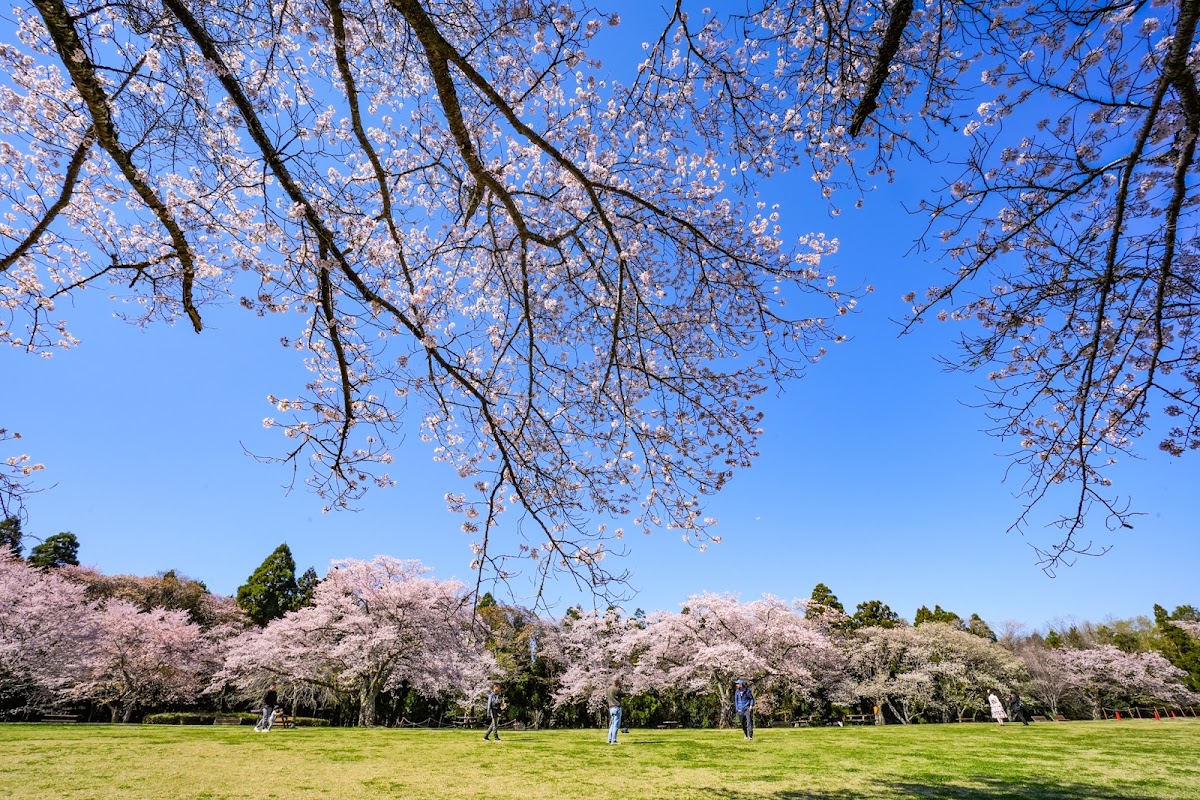
Grassland Square
An open lawn area surrounded by cherry trees. Popular with families who enjoy spreading out picnic blankets.
Ways to Enjoy:
- Pack a bento box for a picnic
- Wide open space for children to play
- Relax under cherry trees at leisure
Cherry Blossom Square
As the name suggests, this is an area with densely planted cherry trees. At peak bloom, it creates a cherry blossom tunnel-like landscape.
Flower Viewing Square
A square designed for flower viewing, equipped with benches and shelters. Ideal for those who prefer to sit and leisurely admire cherry blossoms, such as elderly visitors and those with small children.
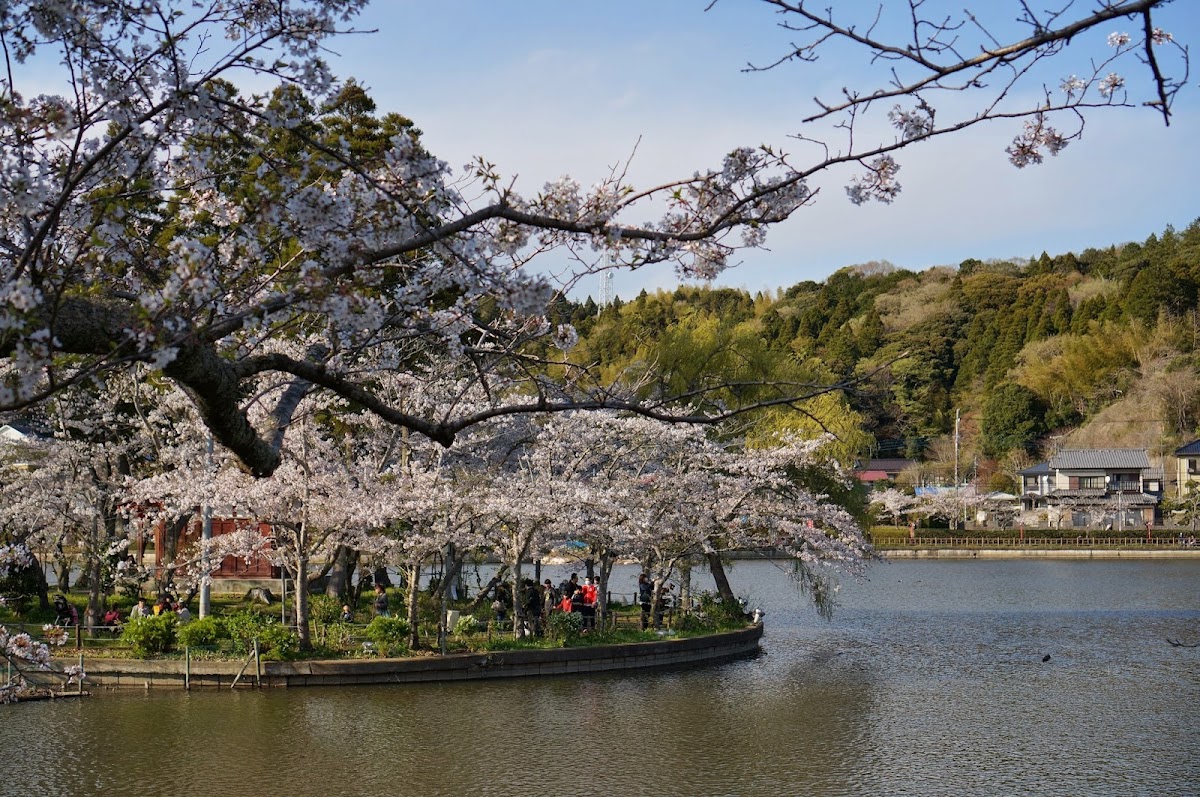
Lower Pond Area
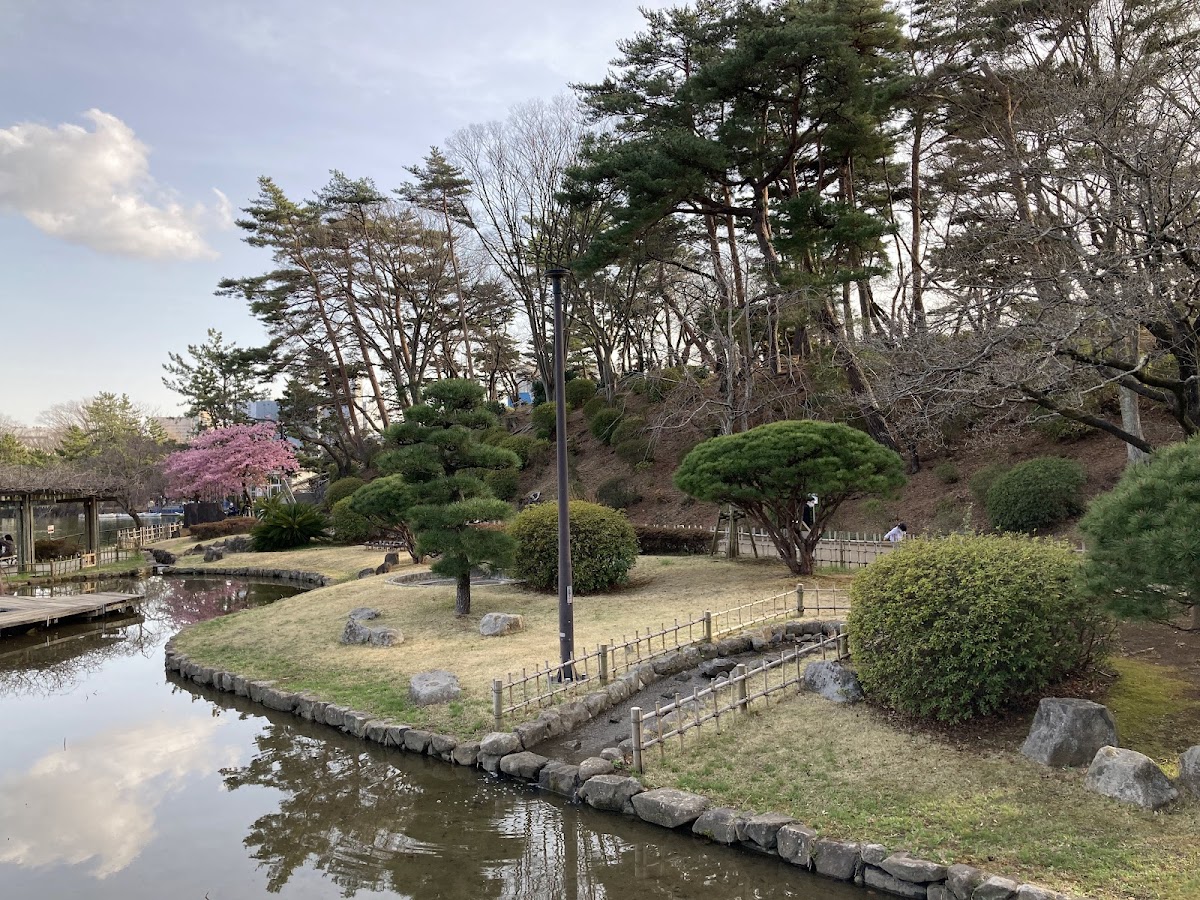
A beautiful spot where cherry blossoms reflect in the pond water. On windless days, the water creates a mirror-like, enchanting landscape.
Photography Tips:
- Early morning on calm water
- Soft light at sunset
- Fallen petals floating on water (during late bloom)
Forest Stage Area
Cherry trees are planted around a natural outdoor stage built into the park’s terrain. The combination of undulating topography and blossoms creates a three-dimensional landscape.
Photography Spots and Techniques
Recommended Times by Hour
Early Morning (6:00 AM – 8:00 AM)
- Few people, peaceful shooting environment
- Cherry blossoms wet with morning dew are beautiful
- Radiance of cherry blossoms illuminated by morning sun
- Recommended Spots: Izumi Bridge, Lower Pond
Morning (9:00 AM – 12:00 PM)
- Soft light ideal for photography
- Colors appear vivid
- Recommended Spots: Grassland Square, Cherry Blossom Square
Afternoon (1:00 PM – 4:00 PM)
- Busy with many visitors
- Captures the atmosphere of flower viewing
- Recommended Spots: Flower Viewing Square vicinity
Dusk (4:00 PM – 6:00 PM)
- Magical hour with enchanting light
- Cherry blossoms dyed in orange
- Recommended Spots: Lower Pond, Izumi Bridge
Photography Techniques
Close-up Photography to Capture Cherry Blossom Beauty
- Use macro lens or close-up mode
- Photograph fine details of petals and stamens
- Blur background to emphasize subject
Wide-Angle Photography for Landscape
- Use wide-angle lens to express the sea of blossoms
- Include sky and terrain in composition
- Convey the vastness of the park
Combining People and Cherry Blossoms
- Take commemorative photos with family and friends
- Portraits under cherry trees
- Silhouette photography using backlighting
Water Reflection Photography
- Mirror image photography at Lower Pond
- Target windless days
- Shoot from a low angle
Ways to Enjoy Flower Viewing
Picnic Style
At Izumi Natural Park, you can enjoy leisurely picnics by spreading out a blanket.
Useful Items to Bring:
- Picnic blanket (larger size recommended)
- Bento boxes and snacks
- Beverages (vending machines available in park)
- Garbage bags (always remove your trash)
- Sunscreen and hat
- Insect repellent spray (on warm days)
Walking and Exploring
The park has walking paths, making it ideal for walks while viewing cherry blossoms. Walking through undulating terrain provides moderate exercise.
Recommended Walking Routes:
- Main Entrance → Izumi Bridge → Cherry Blossom Square → Grassland Square → Lower Pond → Main Entrance (approximately 1 hour)
- Short Route: Main Entrance → Izumi Bridge → Flower Viewing Square → Main Entrance (approximately 30 minutes)
Nature Observation
In addition to cherry blossoms, spring wildflowers and wild birds can be observed. Bringing binoculars and field guides enhances nature appreciation.
Spring Creatures to See:
- Birds: Japanese White-eye, Great Tit, Japanese Nightingale
- Insects: Ladybugs, Cabbage White Butterfly
- Wildflowers: Katakuri, Violets, Dogtooth Violet
Important Notes and Etiquette
Park Use Rules
Prohibited Activities:
- Open flames (barbecue, charcoal grills, etc.)
- Off-leash pets (leash required)
- Bicycle riding in certain areas
- Plant collection
- Drone flying (without permission)
Etiquette:
- Always remove trash
- Avoid loud music
- Be considerate of other visitors
- Do not break cherry branches or climb trees
- Reasonable space reservation for seating
Crowding Countermeasures
During peak cherry blossom season, especially on weekends, the park becomes very crowded.
Tips for Avoiding Crowds:
- Visit on weekdays
- Arrive early (right after opening) or in late afternoon
- Visit slightly before or after peak bloom
- Use public transportation
Clothing and Items to Bring
Clothing:
- Comfortable walking shoes (sneakers, etc.)
- Flexible, easy-to-move-in clothing
- Something to layer (for temperature changes)
- Hat (sun protection)
Convenient Items to Bring:
- Camera, smartphone
- Mobile battery
- Wet wipes
- Basic first aid supplies such as bandages
- Rain gear (if weather is uncertain)
Nearby Facilities and Tourist Attractions
Facilities Within Izumi Natural Park
Management Office
Park information and restrooms
Vending Machines
Installed in multiple locations throughout the park
Restrooms
Multiple locations within the park (accessible restrooms available)
Parking Lot
Near main entrance
Nearby Tourist Attractions
Chiba City Zoo
Approximately 15 minutes by car. A popular zoo known for its iconic red panda “Futa” and his famous upright posture.
Showa-no-Mori Park
Approximately 20 minutes by car. A vast urban park where you can enjoy nature throughout the four seasons.
Chiba City Science Museum (Qiball)
Approximately 25 minutes by car. A popular science museum with planetarium shows and interactive exhibits.
Nearby Dining Information
There are no restaurants within the park, so you should bring a bento box or use nearby restaurants.
Around Chiba Station
Many dining options are available for a stop on the way back. Chiba’s local specialties such as “namerō” (raw fish dish) and dishes featuring peanuts are served at various restaurants.
Convenience Stores
Convenience stores near the park are available for purchasing light meals and beverages.
Year-Round Attractions of Izumi Natural Park
Izumi Natural Park is famous as a cherry blossom destination, but it offers natural beauty throughout the four seasons.
Spring (March – May)
- Cherry blossoms (late March – early April)
- Fresh green foliage (April – May)
- Wildflower blooms
Summer (June – August)
- Firefly viewing (June)
- Forest bathing in lush greenery
- Insect observation
Autumn (September – November)
- Autumn leaves (mid-November – early December)
- Cosmos flowers
- Mushroom observation
Winter (December – February)
- Wild bird observation
- Serene winter landscape
- Natural beauty of frost and ice
History and Conservation Activities
Park History
Izumi Natural Park opened in Showa 44 (1969). Originally, the area was a nature-rich landscape with rice paddies and mixed forests. As Chiba City underwent urbanization, the area was developed into a park to preserve these valuable natural environments.
It was designated as one of “Japan’s 100 Best Cherry Blossom Viewing Spots” in 1990, and since then has been enjoyed by many people as Chiba Prefecture’s representative cherry blossom destination.
Natural Conservation Efforts
Izumi Natural Park places emphasis on natural environment conservation.
Firefly Protection
Gennji fireflies and Heike fireflies inhabit the park’s wetlands and streams, with viewing events held in June.
Ecosystem Maintenance
Proper management is conducted to maintain an environment where diverse plants, insects, and wild birds can thrive.
Citizen Participation Activities
Volunteer-led cleanup activities and nature observation events provide opportunities for citizen participation in conservation efforts.
Other Spring Highlights Beyond Cherry Blossoms
Spring Wildflowers
During cherry blossom season, various spring wildflowers also bloom at ground level.
- Katakuri: Delicate purple flowers
- Violet: Small purple or white flowers
- Dandelion: Yellow flowers announcing spring
- Henbit: Small pink flowers
- Veronica: Tiny blue flowers
Beauty of Fresh Green Foliage
From mid-April when cherry petals fall, the fresh green season begins. Bright young leaves cover the forest, offering a refreshing beauty distinct from cherry blossoms.
Frequently Asked Questions (FAQ)
Q: When are the cherry blossoms at Izumi Natural Park at their peak?
A: Peak viewing typically occurs from late March through early April. Peak bloom usually occurs around April 1, but timing varies by year’s weather. Checking blooming information before visiting is recommended.
Q: Is admission required?
A: Admission is free. However, parking fees (¥400 for standard vehicles) apply if using the parking lot.
Q: Can I bring pets?
A: Pets are permitted but must be on a leash and kept considerate of other visitors. Always clean up after your pet.
Q: Is there nighttime illumination of cherry blossoms?
A: Izumi Natural Park does not offer nighttime illumination. The park closes at 5 PM.
Q: Can I get around with a wheelchair?
A: Main walking paths are paved and wheelchair-accessible. However, the terrain’s undulating nature may require assistance in some areas. Accessible restrooms are available.
Q: Can the park be enjoyed on rainy days?
A: Rain-soaked cherry blossoms have their own charm, but the ground becomes slippery. Wear rain gear and non-slip shoes.
Q: Can I walk from the nearest station?
A: Walking from Chiba Urban Monorail “Sensirodai Station” takes approximately 40 minutes, so bus use is recommended. Take a bus from Chiba Station for approximately 30 minutes to “Izumi Park Entrance,” then walk 10 minutes.
Q: Are there places to eat lunch?
A: There are areas such as Grassland Square and Flower Viewing Square where you can spread out a blanket for picnicking. However, finding a spot may be difficult during crowded times.
Conclusion
Izumi Natural Park in Wakaba Ward, Chiba City, Chiba Prefecture, is a designated “100 Best Cherry Blossom Viewing Spot” with approximately 1,500 cherry trees in bloom. Peak viewing occurs from late March through early April, where you can enjoy diverse cherry varieties including Somei Yoshino.
Scattered throughout the nature-rich terrain with varied topography are numerous cherry blossom spots including Izumi Bridge, Grassland Square, and Lower Pond, each with distinct appeal. The park offers diverse ways to enjoy flower viewing—picnicking, walking, and photography.
Access from Chiba Station via bus takes approximately 30 minutes and admission is free. While the area is crowded during peak season, early morning or weekday visits allow relatively relaxed enjoyment.
Come experience the coming of spring at Izumi Natural Park’s cherry blossoms. The beautiful landscape woven by nature and cherry blossoms is sure to create lasting memories.