
Hirosaki Park (Aomori Prefecture) Cherry Blossom Complete Guide | Enjoying Japan’s Best Sakura with Viewing Spots and Access Information
Hirosaki Park in Hirosaki City, Aomori Prefecture, is a sacred site for cherry blossoms known nationwide as one of “Japan’s Three Greatest Cherry Blossom Viewing Spots.” Spread across approximately 492,000 square meters centered on Hirosaki Castle, the former stronghold of the Tsugaru clan, the park is planted with 52 varieties of approximately 2,600 cherry trees, attracting over 2 million flower-viewing visitors annually.
This article provides comprehensive information on the charm of Hirosaki Park’s cherry blossoms, highlights, best season, access methods, and nearby tourist attractions to fully enjoy the cherries of Hirosaki.
Why Hirosaki Park’s Cherry Blossoms Are Called “Japan’s Best”
The Art of Cherry Tree Management Born from Apple Cultivation Techniques
The primary reason Hirosaki Park’s cherry blossoms are called “Japan’s best” lies in the pruning techniques cultivated through apple cultivation, Aomori Prefecture’s specialty product. Hirosaki City boasts Japan’s number one apple production volume, and these cultivation techniques are applied to cherry tree management.
In typical cherry trees, each flower bud produces approximately 2-3 flowers, but Hirosaki Park’s cherry trees bloom with 4-5 flowers each. Through this meticulous management technique, even ancient trees over 100 years old achieve magnificent full blooms at their peak.
Japan’s Oldest and Largest Somei Yoshino Cherry Trees
Hirosaki Park possesses cherry trees that are particularly noteworthy in terms of historical value.
- Japan’s Oldest-Class Somei Yoshino: Over 145 years old, designated as an Aomori Prefecture designated natural monument
- Japan’s Largest Girth Somei Yoshino: A giant tree with a trunk circumference of 582cm registered in the Ministry of the Environment’s Ancient and Large Tree Database
The fact that these precious ancient cherry trees continue to bloom healthily speaks volumes about the high level of management at Hirosaki Park.
Leading Position Among Michinoku’s Three Great Cherry Blossom Spots
Hirosaki Park is counted as one of “Michinoku’s Three Great Cherry Blossom Spots” alongside Kakunodate in Akita Prefecture and Kitakami Tenshoji in Iwate Prefecture. As a representative cherry blossom viewing spot of the Tohoku region, it has been beloved by many people throughout its long history.
Hirosaki Park’s Cherry Blossoms | Spectacular Scenery Woven by 52 Varieties and 2,600 Trees
Diverse Cherry Blossom Variety Composition
The charm of Hirosaki Park lies not only in Somei Yoshino but also in the diverse varieties of cherry trees that bloom at staggered times.
Main cherry blossom varieties:
- Somei Yoshino: The main star of the park’s cherry blossoms. Reaches full bloom around late April each year
- Shidare Zakura: Popular for its elegant drooping branches. Blooms at approximately the same time as Somei Yoshino
- Yaae Zakura: Reaches full bloom in early May after Somei Yoshino has fallen
- Yaebeni Shidare: A variety characterized by deep pink flowers
- Ukon Zakura: A rare variety that produces yellowish-green flowers
This variety of species allows visitors to enjoy different expressions of cherry blossoms over approximately three weeks at Hirosaki Park.
Cherry Blossom Opening Time and Best Season
The opening time of Hirosaki Park’s cherry blossoms typically progresses according to the following schedule.
Bloom calendar:
- Mid-April: Early-blooming cherries begin to open
- Late April: Somei Yoshino reaches full bloom (most impressive period)
- Early May: Yaae Zakura reaches peak viewing time
- Mid-May: Late-blooming varieties bloom
The best season when the most cherry blossoms are in full glory is from late April to early May during the Golden Week holiday period. However, as this period attracts tourists from throughout the nation, those wishing to avoid crowds are advised to visit early in the morning on weekdays.
Hirosaki Sakura Festival | A Major Event Attracting 2 Million Visitors
Festival Overview and Dates
The “Hirosaki Sakura Festival” is held during the cherry blossom season at Hirosaki Park. Typically held from mid-April to early May, the 2026 festival is scheduled from April 17 (Friday) to May 5 (Holiday).
During this period, approximately 2 million tourists from Japan and abroad visit, dyeing all of Hirosaki with cherry blossom pink.
The Mystical Scenery of Nighttime Cherry Blossom Illumination
One of the greatest highlights of the Hirosaki Sakura Festival is the nighttime cherry blossom illumination. From sunset until around 11 p.m., the Hirosaki Castle tower and cherry blossoms are beautifully illuminated, offering a completely different mystical scenery from daytime.
In particular, the scene created by the Hirosaki Castle tower, cherry blossoms, and the inverted cherry blossoms reflected on the moat’s water surface is described as a “lifetime must-see” spectacular view that captivates many photography enthusiasts.
Events and Food Stalls During Festival Period
During the Hirosaki Sakura Festival period, approximately 200 food stalls line the park, creating a festive atmosphere. Visitors can enjoy local cuisine from Aomori Prefecture, local sake, and sweets made with apples.
Additionally, various events are held, including performances of Tsugaru shamisen and traditional arts, allowing visitors to experience Tsugaru culture alongside the cherry blossoms.
Spectacular Photography Spots at Hirosaki Park and Hirosaki Castle
① West Moat Cherry Blossom Tunnel
The most famous photography spot at Hirosaki Park is the cherry blossom tunnel along the west moat. Cherry tree rows extend for approximately 300 meters, and at full bloom, cherry blossoms cover overhead completely.
The sight of fallen petals floating on the moat’s water surface as “flower petals (hanaikadarefts)” is spectacular, and the pink-carpeted beauty is a scenery unique to Hirosaki. This flower raft can be seen around early May when blossoms begin to fall.
② Hirosaki Castle Tower and Cherry Blossoms in Harmony
Photography spots where Hirosaki Castle’s tower and cherry blossoms can be photographed together are signature photography points at Hirosaki Park. Particularly, the composition of the tower and cherry blossoms from the Shimojori Bridge with Mount Iwaki in the background is known as a landscape symbolizing Hirosaki.
Currently, Hirosaki Castle’s tower has been relocated from its original position for stone wall repairs, but it is scheduled to return to its original position around 2031. There are precious compositions that can only be photographed during this relocation period.
③ Cherry Blossom Tunnel and Mount Iwaki Scenery
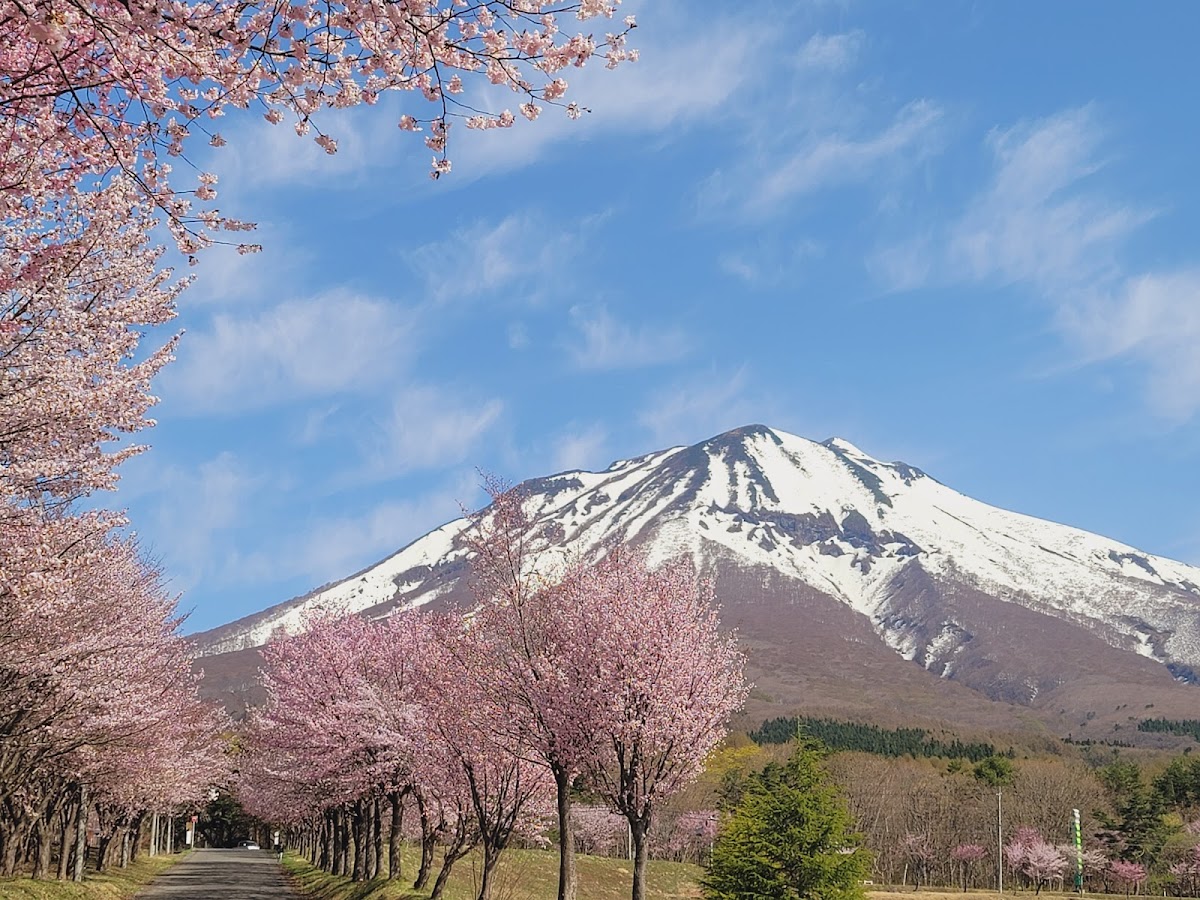
On clear days, Mount Iwaki, also called Tsugaru Fuji, can be seen beyond the cherry blossoms. The contrast of cherry blossom pink, blue sky, and Mount Iwaki’s snow cover are spectacular views symbolizing spring in Aomori.
④ Outer Moat Cherry Tree Rows
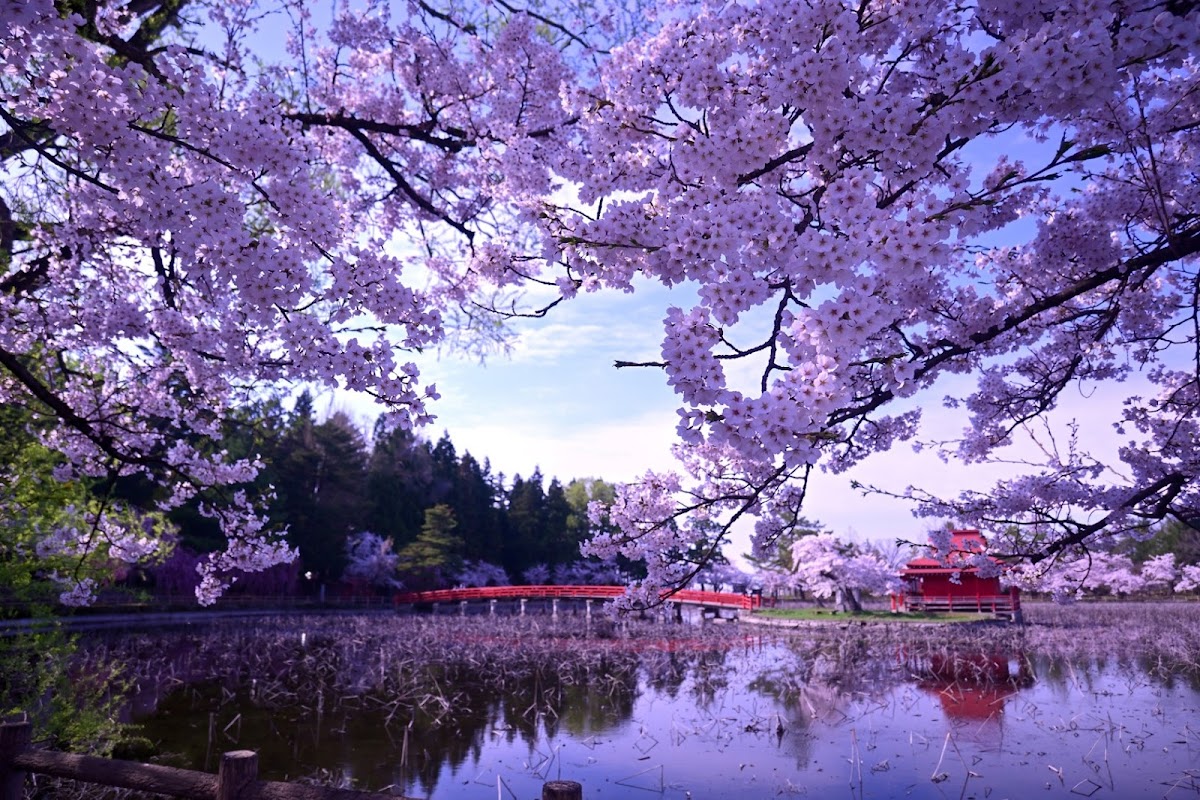
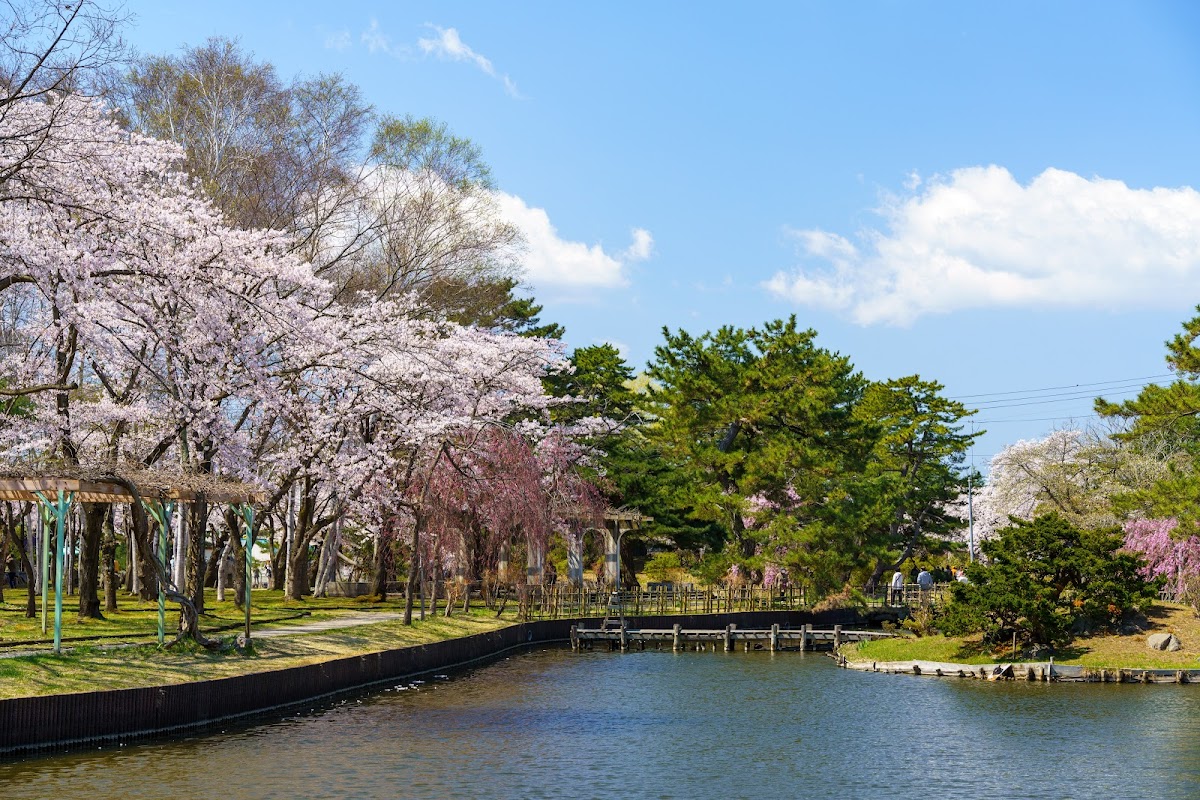
The cherry tree rows along the outer moat should not be missed. While walking around the park’s perimeter, visitors can enjoy cherry blossoms reflected on the water. This spot is recommended for those wishing to take photos and stroll leisurely, as it attracts relatively fewer tourists.
⑤ Shunyo Bridge Area
From Shunyo Bridge, visitors can view the moat, cherry blossoms, and Hirosaki Castle’s stone walls all at once. Especially early in the morning during quiet hours, cherry blossoms reflected on mirror-like calm water provide an excellent photography opportunity.
Access to Hirosaki Park
Train and Shinkansen Access
From Tokyo:
- Tohoku Shinkansen to Shin-Aomori Station in approximately 3 hours 20 minutes
- JR Ou Main Line from Shin-Aomori Station to Hirosaki Station in approximately 40 minutes
- Walk approximately 20 minutes from Hirosaki Station to Hirosaki Park, or bus approximately 10 minutes
From Sendai:
- Tohoku Shinkansen to Shin-Aomori Station in approximately 2 hours
- JR Ou Main Line from Shin-Aomori Station to Hirosaki Station in approximately 40 minutes
Bus Access
From Hirosaki Station to Hirosaki Park is convenient by public bus.
From Hirosaki Station Front Bus Terminal:
- Tokoro-machi Circulation Bus to “Hirosaki Park” stop, then walk
- Bus toward City Hall, get off at “City Hall Front,” walk approximately 5 minutes
- Travel time: approximately 10 minutes
- Fare: 100 yen (100-yen bus)
Temporary buses also operate during the Sakura Festival period, making access even more convenient.
Car Access and Parking Information
Travel time from major cities:
- From Aomori City: approximately 1 hour (via Tohoku Expressway)
- From Akita City: approximately 2 hours 30 minutes (via Tohoku Expressway and Owani Hirosaki IC)
Parking:
Several paid parking lots are available around Hirosaki Park. During the Sakura Festival period, traffic is congested, so early morning arrival or public transportation is recommended. Temporary parking lots are also set up, though they may be 15-20 minutes walk from the park.
Recommended Tourist Spots Around Hirosaki Park
Fujita Memorial Garden
Located adjacent to the east side of Hirosaki Park, the Fujita Memorial Garden is a Japanese garden built in 1919. Consisting of elevated and lowland sections, cherry blossoms within the garden also bloom beautifully during cherry blossom season.
At “Taisho Romance Tea Room” within the garden, visitors can enjoy Hirosaki’s famous apple pie. With approximately 40 shops serving apple pie throughout Hirosaki City, comparing different versions is also enjoyable.
Tea Room baton
“Tea Room baton” within Hirosaki Park is an ideal cafe for rest during sightseeing. Enjoying coffee and light meals while viewing cherry blossoms, this hidden gem is popular locally.
Former Hirosaki Kaikousha
A Western-style building constructed in 1907 and designated as a National Important Cultural Property. Located within walking distance of Hirosaki Park, it allows visitors to appreciate retro architectural beauty.
Saishoji Five-Story Pagoda
Known as Tohoku’s only five-story pagoda, Saishoji Five-Story Pagoda is also a cherry blossom viewing spot. Located approximately 15 minutes walk from Hirosaki Park, the combination of cherry blossoms and pagoda creates a spectacular view evoking Japanese aesthetics.
Other Cherry Blossom Spots in Aomori Prefecture
Saruga Park
Saruga Park in Hirakawa City, south of Hirosaki, is another representative cherry blossom viewing spot in Aomori Prefecture. Located within the grounds of Saruga Shrine, the park displays approximately 330 cherry trees in bloom.
Offering a different flavor of cherry scenery from Hirosaki Park and attracting relatively fewer crowds, this spot is recommended for those wishing to leisurely enjoy flower viewing. Located approximately 30 minutes by car from Hirosaki Station.
Ashino Park
Located in Goshogawara City on the Tsugaru Peninsula, Ashino Park is a designated “100 Best Cherry Blossom Viewing Spots in Japan.” With approximately 1,500 cherry blossoms in bloom, it is also popular among railway enthusiasts as a spot where the Tsugaru Railway train and cherry blossoms can be photographed together.
Towada City Official District Street
Selected as one of “100 Best Roads in Japan,” the official district street features approximately 1.1 km of cherry tree rows. With 156 cherry trees lining the street, the sight is spectacular, offering an urban-style cherry scenery different from Hirosaki.
Sample Courses for Fully Enjoying Hirosaki’s Cherry Blossoms
One-Day Hirosaki Cherry Blossom Full Experience Course
9:00 Arrive at Hirosaki Station
↓ Bus approximately 10 minutes
9:15 Arrive at Hirosaki Park, begin exploration
- West moat cherry blossom tunnel
- Hirosaki Castle tower
- Mount Iwaki view from the main enclosure
↓ Walk approximately 10 minutes
12:00 Lunch break at Tea Room baton
↓ Walk approximately 5 minutes
13:30 Fujita Memorial Garden
- Japanese garden stroll
- Apple pie at Taisho Romance Tea Room
↓ Walk approximately 15 minutes
15:30 Saishoji Five-Story Pagoda
- Photography of pagoda and cherry blossoms
↓ Walk/bus approximately 20 minutes
17:00 Return to Hirosaki Park, wait for illumination
18:30 Enjoy nighttime cherry blossom illumination
- Fully savor mystical night cherry blossoms
20:30 Head to Hirosaki Station
This course allows complete enjoyment of Hirosaki’s cherry blossom charm in a single day.
Practical Information for Enjoying Hirosaki’s Cherry Blossoms
Clothing and Essentials
From late April to early May in Hirosaki, daytime temperatures reach 15-20 degrees Celsius, but early mornings and evenings can drop below 10 degrees.
Recommended clothing:
- Easy-to-remove outer garment
- Comfortable walking shoes (for extensive park walking)
- Sun protection (hat or sunglasses)
Essential items:
- Camera/smartphone (and chargers)
- Picnic sheet (if flower viewing)
- Beverages (also available at park shops)
Tips to Avoid Crowds
During the Hirosaki Sakura Festival period, especially weekends and Golden Week, the park becomes very crowded.
Crowd-avoidance tips:
- Early morning visits: Relatively uncrowded until around 7 a.m.
- Weekday visits: Less crowded than weekends
- Outer moat area: A less-frequented hidden gem
- Early bloom or late fall: Slightly adjust timing from peak bloom
How to Check Bloom Status
Cherry blossom bloom status at Hirosaki Park can be confirmed through:
- Hirosaki City Parks and Greenery Division official website
- Hirosaki City tourism information site “Kite Mite Hirosaki”
- Hirosaki Park comprehensive information site
- SNS (#hirosaki park #hirosaki sakura festival)
These information sources, updated almost daily, display bloom status and photographs, helping in travel planning.
History of Hirosaki Park and Hirosaki Castle
As the Tsugaru Clan’s Castle
Hirosaki Castle, a hilltop castle completed by Tsugaru Nobuhira, the second daimyo of the Tsugaru clan, in 1611, served as the political, economic, and cultural center of the Tsugaru region for approximately 260 years.
The surviving tower, rebuilt in 1810 during the mid-Edo period, is designated as a National Important Cultural Property as Tohoku’s only existing castle tower.
Development as a Park
Following the Meiji Restoration, when Hirosaki Castle became abandoned, “Hirosaki Park” was opened to the public in 1895. Subsequently, from the Taisho period onward, systematic cherry tree planting began, eventually developing into the current renowned cherry blossom viewing spot.
Stone Wall Repair Project
Currently, major stone wall repairs for the main enclosure are underway at Hirosaki Castle, the first such large-scale repairs in approximately 100 years. In 2015, the tower was relocated approximately 70 meters through a jacking operation, and stone wall repairs are in progress.
These repairs are scheduled to continue until around 2031, when the tower will return to its original position, making this period a unique opportunity to witness rare scenery.
Conclusion: Experience Japan’s Best Cherry Blossoms at Hirosaki Park, Aomori Prefecture
Hirosaki Park possesses attractions found nowhere else among cherry blossom viewing spots, including its unique management method utilizing apple cultivation techniques, diverse 52-variety 2,600-cherry tree composition, harmony with historic Hirosaki Castle, and the 2-million-visitor Hirosaki Sakura Festival.
Japan’s oldest-class and largest Somei Yoshino, the west moat cherry blossom tunnel, and the mystical nighttime cherry blossom illumination all boast scenery acclaimed as “a lifetime must-see.” Here in Hirosaki City, Aomori Prefecture, these views await.
During the typical best season from late April to early May, please visit Hirosaki Park to experience the beauty of cherry blossoms renowned as Japan’s best. Combined with nearby tourist attractions and local cuisine, you will surely fully savor the charm of spring Aomori and Tsugaru.
Hirosaki’s cherry blossoms are more than merely flower-viewing spots—they represent a Japanese cultural heritage where the history, culture, and techniques of Tsugaru converge.