
Complete Guide to Cherry Blossoms at Hirano Shrine (Kyoto) | A Premier Cherry Blossom Viewing Destination with 60 Varieties and 400 Trees
Hirano Shrine, located in Kita Ward, Kyoto City, has been known as a “cherry blossom destination” since the Heian period and is a prestigious shrine. With approximately 60 varieties and 400 cherry blossom trees adorning the grounds, the shrine’s greatest charm lies in the ability to enjoy diverse cherry blossoms over an extended period from mid-March to late April. The “Hirano Night Cherry Blossoms,” which have been open to the common people since the Edo period, continue to captivate countless visitors as one of Kyoto’s representative flower-viewing spots.
Historical Background of Hirano Shrine as a Cherry Blossom Destination
Deep Connection with Cherry Blossoms Beginning with the Heian Capital’s Establishment
The origins of Hirano Shrine trace back to 794 (Enryaku 13) when the Heian Capital was established. At the command of Emperor Kanmu, deities that had been enshrined at the Imperial Palace in Heijo-kyo (present-day Nara Prefecture) were relocated to this location. From the beginning, it was revered by the imperial court and positioned as a prestigious shrine on par with Ise Grand Shrine and Matsuo Taisha.
It was customary for Heian-period aristocrats to present cherry blossoms as offerings to Hirano Shrine. Cherry blossoms were viewed as sacred, symbolizing vitality, and various noble families competed to donate rare varieties, resulting in numerous cherry blossom species being planted throughout the grounds. This tradition became the foundation of what is now called the “cherry blossom museum” with its diverse collection.
The Edo Period: “Hirano Night Cherry Blossoms” Beloved by Common People
The Edo period marked a major turning point for Hirano Shrine. Cherry blossom viewing, which had previously been enjoyed only by nobility and samurai, became open to the general public. Particularly with the permission of night cherry blossom viewing, the “Hirano Night Cherry Blossoms” became widely known throughout Japan as a premier flower-viewing destination representing Kyoto.
The night cherry blossoms illuminated by lantern light created an ethereal beauty that captivated countless people. This tradition has been passed down to modern times, and during the cherry blossom season, the grounds are lit up at night, allowing visitors to enjoy cherry blossoms with a different character than during daytime.
Characteristics and Highlights of Hirano Shrine’s Cherry Blossoms
Abundant Collection of Approximately 60 Varieties and 400 Cherry Blossom Trees
The greatest characteristic of Hirano Shrine lies in the richness of its cherry blossom varieties. With approximately 60 varieties and 400 cherry trees planted throughout the grounds, each blooming at different times, visitors can enjoy cherry blossoms for more than a month, from mid-March to late April, and sometimes into early May.
Beginning with the early-blooming peach cherry, followed by sakigake cherry (herald cherry), Yoshino cherry, double-petaled cherry, and concluding with late-blooming varieties, the successive blooming creates a spectacle truly worthy of being called a “cherry blossom feast.” Many rare varieties not seen at typical cherry blossom viewing spots make this a coveted destination for cherry blossom enthusiasts.
Famous Cherry Blossoms Representative of Hirano Shrine
Sakigake Cherry (Herald Cherry)
The symbolic cherry blossom of Hirano Shrine is the sakigake cherry planted beside the shrine’s gate. This early-blooming variety begins to open around mid-March. True to its name “sakigake” (herald), it blooms before other cherry trees, and is beloved as the cherry that announces the arrival of Kyoto’s cherry blossom season.
The sakigake cherry is a type of weeping cherry, with pale pink petals elegantly covering the branches. When this cherry begins to bloom, many Kyoto residents and tourists visit Hirano Shrine to feel the arrival of spring.
Nezame Cherry (Awakening Cherry)
The Nezame cherry is one of the original cherry blossom varieties of Hirano Shrine, with an interesting origin to its name. The name implies that the flower’s beauty awakens one from sleep, and it truly captivates all who see it. As a double-petaled variety, it is characterized by voluminous blossoms.
Hirano Imoze
Hirano Imoze is a rare cherry blossom with two trunks united at the base. “Imoze” is an archaic word meaning a couple or romantic relationship, and this cherry is believed to bring blessings for matchmaking and marital harmony. Producing pale pink flowers, its unique form has made it a popular spot for commemorative photography.
Taoyame (Delicate Maiden)
Taoyame is named after the meaning of a graceful and elegant woman. True to its name, this variety produces delicate and elegant flowers, with thin crimson petals swaying in the breeze—perfectly embodying the word “taoyaka.” It is considered one of the most beautiful cherry blossoms at Hirano Shrine.
Tsukubane
Tsukubane takes its name from the flower’s resemblance to a feathered shuttlecock. It produces pale pink flowers, nearly white, and is characterized by pristine beauty. As an original cherry blossom variety of Hirano Shrine, it is considered a precious species.
Cherry Blossom Blooming Calendar and Peak Viewing Seasons
At Hirano Shrine, because many cherry blossom varieties exist, visitors can enjoy different blossoms depending on when they visit.
Mid-March to Late March:
- Early-blooming varieties such as peach cherry and sakigake cherry bloom
- The shrine grounds begin to take on cherry blossom colors
- Relatively uncrowded, allowing leisurely viewing
Late March to Early April:
- Many varieties including Yoshino cherry bloom
- The entire shrine grounds are enveloped in cherry blossoms—the most magnificent period
- Cherry Blossom Festival (April 10) is held
- Peak crowding period
Mid-April to Late April:
- Double-petaled cherry and late-blooming varieties reach their peak
- Enjoy cherry blossoms in a more relaxed atmosphere
- Cherry blossom rain and flower-laden streams are particularly beautiful
Late April to Early May:
- The latest-blooming varieties flower
- The contrast between fresh green foliage and cherry blossoms is beautiful
- May coincide with Golden Week
Ethereal Night Cherry Blossom Illumination
The charm of Hirano Shrine’s cherry blossoms becomes even more pronounced at night. During the cherry blossom blooming period, the grounds are illuminated, continuing the “Hirano Night Cherry Blossoms” tradition that has lasted since the Edo period to the present day.
Characteristics of Illumination
The illuminated cherry blossoms reveal an entirely different appearance from daytime. Softly lit by gentle light, the cherry blossoms exude an elegant, characteristically Kyoto atmosphere, inviting visitors into a fantastical world. Particularly during peak bloom, the illuminated tunnel of cherry blossoms is breathtakingly beautiful.
Throughout the grounds, lanterns are also lit, further enhancing the Japanese aesthetic. The landscape woven by the crimson shrine buildings, pink cherry blossoms, and the warm glow of lanterns is truly a distinctly Kyoto scene.
Tips for Enjoying Night Cherry Blossoms
When enjoying night cherry blossoms, it is advisable to bring a garment to layer, as temperatures drop more than during daytime. Additionally, during the illumination period, many visitors come, so earlier times (just after sunset) or weekdays allow for more leisurely viewing.
Cherry blossom tea stalls are sometimes set up within the grounds, making it possible to enjoy light refreshments and beverages while viewing the night cherry blossoms. However, remembering that a shrine is a sacred place, it is important to maintain proper etiquette and observe quietly.
Cherry Blossom Festival – Hirano Shrine’s Premier Spring Celebration
The Cherry Blossom Festival, held annually on April 10, is an important spring ritual at Hirano Shrine. This festival celebrates the blooming of cherry blossoms and prays for abundant harvests and national peace, with a long history dating back to the Heian period.
Magnificent Period Procession
The greatest highlight of the Cherry Blossom Festival is the magnificent period procession featuring approximately 200 participants. Beginning with a drumming troupe, followed by demonic path-clearers, a Nara-period weaver maiden, an archery procession, the imperial litter, Edo-period dyed-fabric maiden, and court nobles performing eastern music and water-side poetry games, the procession proceeds through the grounds in various period costumes.
The period procession advancing beneath fully blooming cherry blossoms is like viewing a Heian-era scroll painting, drawing numerous spectators. Significant crowding is expected on this day, so arriving early is recommended for a good viewing spot.
Sacred Rite and Traditional Performing Arts
Beyond the period procession, solemn sacred rites are conducted at the main hall. Additionally, traditional Shinto music and dance such as eastern music performances are dedicated, allowing visitors to experience the elegant culture of the Heian period. These traditional performances evoke the distinguished character and historical depth of Hirano Shrine.
Hirano Shrine’s History and Enshrined Deities
Four Enshrined Deities
Four deities are enshrined at Hirano Shrine, collectively called the “Hirano Imperial Great Deity,” each believed to offer different blessings.
Imaki no Sume-o-Kami (Now-Growing Imperial Great Deity):
A deity of vital force renewal and vigor generation, believed to enhance life force.
Kudo no O-Kami (Great Deity of the Hearth):
A deity of the hearth and household peace, believed to bring family harmony and stability.
Furuaki no O-Kami (Ancient Opening Great Deity):
A deity who dispels negative energy, believed to offer protection and good fortune.
Hime no O-Kami (Maiden Great Deity):
A deity of productivity, believed to offer blessings for conception and safe childbirth.
Venerated as the Clan Deity of the Minamoto and Taira Clans
From the mid-Heian period onward, Hirano Shrine was revered as the clan deity of both the Minamoto and Taira clans. Both families devotedly worshipped the shrine and made numerous offerings and donations. Many cherry blossoms donated during this period remain in the grounds, and some ancient varieties are believed to have survived since the Minamoto-Taira era.
The Architectural Treasure “Hirano Style”
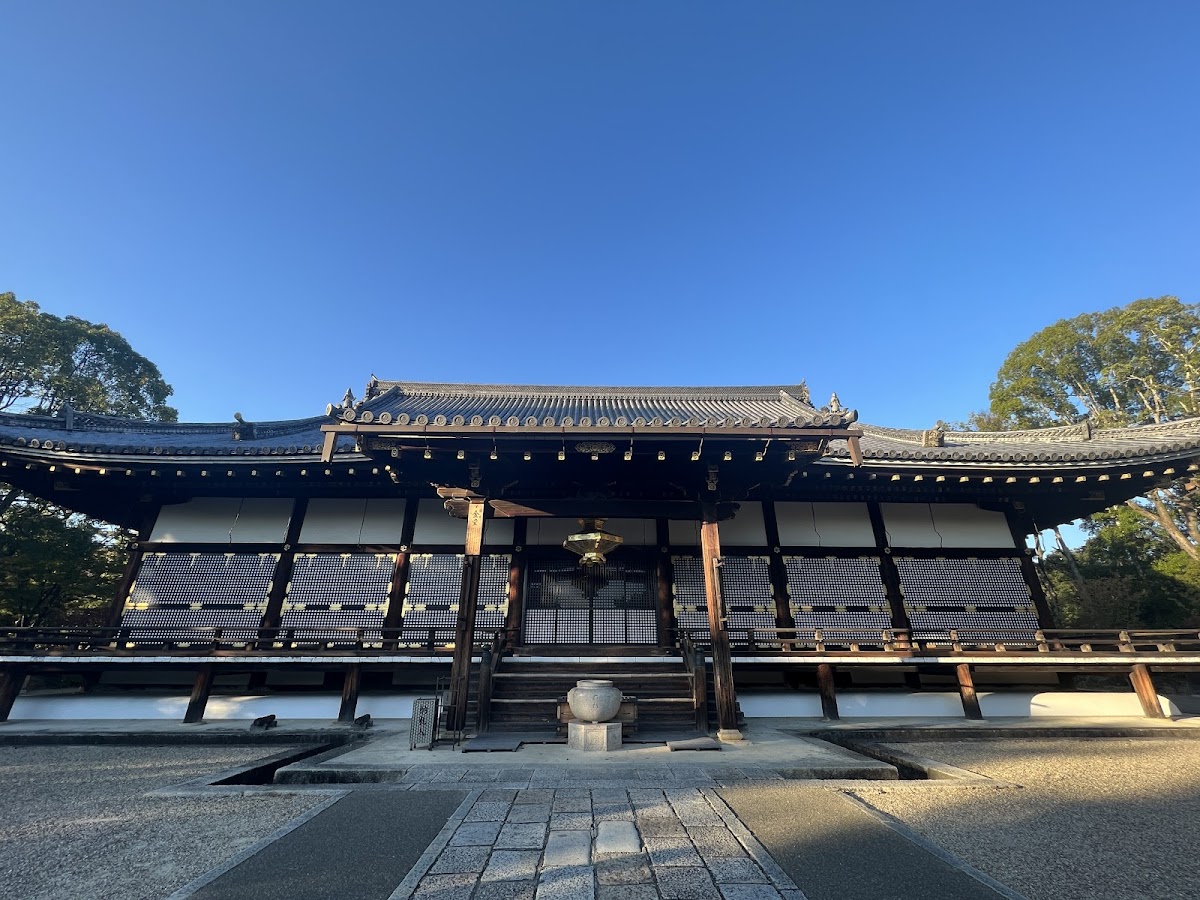
The current shrine buildings, constructed during the Kansui era (1624-1644), feature a unique architectural style called “Hirano Style.” The main hall is designated as a national important cultural property, and its architectural beauty is a major attraction alongside the cherry blossoms.
The characteristic of Hirano Style lies in its dual-structure design. Two main halls are built side by side and covered by a single roof—a rare form with few precedents nationwide. The contrast between the crimson-painted shrine buildings and the cherry blossoms makes it a popular photography spot.
Access Information for Hirano Shrine
Basic Information
Address: 1 Hirano Miyamoto-cho, Kita Ward, Kyoto City, Kyoto Prefecture
Opening Hours:
- Regular period: 6:00 a.m. to 5:00 p.m.
- Cherry blossom season: 6:00 a.m. to around 9:00 p.m. (during illumination period)
Admission: Free (grounds open to public)
Parking: Available (fee-based, limited spaces)
※Public transportation is recommended during cherry blossom season due to congestion
Access by Public Transportation
By City Bus:
City bus access is convenient for reaching Hirano Shrine.
- From JR Kyoto Station: Take city bus routes 205 or 50 and get off at “Kinugasa Komaemae,” approximately 3 minutes’ walk
- From Shijo Kawaramachi: Take city bus route 205 and get off at “Kinugasa Komaemae,” approximately 3 minutes’ walk
- From Keihan Sanjo Station: Take city bus route 15 and get off at “Kinugasa Komaemae,” approximately 3 minutes’ walk
City buses are a major transportation means for Kyoto sightseeing, and using an all-day pass allows efficient visits to multiple attractions.
By Train and Walking:
- From Randen (Keifuku Electric Railway) Kitano Line “Kitano Hakubaichō Station,” approximately 7 minutes’ walk
- From Kyoto Municipal Subway Tozai Line “Uzumasa Tenmangu Station,” approximately 20 minutes’ walk (or via bus transfer)
When using the Randen, the route from Kitano Hakubaichō Station to Hirano Shrine includes a gentle uphill. Walking while enjoying spring weather is also recommended.
Access by Personal Vehicle
Nearest Expressway IC:
- Approximately 40 minutes from Meishin Expressway “Kyoto Minami IC”
- Approximately 30 minutes from Meishin Expressway “Kyoto Higashi IC”
During cherry blossom season, surrounding roads become congested and parking lots often reach capacity, making public transportation use strongly recommended. When unavoidably driving, early morning hours tend to have less traffic.
Nearby Cherry Blossom Viewing Spots and Recommended Routes Around Hirano Shrine
The area surrounding Hirano Shrine has various other appealing cherry blossom destinations and tourist attractions. Efficiently visiting them allows for deeper enjoyment of Kyoto’s cherry blossoms.
Kitano Tenmangu (approximately 10 minutes’ walk)
Kitano Tenmangu, known as the deity of learning, is located about 10 minutes’ walk from Hirano Shrine. While famous for plum blossoms, the grounds also have cherry blossoms, so both can be enjoyed in spring. The national treasure main hall and important cultural property buildings are also must-sees.
Kinkaku-ji (approximately 15 minutes’ walk, approximately 5 minutes by city bus)
The world-heritage Kinkaku-ji (Golden Pavilion) is also in nearby areas. The combination of the Golden Pavilion and cherry blossoms is one of Kyoto’s representative spring scenes. However, be prepared for very heavy crowding.
Harayuen (approximately 10 minutes by car or taxi)
A hidden gem cherry blossom destination is Harayuen. This privately-owned garden is open to the public only during cherry blossom blooming season. The sight of approximately 400 weeping cherry blossoms, primarily, in full bloom is spectacular. However, public transportation access is somewhat inconvenient, making taxi or rental car use convenient.
Recommended Sightseeing Courses
Half-Day Course (Morning):
- Enjoy peaceful cherry blossoms at Hirano Shrine in early morning (7:00 a.m.–8:30 a.m.)
- Pay respects at Kitano Tenmangu (9:00 a.m.–10:00 a.m.)
- View Kinkaku-ji (10:30 a.m.–12:00 p.m.)
Full-Day Course:
- Enjoy morning cherry blossoms at Hirano Shrine (8:00 a.m.–9:30 a.m.)
- Pay respects at Kitano Tenmangu (10:00 a.m.–11:00 a.m.)
- Lunch in Kinkaku-ji area (11:30 a.m.–12:30 p.m.)
- View Kinkaku-ji (1:00 p.m.–2:00 p.m.)
- Visit nearby temples such as Ryoan-ji and Ninna-ji (2:30 p.m.–4:30 p.m.)
- Return to Hirano Shrine to enjoy night cherry blossoms (6:00 p.m.–7:30 p.m.)
This course allows for enjoying Hirano Shrine’s cherry blossoms twice—morning and night—experiencing their different characters.
Tips for Enjoying Cherry Blossoms at Hirano Shrine
Best Timing to Avoid Crowds
Hirano Shrine is popular as a cherry blossom destination, so the grounds become crowded especially during peak blooming season. Choosing the visit time is crucial for comfortable cherry blossom enjoyment.
Early Morning (6:00 a.m.–8:00 a.m.):
The least crowded time with peaceful viewing possible. Cherry blossoms illuminated by morning sun are refreshingly beautiful and perfect for photography. This time attracts local residents and photography enthusiasts.
Weekday Daytime (10:00 a.m.–3:00 p.m.):
Relatively less crowded than weekends. However, if the Cherry Blossom Festival falls on a weekday, expect significant crowding.
Evening (4:00 p.m.–5:30 p.m.):
A time when daytime crowds begin to subside. Cherry blossoms tinted by sunset are also beautiful, and you can wait for subsequent illumination.
Shortly After Illumination Begins (6:00 p.m.–7:00 p.m.):
For night cherry blossom viewing, shortly after illumination begins tends to be more relaxed. Later hours tend to be more crowded.
Times to Avoid:
- Weekends and holidays between 10:00 a.m.–3:00 p.m. (most crowded)
- Cherry Blossom Festival day (April 10) between 9:00 a.m.–3:00 p.m.
- Night illumination on weekends at full bloom (7:00 p.m.–8:30 p.m.)
Recommended Photography Spots
Shrine Gate and Sakigake Cherry:
An iconic composition of Hirano Shrine is possible here. The contrast between the crimson shrine gate and pale pink sakigake cherry is beautiful, and many photographers visit this spot.
Cherry Blossom Tunnel:
Cherry trees line the shrine’s approach paths like a colonnade, forming a cherry tunnel at full bloom. Early morning provides the best photo opportunity with fewer people.
Main Hall and Cherry Blossoms:
Photographing cherry blossoms with the important cultural property main hall as background creates a photo with Hirano Shrine’s dignified character.
Night Cherry Blossoms Illuminated:
When tripod use is permitted, long exposures can capture fantastical illuminated night cherry blossoms. However, tripod use may be restricted during crowding, so prior confirmation is necessary.
Cherry Blossom Viewing Etiquette and Precautions
Hirano Shrine is a sacred shrine and a place visited by many. Observe the following etiquette to enjoy cherry blossoms pleasantly.
- Do not break or touch cherry blossom branches: Many rare varieties exist, so be careful not to damage the trees.
- Always take trash home: Please help keep the shrine grounds beautiful by taking all trash with you.
- Avoid loud voices: Given the shrine’s character, quiet viewing is important.
- Show consideration when using tripods: During crowding, refrain from tripod use or take care not to obstruct other visitors’ passage.
- Smoking and alcohol consumption only in designated areas: These are generally prohibited within the shrine grounds and permitted only at designated locations like cherry blossom tea stalls.
- If bringing pets: Keep leashes short and be certain to clean up any waste.
Attractions of Hirano Shrine Beyond Cherry Blossoms
Flowers Blooming Throughout the Four Seasons
Hirano Shrine offers more than just cherry blossoms, allowing enjoyment of various flowers throughout the year.
Spring (excluding cherry): Camellias and magnolias bloom beautifully.
Early Summer: Fresh green foliage is beautiful, and the grounds are enveloped in refreshing greenery.
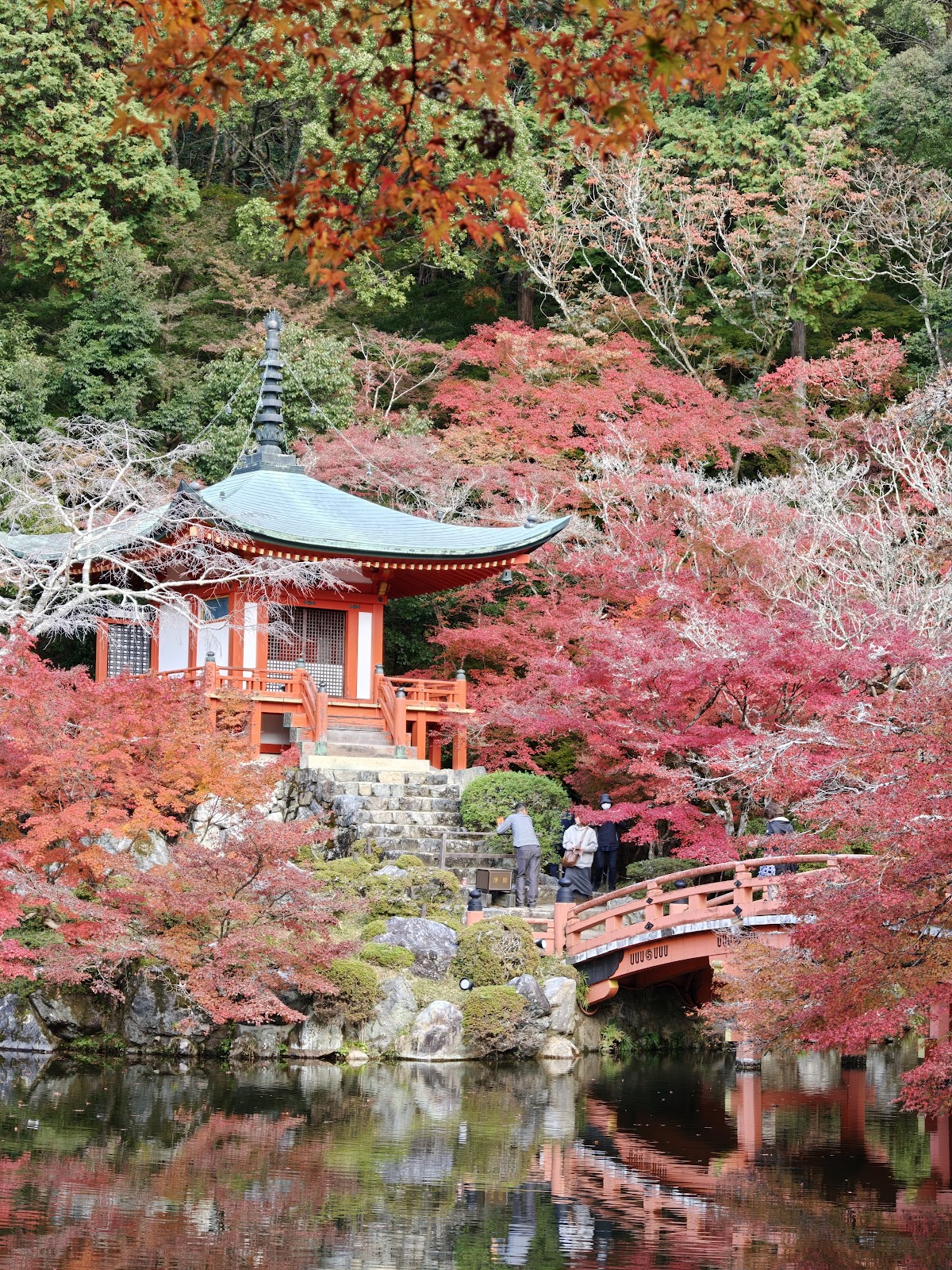
Autumn: Fall colors are striking, with cherry trees turning red and yellow.
Winter: Snow-covered grounds are serene and atmospheric.
Shrine Seals and Talismans
Beautiful shrine seals can be obtained at Hirano Shrine. During cherry blossom season, special seals may be issued and are popular with seal collectors.
Additionally, talismans and votive tablets featuring cherry blossom motifs are issued and popular as souvenirs unique to this cherry blossom destination. The “Cherry Blossom Guardian” talisman in particular is believed to bring matchmaking and good fortune blessings and is sought by many visitors.
Annual Major Events
January 1: New Year’s Day Festival
February Setsubun: Setsubun Festival
April 10: Cherry Blossom Festival (most important spring ritual)
June 30: Great Purification Ceremony
Second Sunday of September: Main Festival
November 23: Thanksgiving for the Harvest Festival
December 31: Great Purification Ceremony and New Year’s Eve Service
Visiting to coincide with these rituals allows deeper appreciation of Hirano Shrine’s traditions and dignity.
Dining Information Around Hirano Shrine
Light Refreshments at Cherry Blossom Tea Stalls
During cherry blossom blooming season, tea stalls are set up within the grounds offering light refreshments and beverages. Sweet sake and cherry blossom mochi enjoyed while viewing the cherry blossoms are incomparably delicious. However, securing seating can be difficult during peak crowding.
Nearby Restaurants
Kitano Tenmangu Area:
Antique Japanese confectionery shops and Kyoto cuisine restaurants are scattered within walking distance of Hirano Shrine from Kitano Tenmangu. The millet dumplings from “Awamochi-dokoro Sawaya” are particularly popular as a standard Kitano Tenmangu visit souvenir.
Nishijin Area:
The Nishijin area south of Hirano Shrine has seen an increase in cafes and restaurants housed in renovated traditional merchant houses. Enjoy meals in a characteristically Kyoto atmosphere.
Frequently Asked Questions About Hirano Shrine’s Cherry Blossoms
How can I check blooming information?
Hirano Shrine’s official website and social media accounts provide regular updates on cherry blossom blooming conditions. Additionally, Kyoto City Tourism Association’s website offers cherry blossom blooming information for Kyoto. It is recommended to check this information before your visit.
Can those using wheelchairs also enjoy the blossoms?
The grounds are generally flat, though some areas have steps. Wheelchair visitors can pay respects, though movement may become difficult during crowding. A visit with an attendant is recommended. Contacting the shrine in advance will provide detailed information.
Can it be enjoyed even on rainy days?
Cherry blossoms on rainy days are beautiful with their own particular charm. However, the ground becomes slippery, requiring caution. Viewing with an umbrella is necessary, so consideration for surrounding visitors is important during crowding. Rain-wet cherry blossoms appear deeper in color with their own unique atmosphere.
Is it possible to visit with pets?
Small dogs and other pets can accompany visitors, but they must always wear leashes and should not inconvenience other visitors. Waste disposal should be handled responsibly, keeping the grounds clean. Pets may experience stress during crowding, so choosing visit times carefully is recommended.
Conclusion: Appreciate Kyoto’s Cherry Blossom Culture at Hirano Shrine
Hirano Shrine is a premier cherry blossom viewing destination in Kyoto with approximately 60 varieties and 400 cherry trees in full bloom. Through its long history as a “cherry blossom shrine” since the Heian period, the “Hirano Night Cherry Blossoms” cherished by the common people since the Edo period, and the magnificent Cherry Blossom Festival on April 10, visitors can deeply experience Kyoto’s history and culture through cherry blossoms.
The variety of blooming periods from early to late varieties allows cherry blossom enjoyment for an extended period from mid-March to late April. The shrine also features rare cherry blossom varieties found nowhere else such as sakigake, nezame, and Hirano imoze cherry—essential viewing for cherry blossom enthusiasts.
Hirano Shrine’s cherry blossoms present different characters at different times: vibrant daytime blossoms, fantastical twilight blossoms, and illuminated night cherry blossoms. When visiting Kyoto, be sure to experience the essence of Japan’s cherry blossom culture at Hirano Shrine. The convenient city bus access makes it easy to incorporate into a Kyoto sightseeing itinerary—highly recommended.
Hirano Shrine’s cherry blossoms are not merely a flower-viewing spot but a special place where Japan’s history, culture, and natural beauty harmonize. When planning your spring Kyoto trip, be sure to visit Hirano Shrine and fully savor the charm of this premier cherry blossom destination with a history spanning over a thousand years.