Cherry Blossoms at Taisekiji | Complete Guide to Shizuoka Prefecture’s Hidden Cherry Blossom Spot 2026
Located in Kamijo, Fujinomiya City, Shizuoka Prefecture, Taisekiji Temple (大石寺) is known as the head temple of Nichiren Shoshu Buddhism on the slopes of Mount Fuji, but when spring arrives, approximately 5,000 Somei Yoshino cherry trees and 150 weeping cherry trees decorate the temple grounds. This makes it one of Shizuoka Prefecture’s premier cherry blossom viewing spots. The landscape created by cherry blossoms blooming profusely across the vast grounds and the five-story pagoda, designated as an Important Cultural Property of Japan, captivates all who visit.
This article comprehensively introduces information to maximize your enjoyment of cherry blossom viewing at Taisekiji, including the temple’s charm, best viewing times, access information, and nearby cherry blossom spots.
About Taisekiji Temple | Harmony of Historic Temple and Cherry Blossoms
History and Origins of Taisekiji
Taisekiji Temple was founded on November 15, 1290, by Nichiin Shonin, one of the Six Senior Disciples of Nichiren, the patriarch of the Nichiren sect (Hokke sect). As the largest temple among the Five Fuji Mountains, it boasts over 700 years of history and has become a sacred place visited by many pilgrims.
Within the temple grounds stands a five-story pagoda constructed in 1749 (Kannen 2 during the Edo period), which has been designated as a National Important Cultural Property. The collaboration between this five-story pagoda and the cherry blossoms creates a picturesque landscape unique to Taisekiji.
Characteristics of Taisekiji as a Cherry Blossom Viewing Spot
The special reason Taisekiji is renowned as a cherry blossom spot lies in its overwhelming number of trees and their diversity. The temple grounds are planted with approximately 5,000 Somei Yoshino trees, and when in full bloom, the entire grounds are dyed in pale pink. Furthermore, 150 weeping cherry trees gracefully drooping their branches create a fantastical scene that evokes the traditional beauty of Japan.
The views are particularly exceptional around the Sanmon Gate and near Meikyo Pond, where the reflection of the cherry blossoms and five-story pagoda on the water’s surface has become a popular spot for photography enthusiasts.
Cherry Blossoms at Taisekiji | Best Viewing Times and Bloom Forecast
Typical Peak Season and Bloom Schedule
The cherry blossoms at Taisekiji typically reach their peak from late March to early April. Due to the temple’s location at approximately 300 meters elevation on the Mount Fuji slope, blooming occurs slightly later than in Shizuoka city proper.
- Bloom Time: Late March
- Full Bloom: Early April
- Peak Viewing Time: Early to mid-April
- Leaf Appearance: Mid-April onward
Regarding the 2026 bloom forecast, while this varies depending on weather conditions, if temperatures in late March are typical, the first week of April is expected to offer the best viewing.
Types of Cherry Blossoms and Their Characteristics
The main types of cherry blossoms viewable at Taisekiji are as follows:
Somei Yoshino (approximately 5,000 trees)
The main cherry blossoms planted to cover the entire temple grounds. The sight of pale pink flowers blooming all at once is spectacular. The landscape is so striking that even from vehicles approaching Taisekiji, the surrounding area appears covered in cherry blossom flowers.
Weeping Cherry Blossoms (approximately 150 trees)
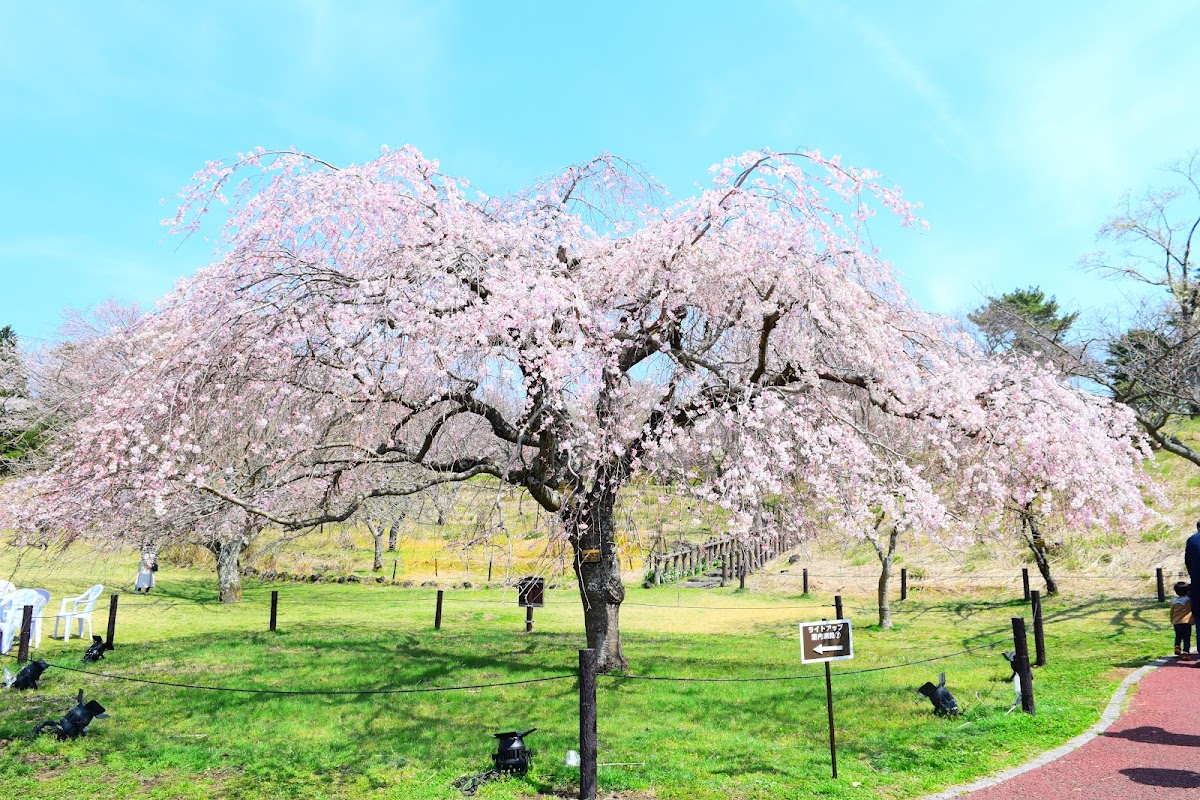
Weeping cherries display slightly deeper pink flowers than Somei Yoshino and are characterized by their graceful branching. They pair beautifully with the five-story pagoda and traditional architecture, creating a Japanese-flavored landscape.
Weather and Temperature | Optimal Conditions for Cherry Blossom Viewing
The average temperature around Taisekiji during early April is approximately 10-15 degrees Celsius, with warm and pleasant daytime conditions. However, due to the characteristic temperature drop of Mount Fuji’s slopes in early mornings and evenings, it is recommended to bring a light jacket when visiting.
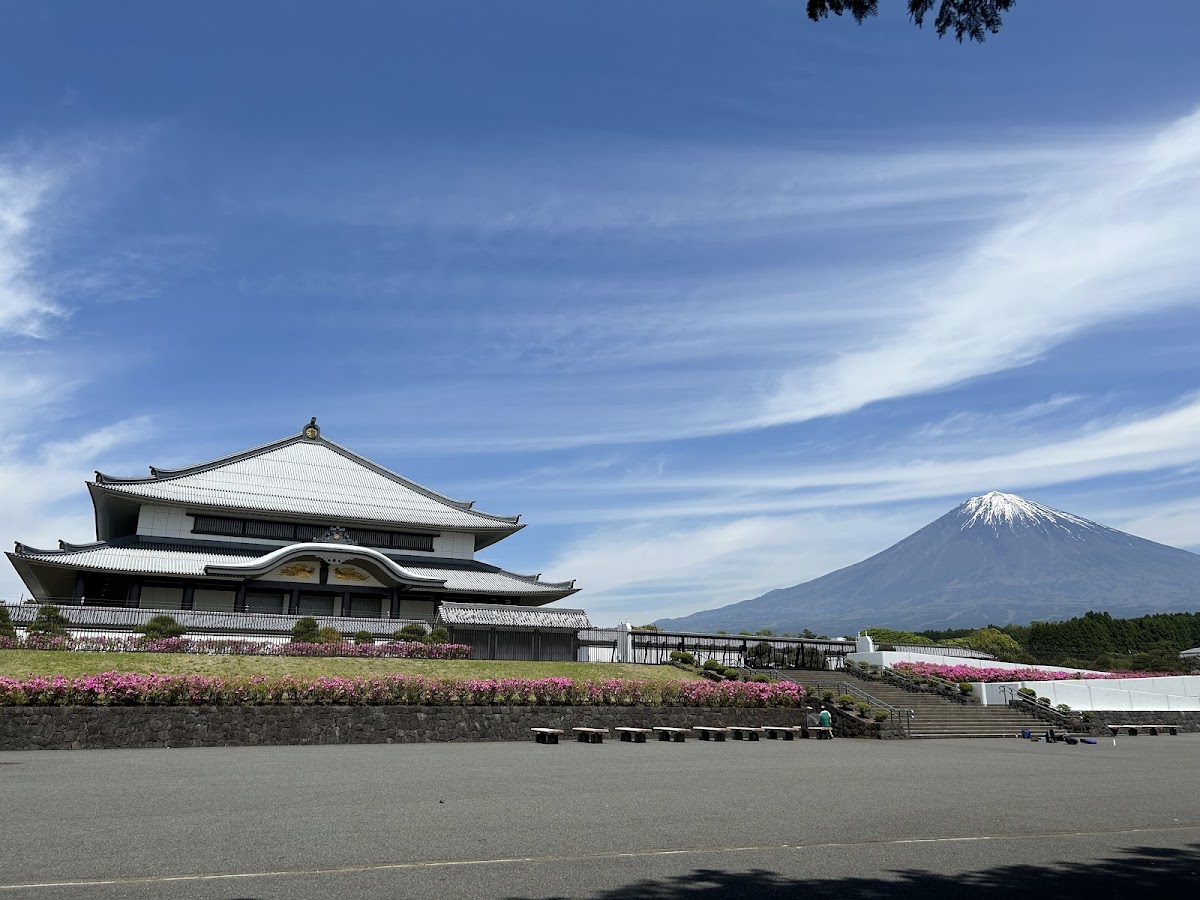
On clear days, you can view both Mount Fuji and cherry blossoms simultaneously, creating the ultimate cherry blossom viewing experience. By checking the weather forecast in advance and targeting a clear day for your visit, you can achieve a more satisfying viewing experience.
Cherry Blossoms at Taisekiji | Attractions
Spectacular Collaboration of Five-Story Pagoda and Cherry Blossoms
The greatest attraction for cherry blossom viewing at Taisekiji is the collaboration between the five-story pagoda, designated as a National Important Cultural Property, and the cherry blossoms. Built in the middle of the Edo period, the five-story pagoda stands majestically at approximately 32 meters tall, and during cherry blossom season, it is surrounded by Somei Yoshino and weeping cherry trees.
The combination of the five-story pagoda and cherry blossoms viewed in the soft light of morning particularly conveys a picturesque atmosphere and the beauty of Japan that transcends time.
Cherry Blossom Tunnel Around the Sanmon Gate
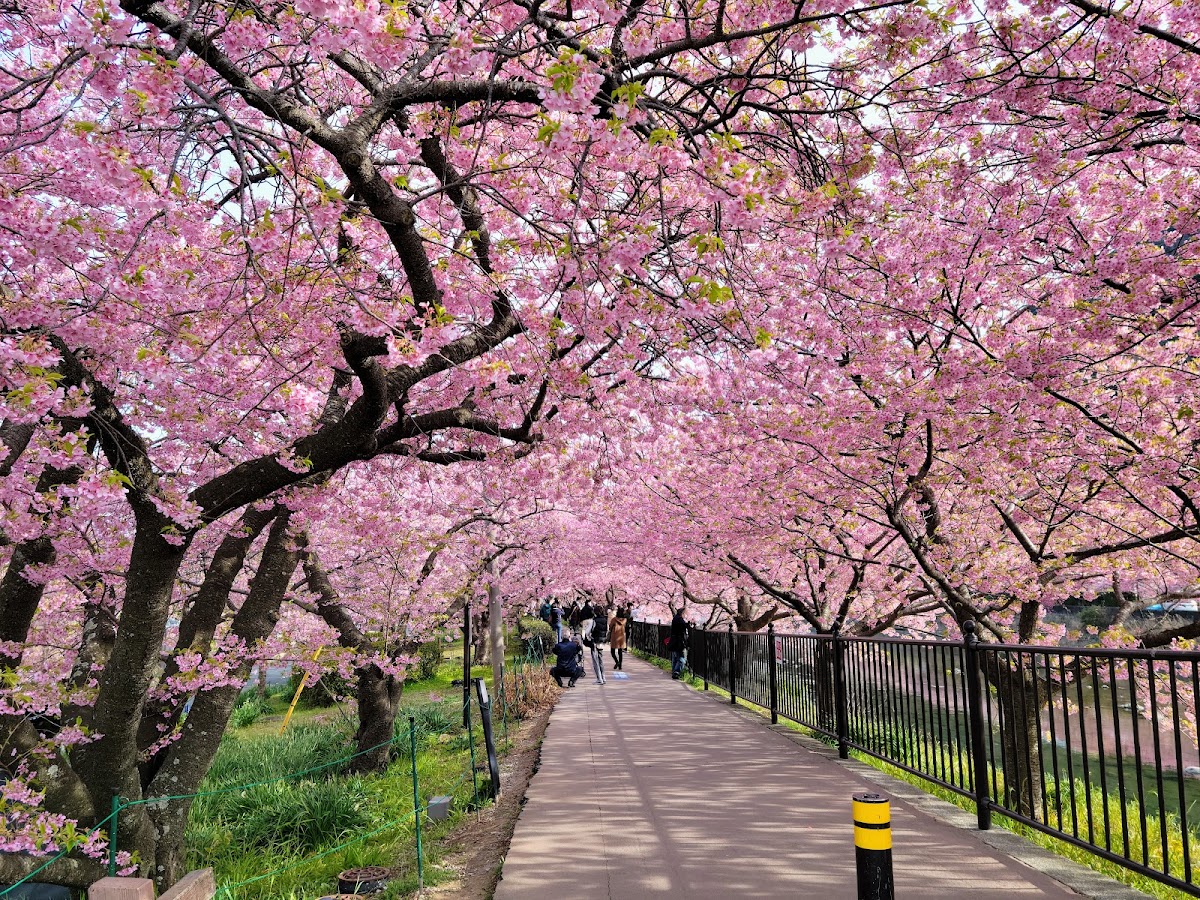
Around the Sanmon Gate, which serves as the entrance to Taisekiji, cherry trees are planted to cover the approach path, and during full bloom, a tunnel of cherry blossoms appears. Looking up at the cherry blossoms while passing through the gate creates a fantastical atmosphere as if being drawn into another world.
Meikyo Pond and Cherry Blossom Reflection
Meikyo Pond within the temple grounds, true to its name (meikyo means “mirror”), beautifully reflects the surrounding scenery. During cherry blossom season, the five-story pagoda and cherry blossoms are reflected on the pond’s surface, creating a bilaterally symmetrical spectacular view.
On calm, windless days, particularly beautiful reflections can be seen, making an early morning visit recommended.
Elegant Appearance of Weeping Cherry Blossoms
The 150 weeping cherry trees scattered throughout the temple grounds display a different refined charm from the Somei Yoshino. Particularly, the ancient weeping cherry trees are remarkable for their branching, and the flowers blooming on branches that droop to reach the ground create a sight like a waterfall of cherry blossoms.
Cherry Blossom Landscape of the Entire Vast Grounds
The temple grounds at Taisekiji are extremely expansive, and wherever you walk, you are surrounded by cherry blossom scenery. With 5,000 Somei Yoshino planted throughout, walking through the grounds provides the sensation of being showered in cherry blossom flowers.
During peak bloom, the entire Taisekiji area appears covered in cherry blossom flowers, and even when viewed from a distance, it presents a magnificent landscape.
Access Information | How to Get to Taisekiji
Access by Train and Bus
From JR Minobu Line “Fujinomiya Station”
- Approximately 15 minutes by taxi from Fujinomiya Station (approximately 6km)
- Approximately 20 minutes by bus “Taisekiji-bound” from Fujinomiya Station, get off at the terminal
When using public transportation, Fujinomiya Station is the nearest station. However, as bus frequency is limited, it is recommended to check the schedule in advance.
Access by Car
From the Tomei Expressway
- Approximately 25 minutes from “Shin-Fuji IC” on the Shin-Tomei Expressway
- Approximately 30 minutes from “Fuji IC” on the Tomei Expressway
From the Chuo Expressway
- Approximately 40 minutes from “Kawaguchiko IC” on the Chuo Expressway
Car access is convenient, and it’s easy to plan a trip combining nearby attractions.
Parking Information
Taisekiji provides free parking for visitors. During peak cherry blossom season, congestion is expected, so visiting during earlier hours (morning) is recommended.
Parking Details
- Fee: Free
- Capacity: Multiple parking areas available
- Note: Weekends during peak bloom season may experience congestion
Address and Map
Location: 2057 Kamijo, Fujinomiya City, Shizuoka Prefecture
Searching for “Taisekiji” on car navigation or map applications will display accurate location information. It is located along the road heading northeast from Fujinomiya city center toward Mount Fuji.
Visiting Information | Hours of Operation and Important Notes
Visiting Hours and Fees
- Visiting Hours: 9:00 AM – 5:00 PM
- Admission Fee: Free
- Closed Days: Certain days (see below)
The temple grounds at Taisekiji are generally free to visit, but remember that it is a religious facility and please maintain proper etiquette when visiting.
Important Notes | Entry Prohibition Days
Taisekiji prohibits general cherry blossom viewers from entering on certain days when religious ceremonies are held. It is essential to confirm these dates when planning your visit.
Entry Prohibition Days
- April 6-7 every year: General cherry blossom viewers prohibited due to religious ceremonies
- Every Saturday and Sunday: Partial restrictions may apply
- November 20-21: Autumn religious ceremony period
Weekday visits are recommended, but if visiting on weekends, it is advisable to confirm with Taisekiji in advance.
Photography Etiquette and Visiting Rules
As Taisekiji is a religious facility, please observe the following etiquette:
- Photography inside buildings is generally prohibited
- Avoid loud conversations and loud noise
- Take all trash with you
- Do not break cherry blossom branches or damage trees
- Be considerate not to hinder other visitors
- If using a tripod, ensure it does not obstruct other visitors’ passage
Cherry Blossom Viewing Spots Near Taisekiji
We introduce cherry blossom viewing spots in the Fujinomiya area worth visiting in combination with cherry blossom viewing at Taisekiji.
Kariyado-no-Shimoumazakura
Approximately 20 minutes by car from Taisekiji is “Kariyado-no-Shimoumazakura,” a Japanese wild cherry designated as a Special Natural Monument of Japan. This cherry tree, estimated to be over 800 years old, is the oldest of its kind in Japan and is said to have been viewed by Minamoto no Yoritomo on horseback during his hunting excursion on Mount Fuji.
- Location: Kariyado, Fujinomiya City, Shizuoka Prefecture
- Peak Viewing Time: Mid-April
- Characteristics: One of Japan’s five great cherry trees, Special Natural Monument
This spot allows you to experience the grandeur and history of a single cherry tree, distinctly different from Taisekiji’s cherry blossoms.
Cherry Blossoms at Fujisan Hongu Sengen Taisha
Fujisan Hongu Sengen Taisha in the center of Fujinomiya City is also known as a cherry blossom viewing spot. The grounds contain approximately 500 cherry trees, and the contrast between the vermillion-painted tower gate and the cherry blossoms creates a beautiful landscape.
- Location: 1-1 Miyacho, Fujinomiya City, Shizuoka Prefecture
- Peak Viewing Time: Late March to early April
- Characteristics: Head shrine of all Sengen shrines nationwide, UNESCO World Heritage component
Cherry Blossoms at Lake Tanuki
Lake Tanuki, located on the western slope of Mount Fuji, has approximately 300 cherry trees planted along its shore, where you can enjoy the harmony of Mount Fuji, cherry blossoms, and the lake. It is particularly famous as a photography spot for “Diamond Fuji” and offers spectacular views when timing coincides with cherry blossom season.
- Location: Saori, Fujinomiya City, Shizuoka Prefecture
- Peak Viewing Time: Early to mid-April
- Characteristics: Mount Fuji views, camping facilities available
Cherry Blossoms at Fuji Reien
Approximately 30 minutes by car from Taisekiji, Fuji Reien is famous for its approximately 8-kilometer-long cherry tree avenue and has been selected as one of “Japan’s Top 100 Cherry Blossom Viewing Spots.” The landscape of approximately 10,000 cherry blossoms in full bloom is spectacular.
- Location: 888-2 Okami, Oyama Town, Sunto District, Shizuoka Prefecture
- Peak Viewing Time: Early to mid-April
- Characteristics: Japan’s Top 100 Cherry Blossom Spots, 8km cherry tree avenue
Enhance Your Cherry Blossom Viewing | Nearby Attractions and Dining Information
Fujinomiya Yakisoba
When visiting Fujinomiya City, the local specialty “Fujinomiya Yakisoba” is a must-try. This yakisoba, which won the B-1 Grand Prix, features chewy noodles, meat scraps, and dried sardine flakes as its distinctive characteristics.
Many Fujinomiya yakisoba restaurants are located around Taisekiji and Fujinomiya Station, making them ideal stops before or after cherry blossom viewing.
Shiraito Falls
Approximately 20 minutes by car from Taisekiji, “Shiraito Falls” is a component asset of the UNESCO World Heritage site “Mount Fuji – Sacred Place and Source of Artistic Inspiration.” The falls, descending 20 meters high across 200 meters wide, create a mystical sight where groundwater from Mount Fuji emerges.
During cherry blossom season, the surrounding fresh greenery is beautiful, making it an ideal spot to immerse yourself in nature.
Asagiri Plateau
Spanning the western slope of Mount Fuji, Asagiri Plateau is a tourist destination offering expansive grasslands and views of Mount Fuji. The area features direct sales outlets for dairy products and restaurants where you can relax while enjoying views of Mount Fuji.
The Asagiri Plateau in spring displays beautiful fresh greenery and is recommended as a destination to visit alongside cherry blossom viewing.
Hot Springs in Fujinomiya City
The Fujinomiya area is well-equipped with day-use hot spring facilities. Soaking in a hot spring to soothe muscles tired from cherry blossom viewing is one of the pleasures of travel.
- Tenbo-no-Yu: Day-use hot spring with views of Mount Fuji
- Fugaku Onsen Hana-no-Yu: Conveniently located near the city center
Cherry Blossom Photography Spots at Taisekiji and Best Times
Recommended Photography Locations for Photography Enthusiasts
Front View Shot of Five-Story Pagoda and Cherry Blossoms
Capturing the five-story pagoda from the front with weeping cherry trees in the foreground creates a shot unique to Taisekiji. Morning side lighting is recommended.
Reflection from Meikyo Pond
Visiting early in the morning on calm, windless days allows the five-story pagoda and cherry blossoms to be beautifully reflected in the pond water. Use a tripod for thorough photography of this location.
Cherry Blossom Tunnel from the Sanmon Gate
Photographing the cherry blossom tunnel seen while passing through the gate with a wide-angle lens creates an impressive photo.
Overview Shot of the Entire Grounds
Looking down from an elevated point within the grounds allows you to capture both the entire grounds covered in cherry blossoms and Mount Fuji simultaneously.
Best Times for Photography
- Early Morning (6:00 AM – 8:00 AM): Few people, soft morning light beautifully illuminates the cherry blossoms. Ideal for reflection photography.
- Morning (9:00 AM – 11:00 AM): Bright side lighting and beautiful contrast between blue sky and cherry blossoms.
- Late Afternoon (4:00 PM – 5:00 PM): Evening sunlight gives cherry blossoms warm tones.
As Taisekiji does not have nighttime illumination, daytime photography is the main focus.
Cherry Blossoms at Taisekiji | Seasonal Charm
Spring Cherry Blossom Season (Late March – Mid-April)
Needless to say, spring when cherry blossoms reach full bloom is Taisekiji’s peak season. The sight of 5,000 Somei Yoshino and 150 weeping cherry trees blooming simultaneously is the most vibrant time of the year.
Fresh Green Season (May – June)
After the cherry blossoms end, the season of fresh greenery reveals another beautiful aspect of Taisekiji. The trees throughout the grounds bud simultaneously, enveloped in vibrant green.
Autumn Foliage Season (November)
In autumn, the trees in the grounds turn to fall colors, and you can enjoy the collaboration of the five-story pagoda with autumn foliage. However, note that November 20-21 is off-limits to visitors due to religious ceremonies.
Winter Stillness (December – February)
Taisekiji in winter is wrapped in silence, allowing you to experience the refined beauty of the snow-covered five-story pagoda and the solemn grounds. On clear days, the view of Mount Fuji is also exceptional, offering unique winter charm.
Summary | Fully Enjoying Cherry Blossoms at Taisekiji
Taisekiji in Fujinomiya City, Shizuoka Prefecture, is a lesser-known cherry blossom viewing spot where approximately 5,000 Somei Yoshino and 150 weeping cherry trees bloom in profusion. It offers abundant attractions including the collaboration of the five-story pagoda, designated as a National Important Cultural Property, with cherry blossoms, the reflection in Meikyo Pond, and the cherry blossom tunnel around the Sanmon Gate.
Summary of Visiting Tips
- Peak season typically early April: Cherry blossom season from late March to mid-April
- Weekday visits recommended: Entry restrictions apply April 6-7 and weekends
- Early morning visits to avoid crowds: Also ideal for photography
- Combine with nearby spots: Kariyado-no-Shimoumazakura, Shiraito Falls, etc.
- Enjoy Fujinomiya yakisoba: Savor local cuisine on your trip
- Check weather forecasts: Mount Fuji is visible on clear days
- Maintain proper etiquette: Remember this is a religious facility
Taisekiji’s cherry blossoms represent a Shizuoka-representative cherry blossom viewing spot where the solemn atmosphere of a historic temple beautifully harmonizes with spring’s splendor. In the clear air of the Mount Fuji slope, surrounded by 5,000 cherry blossoms, the experience will surely become an unforgettable memory.
In spring 2026, please visit Taisekiji and savor the spectacular performance of traditional Japanese beauty and cherry blossoms.