
Cherry Blossoms at Shukugawa Park (Shukugawa Riverbed Greenery) | Complete Guide to Hyogo Prefecture’s Representative Cherry Blossom Spot
Shukugawa Riverbed Greenery (commonly known as Shukugawa Park), located along the Shukugawa River flowing through Nishinomiya City in Hyogo Prefecture, is known as one of the representative cherry blossom viewing spots in the Kansai region. Selected as one of Japan’s 100 Famous Cherry Blossom Spots, approximately 1,660 cherry trees bloom along both banks of the river each spring, attracting many flower-viewing visitors. This article provides detailed information about the charm of Shukugawa Park’s cherry blossoms, blooming information, access methods, and ways to enjoy it—everything you should know before visiting.
What is Shukugawa Park? Overview of Hyogo Prefecture’s Premier Cherry Blossom Destination
Shukugawa Riverbed Greenery is an urban park developed along the Shukugawa River, which flows north and south through Nishinomiya City in Hyogo Prefecture. Generally known as “Shukugawa Park,” it is beloved by local residents as a place of relaxation and is a highly popular cherry blossom viewing spot for tourists visiting from across the country.
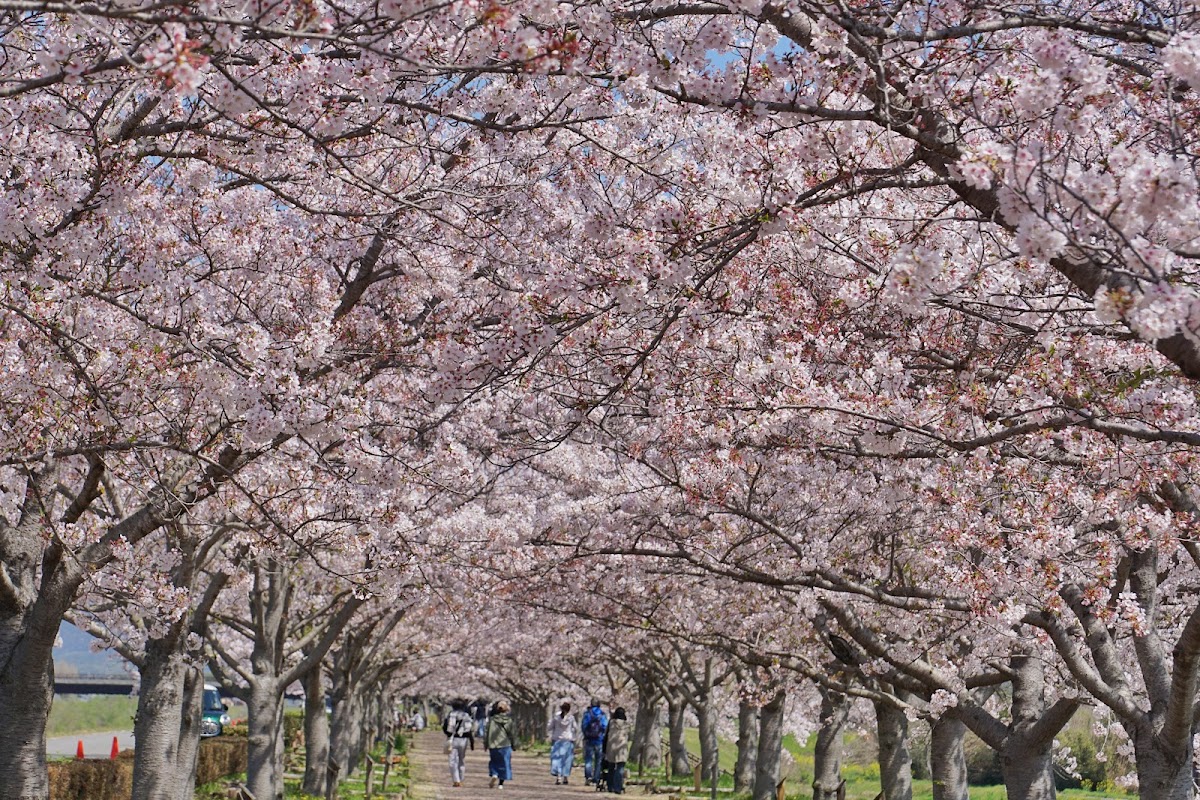
The park’s greatest feature is the cherry tree-lined promenade extending approximately 4km from south to north (some sources indicate 2.8km). The cherry trees planted on both banks of the river form a magnificent cherry blossom tunnel in spring, captivating visitors. In 1990, it was selected as one of Japan’s 100 Famous Cherry Blossom Spots, and its beauty has been nationally recognized.
History and Development of Shukugawa Park
The development of Shukugawa Riverbed Greenery was undertaken to secure a place of relaxation for residents in rapidly urbanizing Nishinomiya City. Cherry trees were systematically planted as part of the riverside greenery project, and through years of careful maintenance, the beautiful landscape of today has been formed. Under the appropriate upkeep by Nishinomiya City’s Parks and Greenery Division, the park has developed into a beloved destination for residents and tourists throughout the four seasons.
Scale and Varieties of Cherry Blossoms
Shukugawa Park is home to approximately 1,300 to 1,660 cherry trees (the number varies depending on the source). The primary variety is Somei Yoshino, but the park also features a diverse range of cherry blossoms including Yamato Sakura, Weeping Cherry, and Great Island Cherry.
Of particular note is the existence of “Shukugawa Mai-Zakura,” an original Nishinomiya City cherry blossom variety. This rare species is a unique highlight of Shukugawa Park and has garnered attention from cherry blossom enthusiasts.
Highlights and Appeal of Shukugawa Park’s Cherry Blossoms
The Spectacular Cherry Tree-Lined Promenade Along Both Banks of the River
The greatest charm of Shukugawa Park is the magnificent cherry tree-lined avenue extending north and south along both banks of the river. The cherry blossom tunnel spanning approximately 4km creates an ethereal landscape as if a pink carpet has been laid out. The sight of cherry blossoms reflected on the river’s surface is also beautiful, allowing visitors to enjoy a picturesque flower-viewing experience unique to a riverside setting.
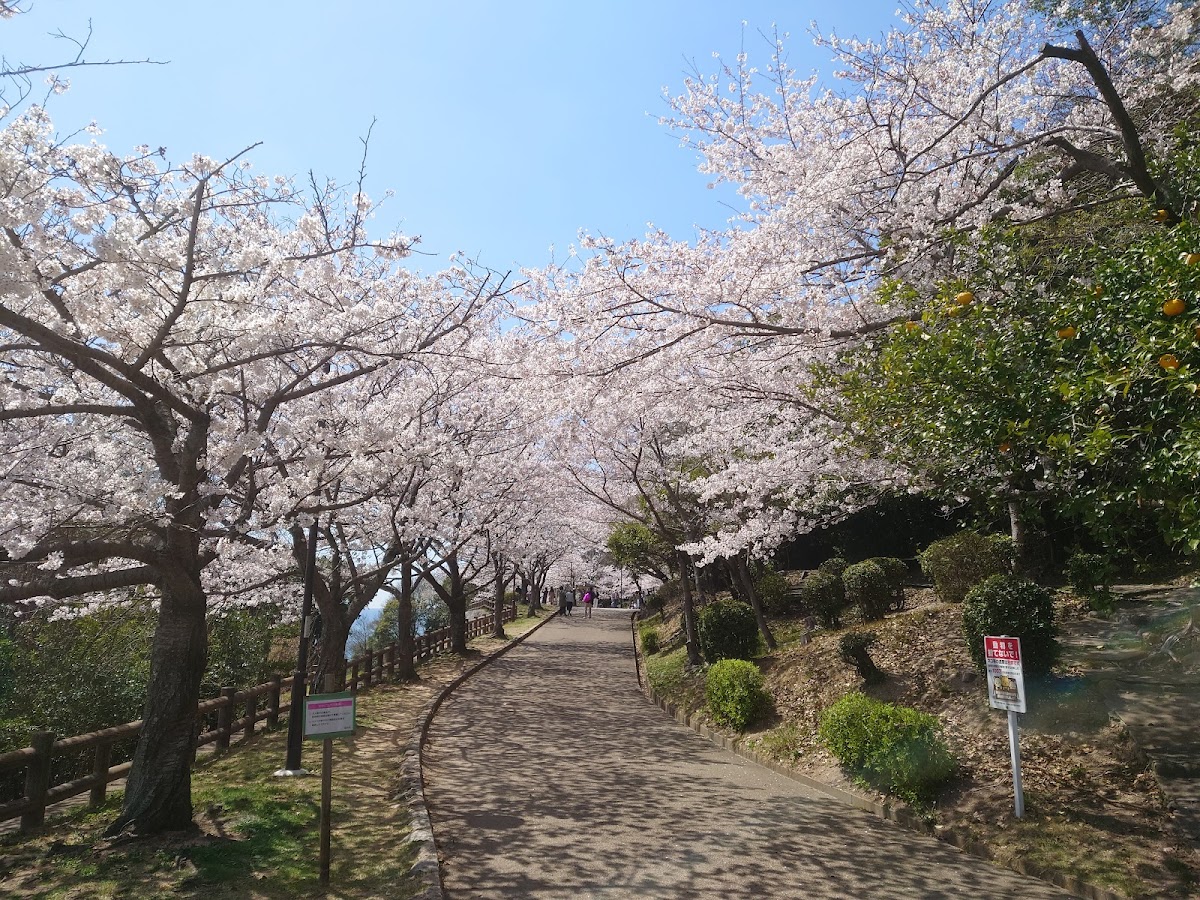
With well-maintained walking paths, visitors can leisurely enjoy cherry blossoms while strolling. Walking through the cherry tree-lined promenade while listening to the murmur of the river offers a refreshing escape from the hustle and bustle of daily life.
Collaboration Between the Hankyu Train and Cherry Blossoms
A popular photography spot at Shukugawa Park is where visitors can capture both the Hankyu train and cherry blossoms together. Particularly around Hankyu Shukugawa Station, it is possible to capture the Hankyu train running through a tunnel of cherry blossoms, which has become a topic of discussion as an Instagram-worthy photo opportunity.
The Japanese landscape combining trains and cherry blossoms captivates many photographers and tourists alike, cherished as a spring tradition.
Diverse Cherry Blossom Varieties and Extended Viewing Period
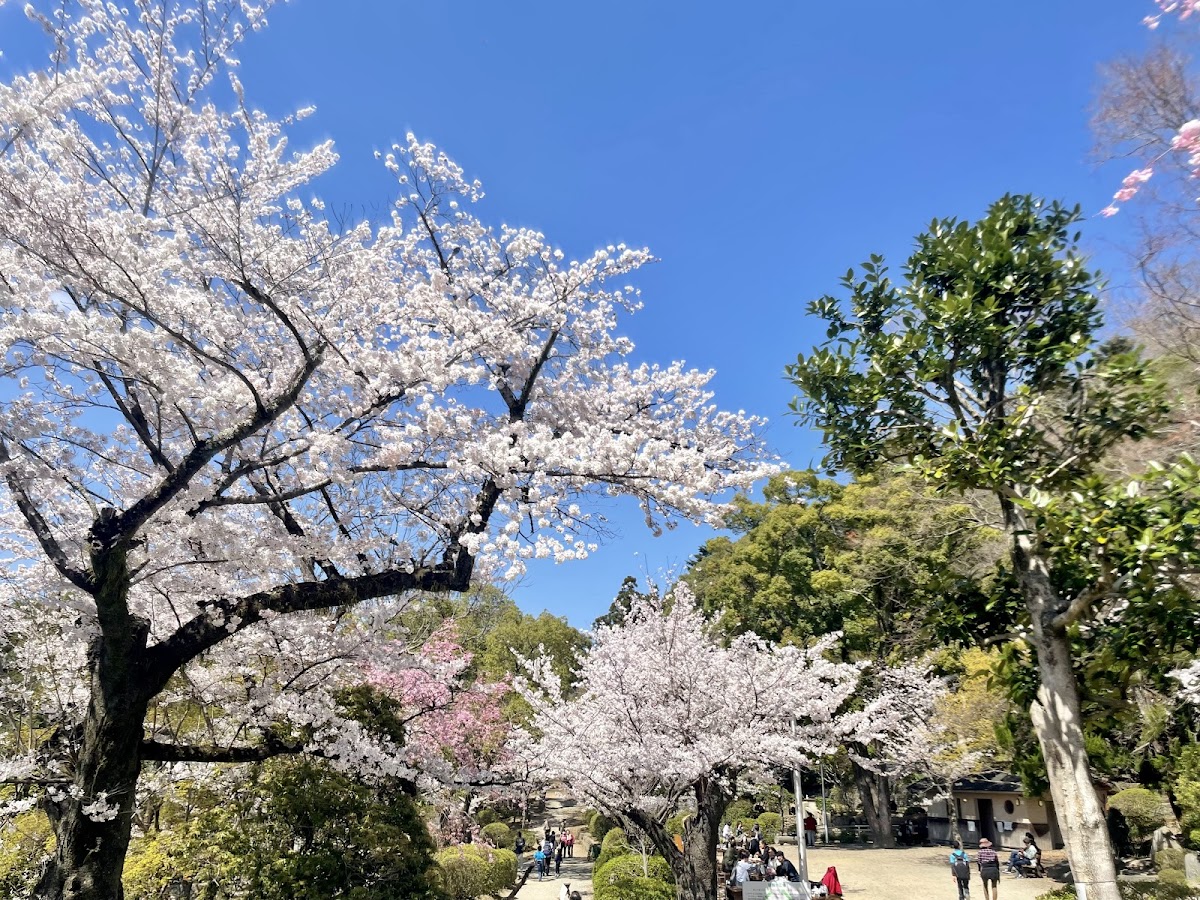
While centered around Somei Yoshino, the park features multiple varieties including Yamato Sakura, Weeping Cherry, and Great Island Cherry. Since the blooming times of these varieties slightly differ, cherry blossoms can be enjoyed for a relatively extended period.
The “Shukugawa Mai-Zakura,” an original Nishinomiya variety, is a rare species found nowhere else, attracting attention among cherry blossom enthusiasts. Strolling through the park while searching for different varieties of cherry blossoms is one of the joys of visiting.
Excellent Accessibility within Walking Distance of the Station
Shukugawa Park’s outstanding accessibility, located just a short walk from Hankyu Shukugawa Station, is another major appeal. Visitors can reach this famous cherry blossom destination within 10 minutes of walking from the station, making it easily accessible even for tourists from distant areas. The convenience of public transportation access is a significant advantage for those without cars or those seeking to avoid congestion.
Cherry Blossom Blooming Period and Peak Viewing Season at Shukugawa Park
Typical Blooming and Peak Seasons
Shukugawa Park’s cherry blossoms typically reach their peak from late March to early April. The general schedule is as follows:
- Blooming period: Late March (around March 20-25)
- Peak bloom period: Late March to early April (around March 28 to April 5)
- Optimal viewing period: Approximately one to ten days
However, the blooming period may shift forward or backward depending on climate conditions in any given year, so it is recommended to check the latest blooming information before planning a visit.
How to Check Blooming Information
The cherry blossom blooming status at Shukugawa Park can be confirmed through the following methods:
- Nishinomiya City Official Website: Official information provided by Nishinomiya City or the Parks and Greenery Division
- Nishinomiya Tourism Association: Regional tourism information updated with blooming status
- Flower Viewing Information Sites: Cherry blossom blooming information pages on Walker Plus, Weather News, tenki.jp, and similar sites
- Social Media: Search using hashtags such as “#ShukugawaPark” or “#ShukugawaCherryBlossoms” on Twitter and Instagram
When planning a visit, it is recommended to check multiple information sources to understand the latest blooming status before heading out.
Effects of Weather and Climate on Blooming
Cherry blossom blooming is heavily influenced by temperature. In warm winters, blooming tends to occur earlier, while continued cold spring weather may delay blooming. Additionally, strong winds or rain after peak bloom can accelerate the falling of petals, making it important to also check weather forecasts.
In recent years, climate change has caused blooming periods to fluctuate significantly from year to year, making advance information gathering even more crucial.
Access Methods to Shukugawa Park
Access by Train
Public transportation is the most convenient way to reach Shukugawa Park.
Hankyu Kobe Line “Shukugawa Station”
- Approximately 15 minutes by limited express from Osaka Umeda Station
- Approximately 10 minutes by limited express from Kobe Sannomiya Station
- Short walk from the station to the park (southern area)
JR Kobe Line “Sakura Shukugawa Station”
- Approximately 20 minutes by rapid train from Osaka Station
- Approximately 12 minutes by rapid train from Sannomiya Station
- Approximately 5-minute walk from the station to the park
Hanshin Main Line “Kaasho-en Station”
- Approximately 20 minutes by limited express from Osaka Umeda Station
- Approximately 10-minute walk from the station to the park
Multiple train lines provide access, allowing visitors to choose the most convenient route based on their departure point and destination.
Access by Car and Parking Information
Car access is also possible, but the surrounding roads are extremely congested during peak cherry blossom season.
Access from Major Roads
- Approximately 10 minutes from “Nishinomiya Exit” on Hanshin Expressway 3 Kobe Line
- From National Route 2 to roads along the Shukugawa River
Regarding Parking
Shukugawa Park has no dedicated parking lot. Visitors must use nearby coin parking facilities, but during cherry blossom season, these lots frequently fill up and parking fees tend to be high.
Public transportation is strongly recommended during peak cherry blossom season. For those who must drive, consider arriving early in the morning or utilizing “park and ride,” where you park at a station farther away and take the train to the destination.
Ways to Enjoy Cherry Blossoms at Shukugawa Park
Flower Viewing While Strolling
The most recommended way to enjoy Shukugawa Park is to leisurely stroll along the riverside promenade while appreciating the cherry blossoms. Since the park extends north and south for a considerable distance, you can adjust the walking route according to your fitness level and time available.
Recommended Strolling Courses
- Hankyu Shukugawa Station Area Course (approximately 1km): Head north from the station toward the area near National Route 2. This area has the densest concentration of cherry trees and offers impressive views.
- North-South Complete Route (approximately 4km): For those with ample time, walking from the southern end to the northern end of the park is recommended. You can enjoy changes in the river flow and cherry blossoms.
- Short Course (approximately 500m): Head south from Hankyu Shukugawa Station toward Hanshin Kaasho-en Station. Even in a short time, you can fully enjoy the cherry blossoms.
Picnicking and Flower Viewing Celebrations
The grassy areas along the river allow visitors to spread out a sheet and enjoy a picnic while viewing cherry blossoms. Having a meal beneath the blooming trees is a special experience. However, the following points should be noted:
Important Notes
- Open flames are prohibited
- All trash must be taken away
- Avoid leaving areas unattended for extended periods as placeholders
- Be considerate of those around you
- Alcoholic beverages may be brought, but please enjoy responsibly
- In recent years, gatherings may be discouraged due to COVID-19 considerations, so check the latest information before visiting.
Best Photography Spots
Shukugawa Park offers numerous ideal spots for photography.
Popular Photography Points
- Hankyu Train with Cherry Blossoms: Photograph the Hankyu train running through the cherry blossom tunnel from the bridge area near Hankyu Shukugawa Station
- Cherry Blossoms Reflected in Water: The sight of cherry blossoms mirrored in the water is ethereal
- Cherry Blossom Tunnel: The tunnel-like landscape created by cherry trees on both banks
- Overhead View from Bridges: Composition looking down at the riverside cherry tree-lined promenade from various bridges
Photography Tips
- Early morning or evening light is recommended for soft, beautiful images
- Weekday mornings tend to have fewer people and are more conducive to photography
- Avoid using tripods during peak times out of consideration for other visitors
- Be mindful not to obstruct other flower-viewing guests
Illumination Information
Shukugawa Park may host cherry blossom illumination events in some years. However, as the implementation and scale vary year to year, it is advisable to check official information from Nishinomiya City or the tourism association beforehand.
The ethereal beauty of night cherry blossoms offers a different appeal from daytime viewing and is particularly popular as a couple’s date destination.
Congestion Levels and Best Timing for Visiting
Peak Congestion Periods and Times
Shukugawa Park is one of Hyogo Prefecture’s most renowned cherry blossom spots and experiences significant congestion during the peak season.
Congestion Levels
- Weekdays: Crowded (especially during daytime)
- Weekends and Holidays: Very crowded (all day)
- Peak Period: Approximately three days from peak bloom
Congestion by Time of Day
- Early Morning (7am-9am): Relatively uncrowded. Ideal for photography enthusiasts and those wanting a leisurely stroll
- Late Morning (9am-12pm): Gradually becomes more crowded
- Midday (12pm-3pm): Most crowded. Picnic areas are filled with visitors
- Evening (3pm-6pm): Congestion somewhat eases. The collaboration of sunset and cherry blossoms is beautiful
- Evening (Nighttime): Crowded during illumination events
Recommended Visiting Times
For those wishing to enjoy cherry blossoms leisurely, the following timings are recommended:
- Weekday mornings: Least crowded, allowing peaceful appreciation of cherry blossoms
- Just after blooming begins or as petals begin to fall: Avoiding peak bloom times reduces congestion
- Light rain days: While rain gear is necessary, there are fewer people and the atmosphere is more atmospheric
For families and groups wishing to enjoy a lively atmosphere, midday on weekends is recommended, though you should be prepared for congestion.
Tourist Attractions Around Shukugawa Park
Sake Brewery Tours in Nishinomiya
Within walking distance of Shukugawa Park is Nishinomiya’s sake brewery area. Multiple breweries are scattered around Hanshin Nishinomiya Station, offering brewery tours, tastings, and sake purchases.
A plan combining cherry blossom appreciation with brewery tours is a popular adult spring activity. Enjoying early-afternoon drinks followed by cherry blossom viewing at Shukugawa Park is a luxurious way to spend your time.
Nishinomiya Shrine (Headquarters of Ebisu Shrines)
Affectionately known as “Ebessan,” Nishinomiya Shrine is the head shrine of all Ebisu shrines throughout Japan. Known as a deity of commercial prosperity, it attracts numerous worshippers annually on January 10 for the “Toka Ebisu” festival.
Located approximately 5 minutes on foot from Hanshin Nishinomiya Station and only several minutes by train from Shukugawa Park.
Koyama Forest Park
The verdant Koyama Forest Park offers a short excursion from Shukugawa Park. Within its extensive grounds is an observation deck providing panoramic views of Nishinomiya city and Osaka Bay. Spring brings not only cherry blossoms but also beautiful fresh greenery, making it ideal for hiking and picnicking.
Hankyu Nishinomiya Gardens
For shopping and dining, Hankyu Nishinomiya Gardens is recommended. This large shopping complex, directly connected to Hankyu Nishinomiya-kita Station, features a wide range of stores including fashion, miscellaneous goods, and gourmet options.
Stopping by before or after flower viewing to purchase boxed lunches or sweets is an excellent idea.
Nearby Cherry Blossom Spots and Flower Viewing Locations
Beyond Shukugawa Park, Nishinomiya City and its surroundings feature other appealing cherry blossom destinations.
Cherry Tree-Lined Promenade Along Ashiya River
The Ashiya River, which flows next to the Shukugawa, is also known for its beautiful cherry tree-lined avenue. Cherry blossoms along this river in an upscale residential area exude a refined atmosphere. Access is available from JR Ashiya Station or Hankyu Ashiya-gawa Station.
Cherry Blossoms Along Muko River Riverbed
The Muko River, which forms the border between Nishinomiya and Amagasaki cities, also features cherry tree-lined areas. The expansive riverbed allows for a relaxed flower-viewing experience.
Hyogo Prefectural Akashi Park
This vast urban park centered around Akashi Castle ruins is home to approximately 1,000 cherry trees in full bloom. The collaboration of castle and cherry blossoms is stunning, allowing visitors to enjoy flower viewing amid historic atmosphere.
Himeji Castle
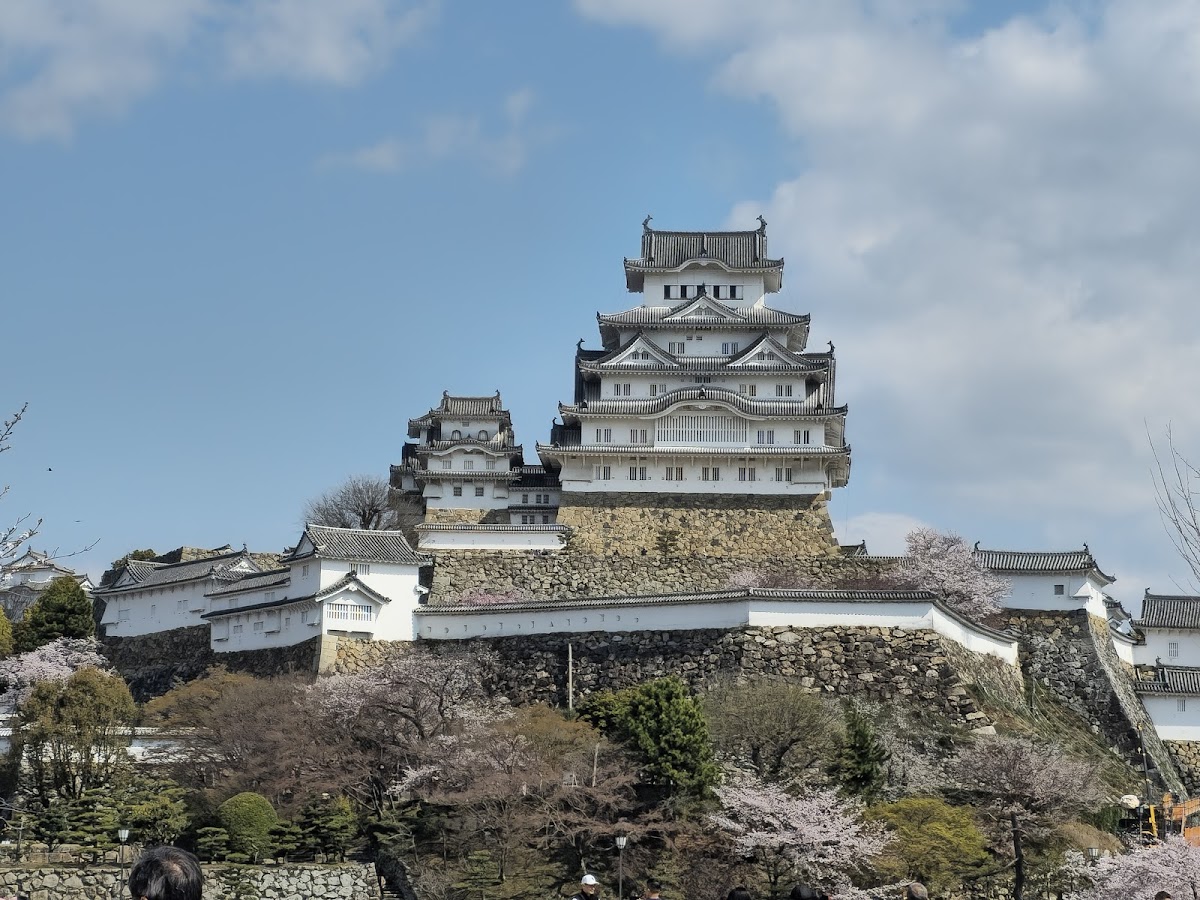
Designated as a UNESCO World Heritage site and a Japanese national treasure, Himeji Castle is also famous as a cherry blossom destination. The contrast between the white walls of this castle, known as the “White Egret,” and the cherry blossoms is spectacular, making it one of Japan’s premier flower-viewing locations.
Precautions and Etiquette for Visiting Shukugawa Park
Prohibited Activities
The following activities are prohibited at Shukugawa Park to ensure a comfortable flower-viewing experience for all:
- Use of Open Flames: Barbecues, fireworks, and any use of fire is strictly prohibited
- Littering: All trash must be taken away
- Breaking Cherry Branches: Damaging cherry trees is strictly forbidden
- Extended Area Reservation: Unattended space reservation inconveniences other park visitors
- Off-Leash Pets: Pets are permitted but must always be kept on a leash
Recommended Etiquette
- Quiet Appreciation: Since the park borders residential areas, keep noise levels down and speak quietly
- Maintaining Clear Pathways: When spreading out sheets, ensure walking paths remain unobstructed
- Spirit of Sharing: At popular photo spots, respect turn-taking and avoid monopolizing spaces
- Environmental Protection: Treat plants and wildlife with care
- Disease Prevention Measures: Practice appropriate preventive measures as circumstances require
Restrooms and Facilities
Multiple public restrooms are available within the park, but they become congested during cherry blossom season. Shops and vending machines are limited, so preparing food and beverages in advance is recommended.
Purchasing necessary items from nearby convenience stores or supermarkets before heading to the park is advisable.
Four-Season Appeal of Shukugawa Park
While famous as a cherry blossom destination, Shukugawa Park displays different characteristics throughout the four seasons.
Spring (March to May)
After the cherry blossom season ends, the season of fresh greenery begins. Azaleas and satsuki blossoms also bloom, creating pleasant walking conditions.
Summer (June to August)
Lush green trees provide comfortable shade, and the riverside murmur creates a refreshing atmosphere. During summer vacation, children enjoying river play can be seen.
Autumn (September to November)
During autumn foliage season, cherry trees take on red and yellow hues, offering autumn’s distinctive atmosphere. Autumn strolling is also highly recommended.
Winter (December to February)
The landscape of leafless trees and quiet river presents winter’s unique charm. This season appeals to those seeking peaceful, uncrowded walks.
Accommodations Convenient for Access to Shukugawa Park
For visitors from distant areas or those wishing to leisurely explore the Nishinomiya-Kobe region, nearby accommodations are recommended.
Hotels in Nishinomiya and Ashiya
- Hotel Hewitt Koshien: A comfortable hotel near Hanshin Koshien Station
- Business Hotels in Ashiya: Multiple options near Hankyu Ashiya-gawa Station
Hotels in Kobe
Numerous hotels surround Kobe Sannomiya, with Hankyu train access to Shukugawa Station in approximately 10 minutes. Staying in Kobe while sightseeing is also an excellent option.
Hotels in Osaka
Staying in the Osaka Umeda area and visiting Shukugawa Park as a day trip is entirely feasible, with Hankyu train access taking approximately 15 minutes.
Conclusion: Experience the Finest Cherry Blossoms at Shukugawa Park
Shukugawa Park (Shukugawa Riverbed Greenery) is a representative cherry blossom viewing destination in Hyogo Prefecture and was selected as one of Japan’s 100 Famous Cherry Blossom Spots. The sight of approximately 1,660 cherry trees blooming across 4km from south to north is breathtaking, and the cherry tree-lined avenue extending along both riverbanks continues to captivate visitors.
Shukugawa Park boasts numerous charms: outstanding accessibility just a short walk from Hankyu Shukugawa Station, diverse cherry blossom varieties, and the delightful collaboration between the Hankyu train and cherry blossoms. Reaching peak bloom typically from late March to early April, it attracts visitors even on weekdays due to its popularity.
When visiting, check blooming information in advance and aim for early mornings or weekdays to enjoy the cherry blossoms more leisurely. Combining the visit with nearby sake brewery tours and other attractions can create a more fulfilling spring day.
While respecting park rules and cherishing nature, fully enjoy the beautiful cherry blossoms of Shukugawa Park. Create wonderful spring memories beneath the blossoms that herald the season’s arrival.