Complete Guide to Kii-Miiji Temple Cherry Blossoms | The Charm and Enjoyment of Wakayama’s Renowned Early-Blooming Sakura Spot
Kii-Miiji Temple, located in Wakayama City, Wakayama Prefecture, is widely known as a famous cherry blossom viewing destination that “brings spring to the Kansai region.” As the earliest blooming sakura spot in Kansai, it attracts many cherry blossom viewers from mid-March every year, and has been selected as one of Japan’s “100 Best Cherry Blossom Viewing Spots.” This article provides a detailed introduction to the charm of Kii-Miiji Temple’s cherry blossoms, from its historical background to practical visiting information.
About Kii-Miiji Temple | An Ancient Temple with Over 1,200 Years of History
Kii-Miiji Temple, with the formal name “Kii-Miizan Kongō Hōji Gokokuoin,” is a historic temple founded in 770 (Hōki 1) by the Tang monk Ikō-shōnin. As the head temple of the Kannon-ji sect, it has attracted many believers throughout its long history.
The temple’s name derives from three wells (three wells = “san-i”) in the temple grounds: “Seijō Water,” “Yōryū Water,” and “Kisshō Water.” These wells continue to spring forth clear water today and are known as such excellent mineral water that they have been selected for inclusion in the “100 Best Waters of Japan.”
The main deity, the eleven-faced Kannon Bodhisattva, is a secret Buddha and has been venerated since ancient times as bestowing benefits for warding off evil and bringing good fortune. During the Edo period, the temple received patronage from the Kishu Tokugawa clan and flourished as an important sacred site among the scenic spots of the Wakanoura area.
Why Kii-Miiji Temple is Known as a Cherry Blossom Destination
Early-Blooming Sakura That Announces Spring to the Kansai Region
The greatest characteristic of Kii-Miiji Temple is that its cherry blossoms bloom earliest in the Kansai region. In front of the main hall, there is a “Somei-Yoshino specimen tree” designated by the Wakayama Local Meteorological Office, and the blooming of this cherry blossom serves as the standard for the blooming declaration of Wakayama Prefecture and, in turn, the entire Kansai region.
Typically, it blooms from mid- to late March, reaching full bloom from late March to early April. Because spring can be felt here a step ahead of major cities like Tokyo and Osaka, it attracts media attention every year and is featured in nationwide news programs.
Approximately 500 Cherry Blossoms Adorning the Temple Grounds
Approximately 500 cherry blossom trees (some sources indicate approximately 400) are planted throughout the Kii-Miiji Temple grounds. The main variety is Somei-Yoshino, but there are multiple varieties including Higan-sakura and Yamada-zakura, which bloom at slightly different times, making it possible to enjoy cherry blossoms over an extended period.
The sight of the entire temple grounds colored with cherry blossom pink is magnificent, and the cherry blossom tunnel along the 231 stone steps that lead from the gate tower to the main hall is particularly the signature scenic spot of Kii-Miiji Temple. The contrast between the vermillion-colored five-story pagoda and the bell tower with the cherry blossoms is beautiful, and you can fully savor the spirit of spring in Japan.
Selection as One of Japan’s 100 Best Cherry Blossom Viewing Spots
Kii-Miiji Temple has been selected for the “100 Best Cherry Blossom Viewing Spots in Japan” by the public interest incorporated foundation, the Japan Cherry Association. This selection is made from among the nation’s outstanding cherry blossom viewing destinations, comprehensively evaluated for historical significance, scenic beauty, and number of cherry blossom trees, demonstrating that Kii-Miiji Temple’s cherry blossoms are highly valued nationally.
Cherry Blossom Highlights at Kii-Miiji Temple
The Somei-Yoshino Specimen Tree in Front of the Main Hall
If you visit Kii-Miiji Temple, you should definitely see the “Somei-Yoshino specimen tree” in front of the main hall. This cherry blossom tree serves as the standard when the Wakayama Local Meteorological Office issues its blooming declaration and plays an important role in meteorological observation.
An explanatory sign is posted around the specimen tree, and it is bustling with flower viewing tourists checking the blooming status and people taking commemorative photos. As a symbol announcing spring to the Kansai region, it commands a special presence.
231 Stone Steps and the Cherry Blossom Tunnel
From the gate tower at the foot of the mountain to the main hall, 231 stone steps continue upward. Cherry blossom trees are planted on both sides of these steps, and at the time of full bloom, a beautiful landscape like a cherry blossom tunnel spreads out.
The experience of climbing the stone steps while viewing the cherry blossoms is a unique way to enjoy Kii-Miiji Temple. There are rest areas along the way, so you can view the cherry blossoms from various angles at your own pace. Those lacking physical stamina can also use the “Kii-Miiji Cable,” which opened in 2018.
The Spectacular View of Wakanoura from the Temple Grounds
Because Kii-Miiji Temple is located on a small hill, the beautiful landscape of Wakanoura can be seen at a glance from the temple grounds. The scenery where cherry blossoms and the Wakanoura sea come into view simultaneously is a unique charm of Kii-Miiji Temple that cannot be experienced at other cherry blossom viewing spots.
The view from around the main hall is particularly excellent, and the contrast between the azure sea and sky beyond the fully bloomed cherry blossoms is popular as a photography spot. On clear days, you can sometimes see as far as Awaji Island, allowing you to fully appreciate the beauty of spring in Wakanoura.
The Collaboration of the Five-Story Pagoda and Cherry Blossoms
The vermillion-colored five-story pagoda standing in the temple grounds is perfectly suited to cherry blossoms. The landscape woven by the vivid vermillion and pale pink cherry blossoms is truly representative of the beauty of spring in Japan.
The area around the five-story pagoda is particularly popular as a photography spot, attracting many photographers and tourists. Photographing in the soft light of early morning or evening creates even more ethereal photos.
Night Cherry Blossom Illumination
During the cherry blossom blooming period, nighttime illumination is also provided (the implementation period varies by year). Cherry blossoms illuminated at night create a fantastical atmosphere different from daytime, and many people enjoy night cherry blossom viewing.
The stone steps and temple grounds are illuminated, and the cherry blossoms floating in the darkness are exceptionally beautiful. Enjoying flower viewing in the silence of night offers a different charm from daytime.
Kii-Miiji Temple Cherry Blossom Festival | A Major Spring Event
Kii-Miiji Temple holds an annual “Cherry Blossom Festival” coinciding with the cherry blossom bloom. This event, typically held for approximately one month from around March 20 to around April 20, has become a spring tradition of Wakayama City.
Content of the Cherry Blossom Festival
During the festival period, food stalls line the temple grounds, where you can purchase Wakayama’s specialty cuisine and souvenirs. Enjoying cherry blossom viewing while savoring local specialties such as umeboshi pickled plums, persimmons, and Wakayama ramen enriches the travel experience.
On weekends and holidays, traditional performing arts and musical events may be held, providing enjoyment beyond cherry blossom viewing. The warm atmosphere allows for interaction with local people as well.
Crowding Status and Best Timing for Visit
During the festival period, it is particularly crowded on weekends and holidays when the blossoms are in full bloom. The most crowded hours are approximately 10:00 a.m. to 3:00 p.m., and it is not uncommon for parking lots to reach capacity.
For those wishing to avoid crowds, visiting on weekdays or during early morning (before 8:00 a.m.) or late afternoon (after 4:00 p.m.) is recommended. Early mornings offer a quiet atmosphere for leisurely cherry blossom viewing and are ideal for photography. Late afternoon allows you to enjoy cherry blossoms in the beautiful light of dusk before illumination begins.
Kii-Miiji Temple Cherry Blossom Bloom Information and Best Viewing Period
Typical Bloom Schedule and Best Viewing Time
Kii-Miiji Temple’s cherry blossoms typically follow the following schedule for blooming and full bloom:
- Bloom time: Mid- to late March (typically around March 15-25, depending on the year)
- Full bloom time: Late March to early April (approximately 7-10 days after blooming)
- Best viewing period: Approximately one week from full bloom
Depending on weather conditions, the timing may vary, but it is characteristic that blooming occurs 5 days to approximately one week earlier than other cherry blossom viewing destinations in Kansai.
How to Check Bloom Status
You can check the latest bloom status through the following methods:
- Kii-Miiji Temple Official Website: Bloom status updates are posted regularly during the bloom period
- Wakayama City Tourism Association: Provides comprehensive information about cherry blossom blooming throughout the city
- Japan Meteorological Agency Bloom Forecast: Somei-Yoshino bloom forecasts are released
- Social Media: Searching on Twitter and Instagram with tags such as “#kii-miiji” or “#kii-miiji-sakura” allows you to check real-time bloom status
When planning a visit, it is recommended to use these information sources to check the latest bloom status.
Cherry Blossom Viewing Attractions Beyond the Sakura at Kii-Miiji Temple
The Camphor Tree (Kusunoki) at Kii-Miiji Temple
Within the temple grounds stands a gigantic camphor tree designated as a prefectural natural monument. With an estimated age of over 800 years, this ancient tree is one of the symbols of Kii-Miiji Temple, having witnessed a long history.
The trunk circumference reaches approximately 10 meters, and its majestic form exerts an overwhelming presence. During the cherry blossom season, the contrast between the pink cherry blossoms and the green camphor tree is also beautiful, making you feel the power of nature.
The Ōdō Tree (Ōdōju)
The Ōdō tree bears a mysterious legend transmitted at Kii-Miiji Temple. There is a saying that holding a leaf from this tree brings blessings of good relationships, and it has become popular as a power spot for matchmaking, particularly among young women.
When visiting during cherry blossom season, you might also seek out the Ōdō tree while praying for romantic fulfillment or good relationships.
The Three Wells of Mineral Water
The three wells that gave the temple its name—”Seijō Water,” “Yōryū Water,” and “Kisshō Water”—continue to spring forth clear water today. This mineral water can be drunk, and visitors can be seen collecting water.
In particular, Seijō Water is located midway along the stone steps leading to the main hall, and you can taste the mineral water while taking a rest break from climbing the steps. This mineral-rich water with a pleasant taste is refreshing.
Important Cultural Properties and Temple Treasures
Kii-Miiji Temple houses many precious cultural properties, including a nationally designated important cultural property, a wooden statue of the thousand-armed Kannon Bodhisattva. At the treasure hall, these temple treasures can be viewed (fee required; check public viewing dates), allowing you to feel the depth of history and culture.
How to Access Kii-Miiji Temple
Access via Public Transportation
By train
The nearest station is “Kii-Miiji Station” on the JR Kisei Main Line, approximately a 10-minute walk from the temple.
- From the Osaka area: Approximately 90 minutes from JR Osaka Station via JR Hanwa Line and Kisei Main Line to “Kii-Miiji Station”
- From Wakayama Station: Approximately 5 minutes via JR Kisei Main Line to “Kii-Miiji Station”
- From Kansai International Airport: Approximately 60 minutes via JR Kankū Express and Kisei Main Line to “Kii-Miiji Station”
From the station to Kii-Miiji Temple, you can reach your destination without getting lost by following the directional signs. You can enjoy the surrounding scenery while walking a gentle uphill slope.
By bus
Take the Wakayama Bus from Wakayama Station or Wakayama City Station and get off at “Kii-Miiji Temple” bus stop. Since the number of buses is limited, it is recommended to check the schedule in advance.
Access by Car and Parking Information
Access by car
- Hanwa Expressway: Approximately 15 minutes from Wakayama IC
- National Route 42: Approximately 10 minutes south from Wakayama city center
If you enter “Kii-Miiji Temple” or “1201 Kii-Miiji, Wakayama City” into your car navigation system, it will guide you.
Parking Information
Kii-Miiji Temple has a paid parking lot:
- Capacity: Approximately 70 spaces
- Parking fee: Approximately ¥500 for regular vehicles (may vary depending on the season)
- Hours: 8:00–17:00 (may be extended during the cherry blossom festival period)
During the cherry blossom peak season, particularly on weekends and holidays, the parking lot often reaches capacity. Using public transportation is recommended. If you must drive, try arriving early in the morning or consider using paid parking lots in the surrounding area (such as the Wakanoura area).
Tourist Attractions Around Kii-Miiji Temple
Wakanoura
Located approximately a 5-minute drive from Kii-Miiji Temple, Wakanoura is a scenic area mentioned in the Man’yōshū (anthology of poems). Beautiful coastlines and historically significant buildings are scattered throughout, making it ideal for strolling.
The area around Katao Beach is especially beautiful even during cherry blossom season. Strolling along the seaside after viewing cherry blossoms at Kii-Miiji Temple is also a recommended itinerary.
Wakayama Castle
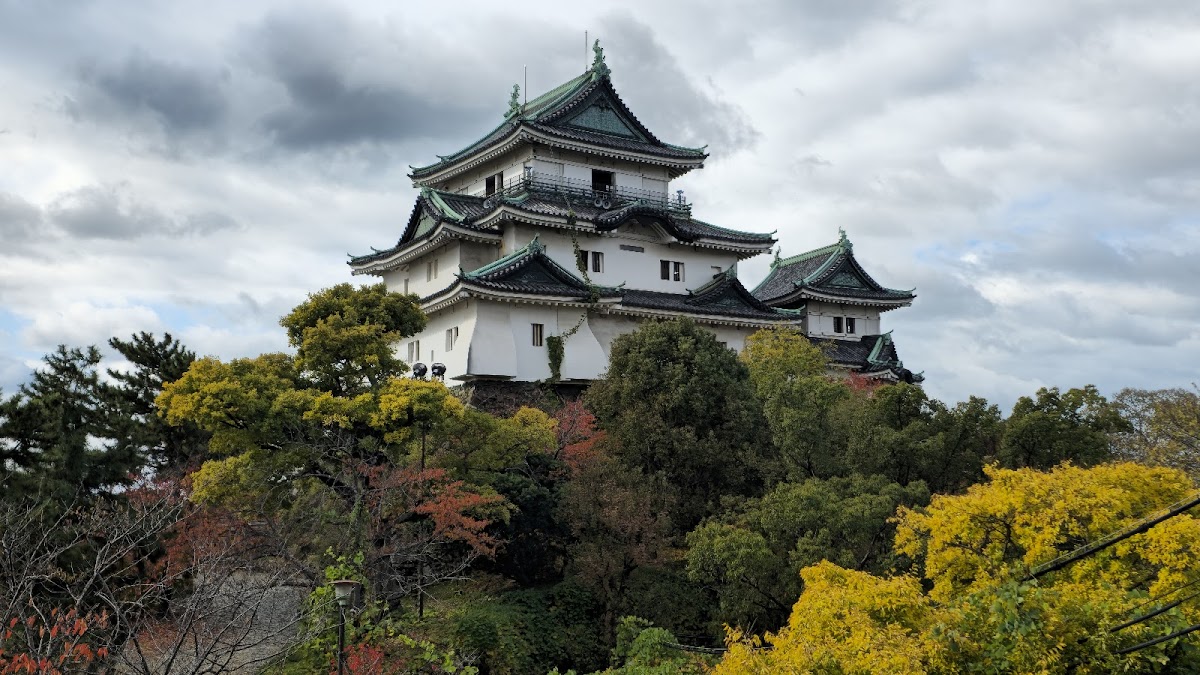
Located in the center of Wakayama City, Wakayama Castle was the stronghold of the Kishu Tokugawa clan. Cherry blossoms are also planted within the castle grounds, offering a different atmosphere for cherry blossom viewing compared to Kii-Miiji Temple.
From Kii-Miiji Temple, Wakayama Castle is approximately 20 minutes by car or approximately 30 minutes by train and bus. It is possible to enjoy cherry blossoms at both locations in a single day.
Other Cherry Blossom Viewing Spots Near Kii-Miiji Temple
Wakayama Prefecture has many cherry blossom viewing destinations besides Kii-Miiji Temple:
- Negoro-ji (Iwade City): One of the prefecture’s premier cherry blossom destinations with approximately 7,000 cherry trees
- Dōjō-ji (Hidaka River Town): Historic temple famous for the Anjin-Kiyohime legend, with beautiful cherry blossoms
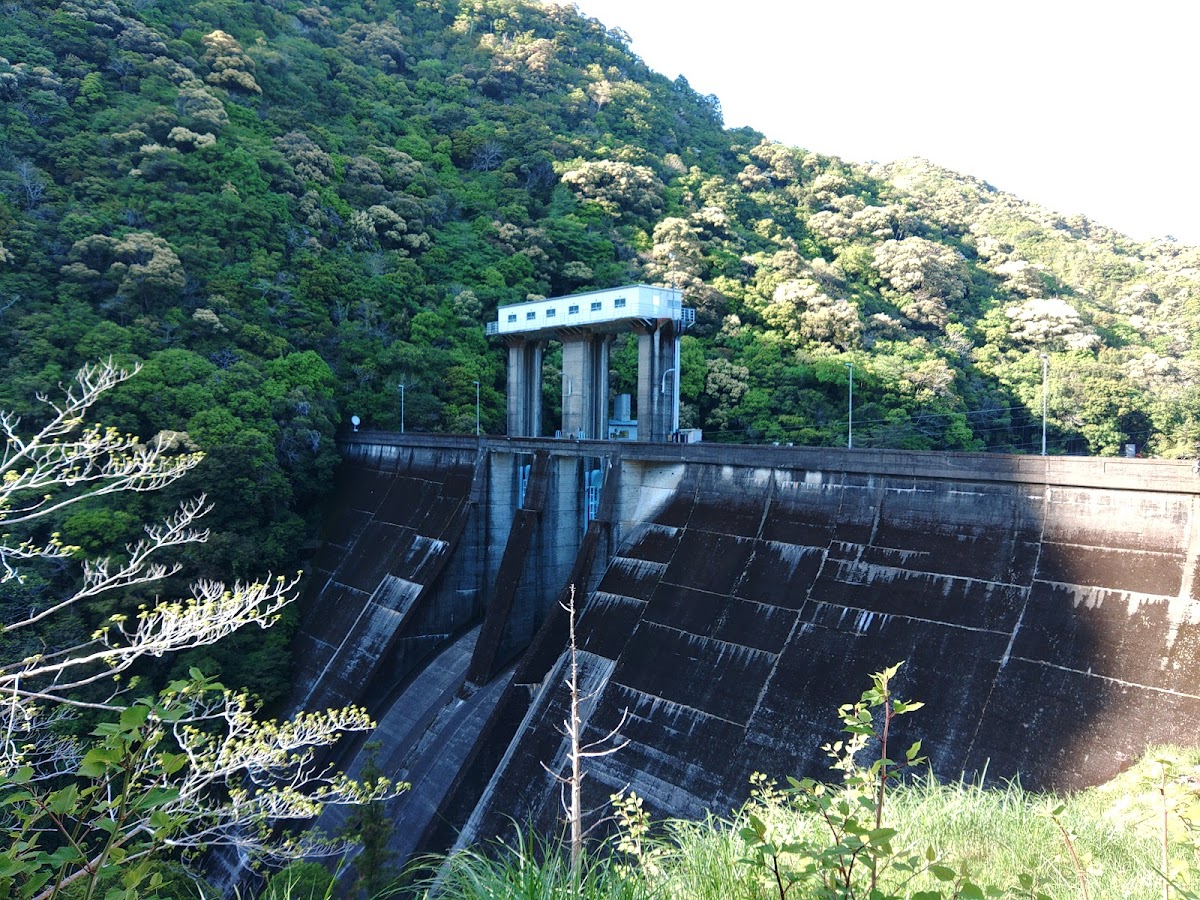
- Shichikawa Dam Lakeside (Komino Town): A scenic spot where cherry blossoms reflect beautifully on the lake surface
A cherry blossom touring journey through these spots is one way to enjoy Wakayama tourism.
Precautions and Etiquette When Visiting Kii-Miiji Temple
Etiquette for Temple Visits
Kii-Miiji Temple is both a tourist destination and a place of worship. Follow the following etiquette during your visit:
- Act quietly within the temple grounds and refrain from loud conversation
- Follow posted signs regarding photography restrictions in buildings such as the main hall
- Always take your trash with you
- Smoke only in designated areas
- Do not break cherry blossom branches or damage trees
Precautions for Climbing the Stone Steps
The 231 stone steps may seem somewhat challenging to those who do not exercise regularly:
- Wear comfortable shoes suitable for walking (avoid heels and sandals)
- Use the rest areas along the way; climb at your own pace without overexertion
- Be careful on rainy days as the stone steps become slippery
- Those lacking physical stamina should consider using the Kii-Miiji Cable
Measures for Peak Season Crowds
During the peak cherry blossom season, the area is crowded with many people:
- Be careful with valuables
- If traveling with small children, be careful they do not get lost
- When photographing, be considerate of those around you
- If wishing to avoid crowds, consider visiting on weekdays or in early morning hours
History and Cultural Value of Kii-Miiji Temple
Matsuo Bashō and Kii-Miiji Temple
Matsuo Bashō, an Edo period poet, visited Kii-Miiji Temple in 1688 (Tenjō 5) and left behind a haiku verse about cherry blossoms. It is evident that even during Bashō’s time, Kii-Miiji Temple was already known as a famous cherry blossom viewing destination.
The verse “Sakura yori / matsutsu wa futa ki wo / sangatsu koshi” is said to be composed about the beauty of the cherry blossoms and pines at Kii-Miiji Temple and conveys the tradition of a famous cherry blossom site that continues from the Edo period to the present.
The Legend of the Seven Cherry Trees
Kii-Miiji Temple has a legend called “Seven Cherry Trees.” It is said that long ago, there were seven particularly beautiful cherry trees within the temple grounds, each with its own name. Although these seven cherry trees are no longer present, in a manner honoring their legacy, many cherry trees are planted throughout the temple grounds and carefully cultivated.
Protection and Cultivation of Cherry Blossoms in Modern Times
Since the Meiji era, Kii-Miiji Temple has actively planted cherry blossom saplings, and efforts to develop it as a famous cherry blossom site have progressed. Since the postwar period, continuous cherry blossom protection and cultivation activities have been carried out, resulting in the current scale of approximately 500 trees.
Thanks to careful management by local residents and those affiliated with the temple, beautiful cherry blossoms can be enjoyed each year. The health status of cherry blossom trees is constantly monitored, and when necessary, treatment or replanting is performed to ensure that the beauty of cherry blossoms is passed on to future generations.
Photography Tips for Kii-Miiji Temple
Recommended Photography Spots
- Gate tower and cherry blossoms: Photographing cherry blossoms with the gate tower at the mountain’s foot as a backdrop yields a characteristically Kii-Miiji Temple shot
- Cherry blossom tunnel of stone steps: Photograph while climbing the steps or from a vantage point looking down
- Five-story pagoda and cherry blossoms: The contrast between the vermillion five-story pagoda and cherry blossoms is a beautiful classic spot
- Specimen tree in front of the main hall: Ideal for commemorative photographs as a symbol announcing spring to the Kansai region
- View of Wakanoura from the temple grounds: A composition unique to Kii-Miiji Temple where you can photograph cherry blossoms and the sea simultaneously
Best Timing for Photography
- Early morning (6:00–8:00): Few people, and cherry blossoms illuminated by early sunlight are beautiful
- Morning (9:00–11:00): Frontlit cherry blossoms can be photographed in their true colors
- Late afternoon (16:00–18:00): Cherry blossoms illuminated by the setting sun create a fantastical appearance
- Illumination time: The mysterious atmosphere of night cherry blossoms can be photographed
Photography Etiquette
- When using a tripod, choose a location that does not obstruct foot traffic
- Be considerate of other visitors and tourists who may appear in your photographs
- Do not pull cherry blossom branches or climb on trees
- Do not photograph in areas designated as off-limits for photography
Conclusion: Experience the Arrival of Spring at Kii-Miiji Temple
Kii-Miiji Temple is both an ancient temple with over 1,200 years of history and a famous cherry blossom viewing destination that announces spring to the Kansai region, beloved by many people. The beauty of its temple grounds adorned with approximately 500 cherry blossoms, the spectacular views overlooking Wakanoura, and its nationally recognized presence as an early-blooming cherry blossom spot represent a charm unique to Kii-Miiji Temple that cannot be found at other cherry blossom viewing destinations.
For those wishing to experience spring a step ahead in Kansai, those desiring to taste the traditional atmosphere of Japanese cherry blossom viewing, and those wishing to enjoy scenery where history and nature harmonize, Kii-Miiji Temple is an ideal destination to visit.
From mid-March through early April, please visit Kii-Miiji Temple and experience the beauty of cherry blossoms that announce spring to the Kansai region. The cherry blossom tunnel viewed while climbing the 231 stone steps, the spectacular view of Wakanoura from the temple grounds, and the solemn atmosphere of the historic temple are sure to create unforgettable spring memories.