Complete Guide to Nara Park Cherry Blossoms 2026 | Peak Season, Blooming Period, and Recommended Spots Thoroughly Explained
Nara Park is a representative tourist destination in Japan where the Great Buddha of Todai-ji Temple and Kasuga Taisha coexist with wild deer and historical cultural heritage. It has been selected as one of the “100 Best Cherry Blossom Viewing Spots in Japan,” and approximately 1,600 cherry trees are planted across its vast area of 5.11 million square meters.
The greatest characteristic of Nara Park’s cherry blossoms is that various types of cherry trees with different blooming periods—such as Somei Yoshino, Nara no Yae Sakura, and Nara Kokono-e Sakura—bloom successively over more than a month. This article provides a thorough explanation of Nara Park’s cherry blossom peak season, recommended spots, bloom information, and access methods.
Characteristics and Charm of Nara Park’s Cherry Blossoms
Why Nara Park Was Selected as One of the 100 Best Cherry Blossom Viewing Spots
Nara Park is highly regarded as a cherry blossom destination due to its diversity and harmony with historical landscape. The approximately 1,600 cherry trees consist of diverse varieties centered on Somei Yoshino, including Yamato Zakura, Weeping Cherry Blossoms, and Nara Yae Sakura, which is the prefectural flower of Nara.
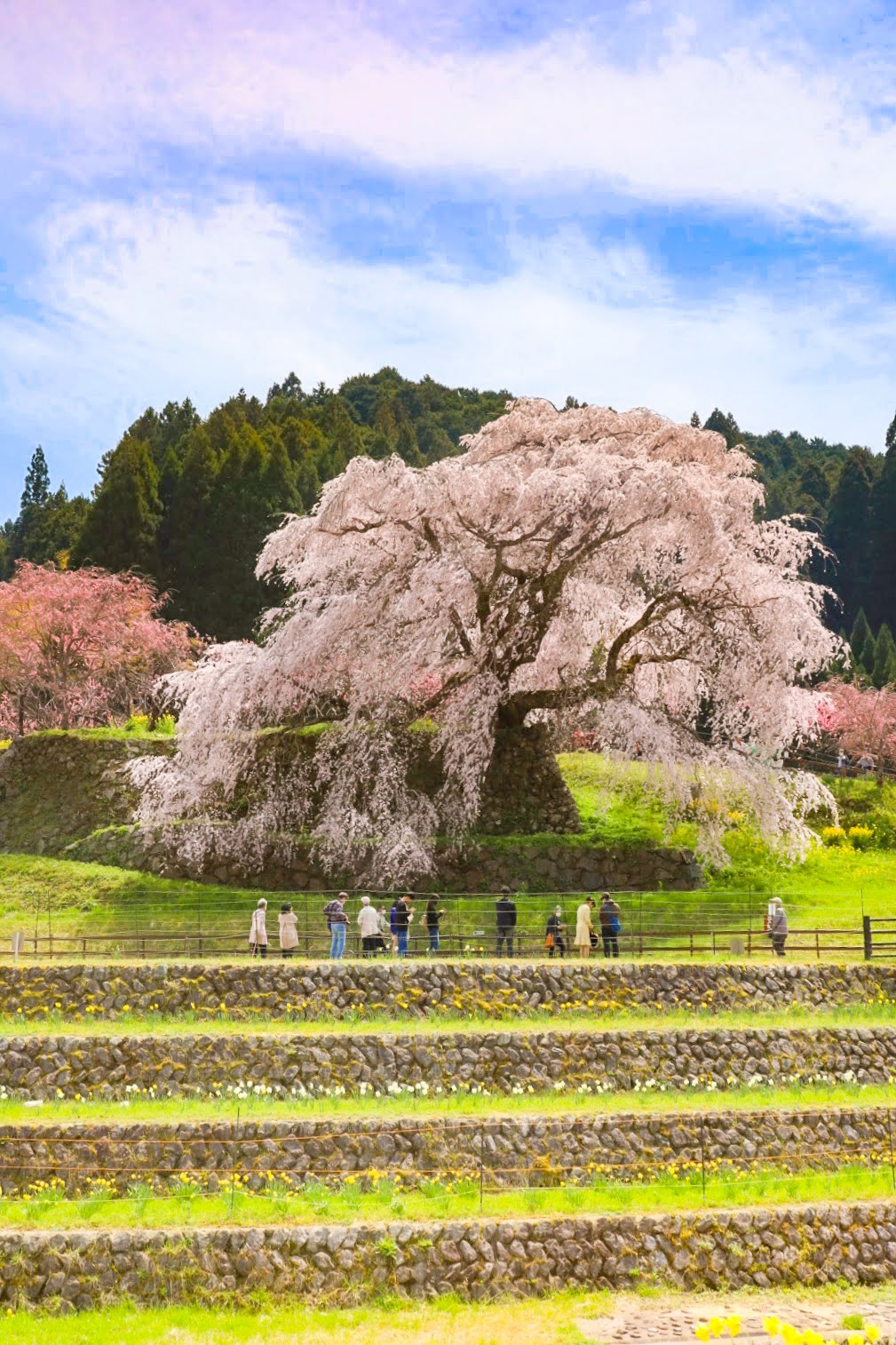
Particularly noteworthy are Nara’s endemic varieties, exemplified by the nationally designated natural monument “Chisoku-in Nara no Yae Sakura.” Nara no Yae Sakura is characterized by many petals and a pale pink color, reaching its peak from mid to late April after the Somei Yoshino has scattered.
The Only Destination Where You Can Enjoy Cherry Blossoms and Deer Together
The greatest attraction of Nara Park is the ability to enjoy approximately 1,200 wild deer and cherry blossoms simultaneously. In areas such as Kasugano Park and the foot of Wakakusa Mountain, you can see deer grazing beneath cherry trees—a landscape unique to Nara that cannot be experienced at any other cherry blossom viewing spot.
Early morning hours in particular have fewer tourists, offering a chance to monopolize the serene scenery of cherry blossoms illuminated by morning sunlight and deer. This time is most recommended for those who enjoy photography.
A Long-Period Blooming Relay That Can Be Enjoyed
Nara Park’s cherry blossoms can be enjoyed for more than a month from late March to early May. This extended blooming period is due to the diversity of varieties.
Bloom Order:
- Late March: Somei Yoshino blooms
- Early April: Somei Yoshino reaches full bloom, Yamato Zakura peaks
- Mid-April: Nara Kokono-e Sakura blooms
- Late April to early May: Nara Yae Sakura reaches full bloom
This blooming relay allows visitors to enjoy different cherry blossom displays across different time periods, even if they miss the initial visit—a significant advantage of Nara Park.
2026 Bloom Information and Peak Season Forecast
Typical Bloom Period and Full Bloom Predictions
Nara Park’s cherry blossom bloom period varies annually depending on climate conditions, but can be predicted from typical patterns.
Somei Yoshino Bloom Forecast (2026):
- Bloom date: Around March 25
- Full bloom date: Around April 2
- Peak season: Late March to early April
Nara Yae Sakura Bloom Forecast (2026):
- Bloom date: Around April 15
- Full bloom date: Around April 25
- Peak season: Mid-April to early May
Weather conditions may cause variations, so it is recommended to check the latest bloom status before visiting.
Methods to Check Real-Time Bloom Status
To check current bloom status, the following methods are effective:
- Official Nara City Tourism Association Website: The most reliable information source with regularly updated bloom information.
- SNS (Twitter/Instagram): Searching with hashtags like “#奈良公園桜” allows you to check photos and information posted in real-time by visitors.
- WeatherNews Cherry Blossom Information: Provides bloom forecasts based on meteorological data and on-site reports.
If planning to visit on weekends or holidays, it is important to check bloom status several days in advance and determine the optimal timing.
Relationship Between Weather and Cherry Blossom Peak Season
Cherry blossom bloom and full bloom timing are greatly affected by temperature. In warm winters, blooming tends to occur earlier, while cold springs cause delays. Weather conditions after full bloom are also important, as strong winds and rain can cause early scattering.
Checking 2026 spring temperature forecasts and monitoring weather predictions from one week before the expected bloom date increases the likelihood of visiting at the optimal time.
Complete Guide to Nara Park’s Recommended Cherry Blossom Spots
Since Nara Park is vast, it is important to know recommended spots for efficiently enjoying the cherry blossoms. Here we explain must-see cherry blossom spots in detail.
Ukimi-do (Floating Pavilion) | Double Cherry Blossoms Reflected in Water
Recommendation Level: ★★★★★
Ukimi-do is the most popular cherry blossom viewing spot in Nara Park. Somei Yoshino and Yamato Zakura bloom lavishly around the beautiful hexagonal pavilion floating on Sagi Pond.
Highlights:
- The “inverted cherry blossoms” reflecting in the pond are spectacular
- The collaboration between Ukimi-do and cherry blossoms is perfect for photos
- A mystical atmosphere at dusk
Best Time:
Early morning (6:00-8:00) or evening (4:00-6:00 PM) is especially recommended. With fewer tourists, you can monopolize the beautiful landscape of cherry blossoms and the pavilion illuminated by early morning or evening light.
Access:
Approximately 20 minutes walk from Kintetsu Nara Station, or 5 minutes walk from “Kasuga Taisha Omote-sando” Nara Traffic Bus stop
Kasugano Park | A Scenic Landscape Unique to Nara
Recommendation Level: ★★★★★
Kasugano Park is a representative area where you can enjoy both deer and cherry blossoms simultaneously. The landscape of deer grazing beneath cherry trees scattered across the spacious lawn is iconic to Nara Park.
Highlights:
- Photos of deer and cherry blossoms together can be taken
- A picnic atmosphere can be enjoyed in the spacious area
- Cherry blossom scenery with Wakakusa Mountain in the background
Photography Tips:
Deer often rest beneath cherry trees, so visiting early in the morning allows you to photograph beautiful cherry blossoms and deer illuminated by early sunlight. Having deer crackers makes it easier to create natural compositions as deer approach.
Access:
Approximately 15 minutes walk from Kintetsu Nara Station, or approximately 25 minutes walk from JR Nara Station
Higashi-to Ato Park | Hidden Cherry Blossom Gem
Recommendation Level: ★★★★☆
Higashi-to Ato Park was the site of Kofuku-ji’s Eastern Pagoda and is now a quiet cherry blossom viewing spot. Relatively few tourists make it ideal for those wanting to appreciate cherry blossoms leisurely.
Highlights:
- Cherry blossoms can be enjoyed in a calm atmosphere
- A mix of Somei Yoshino and Yamato Zakura
- Cherry blossoms with Kofuku-ji’s Five-Storied Pagoda in the background
Recommended Activity:
With benches available, it is ideal to bring a bento and enjoy flower viewing. This spot is especially recommended for those avoiding crowds or wanting to appreciate cherry blossoms quietly.
Access:
Approximately 10 minutes walk from Kintetsu Nara Station
Chayama Park | Mountain View Vantage Point
Recommendation Level: ★★★★☆
Chayama Park is located at the foot of Wakakusa Mountain, offering a spot where you can view Nara cityscape and cherry blossoms from an elevated position.
Highlights:
- Views of Nara cityscape and cherry blossoms simultaneously from an elevated vantage point
- Predominantly Yamato Zakura with a natural atmosphere
- Minimal congestion allowing leisurely walks
Best Time:
Afternoon hours are recommended. The scenery of cherry blossoms and Nara cityscape illuminated by western sunlight is beautiful and ideal for photography.
Access:
Approximately 25 minutes walk from Kintetsu Nara Station, or 10 minutes walk from “Kasuga Taisha Honten” Nara Traffic Bus stop
Himuro Shrine | Early-Blooming Weeping Cherry Blossoms
Recommendation Level: ★★★★☆
Himuro Shrine is known as the spot in the Nara Park area where cherry blossoms bloom earliest. A magnificent weeping cherry blossom over 100 years old adorns the shrine grounds.
Highlights:
- Early-blooming weeping cherry blossoms beginning in mid-March
- Contrast of red torii gates and pink cherry blossoms
- Efficiently viewable in a compact shrine setting
Visiting Points:
Himuro Shrine’s weeping cherry blossoms mark the beginning of Nara Park’s cherry blossom season. Visiting in mid-March allows you to enjoy cherry blossoms earlier than other spots.
Access:
Approximately 15 minutes walk from Kintetsu Nara Station, or approximately 20 minutes walk from JR Nara Station
Todai-ji Temple Grounds | Fusion of History and Cherry Blossoms
Recommendation Level: ★★★★☆
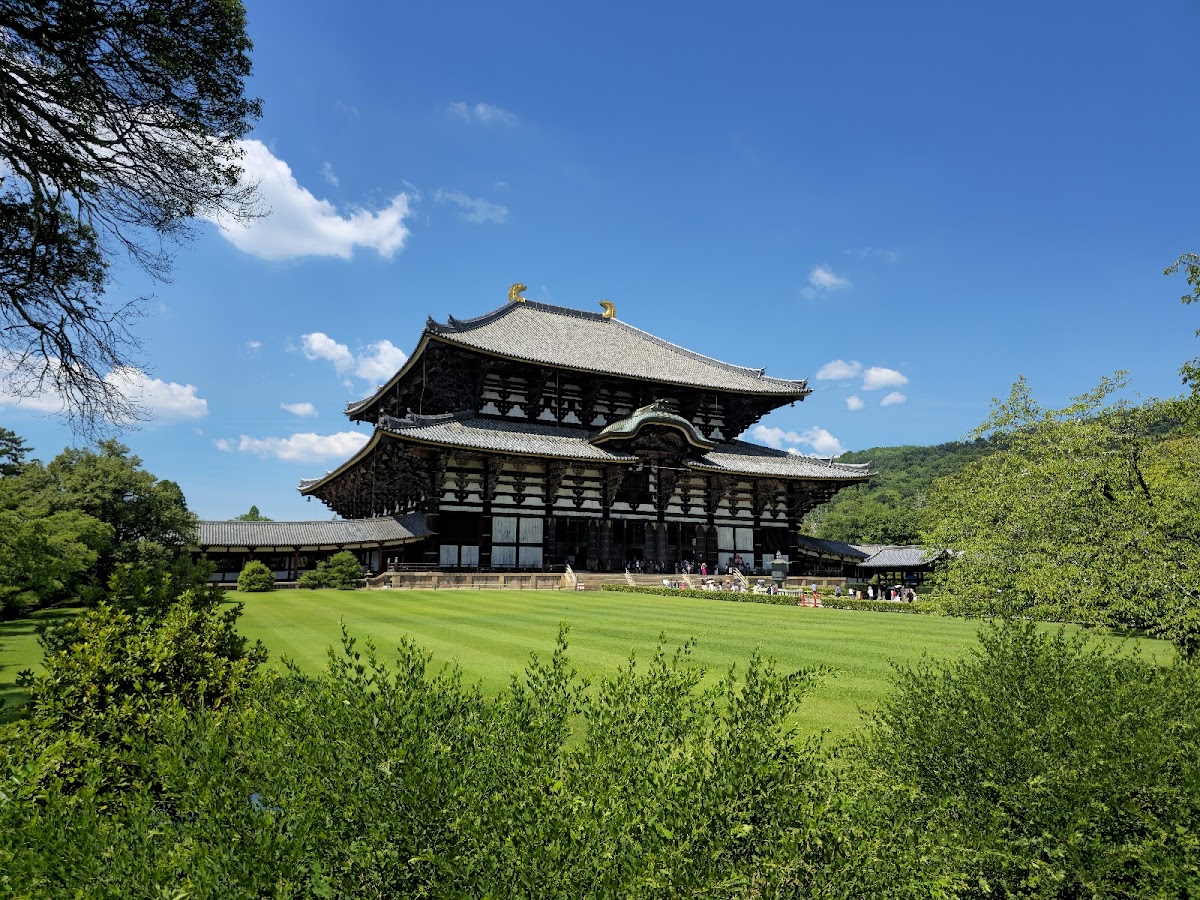
Cherry blossoms also bloom throughout Todai-ji Temple grounds, offering collaboration between historic structures like the Great Buddha Hall and the Southern Great Gate with cherry blossoms.
Highlights:
- Cherry blossom landscape with the Great Buddha Hall in the background
- Somei Yoshino around the Southern Great Gate
- Views from the Nigatsudo Hall (cherry blossoms and Nara cityscape)
Recommended Route:
Visiting in order of Southern Great Gate → Great Buddha Hall → Nigatsudo Hall efficiently combines cherry blossom and historic structure enjoyment. The view from Nigatsudo Hall is particularly spectacular, attracting many photography enthusiasts during the cherry blossom season.
Visiting Hours:
- April-October: 7:30-5:30 PM
- November-March: 8:00 AM-5:00 PM
- Great Buddha Hall admission: Adults ¥600, Elementary school students ¥300
Access:
Approximately 20 minutes walk from Kintetsu Nara Station, or approximately 30 minutes walk from JR Nara Station
Other Cherry Blossom Spots in Nara City
Besides Nara Park, numerous excellent cherry blossom viewing spots exist throughout Nara City. Those with extra time should visit these locations.
Saho River Cherry Tree Row | Cherry Blossom Tunnel Along Riverbank
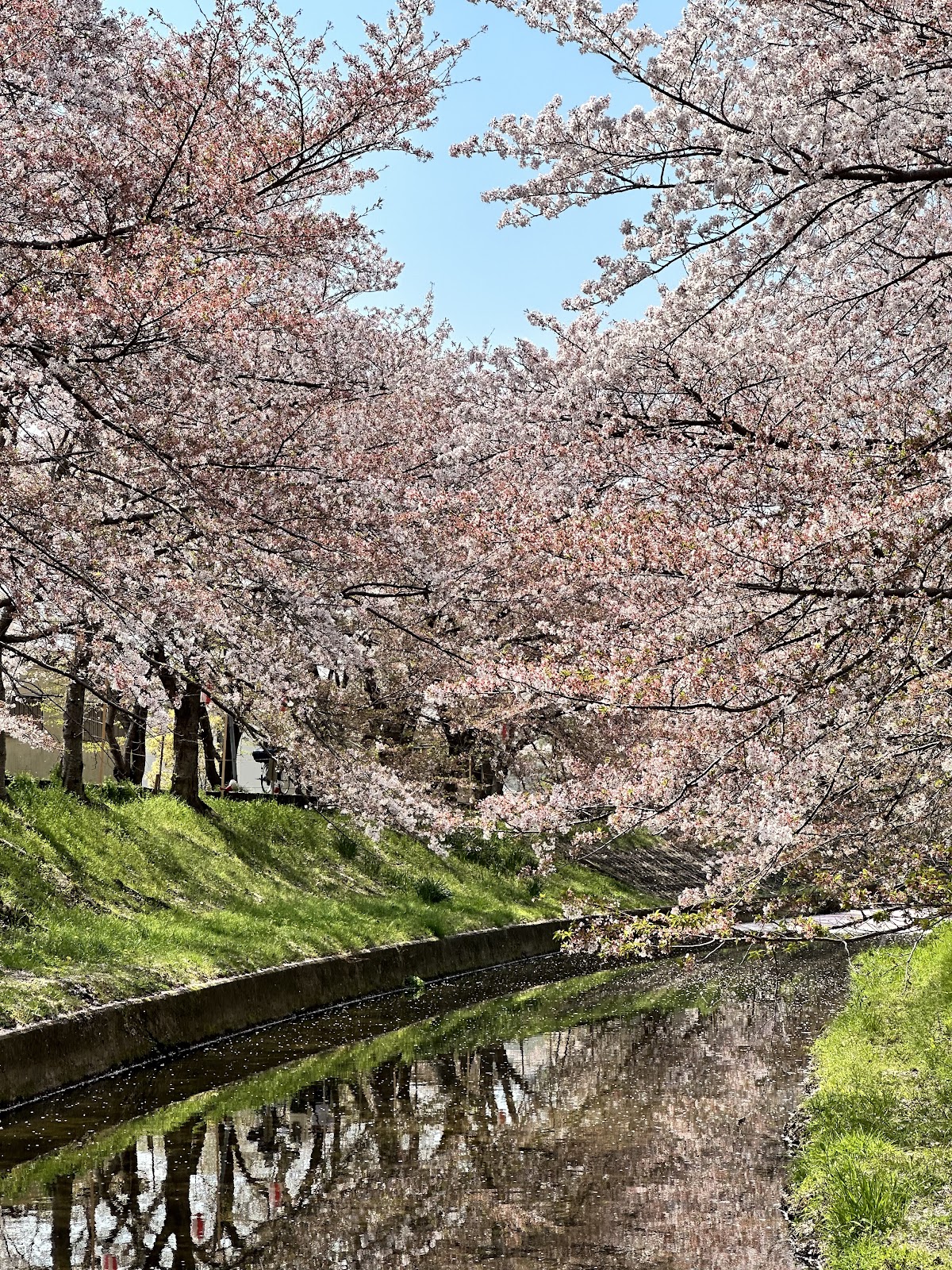
A cherry tree row of approximately 1,000 Somei Yoshino extends about 5 kilometers along the Saho River, cherished as a “cherry blossom tunnel.” The landscape of cherry blossoms from both riverbanks reflecting in the water is awe-inspiring.
Peak Season: Late March to early April
Access: Approximately 5 minutes walk from Kintetsu Shin-Omiya Station
Koriyama Castle Ruins | Historical Landscape of Castle Ruins and Cherry Blossoms
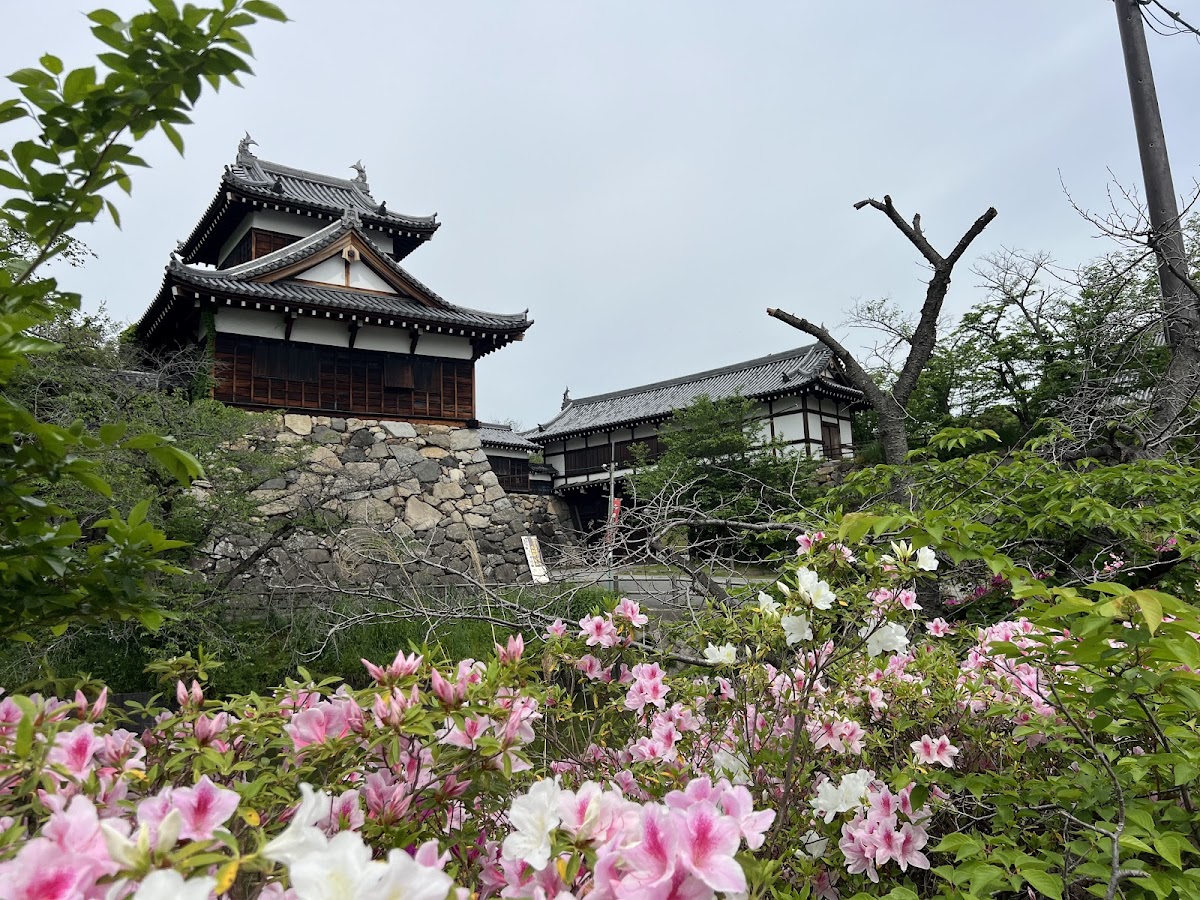
Koriyama Castle Ruins in Yamato Koriyama City is selected as one of the “100 Best Cherry Blossom Viewing Spots in Japan.” Approximately 1,000 cherry trees adorn the castle ruins, particularly known for beautiful nighttime illumination.
Peak Season: Late March to early April
Access: Approximately 7 minutes walk from Kintetsu Koriyama Station
Yoshino Mountain | One of Japan’s Most Outstanding Cherry Blossom Sites
Japan’s representative cherry blossom viewing spot is Yoshino Mountain. Approximately 30,000 cherry trees of about 200 varieties cover the mountain, with Shimo-senbon, Naka-senbon, Kami-senbon, and Oku-senbon blooming successively—a sight called “Ichimoku Senbon” (thousand blossoms at a glance).
Peak Season: Early to late April
Access: Kintetsu Yoshino Station via Ropeway or on foot
Practical Guide to Enjoying Nara Park’s Cherry Blossoms
Access Methods and Parking Information
Access by Train:
- 5-20 minutes walk from Kintetsu Nara Station (varies by destination)
- 15-30 minutes walk from JR Nara Station (varies by destination)
Access by Car:
- Approximately 15 minutes from “Horaida IC” on the Second Hanwa Expressway
- Approximately 20 minutes from “Tenri IC” on the Nishi-Meihan Expressway
Parking:
Public transportation is strongly recommended during cherry blossom season due to extreme congestion. If driving is necessary, the following parking is available:
- Nara Prefecture Tatsutaiji Parking Lot (275 spaces): ¥1,000 per hour
- Nara City Takahata Parking Lot (166 spaces): ¥1,000 per hour
- Nara City Daibutsumae Parking Lot (100 spaces): ¥1,000 per hour
Lots often fill early on weekends and holidays, making early morning visits recommended.
Recommended Walking Routes and Required Time
2-Hour Beginner Route:
Kintetsu Nara Station → Kofuku-ji (15 min) → Higashi-to Ato Park (20 min) → Kasugano Park (30 min) → Ukimi-do (30 min) → Kintetsu Nara Station (25 min)
4-Hour Thorough Route:
Kintetsu Nara Station → Himuro Shrine (20 min) → Todai-ji Southern Gate (20 min) → Great Buddha Hall (30 min) → Nigatsudo (30 min) → Kasugano Park (40 min) → Ukimi-do (40 min) → Chayama Park (30 min) → Kintetsu Nara Station (30 min)
Half-Day Photography-Focused Route:
6:00 AM Ukimi-do (60 min) → Kasugano Park (60 min) → Todai-ji Temple grounds (60 min) → Himuro Shrine (30 min) → Saho River (60 min)
Best Timing to Avoid Crowds
Nara Park during cherry blossom season is extremely crowded. The best timings for comfortable cherry blossom enjoyment are as follows:
Most Crowded Periods:
- Weekends (especially Saturdays)
- First week of April
- Golden Week
Relatively Less Crowded Periods:
- Weekdays (especially Tuesday-Thursday)
- Early morning (6:00-8:00 AM)
- Evening (5:00 PM onward)
- After mid-April (Somei Yoshino scattered but Nara Yae Sakura peaking)
The early morning hours are particularly ideal for photography and walks, with fewer tourists and a calm atmosphere.
Packing Tips and Clothing Advice
Essential Items:
- Comfortable walking shoes (for traversing the vast grounds)
- Hat and sunglasses (sun protection)
- Picnic sheet (for flower viewing)
- Camera or smartphone (with charger)
- Beverages (vending machines may be crowded)
Clothing Pointers:
- Bring a layer for early morning and evening chill from late March to early April
- Wear easily removable clothing from mid-April onward as daytime temperatures warm
- Choose comfortable, easily soiled clothing (when approaching deer)
How to Interact with Deer and Precautions
Nara Park’s deer are wild animals. Enjoy them safely following these points.
Precautions When Feeding Deer Crackers:
- Give gradually rather than all at once
- Spread both hands to signal “no more” when crackers run out
- Adults should accompany small children
What Not to Do:
- Feed anything other than deer crackers
- Chase deer or attempt to force petting
- Approach fawns too closely (mother deer becomes protective)
For Safety:
- Keep belongings and food out of deer reach
- If surrounded by deer, calmly toss crackers and create distance
- Those pregnant or with small children should take special care
Dining and Souvenirs Near Nara Park
Recommended Lunch Spots After Enjoying Cherry Blossoms
Kasuga Ni Nai Chaya (Kasuga Ni Nai Tea House):
A tea house in Nara Park offering “Manyo Porridge” and “Tea Porridge” specialties. Seating with cherry blossom views is available.
Todai-ji Gate Front Yume Kaze Hiroba:
A facility housing multiple dining establishments where Nara specialties like persimmon leaf sushi, tea porridge, and Yamato beef can be enjoyed.
Shizuka:
A clay pot rice specialty restaurant featuring hearty rice dishes popular with tourists. Expect lines, so visit with time to spare.
Limited-Time Sweets During Cherry Blossom Season
Kashiya:
A Japanese confectionery shop near Nara Park popular for spring-limited “sakura mochi” and “sakura dorayaki.”
Neigo Confectionery Nakayoshi Yoshiro:
A long-established confectionery shop founded in the Meiji era. Spring features sakura-themed wagashi (traditional sweets).
Recommended Cherry Blossom-Themed Souvenirs
Deer and Cherry Blossom Collaboration Goods:
Souvenir shops near Nara Park sell hand towels, postcards, and key chains featuring deer and cherry blossoms.
Cherry Blossom-Themed Wagashi:
Items like “Mahoroba Great Buddha Pudding’s” limited-edition “Sakura Pudding” and “Satoutsutsumi Masuo Shoten’s” “Sakura Konpeito” are popular.
Photography Tips and Instagram-Worthy Spots
Professional Cherry Blossom Photography Techniques
Compositional Points:
- At Ukimi-do, emphasize reflection symmetry
- At Kasugano Park, compose with deer in foreground and cherry blossoms in background for depth
- At Todai-ji, position structures in the right third, filling the rest with cherry blossoms
Best Photography Times:
- Golden hour (one hour after sunrise, one hour before sunset) offers the most beautiful light
- Cloudy days provide soft light that makes cherry blossom colors vivid
- Backlighting creates ethereal, translucent cherry blossom effects
Camera Settings (DSLR/Mirrorless):
- Aperture: F5.6-F8 (sharp throughout cherry blossoms), F2.8-F4 (blurred background)
- ISO: 100-400 (adjust per weather)
- White Balance: Cloudy mode (vivid cherry blossom pink)
Instagram-Perfect Photography Spots
- Ukimi-do’s Inverted Cherry Blossoms: Best at dawn without wind
- Kasugano Park’s Deer and Cherry Blossoms: Lure deer with crackers
- Himuro Shrine’s Torii Gate and Cherry Blossoms: Contrast of red and pink
- View from Nigatsudo: Cherry blossoms and Nara cityscape panorama
- Todai-ji Southern Great Gate and Cherry Blossoms: Historic structures and flowers combined
Conclusion: Experience the Best Cherry Blossoms at Nara Park
Nara Park is an unparalleled Japanese cherry blossom destination where approximately 1,600 diverse cherry trees, wild deer, and historic structures harmonize. The extended blooming relay from late March to early May guarantees beautiful cherry blossoms regardless of visit timing.
Pre-Visit Checklist:
- Check the latest bloom status
- Visit weekdays or early mornings to avoid crowds
- Wear comfortable walking shoes and weather-appropriate clothing
- Understand how to safely interact with deer
Recommended Activities:
- Ukimi-do and Kasugano Park are must-sees
- Visit Todai-ji Temple grounds and Saho River if time permits
- Enjoy Nara specialty cuisine
- Visit early morning for solitude with cherry blossoms and deer
Nara Park’s cherry blossoms offer more than beauty—they provide a unique experience where over 1,300 years of ancient capital culture and nature converge. In spring 2026, create unforgettable cherry blossom memories at Nara Park.
Since bloom information changes constantly, check the official Nara City Tourism Association website immediately before visiting to determine optimal timing and ensure the most beautiful cherry blossom experience possible. Nara Park’s cherry blossoms, where history, nature, and culture harmonize, will surely become an unforgettable spring landscape etched in your heart.