Complete Guide to Cherry Blossoms at Yoshino Mountain (Nara Prefecture)|Peak Season, Access, and Tourist Spots Explained in Detail
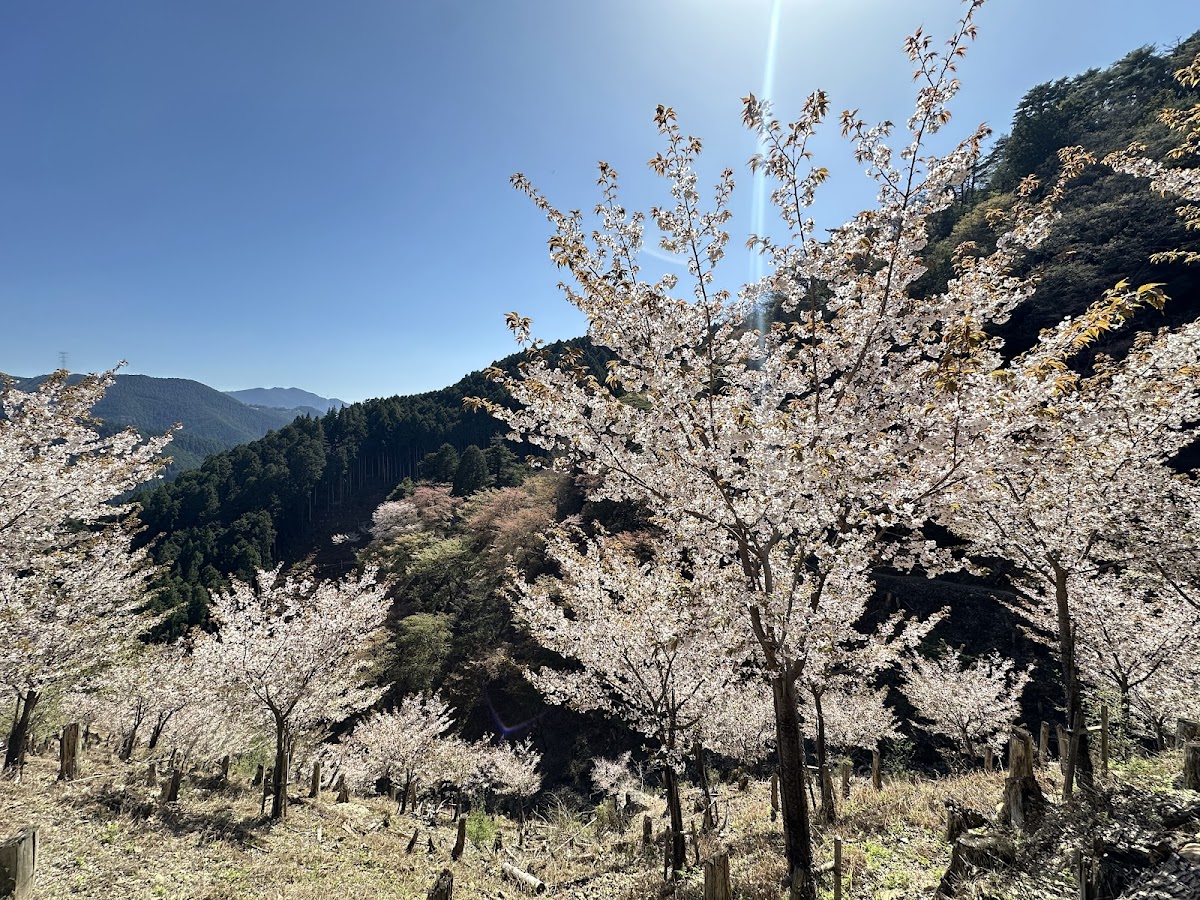
Yoshino Mountain, located in Yoshino Town, Yoshino District, Nara Prefecture, is known as one of Japan’s premier cherry blossom viewing destinations. The sight of approximately 30,000 cherry trees covering the entire mountain is truly awe-inspiring. Since ancient times, it has been called “Hitome Senbon” (a thousand cherry trees at a glance) and has been beloved by many poets and literary figures.
This article provides a comprehensive explanation of everything you need to know to fully enjoy Yoshino Mountain’s cherry blossoms, including the charm of the blossoms, peak viewing season, access methods, tourist spots, and accommodation information.
What Are Yoshino Mountain’s Cherry Blossoms? History and Characteristics of a Representative Cherry Blossom Viewing Destination in Japan
History of Yoshino Mountain’s Cherry Blossoms
The history of Yoshino Mountain’s cherry blossoms dates back approximately 1,300 years. It is said that the origin began when En no Gyoja, the founder of Shugendo, opened Kinpusen-ji Temple, and cherry trees were planted as sacred trees.
By the Heian Period, it was already known as a famous cherry blossom viewing spot, and notable historical figures such as Saigyo the Buddhist priest and Toyotomi Hideyoshi visited Yoshino Mountain to admire the cherry blossoms. In particular, Hideyoshi held a grand flower-viewing celebration in 1594, and historical records show that he visited Yoshino Mountain accompanied by approximately 5,000 people.
The Magnificent Scenery of “Hitome Senbon” Woven by Approximately 30,000 Cherry Trees
The greatest characteristic of Yoshino Mountain is the scale of its cherry blossoms. Approximately 30,000 cherry trees are planted across the entire mountain, and most of them are Shirayamazakura (Japanese white cherry) variety.
Because the cherry trees are distributed across the mountain with differences in elevation, they are divided into four areas called “Shimo-Senbon (lower thousand trees),” “Naka-Senbon (middle thousand trees),” “Kami-Senbon (upper thousand trees),” and “Oku-Senbon (inner thousand trees)” from bottom to top. Being able to view all of these at once is why it is called “Hitome Senbon,” and this magnificent scenery offers a charm unique to Yoshino Mountain that cannot be experienced at other cherry blossom viewing spots.
Part of the UNESCO World Heritage Site “Sacred Sites and Pilgrimage Routes in the Kii Mountain Range”
Yoshino Mountain was registered in 2004 as part of the UNESCO World Heritage Site “Sacred Sites and Pilgrimage Routes in the Kii Mountain Range.” It is highly valued not merely as a cherry blossom viewing destination, but also for its historical and cultural significance as a sacred site for Shugendo.
The landscape where cherry blossoms, historic structures, and the atmosphere of a sacred site converge is something unique and special that can only be experienced at Yoshino Mountain.
Peak Viewing Season and Area-by-Area Bloom Information for Yoshino Mountain’s Cherry Blossoms
Typical Peak Viewing Season
The peak viewing season for Yoshino Mountain’s cherry blossoms is typically from early April to late April. However, due to the elevation differences, the bloom period varies by area.
- Shimo-Senbon: Early April (late March to early April)
- Naka-Senbon: Early to mid-April
- Kami-Senbon: Mid-April
- Oku-Senbon: Mid to late April
Being able to enjoy cherry blossoms over approximately one month is a major attraction of Yoshino Mountain.
Cherry Blossom Characteristics by Area
Shimo-Senbon Area
This area is closest to Yoshino Station and easiest to access. The main attractions are the Nanakusri Slope and the Bronze Torii Gate area, where there is relatively little congestion, allowing visitors to enjoy the cherry blossoms at a leisurely pace.
Naka-Senbon Area
This is the most popular area on Yoshino Mountain. The collaboration between cherry blossoms and historic structures such as Yoshimizu Shrine and Nyoirin-ji Temple is beautiful, and many tourists visit this area. There are also many viewing spots where visitors can fully enjoy the “Hitome Senbon” scenery.
Kami-Senbon Area
Due to the higher elevation, the trees reach full bloom several days later than Naka-Senbon. The view from the Hanayagura Observation Platform is spectacular, and the sea of cherry blossoms spread below is breathtaking.
Oku-Senbon Area
The deepest and highest elevation area. It is home to Saigyo Hermitage and Kinpu Shrine, where visitors can enjoy cherry blossoms in a quiet atmosphere. With fewer visitors, it is recommended for those who wish to enjoy a peaceful flower-viewing experience.
How to Check Bloom Forecasts
Bloom forecasts for Yoshino Mountain’s cherry blossoms are regularly updated on the official website of the Yoshino Mountain Tourism Association. Always check the latest information before your visit. Additionally, live cameras are installed at various points, allowing visitors to check real-time bloom conditions.
Complete Guide to Access Methods to Yoshino Mountain|Train, Car, and Bus
Access by Train
From the Osaka Area
- Take the Kintetsu Yoshino Line limited express “Yoshino bound” from Osaka Abenobashi Station for approximately 1 hour 15 minutes
- Get off at the terminal “Yoshino Station”
From the Kyoto Area
- Take the Kintetsu Kyoto Line from Kyoto Station to Kashiharajingu-mae Station for approximately 50 minutes
- Change to the Kintetsu Yoshino Line at Kashiharajingu-mae Station and continue to Yoshino Station for approximately 40 minutes
From the Nagoya Area
- Take the Kintetsu limited express from Nagoya Station to Yamato-Yagi Station for approximately 2 hours
- Change to the Kintetsu Yoshino Line at Yamato-Yagi Station and continue to Yoshino Station for approximately 50 minutes
From Yoshino Station to the Naka-Senbon area, access is available via ropeway or on foot (approximately 20 minutes).
Ropeway Information
The Yoshino Mountain Ropeway connects Senbonkuchi Station to Yoshino-yama Station in approximately 3 minutes.
- Operating Hours: Normally 9:00 a.m. to 5:00 p.m. (extended hours during cherry blossom season)
- Fares: One way 450 yen, round trip 800 yen (as of 2024)
- Note: The ropeway is extremely crowded during cherry blossom season. Wait times can be lengthy, so plan accordingly.
Access by Car and Parking Information
Route by Car
- From Osaka: Approximately 1 hour 30 minutes via Nishi-Meihan Expressway → Minoh-Kanan Road → National Route 169
- From Nagoya: Approximately 2 hours 30 minutes via Meihan National Road → National Route 169
About Parking
During cherry blossom season (early April to late April), regular vehicle traffic into Yoshino Mountain is restricted.
- Shimo-Senbon Parking Lot: Approximately 400 spaces (paid parking, approximately 1,500 yen per day)
- Temporary Parking Lots: Shuttle buses operate from temporary parking lots in surrounding areas
To avoid congestion, using public transportation is strongly recommended. Especially on weekends and during peak bloom periods, parking lot waits of several hours are possible.
Shuttle Bus Information
During cherry blossom season, shuttle buses operate from temporary parking lots in the Yoshino Mountain area to Yoshino Mountain. Details can be found on the official website of the Yoshino Mountain Tourism Association.
Cherry Blossom Viewing Spots on Yoshino Mountain|Essential Destinations and Viewpoints
Kinpusen-ji Temple (金峯山寺)
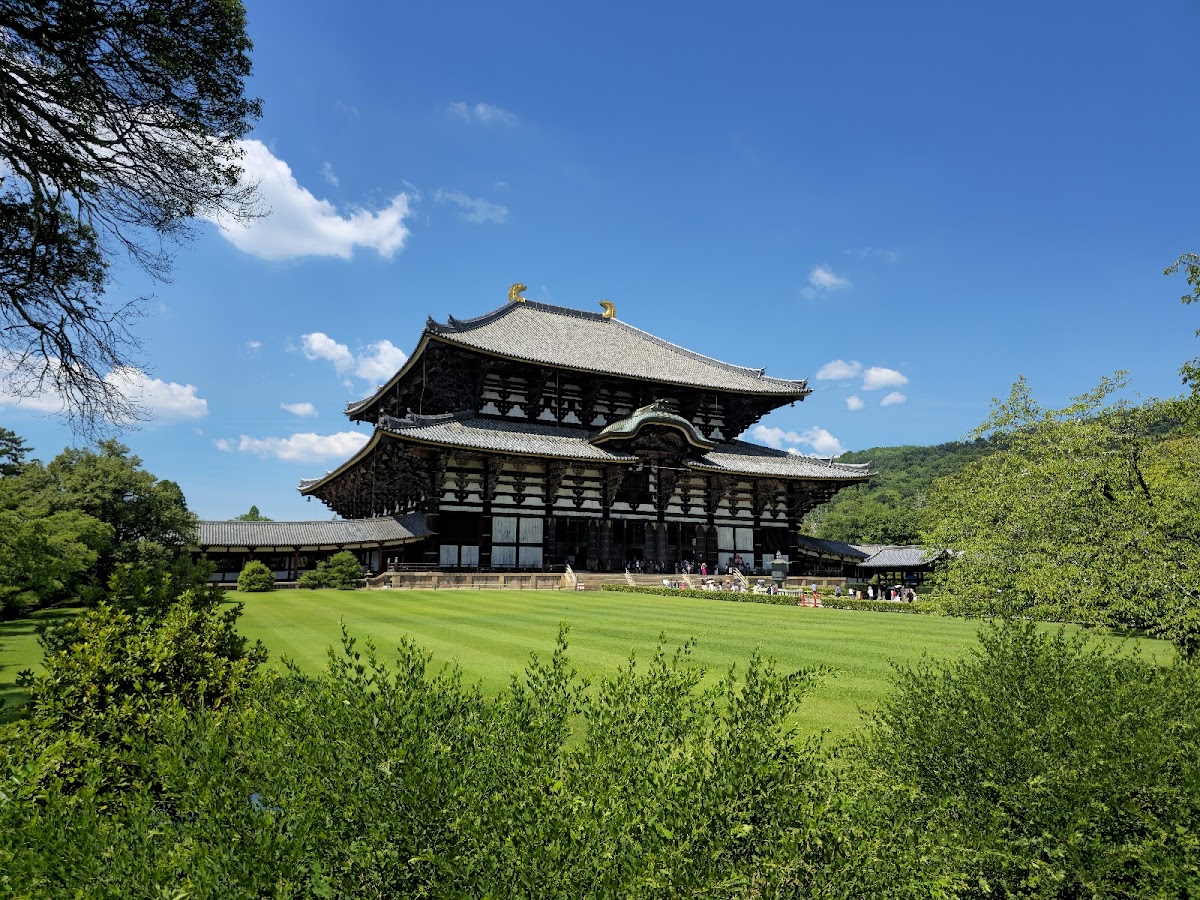
This temple is considered the symbol of Yoshino Mountain. The National Treasure Zao-do Hall is known as the second-largest wooden structure after the Great Buddha Hall of Todai-ji Temple.
During cherry blossom season, the collaboration between Zao-do Hall and the cherry blossoms is magnificent. During special viewing periods, visitors can observe the secret Buddhist image, the Diamond Zao Daigongen.
- Viewing Hours: 8:30 a.m. to 4:30 p.m.
- Admission Fee: 500 yen (additional fee for special viewing periods)
Yoshimizu Shrine (吉水神社)
A shrine registered as a UNESCO World Heritage Site and the finest viewpoint to enjoy the spectacular “Hitome Senbon” scenery.
The view from the Shoin (study hall) is said to be the landscape that Toyotomi Hideyoshi also admired. Visitors can panoramically view the sea of cherry blossoms from Naka-Senbon to Kami-Senbon, making this an essential stop when visiting Yoshino Mountain.
- Viewing Hours: 9:00 a.m. to 5:00 p.m.
- Admission Fee: 600 yen
Hanayagura Observation Platform (花矢倉展望台)
Located in the Kami-Senbon area, this observation platform is the premier viewing spot on Yoshino Mountain.
The view of the carpet of cherry blossoms spread below, contrasted with the Omine mountain range visible in the distance, is spectacular. The scenery on clear days is breathtakingly beautiful.
The observation platform is approximately 50 minutes on foot from Yoshino Station, or approximately 30 minutes further on foot from Naka-Senbon, but the experience is well worth the effort.
Nyoirin-ji Temple (如意輪寺)
Located in the Naka-Senbon area, this temple is known as the imperial temple commissioned by Emperor Go-Daigo.
The cherry blossom views from the temple grounds are also wonderful, and the combination of the temple’s Tahoto Pagoda and the cherry blossoms is painterly in its beauty. It is also recommended as a spot where visitors can enjoy the cherry blossoms relatively peacefully.
- Viewing Hours: 9:00 a.m. to 4:00 p.m.
- Admission Fee: 400 yen
Saigyo Hermitage (西行庵)
Located in the Oku-Senbon area, this is the hermitage where the poet Buddhist priest Saigyo is said to have secluded himself for three years.
Enveloped in silence and located deep in the mountains, visitors can enjoy the cherry blossoms that Saigyo loved in peaceful contemplation. Visiting while thinking of Saigyo’s poem, “On Yoshino Mountain, taking a different path from last year’s brush marks, I seek flowers not yet seen,” allows for a deeper appreciation.
At approximately 90 minutes on foot from Yoshino Station, the distance is considerable, but this location is ideal for those wishing to quietly enjoy cherry blossoms and nature.
Chikurin-in Temple (竹林院)
Located in the Naka-Senbon area, this temple is famous for its beautiful garden.
The garden called Gunpo-en is said to have been designed by Rikyu Sen no Rikyu during Toyotomi Hideyoshi’s flower-viewing party at Yoshino Mountain. The harmony between the garden and the cherry blossoms during cherry blossom season is remarkable.
- Viewing Hours: 8:00 a.m. to 5:00 p.m.
- Admission Fee: 400 yen
Cherry Blossom Illumination Information at Yoshino Mountain
During cherry blossom season, Yoshino Mountain hosts nighttime illuminations.
Illumination Period and Hours
- Period: Typically early to mid-April (varies according to bloom conditions)
- Hours: Approximately 6:00 p.m. to 10:00 p.m.
- Locations: Select areas of Shimo-Senbon and Naka-Senbon
Highlights of the Illuminations
The nighttime cherry blossom illuminations offer a completely different, ethereal atmosphere from daytime viewing. The illuminations on the Nanakusri Slope and in the Naka-Senbon area are particularly beautiful and attract many photography enthusiasts.
The cherry blossoms glowing against the night sky are mystical, offering a serene beauty that contrasts with the vibrant daytime spectacle.
Precautions for Nighttime Sightseeing
- Bring a flashlight or smartphone light, as the paths are dark at night
- The mountain paths are especially slippery at night, so wear slip-resistant shoes
- Confirm return transportation in advance (such as the final operating time of the ropeway)
Accommodations Near Yoshino Mountain and Recommended Hotels and Inns
To fully enjoy Yoshino Mountain’s cherry blossoms, staying overnight and sightseeing at a leisurely pace is recommended.
Accommodations Within Yoshino Mountain
Keisho no Yado Hounkan
A long-established inn located in the Naka-Senbon area. Guests can view cherry blossoms from their rooms and outdoor bath.
Chikurin-in Gunpo-en
A temple lodging affiliated with Chikurin-in, where guests can stay while viewing the historic garden. Shojin-ryori (Buddhist vegetarian cuisine) is also served.
Yoshino-so Yugawaya
A hot spring inn in the Shimo-Senbon area, conveniently close to Yoshino Station.
Accommodations in Surrounding Areas
As the number of inns within Yoshino Mountain is limited, they become fully booked quickly during cherry blossom season. Consider accommodations in nearby Kashihara City or the Asuka region.
- Kashihara City: Approximately 40 minutes by train from Yoshino Mountain
- Asuka Region: Approximately 40 minutes by car from Yoshino Mountain
Reservation Tips
During cherry blossom season, accommodations are highly congested. Especially during peak bloom periods, reservations should be made 3 to 6 months in advance.
Check bloom forecasts early and make reservations with the anticipated peak season in mind.
Model Courses for Cherry Blossom Sightseeing at Yoshino Mountain
Day Trip Course (Duration: Approximately 5-6 hours)
9:00 a.m. Arrive at Kintetsu Yoshino Station
↓
9:15 a.m. Head to Yoshino-yama Station via ropeway or on foot
↓
9:30 a.m. Explore Shimo-Senbon area (Nanakusri Slope, Bronze Torii Gate)
↓
10:30 a.m. Visit Kinpusen-ji Temple
↓
11:30 a.m. Explore Naka-Senbon area, view “Hitome Senbon” at Yoshimizu Shrine
↓
12:30 p.m. Lunch (enjoy Yoshino specialties such as persimmon leaf sushi and kudzu sweets)
↓
1:30 p.m. Visit Nyoirin-ji Temple
↓
2:30 p.m. Move to Kami-Senbon area, enjoy the spectacular views from Hanayagura Observation Platform
↓
3:30 p.m. Begin descent
↓
4:00 p.m. Arrive at Yoshino Station, depart for home
2-Day, 1-Night Course
Day 1
Explore Shimo-Senbon through Kami-Senbon as in the day trip course, check in at accommodations in the evening, and enjoy the nighttime cherry blossom illuminations.
Day 2
Explore the Oku-Senbon area during the quiet early morning hours. Visit Saigyo Hermitage and Kinpu Shrine to experience the deeper charm of Yoshino Mountain. In the afternoon, visiting nearby attractions (Yoshino Shrine, Miyataki Ruins, etc.) is also recommended.
Information Useful for Cherry Blossom Sightseeing at Yoshino Mountain
Clothing and Belongings
Clothing
- Easy-to-walk shoes (sneakers or trekking shoes)
- Flexible, comfortable clothing
- An outer layer, as the mountains can be cool even in April
- Rain gear (folding umbrella or raincoat)
Belongings
- Camera (chargers, backup batteries)
- Beverages (vending machines are limited)
- Maps or pamphlets (available at visitor centers)
- Mobile battery pack
Gourmet and Souvenir Information
Yoshino Local Specialties
- Persimmon Leaf Sushi: Yoshino’s representative local cuisine—mackerel or salmon pressed sushi wrapped in persimmon leaves
- Yoshino Kudzu: Premium kudzu made in the Yoshino Mountain area, enjoyed as kudzu mochi, kudzu noodles, kudzu soup, and more
- Grass Mochi: Traditional Japanese confectionery fragrant with mugwort
Recommended Souvenirs
- Persimmon leaf sushi (takeaway version)
- Yoshino kudzu (home-use packages)
- Cherry blossom products (salted cherry blossoms, cherry tea, etc.)
- Yoshino cedar crafts
Congestion Avoidance Tips
- Visit on weekdays: Weekends and holidays are very crowded; midweek visits are recommended if possible
- Visit early: Arriving before 8:00 a.m. means relatively fewer crowds
- Head toward Oku-Senbon: Most tourists visit only as far as Naka-Senbon, so Oku-Senbon is relatively uncrowded
- Slightly avoid peak bloom: A few days before full bloom or when blossoms are just starting to fall are also beautiful with lighter crowds
Photography Spots and Best Times
Recommended Photography Spots
- “Hitome Senbon” from Yoshimizu Shrine
- Panoramic view from Hanayagura Observation Platform
- Kinpusen-ji Zao-do Hall and cherry blossoms
- Tunnel of cherry blossoms on the Nanakusri Slope
Best Photography Times
- Morning: Soft light makes cherry blossoms appear most beautiful (7:00 a.m. to 9:00 a.m.)
- Evening: Cherry blossoms lit by sunset are fantastical (4:00 p.m. to 6:00 p.m.)
- Night: Illuminated cherry blossoms (6:00 p.m. to 10:00 p.m.)
Attractions at Yoshino Mountain Beyond Cherry Blossoms
Yoshino Mountain as a Sacred Site for Shugendo
Yoshino Mountain is important not only for its cherry blossoms but also as a sacred site for Shugendo. Centered on Kinpusen-ji Temple, numerous temples and shrines are scattered throughout.
Even outside cherry blossom season, visitors can enjoy the beauty of the four seasons, such as fresh greenery in May and autumn foliage in November.
Exploring Yoshino’s History
The area is also known as where Emperor Go-Daigo established the Southern Court’s imperial capital during the period of the Northern and Southern Courts. The Nyoirin-ji Temple houses the tomb of Emperor Go-Daigo, making it an unmissable spot for history enthusiasts.
Nearby Tourist Attractions
Yoshino Shrine
A shrine dedicated to Emperor Go-Daigo. It is located approximately 20 minutes on foot from Yoshino Station.
Miyataki Ruins
Remains of an imperial palace from the Asuka Period. It is a historically significant place referenced in the Man’yoshu poetry collection.
Dorogawa Onsen
A hot spring area approximately 1 hour by car from Yoshino Mountain. It is a historic hot spring area that prospered as a healing spa for mountain ascetics.
Precautions When Visiting Yoshino Mountain’s Cherry Blossoms
Etiquette and Rules
- Do not break cherry tree branches: The cherry trees are sacred. Avoid breaking or damaging branches
- Take litter with you: As the number of trash receptacles is limited, always take your litter with you
- Respect no-smoking areas: There are many fire-restricted areas within the mountain
- Do not enter private property: When focused on photography, be careful not to enter private property
Accessibility Information
Because Yoshino Mountain is in a mountainous area with many slopes and stairs, accessibility accommodations are limited.
- The ropeway is wheelchair-accessible
- The area around Kinpusen-ji Temple is relatively flat
- The Kami-Senbon and Oku-Senbon areas are difficult to navigate with a wheelchair
Those considering visiting with a wheelchair or stroller are advised to contact the Yoshino Mountain Tourism Association in advance.
Weather and Temperature
The temperature at Yoshino Mountain in April ranges from approximately 15-20 degrees Celsius during the day, but it can be cool in the early morning and evening. Additionally, mountain weather can change rapidly, so rain gear is essential.
Emergency Contact Numbers
- Yoshino Mountain Tourism Association: 0746-32-1007
- Yoshino Police Station: 0746-32-0110
- Ambulance: 119
Conclusion: To Maximize Enjoyment of Yoshino Mountain’s Cherry Blossoms
Yoshino Mountain in Nara Prefecture is one of Japan’s premier cherry blossom viewing destinations, where approximately 30,000 cherry trees color the entire mountain. The spectacular scenery called “Hitome Senbon,” its historical value as a UNESCO World Heritage Site, and the sacred atmosphere as a Shugendo pilgrimage site converge to create a special experience found nowhere else.
Key Points for Enjoying Yoshino Mountain’s Cherry Blossoms
- Peak season is early to late April: Since bloom times vary by area, check bloom information in advance
- Use public transportation: Traffic restrictions apply during cherry blossom season, so train access is recommended
- Visit early in the day or on weekdays: This allows for a less crowded, leisurely cherry blossom viewing experience
- Stay overnight for a thorough visit: While day trips are possible, an overnight stay allows time to enjoy illuminations and reach Oku-Senbon with ease
- Also enjoy the history and culture: Beyond the cherry blossoms, experiencing the temples, shrines, and Shugendo history provides a deeper experience
Yoshino Mountain’s cherry blossoms are an archetypal image of “sakura” deeply etched in the Japanese heart. It is a must-visit destination that truly represents Japan’s spring scenery.
While cherry blossom season brings crowds, the emotional impact more than compensates for the congestion. With proper preparation and planning, fully enjoy the cherry blossoms of Yoshino Mountain.