Complete Guide to Cherry Blossom Spots Around Akame Shijuhasshitaki|Mie Prefecture Nabari City Flower Viewing Spots 2026 Edition
Akame Shijuhasshitaki, located in Nabari City, Mie Prefecture, is known as a scenic spot that forms the core of the Muro Akame Aoyama Quasi-National Park. However, during the spring cherry blossom season, it is also a hidden gem for flower viewing where the beauty of the valley and cherry blossoms harmonize magnificently. This article provides a detailed introduction to cherry blossom spots around Akame Shijuhasshitaki, as well as famous cherry blossom locations throughout Nabari City and neighboring areas.
The Charm of Cherry Blossoms in the Akame Shijuhasshitaki Area
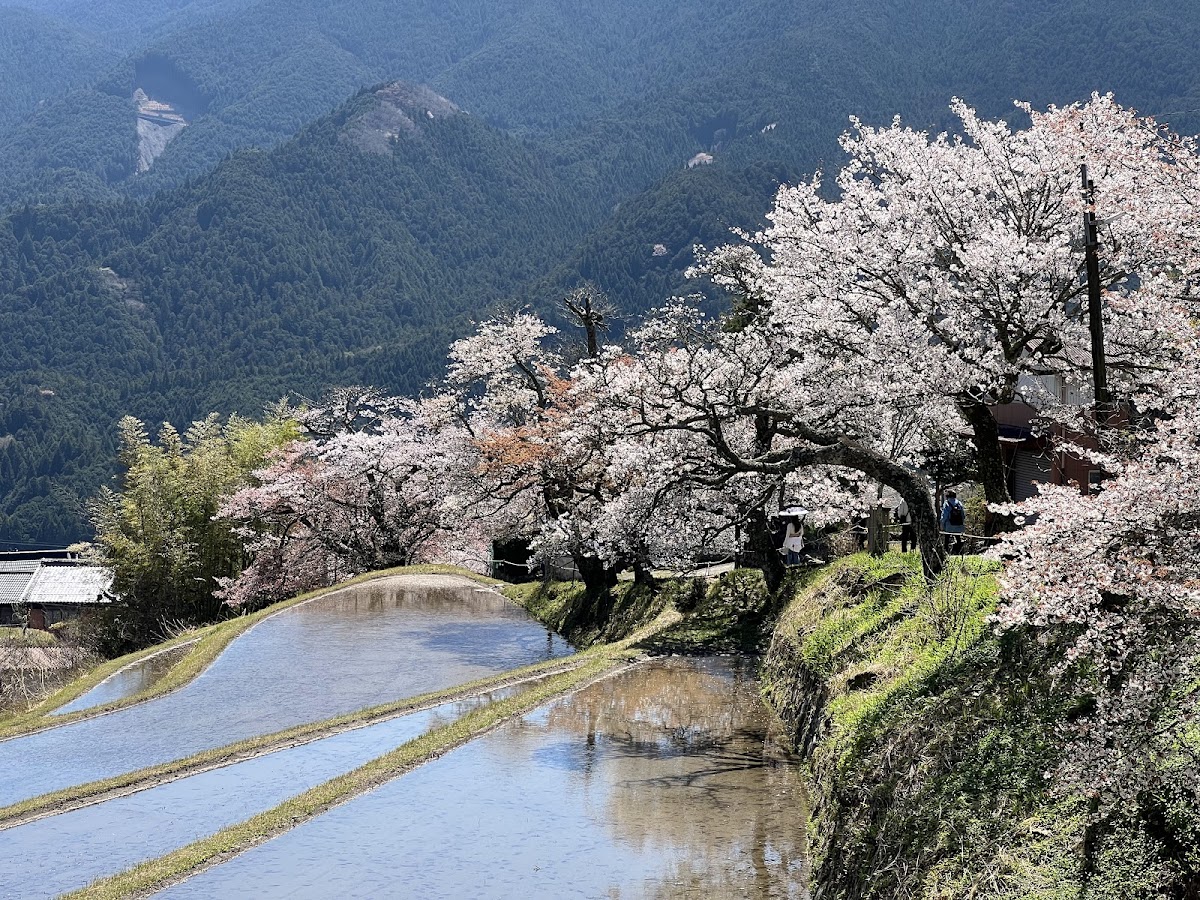
The area around Akame Shijuhasshitaki offers a unique cherry blossom landscape where wild Yamato cherry trees along the valley coexist with notable old trees planted at historic temples and shrines. Due to the varied elevation, cherry blossoms have a prolonged blooming period, allowing visitors to enjoy flower viewing in stages from early to mid-April. This is a major characteristic of the area.
The Natural Beauty of Akame Valley and the Contrast of Cherry Blossoms
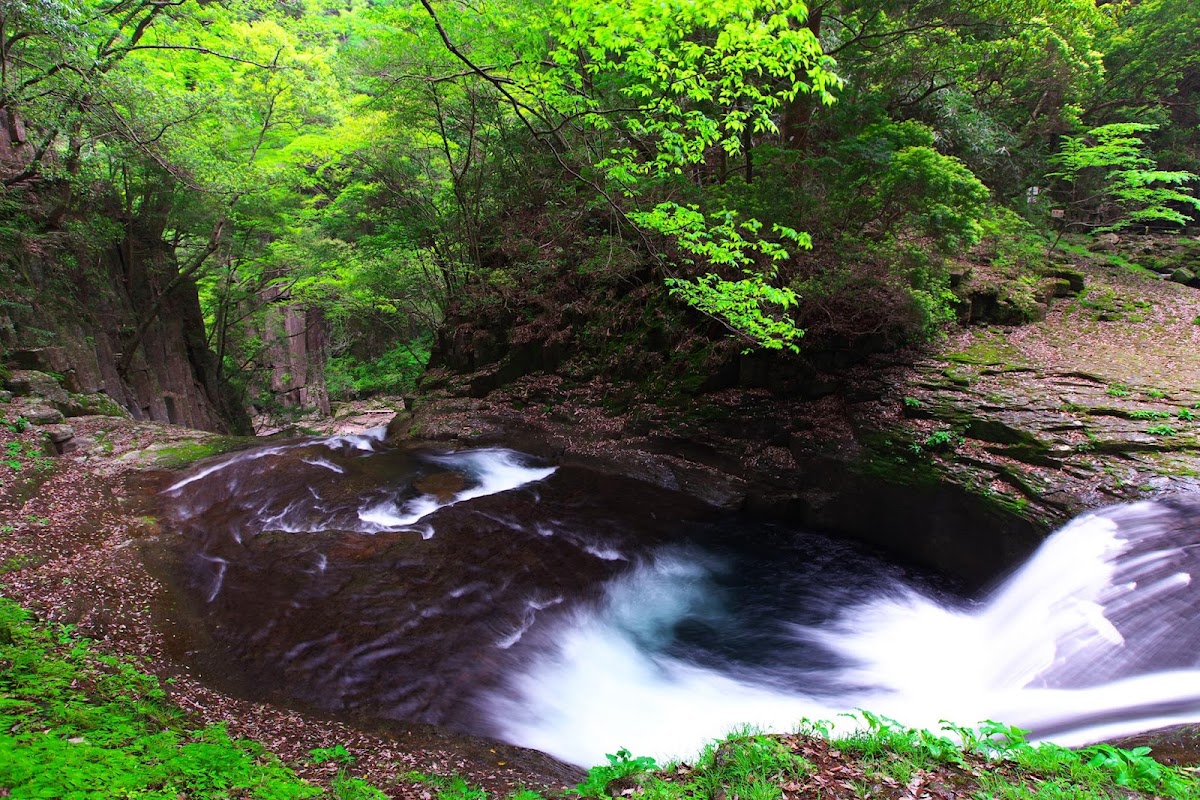
Akame Valley is dotted with waterfalls of various sizes, and Yamato cherry trees in the surrounding areas announce the arrival of spring. Walking along the paths beside the valley, you can enjoy the contrast between the clear stream, cherry blossoms, and fresh green foliage, offering a natural beauty that stands apart from other famous cherry blossom spots. The landscape created by the sound of waterfalls and falling cherry blossoms moves all who visit.
Enjuji Temple’s Weeping Cherry Tree|A Notable Tree at the Entrance of Akame Shijuhasshitaki
Enjuji Temple, located at the entrance of Akame Shijuhasshitaki, has a weeping cherry tree designated as a cultural property of Nabari City with an age of over 300 years. This cherry tree is characterized by its gnarled, twisted trunk, standing about 7 meters tall with a circumference of approximately 3.3 meters.
History and Characteristics of Enjuji’s Weeping Cherry Tree
Though part of the trunk has deteriorated over the long years, it continues to produce magnificent flowers every spring. Its vitality and the sense of historical weight attract many photography enthusiasts and cherry blossom fans. The best viewing time is early April, and when in full bloom, the drooping branches are covered with pale pink flowers, welcoming visitors.
Access and Viewing Tips
Enjuji Temple is adjacent to the entrance to Akame Shijuhasshitaki, making it ideal to visit while exploring the waterfalls. It is located just a short walk from the “Akame Falls” bus stop, approximately 10 minutes by bus from Kintetsu Akameguchi Station. Visiting during early morning hours when there are fewer crowds allows for leisurely cherry blossom viewing in silence.
Cherry Blossoms at Seirenzhi Lake Shore|A Representative Flower Viewing Spot in Nabari City
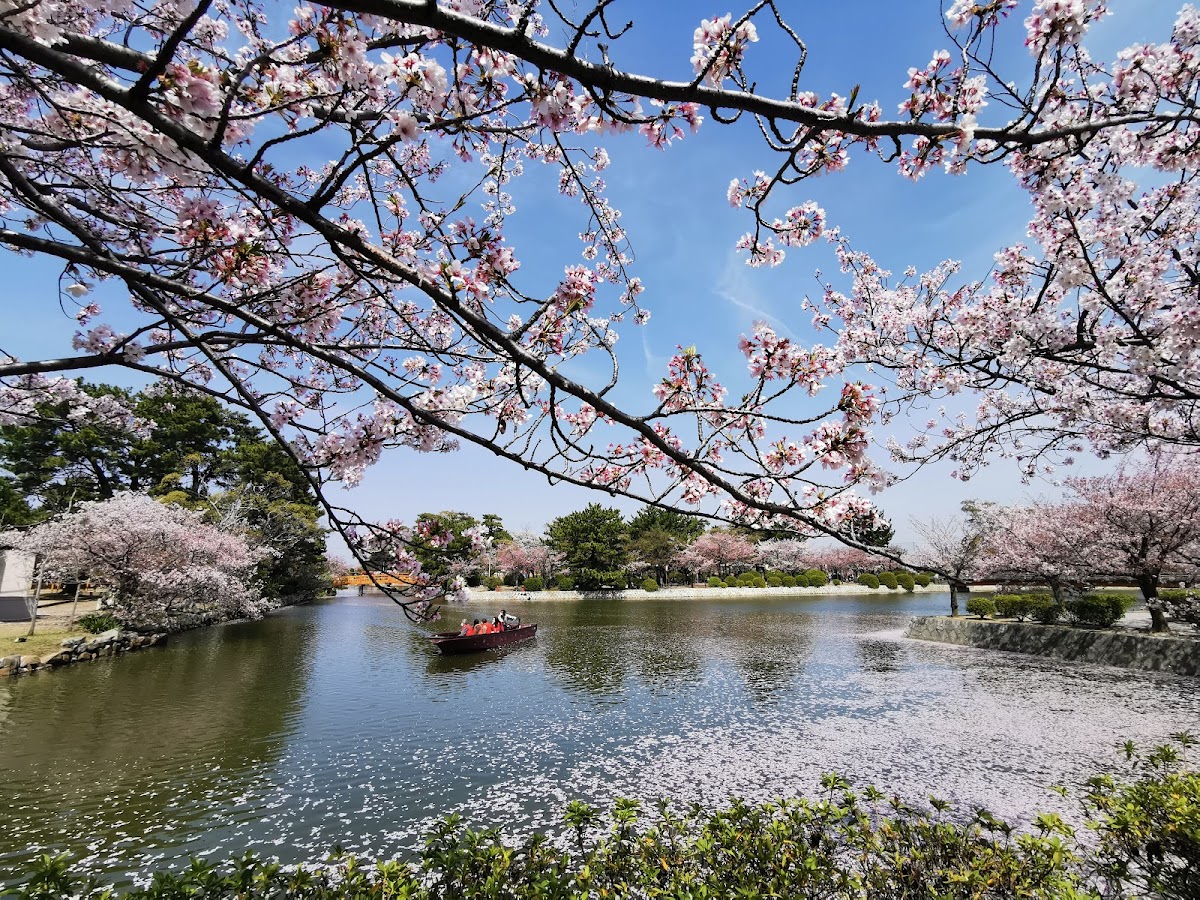
Seirenzhi Lake, located about 15 minutes by car from Akame Shijuhasshitaki, is a famous cherry blossom spot representative of Nabari City. Approximately 600 Somei Yoshino cherry trees are planted around the lake shore, creating a beautiful landscape with cherry blossoms reflected in the lake surface.
Highlights of Seirenzhi Lake’s Cherry Blossoms
The cherry trees around Seirenzhi Lake are planted to encircle the lake, so a picturesque view unfolds from any angle. The observation spot on the east side of the lake in particular offers an expansive view of the cherry blossoms reflected in the lake and mountains on the opposite shore, making it an excellent photography spot. The best viewing period is typically late March to early April, with pale pink Somei Yoshino coloring the lake surface.
Collaboration with Seirenzhi Lake Tourist Village
The Seirenzhi Lake Tourist Village is located around the lake. During the cherry blossom season before spring grape-picking season, shops selling local specialty products also operate. This combination of cherry blossom appreciation and enjoying Nabari’s specialty products adds to the area’s appeal.
Other Cherry Blossom Spots in Nabari City
When visiting the Akame Shijuhasshitaki area, exploring other cherry blossom spots in Nabari City can provide a more enriching flower viewing experience.
Nabari Central Park’s Cherry Blossoms
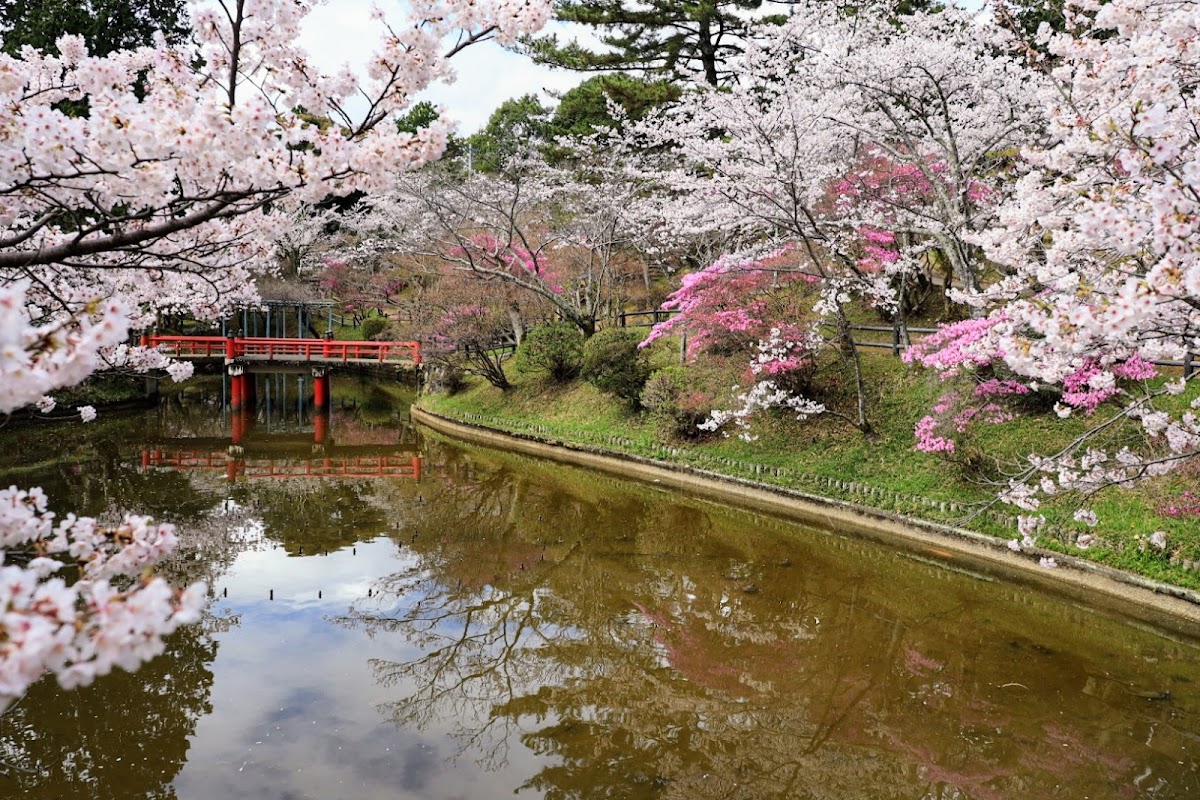
Nabari Central Park, located in the center of Nabari City, is a famous cherry blossom spot beloved by residents. It is equipped with a stadium, multi-purpose grounds, an observation deck, and a playground for children, making it ideal for families enjoying cherry blossoms. Approximately 300 Somei Yoshino cherry trees are planted, reaching full bloom from late March to early April.
A grassy plaza is maintained in the park, allowing visitors to spread a picnic sheet and enjoy leisurely flower viewing. On weekends, the park is crowded with families enjoying picnics under the cherry blossoms.
Cherry Tree Row Along Nabari River
A cherry tree row stretching approximately 2 kilometers runs along the Nabari River flowing through the city. The walking path beside the river allows visitors to enjoy cherry blossoms while strolling, making it popular for flower viewing combined with walking or jogging. The reflection of cherry blossoms in the river is beautiful, and it is recommended for those seeking quiet flower viewing.
Cherry Blossom Viewing Season and Bloom Information for the Akame Shijuhasshitaki Area
The best viewing period for cherry blossoms around Akame Shijuhasshitaki varies depending on elevation and cherry tree variety, but generally spans from late March to mid-April.
Blooming Period Guide
- Enjuji’s Weeping Cherry Tree: Early April to mid-April
- Somei Yoshino at Seirenzhi Lake Shore: Late March to early April
- Yamato Cherry Trees in Akame Valley: Early April to mid-April
- Somei Yoshino at Nabari Central Park: Late March to early April
The Yamato cherry trees at the higher elevation of Akame Valley reach their peak about a week later than the Somei Yoshino in the city, allowing cherry blossom enjoyment over an extended period.
2026 Bloom Forecast
The 2026 blooming period will vary depending on weather conditions, but if typical, flowers should appear in late March and reach full bloom in early April. It is recommended to check the latest bloom information on the Nabari City Tourism Association’s official website or the Mie Tourism website.
Sample Courses for Cherry Blossom Viewing Around Akame Shijuhasshitaki
Here are sample courses to efficiently explore cherry blossoms around Akame Shijuhasshitaki.
Day Trip Course (Approximately 6 Hours)
Morning (9:00 AM – 12:00 PM)
- Take a bus from Kintetsu Akameguchi Station to Akame Shijuhasshitaki (approximately 10 minutes)
- View Enjuji’s Weeping Cherry Tree (30 minutes)
- Explore Akame Shijuhasshitaki valley and waterfalls (2 hours)
- Enjoy Yamato cherry trees along the valley while exploring
Lunch (12:00 PM – 1:00 PM)
- Lunch at restaurants near the Akame Shijuhasshitaki entrance
- Local mountain vegetable and river fish dishes are recommended
Afternoon (1:00 PM – 3:00 PM)
- Travel by car or taxi to Seirenzhi Lake (approximately 15 minutes)
- View cherry blossoms on Seirenzhi Lake shore (1 hour)
- Move to Nabari Central Park (approximately 10 minutes)
- Explore cherry blossoms in the park (30 minutes)
This course allows efficient exploration of major cherry blossom spots around Akame Shijuhasshitaki.
Access Information and Parking
Detailed information on how to access the Akame Shijuhasshitaki area and parking availability.
Access by Public Transportation
Train and Bus
- Get off at “Akameguchi Station” on the Kintetsu Osaka Line
- Board the Mie Kotsu bus “Akame Falls Line” in front of the station (approximately 10 minutes)
- Get off at “Akame Falls” bus stop, walking distance away
Bus frequency is limited, so it is recommended to check the schedule in advance. Especially during cherry blossom season, congestion is expected, so visiting during early hours is recommended.
Access by Automobile
From Osaka
- From “Hari IC” on the Meishin Expressway via Route 165, approximately 30 minutes
From Nagoya
- From “Ueno IC” on the Meishin Expressway via Routes 368 and 165, approximately 40 minutes
Parking Information
Multiple paid parking lots are available around Akame Shijuhasshitaki.
- Akame Shijuhasshitaki Parking Lot: Approximately 200 spaces, 800 yen per visit
- Seirenzhi Lake Area Parking: Free, approximately 50 spaces
- Nabari Central Park Parking: Free, approximately 100 spaces
During cherry blossom season, especially on weekends, parking lots become congested. It is recommended to arrive during early morning hours.
Accommodations Around Akame Shijuhasshitaki
For those wishing to enjoy cherry blossoms leisurely, overnight stays are recommended.
Akame Hot Spring Inns
Several inns offering Akame hot springs are located near the entrance of Akame Shijuhasshitaki. You can relax in the hot springs and enjoy cherry blossoms early the next morning when fewer crowds are present. Advance reservations are recommended.
Hotels in Nabari City Center
Various business hotels and tourist hotels are scattered throughout Nabari City. Staying in the city center allows for morning and evening strolls along cherry blossoms at Nabari Central Park and the Nabari River, providing a more enriching flower viewing experience.
Enjoying Nearby Attractions in Combination
The Akame Shijuhasshitaki area has many attractive tourist spots in addition to cherry blossoms.
Waterfall Tours at Akame Shijuhasshitaki
Even during cherry blossom season, waterfall tours at Akame Shijuhasshitaki are not to be missed. Approximately 4 kilometers of walking paths are lined with uniquely individual waterfalls including Fudo Falls, Senju Falls, Nunui Falls, Nitate Falls, and Biwa Falls. The spring valley with mixed fresh greenery and cherry blossoms has a different beauty from the autumn foliage season.
Ninja Training Experience
Akame Shijuhasshitaki is also known as a ninja training ground, and “Akame Shijuhasshitaki Ninja Forest” offers ninja training experiences. Combining cherry blossom appreciation with ninja training is also recommended for families.
Nabari Specialty Products and Gourmet
Nabari City, located in the Iga region, is rich in specialty products such as Iga beef, local sake, and Iga pottery. Restaurants around Akame Shijuhasshitaki serve dishes made with local ingredients. Mountain vegetable and river fish dishes are particularly popular as spring delicacies.
Comparison with Other Cherry Blossom Spots in Mie Prefecture
Let us compare cherry blossoms around Akame Shijuhasshitaki with other famous cherry blossom spots in Mie Prefecture.
Differences from Mitake Cherry Blossoms
Mitake Cherry Blossoms (Mitsuke Town, Tsu City), a representative cherry blossom spot in Mie Prefecture, features approximately 400 Yamato cherry trees lining the approach to Shinfukuin Temple for about 1.5 kilometers along the Ise Honjin Road. Designated as a National Historic Site and on the list of Japan’s Top 100 Cherry Blossom Spots, it is characterized by historic cherry tree rows featuring many old trees.
In contrast, the area around Akame Shijuhasshitaki is distinguished by the fusion of valley beauty and cherry blossoms. The ability to enjoy waterfalls and cherry blossoms simultaneously makes it a rare cherry blossom spot in Mie Prefecture.
Differences from Ise Grand Shrine Inner Shrine Cherry Blossoms
Beautiful cherry trees blossom along the Isuzu River near Ise Grand Shrine Inner Shrine, allowing flower viewing in a sacred atmosphere. The appeal lies in cherry blossom appreciation conveying history and prestige.
The area around Akame Shijuhasshitaki is characterized by enjoying cherry blossoms in a more natural setting, making it suitable for those wishing to combine flower viewing with outdoor activities and hiking.
Differences from Miyagawa Embankment Cherry Blossoms
The Miyagawa Embankment in Ise City features approximately 1,000 cherry trees stretching about 1 kilometer, making it one of Mie Prefecture’s most representative cherry blossom spots. Selected for “Japan’s Top 100 Cherry Blossom Spots,” it is characterized by an overwhelming number of cherry trees.
The area around Akame Shijuhasshitaki may have fewer trees, but offers unique cherry blossoms such as the 300-year-old Enjuji Weeping Cherry Tree, with individual charm being the attraction.
Recommended Photography Spots for Cherry Blossoms Around Akame Shijuhasshitaki
For photography enthusiasts, here are recommended spots for cherry blossom photography around Akame Shijuhasshitaki.
Enjuji’s Weeping Cherry Tree Photography Point
Photographing Enjuji’s Weeping Cherry Tree with the temple grounds’ stone steps and main hall in the background creates a composition conveying history. Photographing in the soft light of early morning brings out the pale pink color of the cherry blossoms beautifully.
Waterfalls and Cherry Blossoms in Akame Valley
Within the valley, there are several locations where waterfalls and cherry blossoms can be captured in the same frame. Particularly around Fudo Falls, the white spray of the waterfall, pink of the cherry blossoms, and green of fresh foliage create a beautiful contrast. Care must be taken when using tripods to avoid obstructing trail access.
Seirenzhi Lake Cherry Blossom Reflection
At Seirenzhi Lake, visiting early on windless mornings allows for reflection photography of cherry blossoms on the lake surface. Photographing from the east side observation spot with a wide-angle lens captures a magnificent photo encompassing the entire lake and cherry blossoms.
Precautions and Etiquette for Cherry Blossom Viewing
Guidelines for precautions and etiquette when enjoying cherry blossoms around Akame Shijuhasshitaki.
Consideration for the Natural Environment
Akame Shijuhasshitaki is within a quasi-national park, and nature conservation is important. Always take trash with you, and be careful not to damage plants. Avoid entering areas beyond the designated paths.
Cherry Blossom Protection
Be careful not to break cherry tree branches or damage trunks. In particular, Enjuji’s Weeping Cherry Tree is a valuable cultural property over 300 years old. Avoid stepping on the roots.
Consideration During Crowded Times
Many tourists visit during weekends and peak viewing periods. When photographing, avoid occupying the same location for extended periods and show consideration for others.
Weather and Clothing
The ground is slippery in some areas within Akame Valley, so wear comfortable walking shoes. Spring temperatures fluctuate significantly, so it is recommended to bring something to layer.
Cherry Blossom Event Information Around Akame Shijuhasshitaki
Events may be held around the Akame Shijuhasshitaki area to coincide with cherry blossom season.
Cherry Blossom Festivals
Cherry blossom festivals coordinating with peak bloom times are sometimes held throughout Nabari City. Local specialty product sales and performances of local arts and culture allow visitors to experience regional culture. Event information can be verified on the Nabari City Tourism Association website.
Nighttime Cherry Blossom Illumination
Nighttime cherry blossom illumination is sometimes provided around Seirenzhi Lake for limited periods. This allows enjoyment of the fantastical appearance of cherry blossoms different from daytime viewing.
Four Seasons’ Charm Around Akame Shijuhasshitaki
The area around Akame Shijuhasshitaki offers beautiful natural settings across all four seasons, not just cherry blossom season.
Fresh Green Season (May – June)
After cherry blossoms end, the valley becomes enveloped in vibrant fresh greenery. Forest bathing can be enjoyed in refreshing air full of negative ions.
Autumn Foliage Season (November)
Akame Shijuhasshitaki is also known as a famous autumn foliage spot. Maple and other autumn trees color the valley in red and yellow, creating a beautiful contrast with the waterfalls.
Winter Ice Waterfalls (January – February)
During the coldest months, waterfalls freeze into ice waterfalls, creating a fantastical sight. The valley’s beauty wrapped in winter’s silence is worth experiencing.
Conclusion: Experience Special Cherry Blossom Viewing Around Akame Shijuhasshitaki
Cherry blossoms around Akame Shijuhasshitaki are a unique flower viewing spot in Mie Prefecture, where valley beauty and historic notable old trees create a distinctive charm. You can enjoy diverse cherry blossoms including Enjuji’s over 300-year-old Weeping Cherry Tree, Yamato cherry trees blooming along the valley, and Somei Yoshino around Seirenzhi Lake shore.
With abundant elements to enjoy alongside cherry blossom viewing such as waterfall tours, ninja training experiences, and hot springs, you can spend enriching time whether visiting for a day or staying overnight. This spring of 2026, please enjoy a special cherry blossom viewing experience around Akame Shijuhasshitaki.
The latest bloom information and event details are recommended to be confirmed on the Nabari City Tourism Association or Mie Tourism official websites. Conduct advance reservations and information gathering to plan a comfortable flower viewing trip.