Neodani Usuzumi Sakura Complete Guide | Gifu Prefecture’s Pride – One of Japan’s Three Great Cherry Blossoms: Best Viewing Season, Access, and History
The Neodani Usuzumi Sakura (根尾谷淡墨桜) standing in Neoji Itashio, Motosu City, Gifu Prefecture, is a representative famous cherry tree of Japan boasting an age of over 1,500 years. It is counted among the “Three Great Cherry Blossoms of Japan” alongside the Miharu Takizakura in Fukushima Prefecture and the Yamataka Jindai Sakura in Yamanashi Prefecture, and is designated as a Natural Monument of Japan. This article provides comprehensive information about the charm of Usuzumi Sakura, best viewing season, access methods, and nearby tourist spots that you should know before visiting.
About Neodani Usuzumi Sakura | A Treasure of Gifu Prefecture with 1,500 Years of History
A Famous Tree Counted Among Japan’s Three Great Cherry Blossoms
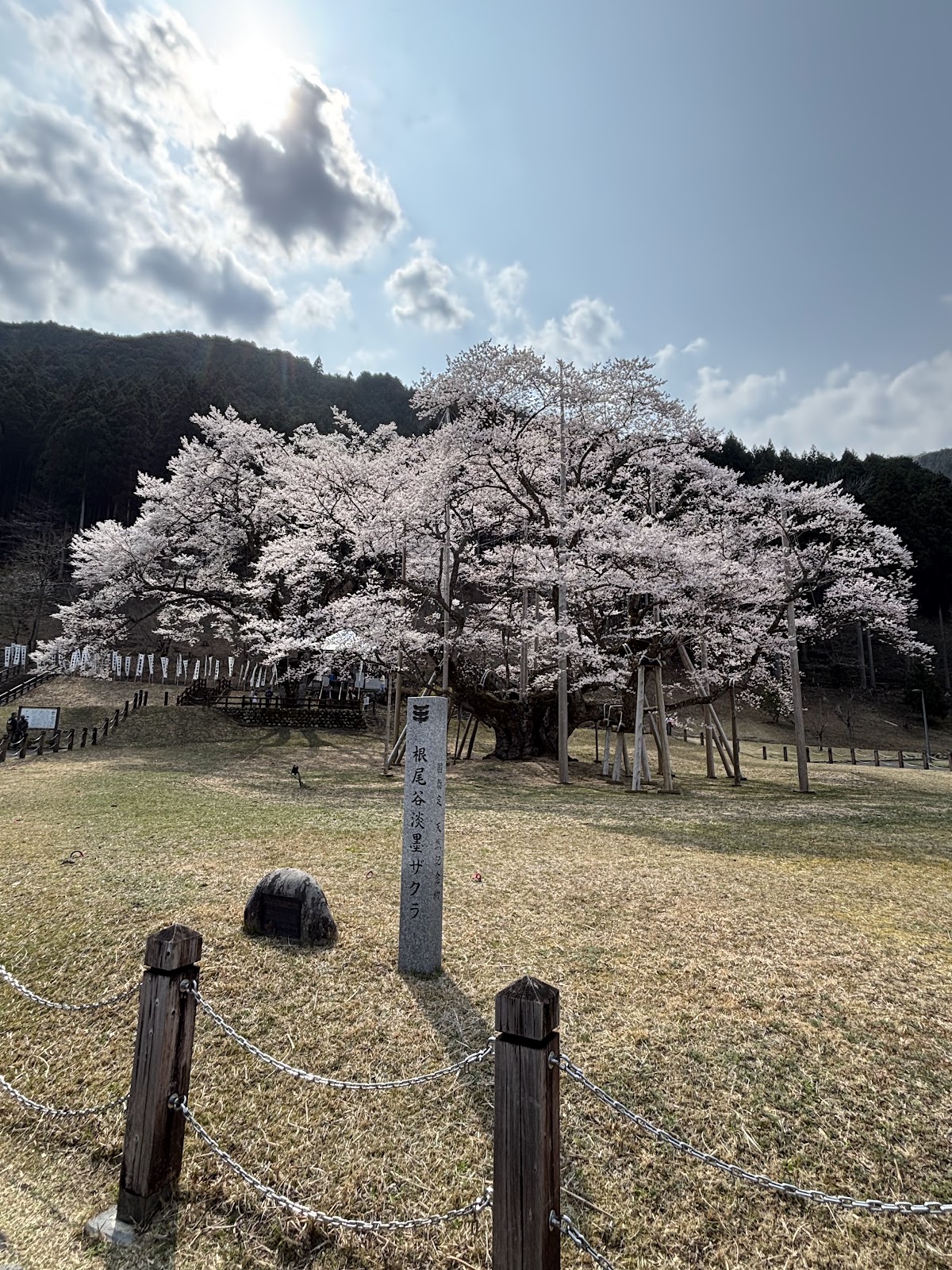
Neodani Usuzumi Sakura is a giant Edohiganzakura cherry tree with a height of approximately 17.3 meters and a trunk circumference of approximately 9.4 meters. Its branches spread some 27 meters east to west and 20 meters north to south, radiating an overwhelming presence. Designated as a Natural Monument of Japan in 1922 (Taisho 11), it is counted among Japan’s Five Great Cherry Blossoms and Three Great Cherry Blossoms, and is a famous cherry blossom viewing spot representing Gifu Prefecture.
Developed as Usuzumi Park, the grounds feature broad lawns and an outdoor stage centered around this single giant tree, drawing many flower viewing visitors during the cherry blossom season. The ancient tree that has lived for 1,500 years emanates the energy of life, continuing to captivate visitors.
The Legend of Emperor Keitai’s Planting and the Origin of Its Name
Neodani Usuzumi Sakura has a legend that it was planted by the 26th Emperor Keitai when he was still a prince. Emperor Keitai ascended to the throne in the early 6th century, and if this tradition is true, the cherry tree would be over 1,500 years old.
The name “Usuzumi Sakura” derives from the unique color changes of this cherry tree. It is said to have been named because the buds are pale pink, the full bloom is lustrous white, and at the time of scattering, it takes on a distinctive pale ink color. This three-stage color change is one of the greatest highlights of Usuzumi Sakura, offering different expressions to enjoy depending on the season.
Best Viewing Season and Flowering Information for Neodani Usuzumi Sakura
The Typical Best Viewing Season is from Late March to Early April
The best viewing season for Neodani Usuzumi Sakura is typically from late March to early April. Flowering slightly later than the plain areas of Gifu Prefecture due to its location in a mountainous area, the bloom timing can vary depending on temperature. In some years, it can be enjoyed until mid-April, making it known as a famous spot in Gifu Prefecture where cherry blossoms can be enjoyed for a relatively long period.
From blooming to full bloom takes about a week, and when in full bloom, pure white flowers cover the sky in a spectacular landscape. If you wish to see the pale ink color at the time of scattering, it is recommended to visit a few days after full bloom.
How to Check Flowering Status
Flowering information for Usuzumi Sakura can be confirmed on the official website of the Motosu City Tourism Association and various cherry blossom flowering information websites. Particularly during peak viewing season, the situation changes daily, so it is recommended to check the latest flowering information before visiting.
Weather forecast websites such as Weather News often receive cherry blossom reports from people who have actually visited the Neodani Usuzumi Sakura area, which is helpful for grasping real-time conditions.
Best Timing to Enjoy the Color Changes
To fully enjoy the greatest charm of Usuzumi Sakura—its color changes—visiting multiple times is ideal.
- Bud stage (just before blooming): A delicate appearance in pale pink
- Full bloom stage: A spectacular scene dyed in lustrous white
- Scattering stage: A unique atmosphere tinged with pale ink color
It is not possible to see all colors in a single visit, but if you visit from full bloom through the scattering stage, you may be able to enjoy the transition from white to ink color.
Access Methods to Neodani Usuzumi Sakura
Driving and Parking Information
When driving, it takes approximately one hour from the Gifu Hashima IC or Ogaki IC on the Meishin Expressway, or approximately one hour 15 minutes from the Gifu Kakamigahara IC on the Tokai-Hokuriku Expressway. Enter “995 Kamidani, Neoji Itashio, Motosu City, Gifu Prefecture” or “Usuzumi Park” into your car’s navigation system.
Temporary parking areas are set up around Usuzumi Park during the cherry blossom viewing season. However, during peak full bloom periods and weekends, it becomes very crowded, so early morning visits are recommended. It is advisable to confirm parking lot hours and fees in advance with the Motosu City Tourism Association.
Access by Public Transportation
When using public transportation, JR Tokai Tokaido Main Line’s Ogaki Station or Tarumi Railway’s Tarumi Station is the nearest station. From Tarumi Station, the terminal of the Tarumi Railway Tarumi Line, Usuzumi Park is approximately 15 minutes on foot.
During cherry blossom season, temporary buses may be operated from Ogaki Station or Motosu Station. Since the number of buses is limited, it is recommended to check the timetable in advance and plan your visit accordingly.
Tips for Avoiding Crowds
During peak full bloom, especially on weekends and holidays, it becomes extremely crowded. Points to avoid congestion are as follows:
- Visit early morning (before 7:00 AM) or in the evening
- Choose weekdays
- Aim for a few days before full bloom or the scattering stage
- Use public transportation
Viewing Usuzumi Sakura in the silence of early morning is exceptional and optimal for photography.
Illumination and Night Cherry Blossoms at Usuzumi Sakura
Neodani Usuzumi Sakura is illuminated at night during the best viewing season. The 1,500-year-old giant tree rising in the darkness is fantastical, revealing a different expression than in daytime.
Illumination typically runs from sunset until around 9:00 PM, but this may change depending on the year, so it is recommended to confirm with the Motosu City Tourism Association before visiting. Nights are often cold, so do not forget to take precautions against the cold.
The Rebirth Story of Usuzumi Sakura | Overcoming the Crisis of Death
A Giant Tree in Crisis
Over its long history of more than 1,500 years, Usuzumi Sakura has overcome the threat of death several times. In particular, in 1959 (Showa 34), it suffered major damage from Typhoon Ise Bay, and its vigor declined significantly.
Support from Across the Nation and Protection Activities
Learning of Usuzumi Sakura’s crisis, people from across Japan voiced calls for its protection. Various protection activities were carried out including treatment by tree surgeons and experts, soil improvement, and installation of support pillars. Author Chiyo Uno also appealed for the protection of Usuzumi Sakura, and through the support of many people, it maintains its current form.
This rebirth story shows that Usuzumi Sakura is not merely a tourist attraction but a cultural property loved and protected by many people.
Tourist Spots Around Neodani Usuzumi Sakura
Neodani Valley Earthquake Fault Observatory Hall
Located about 10 minutes by car from Usuzumi Park, the Neodani Valley Earthquake Fault Observatory Hall is a facility that preserves and exhibits the earthquake fault that appeared due to the 1891 Nobi Earthquake. You can observe up close a precious fault that is the starting point of Japan’s earthquake research.
This is a facility where you can experience the power of earthquakes and the wonder of nature, and it is worthwhile to visit together with Usuzumi Sakura.
The Clear Streams and Nature of Neogi River
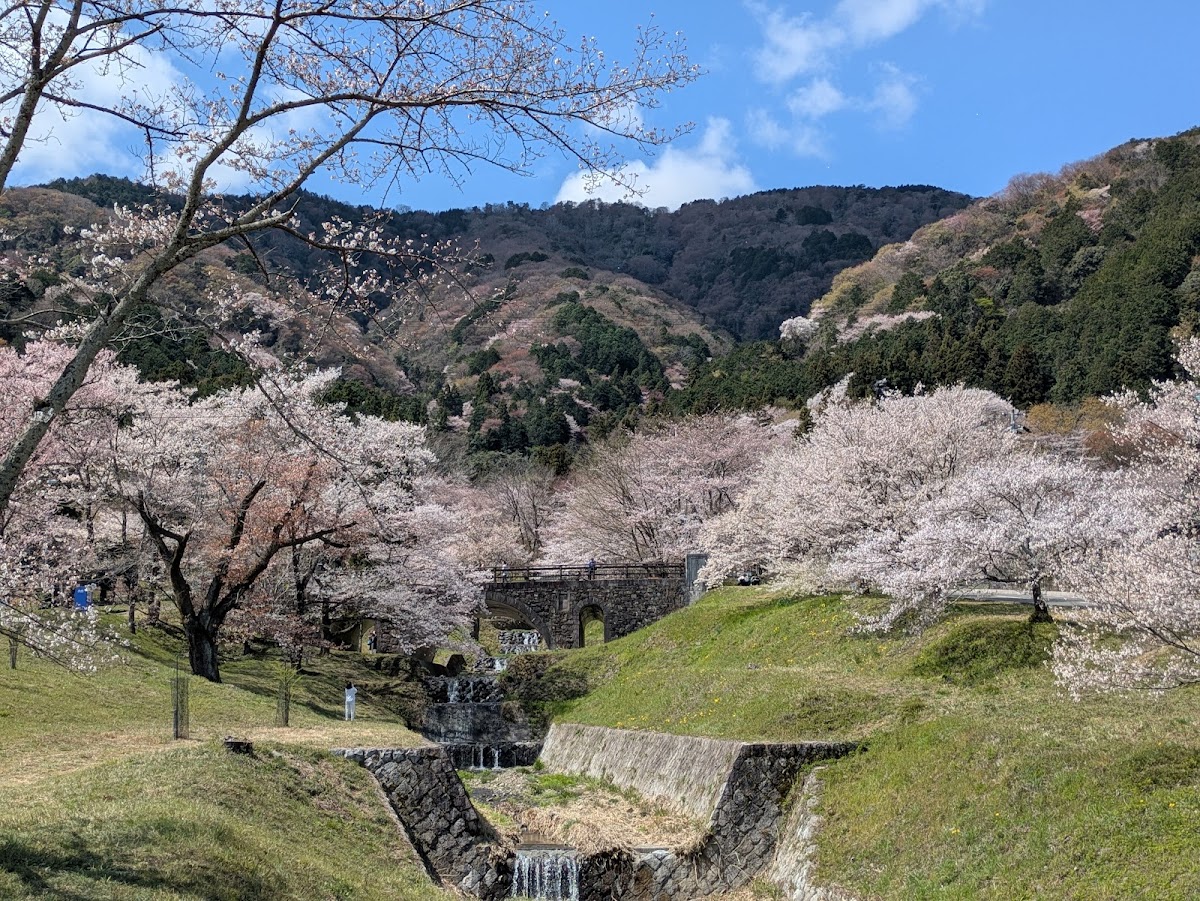
The area around Usuzumi Park is a nature-rich area where the clear stream of Neogi River flows. Beyond the cherry blossom season, it is beautiful during new greenery and autumn foliage seasons, offering scenery to enjoy throughout the four seasons. Walking along the riverside promenade allows you to spend quiet time unique to the mountainous regions of Gifu Prefecture.
Other Cherry Blossom Spots in Motosu City
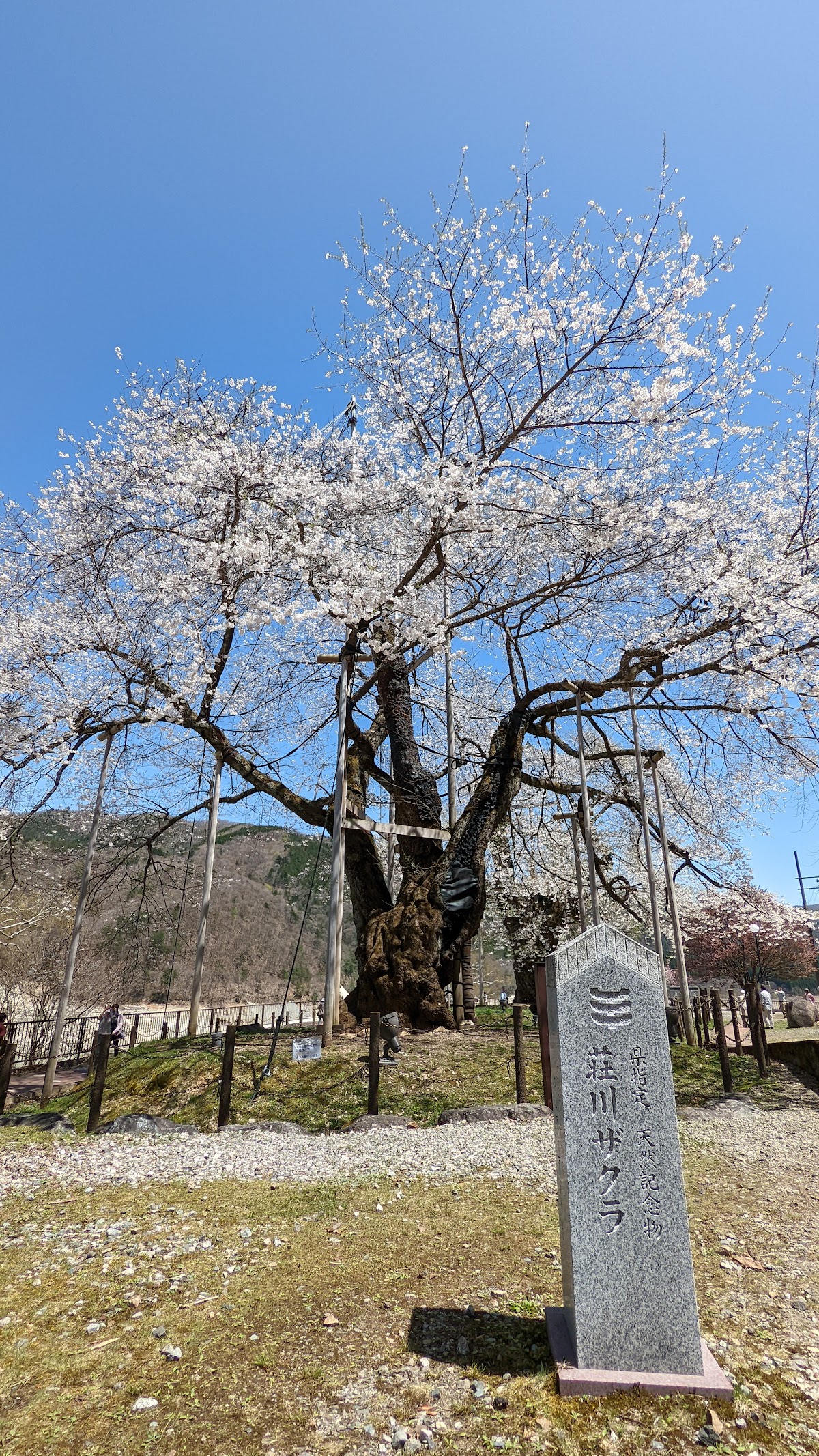
There are many flower viewing spots besides Usuzumi Sakura in and around Motosu City. A spring driving tour visiting cherry blossom famous spots throughout Gifu Prefecture is also recommended. By combining the cherry blossom and famous flower viewing spots around Neodani Usuzumi Sakura, you can have a more fulfilling cherry blossom viewing experience.
Precautions and Manners When Visiting Usuzumi Sakura
Cooperation in Protecting the Cherry Tree
Usuzumi Sakura is a precious Natural Monument with an age of 1,500 years. Please observe the following manners when viewing:
- Do not enter near the roots of the cherry tree
- Do not break branches or touch the trunk
- Always take garbage with you
- Refrain from eating and drinking in areas other than designated places
Photography Etiquette
As many tourists visit, consideration for those around you is necessary when taking photographs.
- Do not occupy the same spot for long periods
- Avoid congested times when using tripods
- Be considerate so other visitors do not appear in your photos
Clothing and Belongings
Since it is located in a mountainous area, temperatures may be lower than in the plains.
- Prepare warm clothing (especially in early mornings and evenings)
- Wear comfortable shoes
- Carry rain gear
- Sunscreen and hat (on sunny days)
Hints for Maximizing Enjoyment of Usuzumi Sakura
The Merits of Early Morning Visits
Not only can you avoid crowds, but Usuzumi Sakura illuminated by the morning sun is exceptionally beautiful. The time spent facing a cherry tree with 1,500 years of history in silence will become an unforgettable memory.
Enjoying Local Cuisine
During cherry blossom season, stalls selling local specialties and light snacks line the area around Usuzumi Park. Enjoying flower viewing while tasting the flavors of Motosu City and the Seino region of Gifu Prefecture doubles the pleasure of your trip.
Tourism Combined with Surrounding Areas
There are many tourist spots near Usuzumi Sakura in Gifu City and Ogaki City, which are close to Motosu City in Gifu Prefecture. Planning a spring driving tour of the Gifu and Seino areas centered on Usuzumi Sakura will make for a more enriching trip.
Usuzumi Sakura Throughout the Four Seasons | Charm Beyond Cherry Blossoms
New Green Season (May–June)
After the cherry blossoms scatter, Usuzumi Sakura puts forth vibrant green leaves. Even during the leafy stage, it displays a beautiful appearance that conveys powerful vitality.
Autumn Foliage Season (October–November)
In autumn, the surrounding mountains are painted with fall colors, and the leaves of Usuzumi Sakura also turn yellow. There is a quiet beauty different from spring.
Snow-Covered Winter (December–February)
Usuzumi Sakura covered in snow also has its charm. While few people visit, the sight of enduring harsh winter conveys the strength of having lived 1,500 years.
Conclusion | Visit Japan’s Three Great Cherry Blossoms, Pride of Gifu Prefecture
Neodani Usuzumi Sakura is a treasure of Motosu City, Gifu Prefecture, having lived through 1,500 years of eternal time. This famous tree, counted among Japan’s Three Great Cherry Blossoms, has its greatest charm in the color changes that transition from buds to full bloom to scattering.
The legend of Emperor Keitai’s planting, the rebirth story overcoming the crisis of death, and its value as a Natural Monument of Japan. Usuzumi Sakura breathes with deep history and culture beyond a mere flower viewing spot.
During its typical best viewing season from late March to early April, many flower viewing visitors come from across the nation. Check the flowering information from the Motosu City Tourism Association and visit at the optimal time. Combining it with nearby tourist spots such as the Neodani Valley Earthquake Fault Observatory Hall will make your trip through the Seino region of Gifu Prefecture even more fulfilling.
Usuzumi Sakura, blooming majestically across 1,500 years of time. Its overwhelming presence and beauty give unforgettable emotion once witnessed. Please visit Neoji Itashio, Motosu City, Gifu Prefecture, and see with your own eyes Japan’s famous cherry blossom.