Japan’s Greatest Cherry Blossom Avenue (Hirosaki City, Aomori Prefecture) Complete Guide|Peak Viewing Season, Access, and Nearby Cherry Blossom Attractions Thoroughly Explained
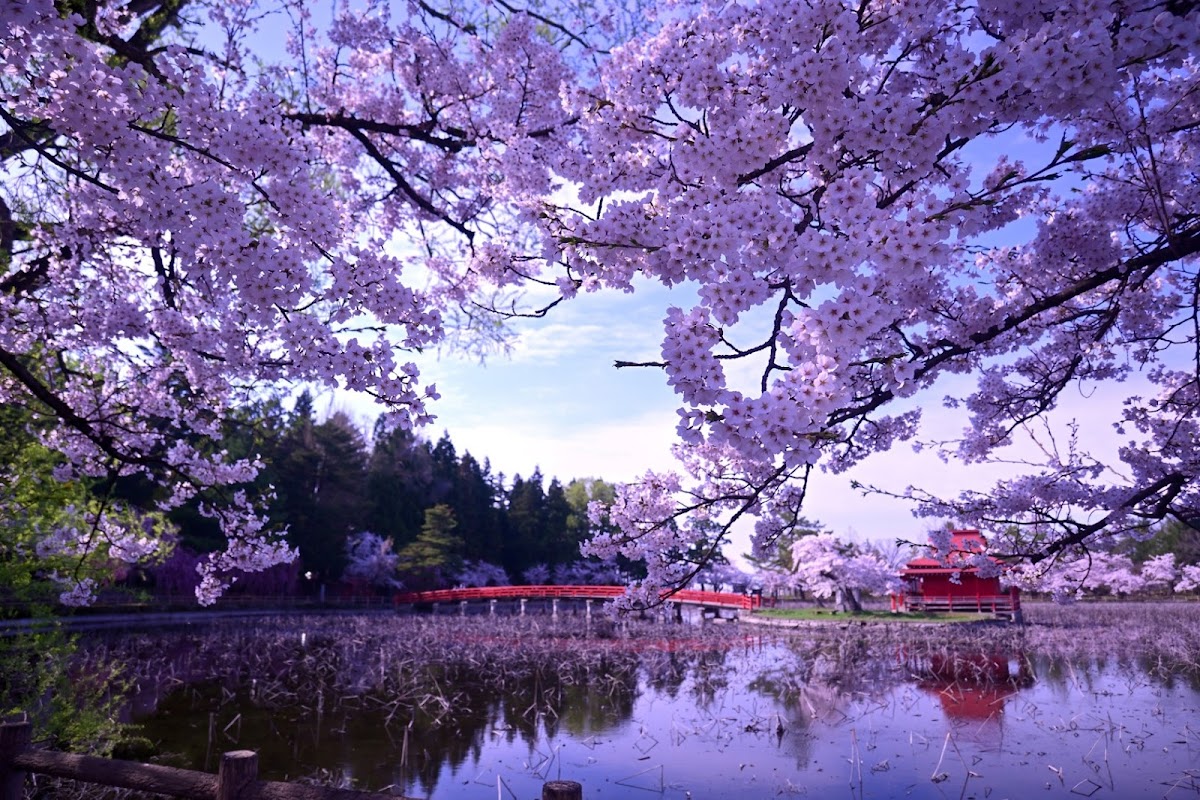
Spanning approximately 20 kilometers at the southern foot of Mount Iwaki in Hirosaki City, Aomori Prefecture, the “World’s Greatest Cherry Blossom Avenue” features about 6,500 Oyama cherry blossoms in full bloom, making it one of Japan’s finest cherry blossom destinations. This magnificent avenue of cherry trees, planted by local residents, adorns the green foothills with vibrant crimson blossoms each spring, continuing to captivate visitors.
This article provides comprehensive information on enjoying Aomori’s cherry blossoms, from the appeal of the world’s greatest cherry blossom avenue to peak viewing periods, access methods, and other cherry blossom destinations throughout Aomori Prefecture.
About the World’s Greatest Cherry Blossom Avenue|Aomori’s Magnificent Cherry Blossom Scale
The “World’s Greatest Cherry Blossom Avenue” is a collective term for the cherry blossom avenues that spread across Prefectural Route 3 connecting Hirosaki City to the Dake Hot Spring area and surrounding branch roads at the southern foot of Mount Iwaki in Hirosaki City, Aomori Prefecture. From 1985 onwards, over approximately 10 years, trees were continuously planted under the passionate commitment of local residents to “create the world’s greatest cherry blossom avenue.”
A Spectacular Landscape Woven by 6,500 Oyama Cherry Trees
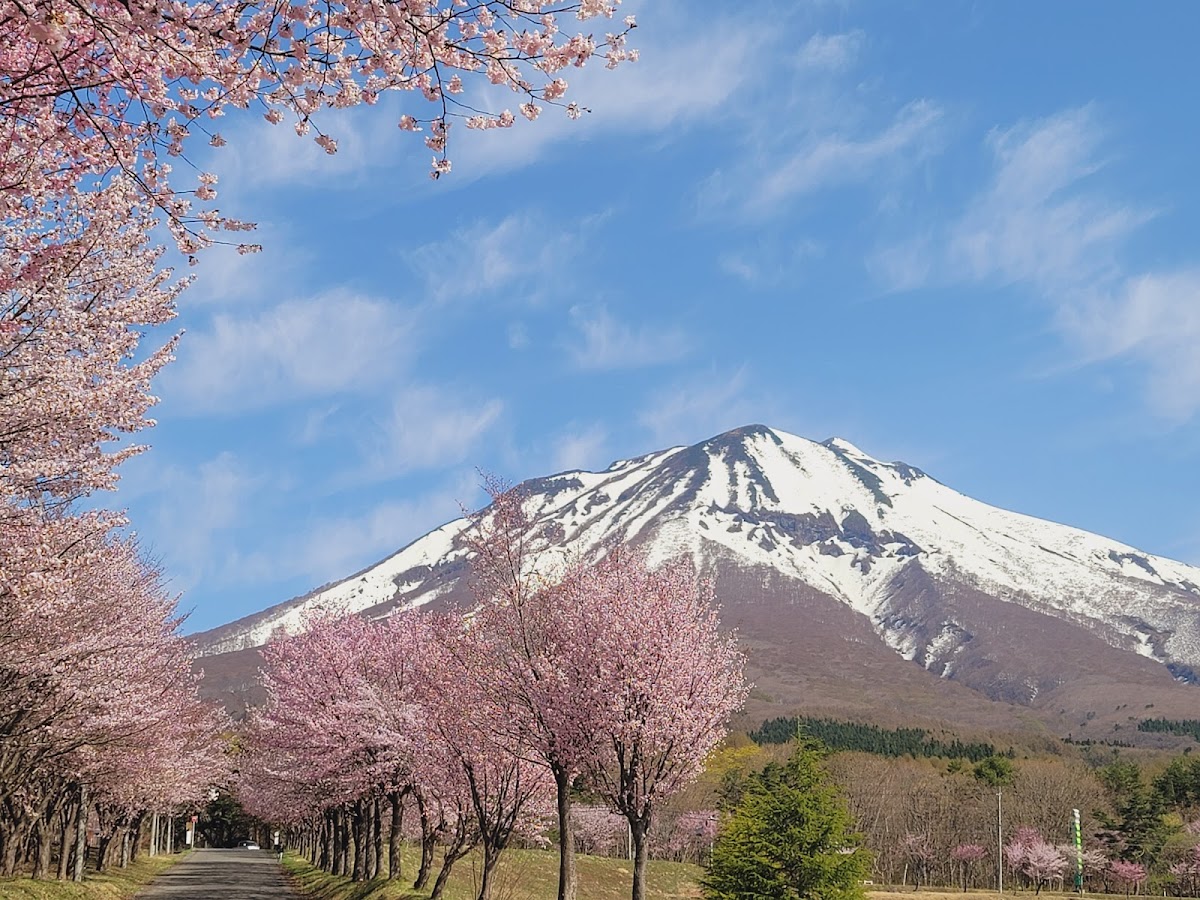
Along the approximately 20-kilometer route from the Momosawa district to the Dake Hot Spring direction, about 6,500 Oyama cherry trees are planted. The Oyama cherry differs from the common Somei Yoshino, characterized by dark pink petals that stand out brilliantly against the backdrop of green mountains in crimson hues.
The scale sets this apart from other cherry blossom destinations—the unending cherry blossom tunnel is simply magnificent. Due to the elevation differences, you can enjoy the blooming progression starting from the base of the mountain, and the ability to appreciate cherry blossoms over an extended period is a major attraction.
The History of the Cherry Blossom Avenue Nurtured by Citizens
The birth of the world’s greatest cherry blossom avenue stemmed from the strong desire of local residents. From 1985 to 1995, continuous tree-planting activities took place, with local people carefully planting and nurturing each cherry tree.
What began as a dream-like goal to “create the world’s greatest cherry blossom avenue” has, through unified community effort, become a cherry blossom destination representing Japan in both name and reality, welcoming numerous tourists. Continuing to be cherished by locals, this cherry blossom avenue remains a point of pride for Aomori Prefecture.
Peak Viewing Season and Bloom Information for the World’s Greatest Cherry Blossom Avenue
Aomori’s cherry blossoms are known for blooming relatively late in Honshu, and the world’s greatest cherry blossom avenue is no exception. The ability to enjoy extended viewing periods by utilizing the elevation difference is one characteristic of this avenue.
Typical Peak Viewing Season
The peak viewing season for the world’s greatest cherry blossom avenue is typically late April through early May. However, due to elevation differences, flowers bloom progressively from the base of the mountain, so peak viewing times vary by location.
- Momosawa district (lower elevation areas): Blooming begins around late April
- Dake Hot Spring direction (higher elevation areas): Peak viewing around early May
- Karekidaira area: Late bloom to mid-May in full bloom
This elevation difference allows you to enjoy cherry blossoms over approximately two to three weeks, and even if you miss one timing, you may encounter full-bloom blossoms in another area.
How to Check Bloom Status
Cherry blossom blooming varies year to year depending on climate conditions. Before visiting, it’s recommended to confirm the latest bloom information through the following methods:
- Hirosaki City Tourism Information Site
- Aomori Prefecture Tourism Information Site “Amazing AOMORI”
- Mount Iwaki Tourism Association official website
- Real-time information on SNS (#世界一の桜並木)
Especially if you want to time your visit for peak bloom, it’s best to start checking information from late March through early April when bloom forecasts are released.
Access Methods to the World’s Greatest Cherry Blossom Avenue
The world’s greatest cherry blossom avenue stretches along Prefectural Route 3 heading toward Mount Iwaki from Hirosaki city center. While car access is convenient, public transportation is also available.
Access by Car
From the Tohoku Expressway
- Approximately 30 minutes from Owarabi Hirosaki IC
- Head toward Mount Iwaki via Prefectural Route 3 from Hirosaki city center, approximately 20-30 minutes
Parking Information
- Free parking available near Dake Hot Spring
- Parking spaces also available near Momosawa district
- Early morning visits are recommended due to congestion during peak viewing season
Access by Public Transportation
From JR Hirosaki Station
- Board Konan Bus heading to “Karekidaira” or “Dake Hot Spring”
- Get off at stops like “Komori-yama Entrance” or “Dake Hot Spring”
- Travel time: approximately 40-50 minutes
- Since bus frequency is limited, it’s important to check the timetable in advance
Taxi Use
- Approximately 30 minutes from Hirosaki Station to the Dake Hot Spring area, fare approximately 5,000-7,000 yen
Enjoying the Cherry Blossom Avenue by Scenic Drive
The world’s greatest cherry blossom avenue is also spectacular as a scenic driving course viewed from your vehicle. The experience of driving along Prefectural Route 3 while passing through a cherry blossom tunnel on both sides is extraordinary. Particularly on clear days, numerous photography spots exist offering views of the cherry blossom avenue with Mount Iwaki as a backdrop.
As you progress toward Karekidaira, the view opens up, and you can see the majestic Mount Iwaki directly ahead—a spectacular viewpoint. Here you can stop your vehicle and simultaneously enjoy Mount Iwaki and the cherry blossom avenue.
How to Enjoy the World’s Greatest Cherry Blossom Avenue|Recommended Viewing Spots
Across the approximately 20-kilometer cherry blossom avenue, several particularly recommended viewing spots exist. Each has its own unique charm, so visiting multiple points is recommended if time permits.
Momosawa District Area
As the starting point of the cherry blossom avenue, the Momosawa district has relatively low elevation and early blooming, marking the beginning of the cherry blossom season. Situated near Mount Iwaki Shrine, you can combine shrine visits with cherry blossom viewing.
The contrast between the solemn shrine buildings and cherry blossoms is impressive, and the area is popular as a power spot.
Tree-lined Walking Path (Komori-yama Entrance to Dake Hot Spring)
From around the bus stop “Komori-yama Entrance” to “Dake Hot Spring,” a “tree-lined walking path” is maintained, allowing leisurely strolls without driving. Walking while enjoying views of Mount Iwaki and the cherry blossom avenue offers a different appeal than driving.
From the walking path, you can observe the cherry trees more closely and fully enjoy the dark pink petals and fragrance of the Oyama cherry blossoms.
Karekidaira Observation Point
Following the cherry blossom avenue toward Karekidaira, you reach an open area. From here, you can see Mount Iwaki towering directly ahead, enjoying the collaboration of the cherry blossom avenue and Mount Iwaki as a spectacular viewpoint.
Particularly on clear mornings, the three-color contrast of blue sky, snow-capped Mount Iwaki, and vibrant pink cherry blossoms is stunning. This is a popular photography spot, attracting many photographers.
Dake Hot Spring Area
Located near the endpoint of the cherry blossom avenue, the Dake Hot Spring area allows combining cherry blossom viewing with hot spring enjoyment. By staying at a hot spring inn, you can enjoy cherry blossoms at different times of day, morning and evening, while also relaxing in the hot spring to ease travel fatigue.
Dake Hot Spring is also famous for “Dake-kimi” (corn), offering reasons to visit beyond cherry blossom season.
Other Cherry Blossom Destinations in Aomori Prefecture|Spots to Visit Alongside the World’s Greatest Cherry Blossom Avenue
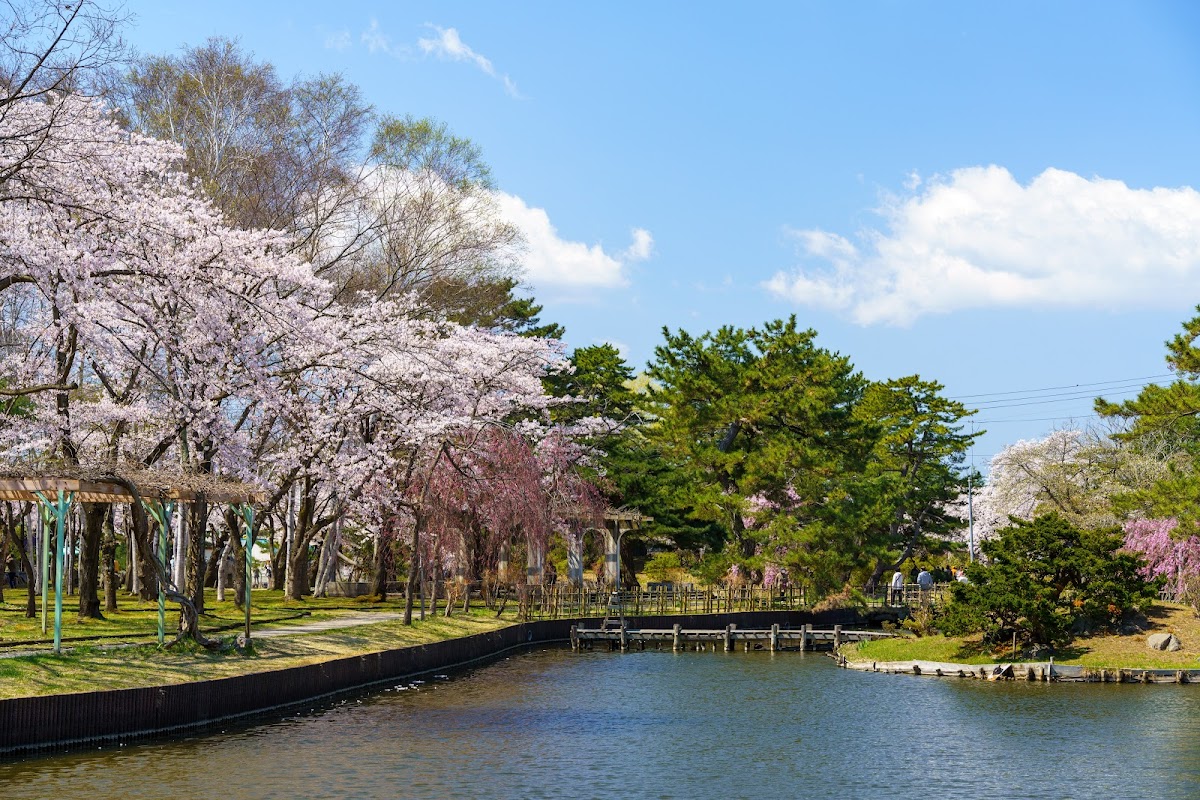
Aomori Prefecture has many other cherry blossom destinations worthy of visiting beyond the world’s greatest cherry blossom avenue. Centering on the Hirosaki area, here are cherry blossom spots you should definitely visit.
Hirosaki Park (Takaakidake Park)
Known as one of Japan’s three greatest cherry blossom destinations, Hirosaki Park is Aomori Prefecture’s most famous cherry blossom location. About 2,600 cherry trees bloom in splendor, and the collaboration of Hirosaki Castle with cherry blossoms is spectacular.
Highlights of Hirosaki Park
- Castle tower and cherry blossoms in harmony
- Nighttime illumination (during Hirosaki Cherry Blossom Festival period)
- A spectacular scene at the end of bloom season: “flower raft (hanaiktada)”
- Cherry blossom tunnel
Hirosaki Park’s cherry blossoms feature mainly Somei Yoshino, with many varieties including weeping cherry and double-flowered cherry. Particularly notable is the flower raft, where fallen petals fill the moat’s water surface—a fantastical sight unique to Hirosaki Park’s beauty lasting through the falling season.
Hirosaki Park is about 30 minutes by car from the world’s greatest cherry blossom avenue, making it possible to visit both in a single day.
Ashino Park (Prefectural Ashino Park)
Located in Goshogawara City, Ashino Park is a cherry blossom destination selected as one of “Japan’s 100 Famous Cherry Blossom Sites.” About 1,500 cherry trees bloom, and the scene of lakeside cherry blossoms combined with the Tsugaru Railway train is a landscape full of Northeastern Japan charm.
Characteristics of Ashino Park
- Beautiful cherry blossoms reflected in the lake
- Collaboration of Tsugaru Railway and cherry blossoms
- Spacious grounds allowing leisurely flower viewing
Mito Castle Ruins Yamashiro Park
Located in Mito Town in Aomori’s southern region, Mito Castle Ruins Yamashiro Park is a popular cherry blossom destination in southern Aomori. About 1,600 cherry trees bloom, allowing enjoyment of both castle ruins and cherry blossoms.
Charm of Mito Castle Ruins Yamashiro Park
- Castle ruins views combined with cherry blossoms
- Mito Cherry Blossom Festival held
- Enjoying both history and cherry blossoms simultaneously
Cherry Blossoms at Lake Ogawara Shore
Around 2,000 cherry trees are planted at Lake Ogawara shore in Tohoku Town, cherished as the “Lake Ogawara Shore Thousand Cherry Trees.” The cherry blossoms blooming at the lakeside and their reflection on the water are beautiful, recommended for those wishing quiet flower viewing.
Tourist Attractions Near the World’s Greatest Cherry Blossom Avenue
Visiting nearby tourist attractions when viewing the cherry blossom avenue creates a more enriching Aomori trip.
Mount Iwaki Shrine
Affectionately called “O-Iwaki-sama” by locals, Mount Iwaki Shrine is a historic shrine with over 1,200 years of history. Located in the Momosawa district, the starting point of the cherry blossom avenue, you can combine shrine visits with cherry blossom viewing.
The contrast between the solemn shrine buildings and cherry blossoms is impressive and it’s also popular as a power spot.
Mount Iwaki
Also called “Tsugaru Fuji,” Mount Iwaki is Aomori Prefecture’s representative mountain with an elevation of 1,625 meters. During cherry blossom season, remaining snow near the mountain top offers beautiful contrast with the blossoms.
You can enjoy mountaineering and hiking, and the summit offers panoramic views of the Tsugaru Plain and the Japan Sea.
Dake Hot Spring
Located at the endpoint of the cherry blossom avenue, Dake Hot Spring is a hot spring resort with approximately 400 years of history. Known for highly acidic hot springs believed to have beautiful skin effects.
The plan to relax in hot springs after cherry blossom viewing is a standard spring Aomori travel course.
Tsugaru Iwaki Sky Line
A toll road extending to the 8th station of Mount Iwaki, approximately 9.8 kilometers long, featuring 69 curves—a mountain driving course. The post-cherry blossom fresh greenery season is also beautiful, and the views from the 8th station are spectacular.
Precautions and Etiquette When Visiting the World’s Greatest Cherry Blossom Avenue
To preserve these beautiful cherry blossoms for future generations, please observe the following points during your visit.
Treasure the Cherry Trees
- Do not break cherry tree branches
- Do not climb tree trunks
- Do not step on root bases
- Take all trash with you
These cherry trees have been carefully nurtured by residents. Please view them with proper etiquette.
Exercise Traffic Safety
The cherry blossom avenue lies along a prefectural road with vehicle traffic.
- Avoid roadside parking
- Be cautious of traffic while photographing
- Avoid distracted driving
- Pedestrians should walk along the roadside
Dealing with Peak Season Congestion
Peak viewing period (around Golden Week) is expected to be crowded.
- Early morning or weekday visits are recommended
- Arrive early to avoid parking congestion
- Consider using public transportation
Model Courses to Maximize Enjoyment of Aomori’s Cherry Blossoms
Here are model courses for efficiently touring Aomori’s cherry blossom destinations.
1-Day Course: Hirosaki Area Intensive Plan
Morning
- 8:00 Early cherry blossom viewing at Hirosaki Park (recommended before crowds arrive)
- 10:00 Light meal and rest in Hirosaki city center
Afternoon
- 12:00 Head to the world’s greatest cherry blossom avenue
- 12:30 Begin scenic drive through cherry blossoms from Momosawa district
- 13:30 Photography at Karekidaira Observation Point
- 14:30 Day-use bathing at Dake Hot Spring
- 16:00 Return to Hirosaki city center
2-Day Course: Aomori Prefecture Cherry Blossom Tour Plan
Day 1
- Morning: Hirosaki Park
- Afternoon: World’s greatest cherry blossom avenue
- Overnight: Dake Hot Spring or Hirosaki city center
Day 2
- Morning: Ashino Park (Goshogawara City)
- Afternoon: Lake Ogawara Shore cherry blossoms or Mito Castle Ruins Yamashiro Park
Photography Techniques for the World’s Greatest Cherry Blossom Avenue
Here are tips for capturing photographs of the beautiful cherry blossom avenue.
Recommended Photography Times
- Early morning (6:00-8:00): Soft morning light and cherry blossoms with few people
- Morning (9:00-11:00): Front lighting makes cherry blossom colors vivid
- Evening (16:00-18:00): Sunset-lit cherry blossoms are ethereal
Composition Points
- Include Mount Iwaki as a backdrop
- Utilize the depth of the cherry blossom avenue
- Use the curve of the prefectural road for composition
- Emphasize the dark pink of Oyama cherry blossoms
Useful Equipment to Bring
- Wide-angle lens (express the spread of the cherry blossom avenue)
- Telephoto lens (compression effect of Mount Iwaki and cherry blossoms)
- Tripod (for morning and evening photography)
- PL filter (emphasize sky blue)
Summary: Experience Aomori Spring at Its Best at the World’s Greatest Cherry Blossom Avenue
The “World’s Greatest Cherry Blossom Avenue” in Hirosaki City, Aomori Prefecture, features about 6,500 Oyama cherry trees planted by local residents, blooming spectacularly across approximately 20 kilometers—one of Japan’s finest cherry blossom destinations. The collaboration of dark pink Oyama cherry blossoms and the majestic Mount Iwaki creates a landscape found nowhere else.
Peak viewing is late April through early May, with the ability to enjoy extended periods due to elevation differences being one of the main attractions. By visiting other Aomori cherry blossom destinations such as Hirosaki Park and Ashino Park in combination, your cherry blossom trip becomes even more fulfilling.
Enjoy the cherry blossom avenue that citizens have carefully nurtured with proper etiquette, and fully savor Aomori spring. The world’s greatest cherry blossom avenue will surely become a special memory that remains in your heart.