Complete Guide to Akayamizu Hot Spring and Yamagata Prefecture’s Cherry Blossom Spots 2026 Edition|From Eboshiyama Senbon Sakura to Okitama Sakura Corridor
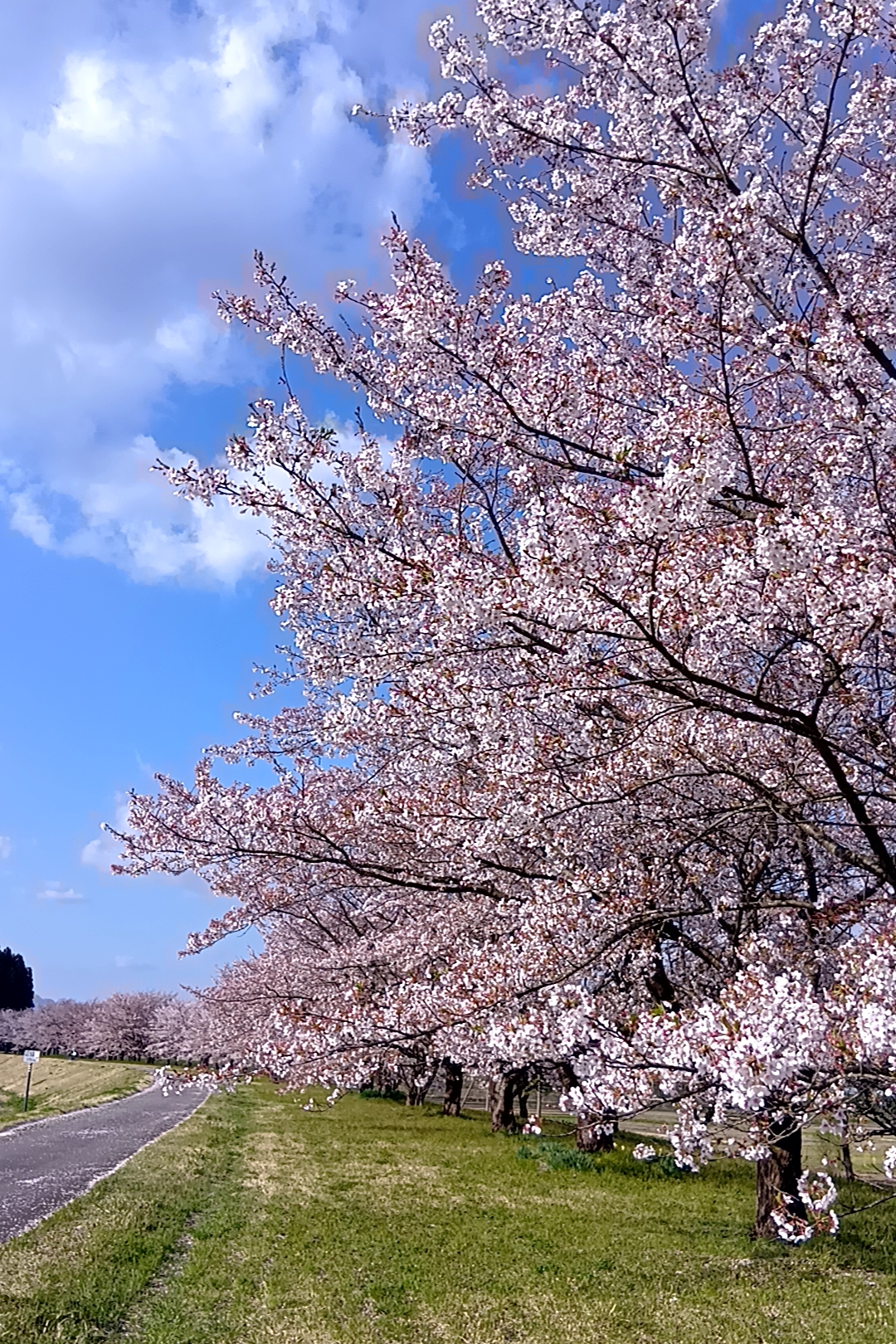
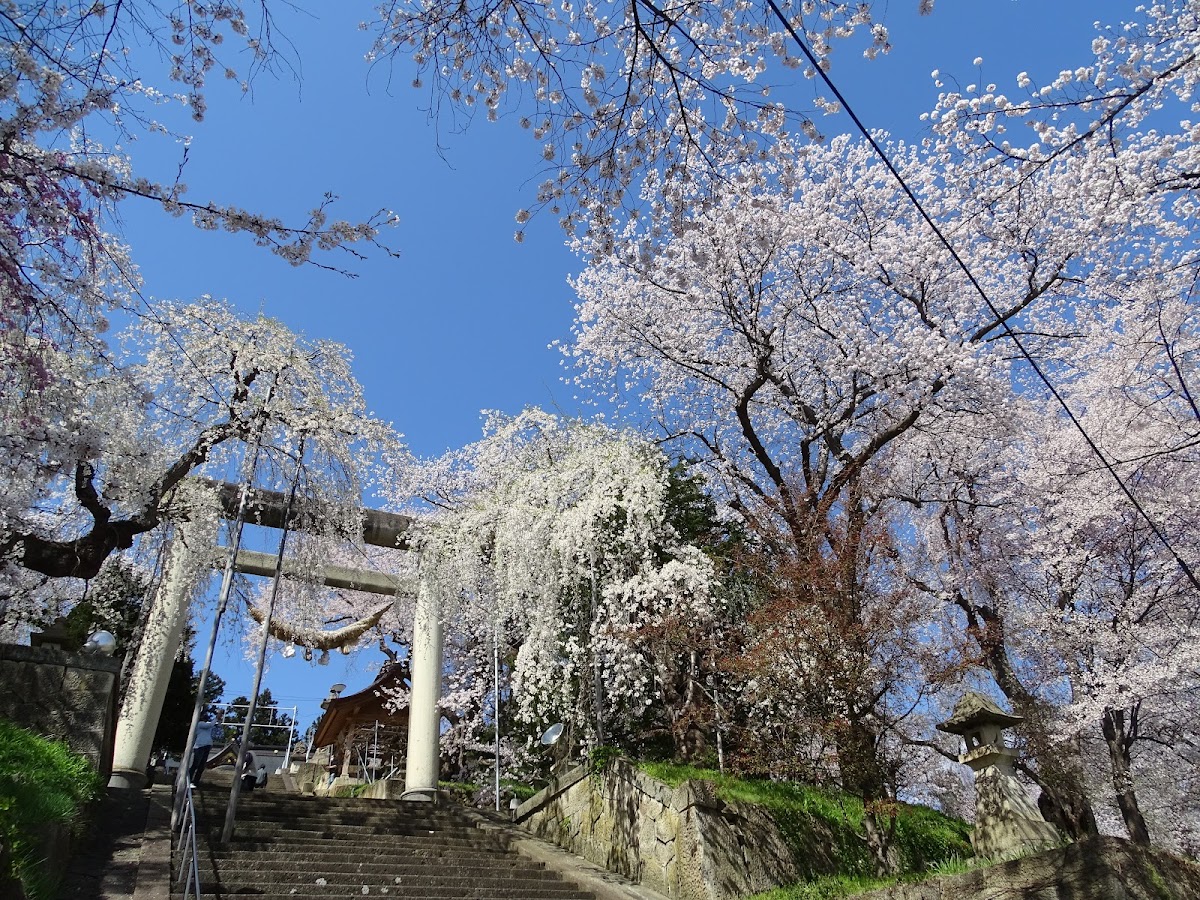
Akayamizu Hot Spring in Nanyo City, Yamagata Prefecture, is known as an ancient hot spring with a history of over 900 years. When spring arrives, the area around the hot spring town becomes crowded with many tourists as a famous cherry blossom destination. In particular, Eboshiyama Park, beloved as “Eboshiyama Senbon Sakura,” is a representative flower-viewing spot in Yamagata Prefecture, selected as one of Japan’s Top 100 Cherry Blossom Viewing Spots.
This article provides detailed information useful for the 2026 cherry blossom season, including cherry blossom viewing spots within walking distance from Akayamizu Hot Spring in yukata robes, popular flower-viewing spots throughout Yamagata Prefecture, peak viewing times, access methods, and ways to enjoy them.
The Charm of Akayamizu Hot Spring and Eboshiyama Park
History and Characteristics of Akayamizu Hot Spring
Akayamizu Hot Spring is a historic hot spring that has continued since the Heian period, with a legend that it was discovered by Yoshitsuna, the brother of Minamoto no Yoshiie. The spring quality is sodium-calcium chloride hot spring, said to be effective for neuralgia, muscle pain, and fatigue recovery.
About 10 accommodations ranging from long-established inns to modern hotels gather in the hot spring town, with traditional inn-like buildings and public bathhouses remaining, conveying the rustic hot spring atmosphere to the present day. In recent years, day-trip bathing facilities have also become more abundant, with an environment where tourists can easily stop by.
Overview of Eboshiyama Park “Eboshiyama Senbon Sakura”
Eboshiyama Park is located on a small hill overlooking the Akayamizu hot spring town, with approximately 25 varieties and 1,000 cherry trees planted—one of Yamagata Prefecture’s premier cherry blossom destinations. Selected as one of Japan’s Top 100 Cherry Blossom Viewing Spots in 1992, it has received high acclaim nationwide.
The park’s greatest feature is that it is a large-scale habitat of Edohiganzakura, a variety that is rare even on a global scale. The cherry blossom arcade created by approximately 160 Edohiganzakura trees is breathtakingly beautiful, with diverse varieties such as Somei Yoshino, Shidare Sakura, and Yaezakura blooming at different times.
Cherry Blossom Strolling in Yukata from the Hot Spring Town
One of the major attractions of Eboshiyama Park is its excellent accessibility—about a 10-minute walk from the Akayamizu hot spring town. Lodging guests can stroll in yukata robes wearing wooden sandals, allowing for the luxurious experience of enjoying both hot spring atmosphere and flower viewing simultaneously.
The path from the hot spring town to the park is also lined with cherry trees, and at dusk, the cherry blossoms are illuminated by lantern light, creating a fantastic atmosphere. You can enjoy flower viewing at the park during the day, warm your body in the hot spring in the evening, and appreciate night cherry blossoms and illuminations at night—a cherry blossom-filled plan throughout the day is possible.
Cherry Blossom Highlights of Eboshiyama Park
Edohiganzakura Grove
What makes Eboshiyama Park special is the grove of approximately 160 Edohiganzakura trees. Edohiganzakura is a representative variety of Japan’s wild cherry trees, blooming earlier than Somei Yoshino, with pale pink flowers as its characteristic.
Such a large-scale Edohiganzakura grove is rare even globally, with many ancient trees over 100 years old included. At full bloom, pale pink flowers cover the entire mountain, creating a landscape like a cherry blossom cloud sea. Edohiganzakura has a long lifespan and strong vigor, so it will continue to display beautiful blossoms for years to come.
Collection of “Second Generation” Trees from Nationally Famous Cherries
About 30 “second generation” trees—propagated from grafting or seeds of famous cherry trees nationwide—are planted in Eboshiyama Park. This is a rare undertaking nationally, making it a precious spot where famous cherry trees from various regions can be viewed in one place.
Second-generation descendants of Japan’s Three Great Cherry Trees are collected here, including the “Miharu Takizakura” from Miharu Town, Fukushima Prefecture, the “Usuzumi Sakura” from Neogitani, Gifu Prefecture, and the “Jinaidai Sakura” from Yamanashi Prefecture. Information plaques describing the origins of each cherry tree are placed, allowing visitors to learn about the history and characteristics of cherries from various regions while strolling.
Long-term Enjoyment Through Diverse Cherry Varieties
Eboshiyama Park is planted with approximately 25 cherry varieties, allowing cherry blossoms to be enjoyed for an extended period due to their different blooming times.
The earliest to bloom is Edohiganzakura, typically reaching peak bloom from early to mid-April. Following are Somei Yoshino blooming at mid-April, then Shidare Sakura and Yaezakura. Late-blooming varieties can be enjoyed until late April, allowing appreciation of various cherry tree appearances for about one month.
The differences in color and shape of flowers by variety are also highlights, with gradations from pale pink to dark pink to near-white, creating a cherry landscape that captivates visitors.
Cherry Blossom Arcade and Strolling Paths
Well-maintained walking paths crisscross the park, allowing visitors to walk through a “cherry blossom arcade” tunnel. The experience of walking amid cherry blossoms cascading from overhead branches creates the sensation of strolling through cherry blossom snow.
The paths are gently sloped and designed to be accessible for elderly visitors and families with small children. Numerous benches are placed throughout for resting while viewing the cherries.
An observation platform offers views of the Akayamizu hot spring town and the Okitama basin below, with the panoramic sight of cherry blossoms and townscape creating breathtaking beauty. The view of cherry blossoms illuminated by sunrise or sunset with the basin landscape is particularly popular as a photography spot.
2026 Akayamizu Hot Spring Cherry Blossom Festival
Festival Period and Main Events
The 2026 “Akayamizu Hot Spring Cherry Blossom Festival” is scheduled to be held from early April to late April as in previous years. For fiscal year 2026, it will run from April 4 to April 30, approximately one month, with various events planned centered on Eboshiyama Park.
During the period, sales booths for local specialty items will be set up, allowing visitors to enjoy seasonal delicacies such as Yamagata’s famous tamakonnyaku, imoni, and sakura mochi. Local traditional arts performances and music events will be held on weekends, providing opportunities to experience regional culture alongside flower viewing.
Illumination and Night Cherry Blossom Viewing
Throughout the cherry blossom festival period, Eboshiyama Park is illuminated daily from around 6 PM to 10 PM. About 300 lanterns and spotlights create a completely different fantastic nighttime cherry world compared to daytime.
The illuminated ancient Edohiganzakura trees are particularly magnificent, with pale pink flowers emerging from darkness in awe-inspiring beauty. Combined with the lights of the hot spring town, cherry blossom viewing infused with hot spring atmosphere can be enjoyed.
After night cherry blossom viewing, you can warm your body slowly in the hot spring—a charm unique to Akayamizu Hot Spring. Many inns allow bathing late into the evening, warming your body chilled by cool flower-viewing temperatures from its core.
Peak Viewing Time and How to Check Blooming Information
The peak bloom time for Eboshiyama Park’s cherry trees is typically from mid to late April. However, due to yearly climate variations, it may shift earlier or later, so checking the latest blooming information before visiting is recommended.
The Nanyo City Tourism Association’s official website provides regularly updated blooming status. Additionally, cherry blossom prediction sites such as Weather News also carry information about Eboshiyama Park, with detailed blooming stages from buds, 30% bloom, 50% bloom, full bloom, and early scatter.
For full bloom timing, approximately one week after the bloom declaration is the target. However, early scatter’s cherry blossom snow is also atmospheric, and the carpet of fallen petals covering the ground is equally beautiful—any time provides enjoyable viewing.
Okitama Sakura Corridor|Cherry Blossom Tour Starting from Akayamizu Hot Spring
What is the Okitama Sakura Corridor
The Okitama Sakura Corridor is a approximately 43km cherry blossom boulevard stretching from Akayamizu Hot Spring toward Nagai City and Shirataka Town, where ancient cherry trees with ages of 500 to 1,200 years and cherry-lined avenues are scattered. This is an area with particularly concentrated famous cherry specimens within Yamagata Prefecture, popular as a luxurious cherry blossom drive course visiting single cherry trees and famous viewing spots.
From this region’s rich natural environment and historical background, cherries have long been carefully preserved. Through residents’ preservation efforts, centuries-old giant trees continue to bloom vibrantly.
Main Spot: Isasawa no Kubo Zakura
The representative cherry of the Okitama Sakura Corridor is the “Isasawa no Kubo Zakura” in Nagai City. This Edohiganzakura, designated as a National Natural Monument, is said to be approximately 1,200 years old, one of Japan’s finest ancient cherry trees.
This giant tree has a trunk circumference of approximately 9.2 meters and height of approximately 13 meters. At full bloom, pale pink flowers overwhelm the sky in spectacular fashion. The tree remains vigorous, and locals affectionately call it the “Kubo Sakura.” Peak bloom is typically from mid to late April, with nighttime illuminations provided.
Main Spot: Kusaoka’s Daimyojin Zakura
The “Kusaoka’s Daimyojin Zakura” in Shirataka Town is also an ancient cherry estimated at approximately 1,200 years old, designated as a Prefectural Natural Monument. This giant Edohiganzakura has a trunk circumference of approximately 8 meters and height of approximately 11 meters.
Standing alone amid farmland creates a beauty of solitary dignity, and when rice paddies are filled with water, the reflected cherry in the water mirror can also be enjoyed. Locally revered as a sacred tree for praying for good harvests, many people visit annually for prayer.
Main Spot: Futsumatsu Park’s Choyozakura
“Choyozakura” (Chōyō Sakura) in Futsumatsu Park in Nanyo City is an Edohiganzakura with an estimated age of approximately 1,000 years, designated as a Municipal Natural Monument. Located on the high ground of the park, at full bloom it becomes a stunning viewpoint overlooking the Okitama basin.
The name Choyozakura derives from the beautiful morning sun viewed from this location. The landscape woven by cherry blossoms, morning sun, and the expansive view of the basin below is also popular with photography enthusiasts.
How to Tour the Sakura Corridor
For an efficient tour of the Okitama Sakura Corridor, traveling by car from Akayamizu Hot Spring as the starting point is recommended. With a rental car or personal vehicle, you can visit each spot at your own pace.
An efficient model route is: Akayamizu Hot Spring (Eboshiyama Park) → Futsumatsu Park → Isasawa no Kubo Zakura → Kusaoka’s Daimyojin Zakura. Travel time between each spot is approximately 15-30 minutes, allowing leisurely touring over a half day to full day.
Parking lots are developed around each famous tree and guide signs are posted, making navigation easy even for first-time visitors. Local volunteers may staff information booths during blooming periods.
Ranking of Popular Cherry Blossom Spots in Yamagata Prefecture
1st Place: Eboshiyama Park (Nanyo City)
As mentioned earlier, Eboshiyama Park is Yamagata Prefecture’s most popular cherry blossom viewing spot. Its selection as one of Japan’s Top 100 Cherry Blossom Viewing Spots, approximately 1,000 cherry trees, the rarity of Edohiganzakura groves, and combination with Akayamizu Hot Spring provide comprehensive appeal, consistently ranking at the top.
Good accessibility is also a popularity factor—approximately 25 minutes walk from JR Akayamizu Station or approximately 5 minutes by car—the location is easily accessible for both prefectural and non-prefectural tourists. Parking accommodates about 500 vehicles, with additional temporary parking opened during festival periods.
2nd Place: Kasajo Park (Yamagata City)
Kasajo Park in Yamagata City’s center is an urban park developed from Yamagata Castle ruins, with approximately 1,500 cherry trees planted. The cherry blossoms reflected on the moat’s water surface are particularly fantastic, popular as “water-mirror cherries.”
Peak bloom is typically from mid to late April, with approximately 1,200 lanterns providing illumination during festival periods. The landscape woven by night cherry blossoms, stone walls, and moat creates castle-town ambiance unique to Yamagata. Excellent accessibility—approximately 10 minutes walk from Yamagata Station—is also an attraction.
3rd Place: Tsuruoka Park (Tsuruoka City)
Tsuruoka Park is the representative cherry blossom viewing spot for the Shonai region. Developed on Tsurugaoka Castle ruins, the park has approximately 730 cherry trees centered on Somei Yoshino. Selected as one of Japan’s Top 100 Cherry Blossom Viewing Spots, it is known as Yamagata Prefecture’s premier cherry viewing location.
Cherry tree rows encircling the moat are beautiful, with full-bloom creating a cherry blossom tunnel. Nighttime illuminations with approximately 300 lanterns create fantastic reflected night cherries in the moat. Peak bloom is typically from mid to late April.
4th Place: Tendo Park and Maizuru Mountain (Tendo City)
Maizuru Mountain (Tendo Park) in Tendo City, famous for shogi piece production, is one of the prefecture’s largest cherry blossom sites with approximately 2,000 cherry trees. The landscape with the entire mountain dyed cherry pink is spectacular, and from the summit, Tendo City and Gassan and Asahi mountain ranges are visible.
The Tendo Cherry Blossom Festival, known for “human chess,” is held late April annually, allowing viewers to watch armored warriors in combat on giant chessboards beneath cherry blossoms. About 2,000 lanterns provide nighttime illumination for night cherry viewing.
5th Place: Matsugaoka Park (Yonezawa City)
Matsugaoka Park, developed on Yonezawa Castle ruins, is a historically atmospheric cherry blossom spot with approximately 200 cherry trees. Cherry tree rows along the moat surrounding Uesugi Shrine are beautiful, creating a unique atmosphere combining samurai history with cherry blossoms.
Peak bloom is typically from mid to late April, with cherry festival held prior to the Uesugi Festival (early May). Nighttime illumination creates fantastic night cherries reflected in the moat with the Uesugi Shrine lights. Accessibility is good—approximately 30 minutes walk from Yonezawa Station or approximately 10 minutes by bus.
Access to Akayamizu Hot Spring and Surrounding Information
Train Access
From the Tokyo area, Yamagata Shinkansen “Tsubase” reaches JR Akayamizu Station in approximately 2 hours 30 minutes. From Akayamizu Station to Eboshiyama Park is approximately 25 minutes walk or approximately 5 minutes by taxi. Shuttle buses may operate from station to park during festival periods.
From the Sendai area, JR Senzan Line to Yamagata Station, then transfer to Yamagata Shinkansen or Ou Main Line to Akayamizu Station. Travel time is approximately 1.5 to 2 hours.
From the Niigata area, JR Yoneshiro Line to Yonezawa Station, then Ou Main Line to Akayamizu Station. Alternatively, high-speed bus to Yamagata City, then Yamagata Shinkansen to Akayamizu Station.
Car Access
From the Tokyo area, take the Tohoku Expressway, exit at Fukushima Asaka IC, then head north on Route 13 for approximately 50 minutes. Alternatively, take the Tohoku Central Expressway and exit at Nanyo Takahata IC for approximately 10 minutes to Akayamizu Hot Spring.
From the Sendai area, take the Tohoku Expressway to Murata JCT, then enter Yamagata Expressway, exit at Yamagata Kaminoyama IC, head south on Route 13 for approximately 40 minutes.
From the Niigata area, take the Sea of Japan Tohoku Expressway, exit at Arakawa Taiji IC, travel via Route 113 for approximately 1 hour 30 minutes.
Eboshiyama Park has parking for approximately 500 vehicles, with additional temporary parking opened during festival periods. However, the best-bloom weekend may experience parking lot traffic, so early arrival is recommended.
Lodging Selection
Akayamizu Hot Spring offers various accommodation types. Long-established inns provide traditional Japanese atmosphere and attentive service, while modern hotels offer comfortable amenities and service.
Reservations book quickly during cherry season, with 2-3 months advance booking recommended. Particularly, the weekend near predicted full bloom peak is highly popular, requiring early reservation.
Many accommodations offer special plans during festival periods, including flower-viewing box lunches and night cherry tours. For thoroughly enjoying hot springs and cherry blossoms, 1-2 nights or longer are recommended.
Day-Trip Hot Spring Facilities
Without overnight lodging, day-trip bathing can be used. “Akayamizu Onsen Yu-Kotto” is a day-trip-only hot spring facility with large public bath, outdoor bath, and sauna. The rate is an affordable 450 yen for adults, allowing easy stops after flower viewing.
Additionally, many inns accept day-trip bathing (advance confirmation needed). Rates are approximately 500 to 1,000 yen, allowing enjoyment of hot springs while experiencing inn atmosphere.
Surrounding Tourism Spots
Beyond cherry blossoms, surrounding areas offer attractive tourism spots. “Kumano Taisha” is a prestigious shrine called Tohoku’s Ise, also popular as a power spot for matchmaking. It is approximately 15 minutes by car from Akayamizu Hot Spring.
“Nanyo City Grape and Matsutake Garden” allows grape picking and matsutake cuisine enjoyment in autumn. Additionally, historic townscape remains around “Miyauchi Kumano Taisha,” ideal for strolling.
Winery tours are also popular, with several wineries approximately 20 minutes by car from Nanyo City in Takahata Town offering tasting and tours.
Best Photography Spots and Cherry Blossom Shooting Tips
Photography Points in Eboshiyama Park
The most popular photography spot in Eboshiyama Park is the observation platform angle overlooking Akayamizu hot spring town. The panoramic cherry blossoms, hot spring town, and background of the Okitama basin fit in a single photograph, creating postcard-like composition.
Sunrise time (around 6 AM) features morning mist-wrapped basin and cherries in fantastic atmosphere. Also, dusk time (around 5:30 PM) shows sunset-illuminated cherries glowing orange, creating warm photographs.
Close-up shooting of ancient Edohiganzakura trees is also recommended, with beautiful contrast between bark texture and pale pink flowers, conveying the long history.
Nighttime Cherry Blossom Photography Tips
Tripods are essential for night cherry shooting. Slower shutter speeds capturing more light beautifully express lantern warmth and soft cherry colors.
ISO 800-1600 is recommended with aperture around F5.6-F8. Setting white balance to “incandescent light” mode naturally expresses lantern warm tones.
In crowded areas, long-exposure techniques erasing people are effective. 30-second to 1-minute exposure creates fantastic photographs with only cherry blossoms and lanterns emerging.
Photography in Okitama Sakura Corridor
When photographing single cherries, including surrounding landscape emphasizes cherry grandeur. Isasawa no Kubo Zakura and Kusaoka’s Daimyojin Zakura standing amid farmland create impressive scale when captured with wide-angle lenses including surrounding paddies and mountains.
Early morning photography is also recommended, with ancient trees floating in morning mist creating mysterious atmosphere. Additionally, when paddies are water-filled (late April), “inverted cherries” reflected in water mirrors can be photographed.
Crowd Conditions During Cherry Season and Countermeasures
Peak Congestion Periods
Eboshiyama Park’s peak congestion is the first weekend after full-bloom announcement. Particularly Saturday from 10 AM to 3 PM may experience parking lot traffic.
Weekdays are relatively empty, allowing leisurely cherry appreciation. Additionally, early morning (6-8 AM) and evenings (5 PM onward) have fewer crowds, enabling calm photography and strolling.
Parking Strategies
For weekend/peak-season visits by car, aiming to arrive by 8 AM increases parking availability. Alternatively, parking in Akayamizu Station area and walking or taking taxi to park is an option.
During festival periods, temporary parking also opens, though may be located slightly distant from park. Shuttle bus availability is another method if provided.
Accommodation Reservation Timing
Akayamizu Hot Spring accommodations begin filling 2-3 months before cherry season. Particularly popular inns or weekends near peak-bloom prediction often book fully 3 months ahead.
Early reservation based on typical bloom periods (mid-April) is recommended even before bloom predictions announce. Many accommodations flexibly accommodate schedule changes based on blooming conditions.
Model Plans for Enjoying Cherry Blossoms and Hot Springs
Day-Trip Plan
9 AM: Arrival at Akayamizu Station
Rent a bicycle at the station or walk to Eboshiyama Park.
9:30 AM-12 PM: Eboshiyama Park Strolling
Tour Edohiganzakura groves, second-generation tree collections, observation platforms, enjoying photography and flower viewing.
12 PM-1 PM: Lunch
Enjoy light food from park vendors or return to hot spring town for local cuisine.
1:30 PM-3 PM: Day-Trip Hot Spring
Use “Yu-Kotto” or inn day-trip bathing, relieving flower-viewing fatigue.
3:30 PM-5 PM: Okitama Sakura Corridor (Futsumatsu Park)
If time allows, visit Futsumatsu Park’s Choyozakura by car.
5:30 PM: Depart Akayamizu Station
1-Night, 2-Day Plan
Day 1
2 PM: Arrival at Akayamizu Hot Spring/Check-in
Leave luggage at accommodation, change into yukata.
3 PM-5 PM: Eboshiyama Park Strolling
Walk to park from hot spring town in yukata. Enjoy twilight cherry blossoms.
5:30 PM-6:30 PM: Hot Spring Bathing
Return to inn, relax in hot spring before dinner.
7 PM-8:30 PM: Dinner
Enjoy kaiseki cuisine using Yamagata seasonal ingredients.
9 PM-10 PM: Night Cherry Blossom Illumination Viewing
Return to park in yukata again. Enjoy fantastic night cherries.
Day 2
6 AM-7 AM: Early Morning Stroll
Photograph cherries in morning mist. Enjoy quiet hours with fewer people.
7:30 AM-8:30 AM: Breakfast
Enjoy Japanese breakfast at inn.
9 AM-10 AM: Hot Spring Bathing/Check-out
Enjoy hot spring once more before departure.
10:30 AM-2 PM: Okitama Sakura Corridor Tour
Visit Isasawa no Kubo Zakura and Kusaoka’s Daimyojin Zakura by car.
3 PM: Depart Akayamizu Hot Spring
2-Night, 3-Day Plan
With two nights, leisurely touring the Okitama Sakura Corridor is possible, including visiting Matsugaoka Park in Yonezawa City and Nagai City tourism. Additionally, flexible scheduling accommodating weather—spending rainy days relaxing in hot springs while cherry touring on clear days—becomes possible.
Practical Information for Enjoying Akayamizu Hot Spring’s Cherry Blossoms
Clothing and Belongings
April in Yamagata Prefecture retains cool mornings and evenings, making layered clothing recommended. Daytime temperatures reach 15-20 degrees Celsius, but mornings and evenings may drop to 5-10 degrees.
Night cherry viewing requires jackets or cardigans as wraps. Even when departing inns in yukata, bring wraps or outerwear.
Comfortable walking shoes are also important. Park paths include paved sections but also soil areas, making sneakers or walking shoes appropriate.
Useful belongings include cameras, spare batteries, picnic sheets (for flower viewing), sunscreen, hats, and drinks.
Food and Gourmet Information
Akayamizu hot spring areas offer Yamagata regional cuisine. “Akayama Karami-Miso Ramen” is a local specialty, with spicy miso-flavored unique ramen. Multiple ramen shops in the hot spring town allow comparison tasting.
“Yonezawa Beef” is also unmissable. About 20 minutes by car from Akayamizu toward Yonezawa City, many restaurants serve Yonezawa beef. Sukiyaki, steak, grilled meat—various styles showcase this premium beef.
Spring mountain vegetable cuisine is also appealing, with featured vegetables like kogomi, urui, and tara-no-me. Many inns incorporate seasonal mountain vegetables in kaiseki courses.
During festival periods, park vendors sell light foods including tamakonnyaku, imoni, and sakura mochi. Enjoying local gourmet while flower viewing is enjoyable.
Barrier-Free Information
Eboshiyama Park’s main strolling paths are paved, accessible for wheelchairs. However, some steep sections exist, making companion assistance preferable.
Accessible parking and multi-purpose restrooms are provided near park entrance. Observatory access includes stairs, though alternative gentle sloped routes also provide access.
More Akayamizu hot spring accommodations now offer barrier-free guest rooms. Confirming wheelchair accommodation and step information at booking is recommended.
Pet Accompaniment
Eboshiyama Park permits pet accompaniment with required leash use. During festival periods, crowds make non-small-dogs inadvisable. Owners must handle waste cleanup.
Akayamizu hot spring accommodations permitting pets are limited. Prior confirmation and reservation are necessary. Pet-permitting accommodations typically provide dedicated rooms or cages.
Summary: Fully Enjoy Akayamizu Hot Spring and Yamagata Prefecture’s Cherry Blossoms
Akayamizu Hot Spring and Eboshiyama Park’s cherry blossoms provide one of Japan’s premier opportunities to enjoy hot springs and flower viewing simultaneously. The combination of approximately 1,000 cherry trees selected as Japan’s Top 100 Cherry Blossom Spots, the globally-rare Edohiganzakura grove, and hot springs with 900+ years of history provides an incomparable luxurious experience.
Touring the Okitama Sakura Corridor offers meetings with ancient cherries over 1,000 years old, allowing appreciation of cherry history and culture depth. Yamagata Prefecture features other appealing cherry spots including Kasajo Park, Tsuruoka Park, and Tendo Park, each with distinct charm.
Peak bloom for 2026 cherry season is early to late April. Early accommodation reservations, latest blooming information confirmation, and flexible scheduling accommodating weather realize optimal cherry experiences.
Luxurious spring travel awaits at Akayamizu Hot Spring and Yamagata Prefecture’s famous cherry sites—relaxing in hot springs while appreciating cherry blossoms, savoring local gourmet, and contemplating ancient cherries with historical significance.