Kokuei Sanuki Manno Park Cherry Blossom Guide 2025 | Complete Strategy for Kagawa Prefecture’s Premier Flower-Viewing Spot
Located in Manno Town, Nakado District, Kagawa Prefecture, Kokuei Sanuki Manno Park is Shikoku’s only national park, spreading across the shores of the scenic Manno Pond. Boasting a vast area of 350 hectares, it is known as a leading tourist destination in Kagawa Prefecture where seasonal flowers can be enjoyed year-round.
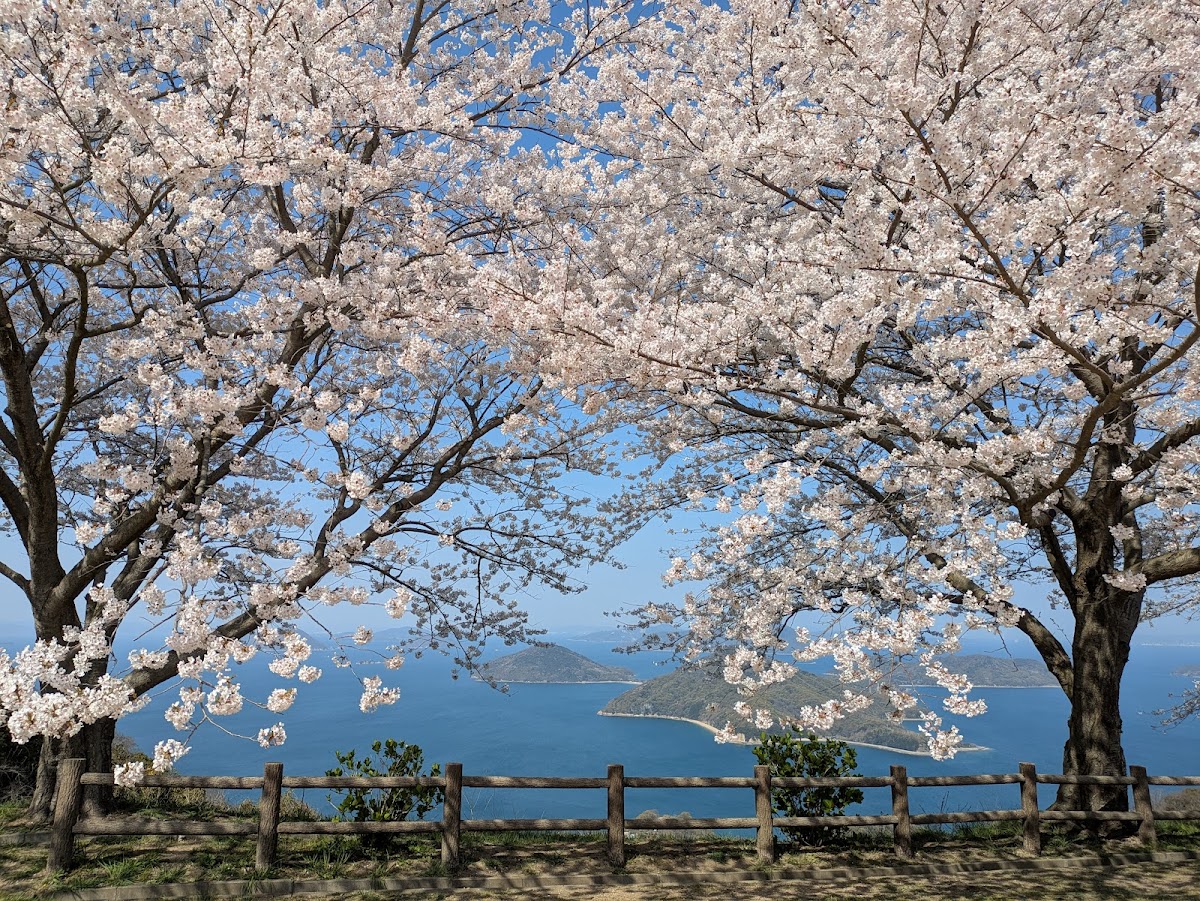
Particularly during the spring cherry blossom season, approximately 2,000 cherry trees bloom throughout the park, attracting flower-viewing visitors from within and outside the prefecture. Centered on Somei Yoshino, with diverse varieties planted including Yamazakura, Shidare Zakura, and Yaezakura, they bloom gradually from mid-March to early April, making it a major attraction to enjoy cherry blossoms over an extended period.
Kokuei Sanuki Manno Park | The Charm of Shikoku’s Only National Park
Kokuei Sanuki Manno Park opened in 1998 as Shikoku’s only national park. Located on the west side of Manno Pond, Japan’s largest irrigation reservoir, it is a comprehensive leisure facility developed with the theme of coexistence with nature, offering diverse facilities that can be enjoyed all day by both children and adults.
The park is divided into three main areas: “Ryuto no Sato,” “Ryuto no Mori,” and “Natural Ecology Garden.” The Ryuto no Sato area features large play equipment, grassland squares, and flower fields, while the Ryuto no Mori area allows visitors to experience satoyama nature. The Natural Ecology Garden preserves the environment of traditional satoyama, offering seasonal nature observation opportunities.
Various events are held throughout the year, including “Haru Ranman Festa” in spring, hydrangeas and sunflowers in summer, cosmos and kochia in autumn, and “Winter Fantasy,” Shikoku’s largest-scale illumination, in winter.
Cherry Blossom Viewing Spots | Comprehensive Guide to Sakura Locations in the Park
Hiryuu no Hanami-michi | Main Cherry Blossom Promenade
The greatest highlight of cherry blossoms at Kokuei Sanuki Manno Park is “Hiryuu no Hanami-michi.” This approximately 400-meter cherry tree-lined path extending from the North Gate features about 200 Somei Yoshino cherry trees, creating a cherry blossom tunnel when in full bloom.
The arch-shaped landscape created by branches extending from both sides is spectacular, offering a fantastical experience as if walking under a cherry blossom canopy. The pink cherry blossoms against a blue sky, and the falling petals as they scatter, captivate all who visit.
Grassland Square Area | Ideal for Picnicking
Numerous cherry trees are planted around the vast grassland square, where visitors can leisurely enjoy flower viewing by spreading out leisure sheets. The grassland square spans approximately 8 hectares, allowing ample space even on busy weekends.
The large play equipment “Dora Yume Dome” is nearby, making it an ideal spot for families to enjoy flower viewing. Enjoying a bento lunch while viewing cherry blossoms while children play on equipment creates an ideal day off.
Shoryuu no Taki Area | Waterfall and Cherry Blossom Collaboration
The area around “Shoryuu no Taki,” a symbolic feature of the park, is also a famous cherry blossom spot. The collaboration between this 9-meter waterfall and cherry blossoms creates a unique landscape found nowhere else.
Cherry blossoms reflected on the water surface are beautiful, and this spot is popular as a photography location. Viewing cherry blossoms while listening to the sound of the waterfall provides a healing space that allows one to forget the hustle and bustle of the city.
Natural Ecology Garden Area | Mountain Cherry Charm
In the Natural Ecology Garden area, visitors can enjoy Yamazakura and Edohigan and other wild varieties different from Somei Yoshino. Cherry trees naturally growing in satoyama environments have an understated beauty distinct from ornamental varieties.
Cherry trees scattered throughout the forest, accompanied by bird songs, provide a more natural flower-viewing experience. Since scenic walking paths are maintained, visitors can enjoy cherry blossom viewing while taking a forest bath.
Cherry Blossom Bloom Timing and Peak Season | 2025 Predictions
Cherry blossoms at Kokuei Sanuki Manno Park typically bloom from mid-March to early April. Due to Kagawa Prefecture’s relatively warm climate, cherries tend to bloom earlier compared to other parts of western Japan.
Bloom to Full Bloom Schedule
- Mid-March: Early-blooming varieties begin to flower
- Late March: Somei Yoshino blooms, park-wide approximately 30% open
- Late March to early April: Peak full bloom, most beautiful period
- Early April: Cherry blossom snow, late-blooming varieties in season
- Mid-April: Late-blooming varieties such as yaezakura can be enjoyed
The 2025 peak season is predicted to be around March 25 to April 5, depending on weather conditions. However, actual timing varies by temperature and weather each year, so checking the park’s official website and SNS for the latest bloom information is recommended.
Reason for Extended Enjoyment
The reason Kokuei Sanuki Manno Park’s cherry blossoms can be enjoyed for extended periods is due to multiple cherry varieties being planted. From early-blooming Kanhizakura to Somei Yoshino, Yamazakura, Shidare Zakura, and late-blooming Yaezakura, various cherries can be appreciated over approximately three weeks.
Additionally, elevation differences and varying sun exposure throughout the park create blooming time variations, allowing visitors to simultaneously enjoy full-bloom and early-bloom cherries in a single visit.
Haru Ranman Festa | Cherry Blossoms and Spring Flowers in Competition
“Haru Ranman Festa,” held annually from late March to mid-May, is a major spring event at Kokuei Sanuki Manno Park. Beyond cherry blossoms, the park is adorned with daffodils, tulips, nemophila, and poppies.
Tulip Collaboration
Approximately 200,000 tulip bulbs bloom nearly simultaneously with cherry blossom peak season. In “Hiryuu no Hanami-michi,” colorful tulips bloom at the base of the cherry tree-lined path, creating a magnificent contrast between pink cherries and red, yellow, and white tulips.
Particularly in the “Flower Touring Hill” area, a rainbow-arranged tulip flower field spreads, becoming a popular Instagram-worthy photo spot.
Nemophila Blue Carpet
From early to late April, approximately 400,000 nemophila flowers turn “Flower Touring Hill” blue. As cherry blossoms begin to fall, nemophila reaches its peak, sometimes allowing simultaneous enjoyment of late-bloom cherries and the blue nemophila carpet.
The scenery where blue sky and nemophila blue merge creates an illusion of sky and earth connecting, captivating many tourists.
Event Programs
During the Haru Ranman Festa period, various experience events and workshops are held. Flower seedling giveaways, gardening classes, and spring nature observation walks provide programs to enjoy flowers and nature.
Weekend music events and character shows are also held, offering full-day family entertainment.
Access Information | Getting There by Car and Public Transportation
Access by Car
Car access to Kokuei Sanuki Manno Park is convenient. The park is approximately 25 minutes from the “Zentsoji IC” on the Takamatsu Expressway, or approximately 15 minutes from “Fuchu Lake Smart IC.”
Travel Time from Major Cities:
- Takamatsu city center: Approximately 40 minutes (via National Routes 32 and 438)
- Marugame city center: Approximately 30 minutes (via National Route 438)
- Kotohira Town: Approximately 15 minutes (via Prefectural Route 190)
- Okayama city center: Approximately 1 hour 30 minutes (via Seto Ohashi Bridge and Takamatsu Expressway)
Enter “Kagawa Prefecture, Nakado District, Manno Town, Yoshino 4243-12” or phone number “0877-79-1700” into your car navigation.
Parking Information
The park has multiple parking areas with a combined capacity of approximately 2,000 spaces.
Main Parking Areas:
- North Gate Parking: Approximately 800 spaces
- Central Parking: Approximately 600 spaces
- West Gate Parking: Approximately 300 spaces
- East Gate Parking: Approximately 300 spaces
Parking fees are 320 yen for regular cars and 100 yen for motorcycles. On weekends and holidays during peak cherry blossom season, congestion is expected, so arriving 30 minutes before opening time (9:30) is recommended. Particularly between 10 a.m. and noon, parking lots may reach capacity, making early arrival advisable.
Access by Public Transportation
Using public transportation, taking a taxi from JR Kotohira Station or JR Zentsoji Station is typical.
From JR Kotohira Station:
- Approximately 15 minutes by taxi (approximately 2,500 yen)
- Manno Town Community Bus available (limited service, advance confirmation recommended)
From JR Zentsoji Station:
- Approximately 25 minutes by taxi (approximately 3,500 yen)
During Haru Ranman Festa weekends, temporary shuttle buses may operate from JR Kotohira Station and major hotels. Check the park’s official website in advance for operating information.
Access from Takamatsu Airport
For visitors arriving by plane from outside the prefecture, using a rental car from Takamatsu Airport is convenient. The park is approximately 40 minutes by car from the airport.
Alternatively, take Kotohira bus from Takamatsu Airport to Takamatsu Station, then JR Tokushima Line to Kotohira Station, then taxi.
Admission Fees and Operating Hours | Annual Pass Information
Admission Fees
Admission fees for Kokuei Sanuki Manno Park are as follows.
Regular Season (March 1 – June 30, September 1 – October 31):
- Adults (15 years and older): 450 yen
- Seniors (65 years and older): 210 yen
- Junior high school students and younger: Free
Peak Season (April, May Golden Week period, specific October dates):
- Adults (15 years and older): 450 yen
- Seniors (65 years and older): 210 yen
- Junior high school students and younger: Free
Off-Season (July 1 – August 31, November 1 – February end):
- Adults (15 years and older): 290 yen
- Seniors (65 years and older): 210 yen
- Junior high school students and younger: Free
Regular season rates apply during cherry blossom season. Group discounts (20 or more) and disability discounts are available.
Annual Passport
An annual passport is economical for frequent visitors.
- Adults: 4,500 yen (unlimited entry for one year equivalent to 10 visits’ fees)
- Seniors: 2,100 yen
The annual passport is valid for one year from the purchase date, allowing multiple visits to enjoy seasonal flowers and events. With cherries, nemophila, hydrangeas, cosmos, and illuminations throughout the year, it is particularly recommended for residents of Kagawa Prefecture.
Operating Hours
Operating hours vary by season.
March 1 – July 19: 9:30 – 17:00
July 20 – August 31: 9:30 – 18:00
September 1 – October 31: 9:30 – 17:00
November 1 – February end: 9:30 – 16:30
Cherry blossom season operates 9:30 – 17:00. Final admission is 30 minutes before closing time.
Closed Days
- Every Tuesday (if Tuesday is a national holiday, the following Wednesday)
- December 31, January 1
- Three days from the fourth Wednesday to Friday of January (maintenance period)
However, the park is open on Tuesdays from March 20 to May 31, July 20 to August 31, September weekends and holidays, and all of October. The park is essentially open without closures during cherry blossom season.
Park Facilities and Services | Information for Comfortable Visits
Restaurants and Cafes
The park has multiple dining facilities.
Ryuto no Sato Restaurant “Visitor Center”:
- Famous for Sanuki udon and set meals using local ingredients
- Seating for approximately 200
- Operating hours: 11:00 – 15:00 (Last order 14:30)
Cafe “Mori no Cafe”:
- Light meals, sweets, and beverages available
- Terrace seating allows cherry blossom viewing while relaxing
- Operating hours: 10:00 – 16:00
Souvenir Shop:
- Bento boxes, rice balls, bread, snacks available
- Flower-viewing bento provided during cherry blossom season
Picnic Areas
Picnic areas are designated in the grassland square and various locations, where visitors can spread out their own bento. Leisure sheets and tents can be brought (however, large tents and tarps have location restrictions).
BBQ and fire use are prohibited.
Nursing and Baby Facilities
To accommodate families with young children, nursing rooms and diaper changing tables are installed throughout.
- Nursing room in Visitor Center
- Diaper changing tables in all restrooms
- Baby carriage rentals available (300 yen/day)
Barrier-Free Access
The main scenic walking paths are paved, accessible by wheelchair and baby carriage. Wheelchair rental service is free.
Barrier-free routes from each gate to main facilities are available, with multi-purpose restrooms throughout.
Pet Accompaniment
Pet entry is allowed in most areas, except some sections. The following rules must be observed.
- Leashes must be worn (maximum 2 meters length)
- Owner responsibility for waste cleanup
- Prohibition on grass fields and flower gardens entry
- Large play equipment areas and restaurants off-limits
Dedicated rest spaces for pet owners are provided.
Nearby Attractions | Notable Sites to Visit Together
Manno Pond
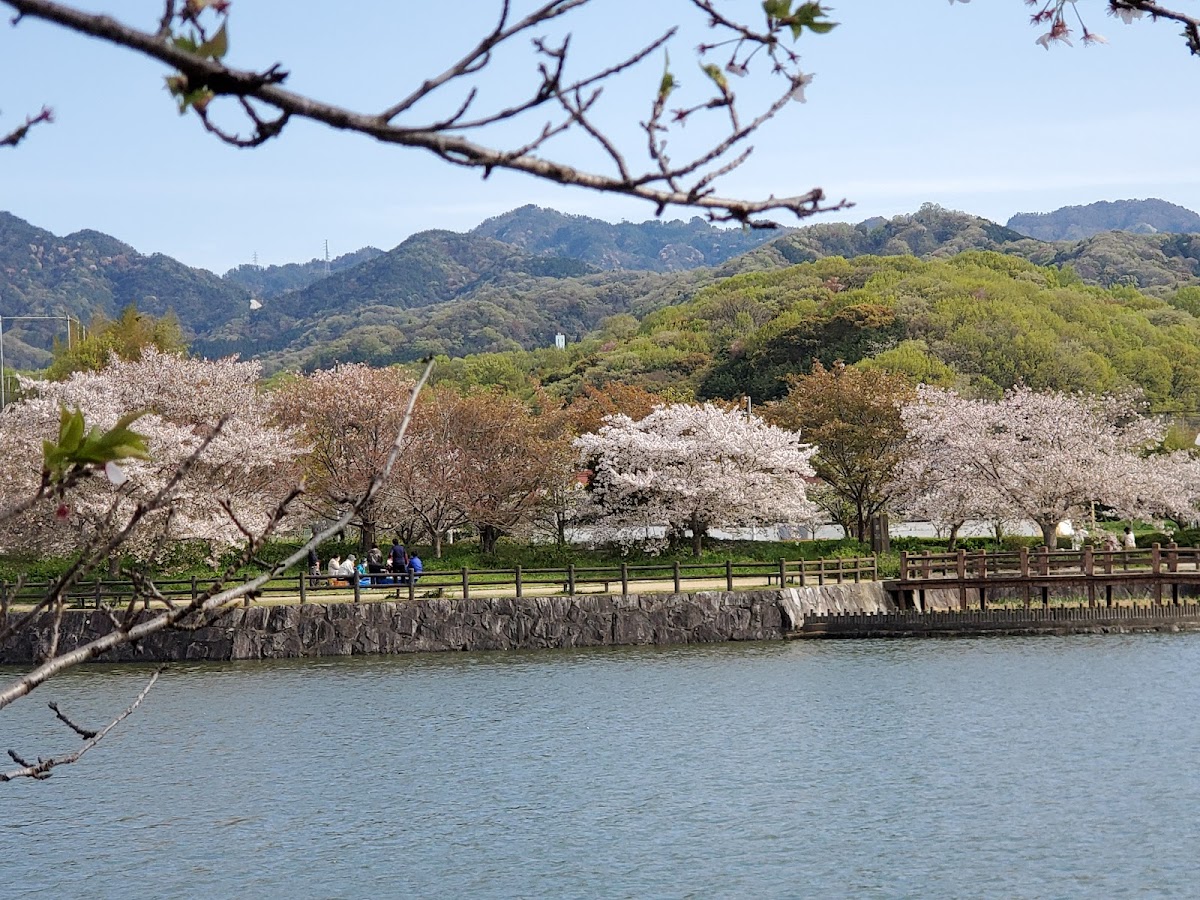
Immediately adjacent to Kokuei Sanuki Manno Park, Manno Pond is designated as a national scenic site as Japan’s largest irrigation reservoir. With a circumference of approximately 20 kilometers and storage capacity of 15.4 million tons, it is impressively grand.
Walking paths are maintained around the pond, making it ideal for strolling after enjoying cherry blossoms. Manno Pond Forest Park is also adjacent, offering additional cherry blossoms. Some years feature cherry blossom illumination lighting.
Konpira-san (Kotohira Shrine)
About 15 minutes by car from the park, Kotohira Shrine is a flagship Kagawa tourist destination. Affectionately called “Konpira-san,” it features 785 stone steps to the main shrine and 1,368 to the inner shrine.
The approach contains souvenir shops and Sanuki udon restaurants for culinary enjoyment. Approach cherry blossoms are also splendid during the season.
Zentsoji Temple
Known as the birthplace of Kobo Daishi Kukai, Zentsoji is the 75th temple of the Shikoku Eighty-Eight Temple pilgrimage route. About 20 minutes by car from the park.
The vast grounds contain important cultural properties including a five-story pagoda and main hall, offering encounters with history and culture. Temple grounds cherry blossoms are beautiful, providing flower viewing in a quiet atmosphere.
Marugame Castle
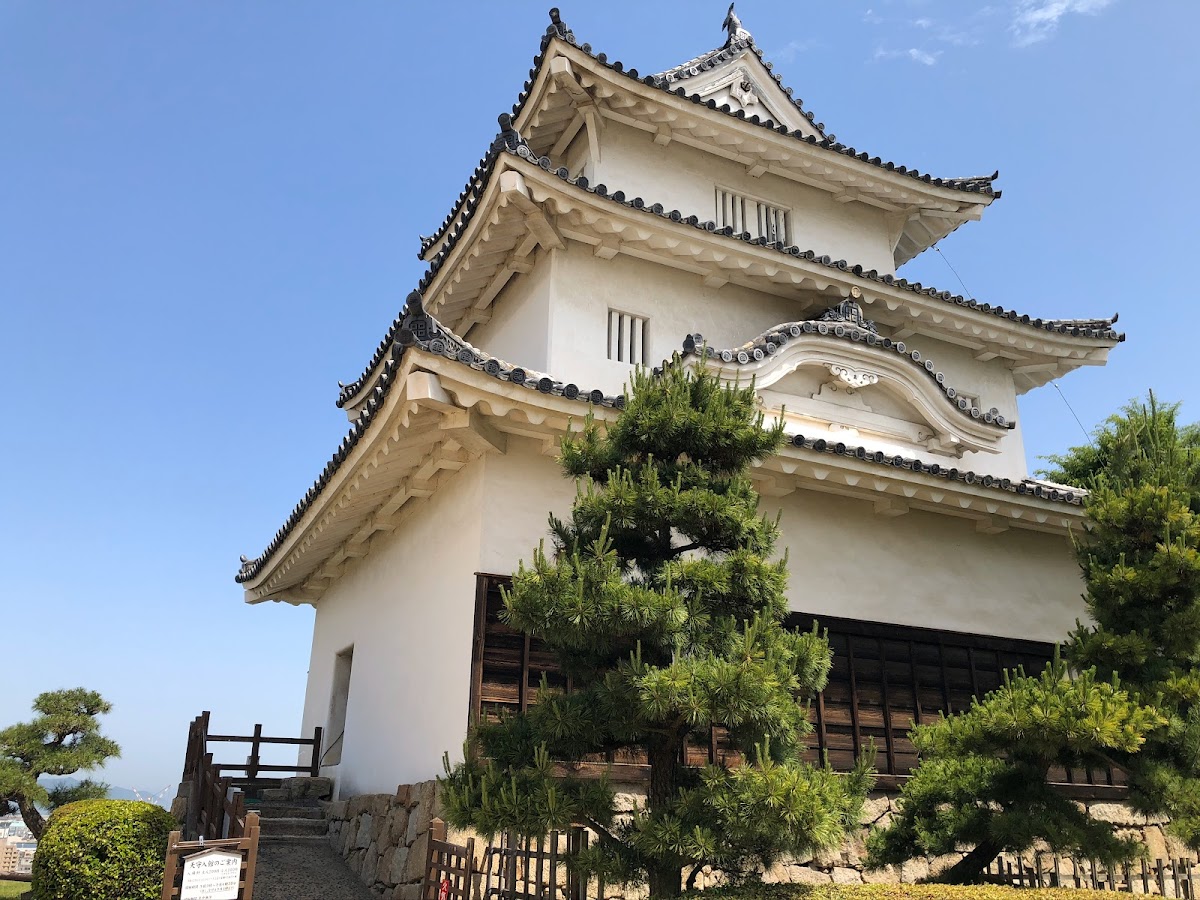
Known as the “Castle of Fine Stonework,” Marugame Castle is about 30 minutes by car from the park. Featuring Japan’s highest stone walls (approximately 60 meters), it is designated as an important cultural property as one of Japan’s 12 original castles.
Approximately 650 cherry trees are planted within the castle grounds, with splendid collaboration between stone walls and blossoms. The castle tower offers sweeping Seto Inland Sea views.
Kotohira Hot Spring Village
Developed as a gate town for Kotohira Shrine, Kotohira Hot Spring Village is about 15 minutes by car from the park. Multiple day-bath facilities are available, perfect for relaxing after enjoying cherry blossoms.
The hot spring town features long-established traditional and cuisine inns offering dishes using Sanuki ingredients.
Gourmet Information | Recommended Nearby Udon Shops and Dining Establishments
Kagawa Prefecture is the heartland of Sanuki udon. Numerous notable establishments are scattered near Kokuei Sanuki Manno Park.
Yamakoe Udon (Yamakoe Udon)
About 10 minutes by car from the park, this ultra-popular shop is known as the birthplace of kamatama udon, with lines forming even on weekdays.
- Operating hours: 9:00 – 13:30 (closes after sold out)
- Closed: Sundays, 1st, 3rd, 5th Wednesdays
- Recommendation: Kamatama udon (small) 280 yen
Nagata Udon (Nagata Udon)
About 15 minutes by car from the park, in Kotohira Town, this popular shop is known for its thick, chewy noodles, beloved by both locals and tourists.
- Operating hours: 10:00 – 15:00
- Closed: Thursdays
- Recommendation: Hiyaatsu (chilled noodles with warm broth)
Tanigawa Rice Grain Store (Tanigawa Rice Grain Store)
About 12 minutes by car from the park. This rice merchant-operated udon shop features noodles made from self-milled flour.
- Operating hours: 8:00 – 15:00
- Closed: Sundays
- Recommendation: Kake udon (small) 200 yen
Other Gourmet Spots
Bone-in Chicken “Ichizuru” Marugame Main Shop:
- Kagawa soul food’s “bone-in chicken” original establishment
- About 30 minutes by car from the park
- Spicy flavoring becomes addictive
Cafe “Cafe Muu Muu”:
- Fashionable cafe near Manno Pond
- Lunch using local vegetables is popular
- Good terrace views
Photography Spots | Instagram-Worthy Locations
Hiryuu no Hanami-michi Cherry Blossom Tunnel
The most popular photo spot. Looking up through the cherry arch, or capturing the lined path extending far are recommended angles. Early morning with fewer people is ideal.
Shoryuu no Taki and Cherry Blossoms
A rare spot allowing simultaneous photography of waterfall and cherries. The contrast between water flow and cherry blossoms is beautiful, with long-exposure silky waterfall photography also popular.
Flower Touring Hill Vantage Point
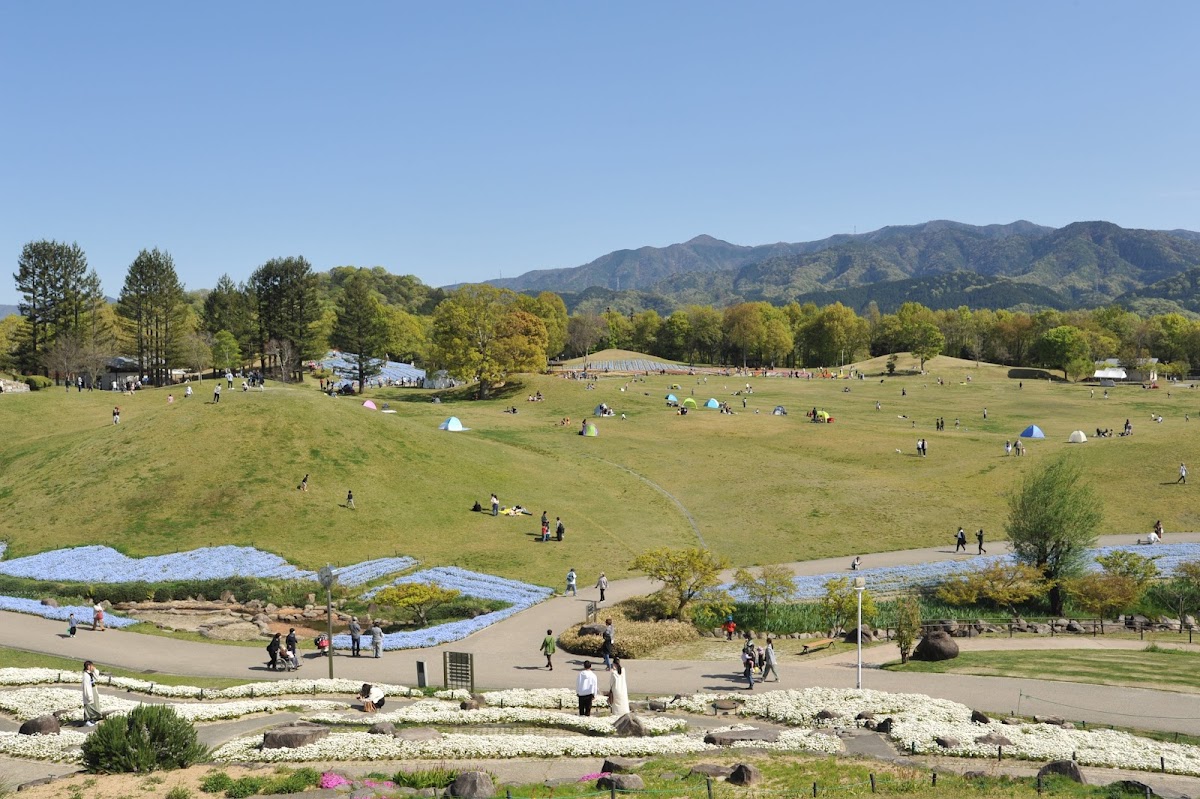
A high-point overlooking the entire park. Multiple flowers including cherries, tulips, and nemophila can be captured in a single photograph. Clear-sky days particularly enhance color vibrancy.
Grassland Square and Cherry Blossoms
The combination of vast grassland and cherries offers openness, ideal for family photos and pet commemorative shots. Picnic scene photography is also recommended.
Cherry Blossoms at Dusk
The period before and after sunset, called magic hour, creates orange and pink-tinted skies with cherries appearing fantastically. Tripod use is recommended.
Cherry Blossom Enjoyment Methods | Recommended Plans by Family, Couples, Groups
Family Plan
Morning:
- Enter at 9:30 opening, secure parking
- View and photograph cherries at Hiryuu no Hanami-michi
- Spread leisure sheets and picnic on grassland square
Afternoon:
- Children play at “Dora Yume Dome” large equipment
- Natural ecology garden exploration
- Cafe break, souvenir shopping
- Depart around 16:00
Combining play equipment with flower viewing keeps children engaged.
Couple Plan
Morning:
- Enter around 10:00, begin leisurely exploration
- Photograph at Hiryuu no Hanami-michi and Shoryuu no Taki
- Tulip and nemophila viewing at Flower Touring Hill
Afternoon:
- Restaurant lunch
- Leisurely woodland path walk through natural ecology garden
- Cafe terrace relaxation viewing cherries
- Re-photograph in soft evening light
- After 17:00 departure, then day-bath in Kotohira hot spring
Weekday visits are especially recommended for romantic atmosphere with fewer crowds.
Group/Friends Plan
Morning:
- Enter at 9:30 opening
- Secure large leisure sheet on grassland square
- Picnic with self-brought bento and snacks
Afternoon:
- Free park exploration, photography competition
- Shop ice cream purchases
- Badminton or frisbee on grass (within courtesy limits)
- Depart around 16:00, then nearby udon shop exploration
Grassland square is the best spot for group fun.
Spring Flowers Beyond Cherry Blossoms | Plants Enjoyable in the Same Period
Daffodils (Late February – Mid-March)
Daffodils announce spring before cherry blossoms. Approximately 500,000 daffodils are planted throughout the park, with delicate yellow and white flowers covering slopes. Early-bloom cherries and daffodils sometimes overlap.
Tulips (Late March – Mid-April)
Approximately 200,000 tulip bulbs bloom in various colors. Varied bloom times by variety allow extended cherry-tulip enjoyment periods.
Nemophila (Early-Late April)
Approximately 400,000 nemophila flowers turn “Flower Touring Hill” blue. Blooming as cherries fade provides cherry-nemophila collaboration opportunities.
Poppies (Mid-April – Mid-May)
Vivid poppies bloom following cherries. Red, orange, yellow, and white vibrant hues further brighten spring park colors.
Viola and Pansy (November – May)
Winter-through-spring long-blooming viola and pansy serve as vibrant supporting players, enjoyed throughout the park during cherry season.
Year-Round Highlights | Seasonal Charm Throughout Four Seasons
Kokuei Sanuki Manno Park offers seasonal flowers and events beyond cherry blossoms throughout the year.
Summer (June – August)
- Hydrangeas (Early-late June): Approximately 20,000 hydrangeas color the “Hydrangea Garden”
- Sunflowers (Late July – Mid-August): Approximately 20,000 sunflowers bloom toward summer sky
- Water Play: Summer-limited “Fluffy Dome” water play area opens
Autumn (September – November)
- Cosmos (Mid-September – Late October): Approximately 300,000 cosmos sway in autumn breezes
- Kochia (Mid-July – Late October): Kochia autumn leaf transformation from green to red is spectacular
- Autumn Roses (Mid-October – Early November): Deeper autumn rose hues differ from spring
Winter (December – February)
- “Winter Fantasy” Illumination (Late November – Early January): Approximately 650,000 LEDs create fantastical winter park atmosphere
- Christmas Roses (January – March): Beautiful winter bloom flowers
- Daffodils (Late February onward): Spring-announcing yellow and white flowers
Annual passports allow enjoying all these seasons.
Cautions and Etiquette | For Comfortable Flower Viewing
Prohibited Activities
- Fire Use: BBQ, fireworks, smoking (outside designated areas) prohibited
- Drone Use: Flying without permission prohibited
- Plant Harvesting: Picking or taking flowers and plants prohibited
- Pet Off-Leashing: Leashes always required
- Loud Music: Avoid disturbing other visitors
Recommended Etiquette
- Take Trash Home: Though trash bins exist, carrying out trash when possible
- Minimize Space Reservation: Show consideration by yielding during congestion
- Avoid Tree Damage: Do not break branches or touch trunks
- Photography Consideration: Avoid photographing other visitors, do not impede pathways
- Timely Restroom Use: Use restrooms early due to congestion during peak times
Congestion Avoidance Tips
- Target Weekdays: Avoid weekend crowds; weekdays recommended
- Early Morning Arrival: 9:30-10:30 opening periods are relatively uncrowded
- Late Afternoon Hours: After 15:00, departing crowds allow relaxed appreciation
- Weather Consideration: Clear weekends mean congestion; cloudy days are quieter (avoid rain)
Conclusion | Experience Peak Cherry Blossoms at Kokuei Sanuki Manno Park
Kokuei Sanuki Manno Park is Kagawa Prefecture’s premier cherry blossom destination and Shikoku’s only national park offering multifaceted charm. Spring’s approximately 2,000 cherry tree spectacle is breathtaking, with diverse enjoyment possibilities from Hiryuu no Hanami-michi’s cherry promenade, grassland picnicking, to Shoryuu no Taki waterfall-cherry collaboration.
Spring flower competition including tulips and nemophila must not be missed. The vast grounds feature large play equipment and natural ecology gardens, offering all-day family entertainment. Peak season occurs around late March to early April. Check official websites and SNS for latest bloom information.
Car access is convenient with 2,000 parking spaces. Surrounding attractions including Kotohira Shrine and Marugame Castle, plus Sanuki udon shops, provide abundant Kagawa charm. Consider cherry viewing combined with broader Kagawa spring exploration.
Annual passports enable year-round enjoyment of seasonal flowers and illuminations. Create unforgettable spring memories at Kokuei Sanuki Manno Park.