Cherry Blossoms at Hinoyama Park | Complete Guide to Yamaguchi Prefecture’s Spectacular Flower Viewing Spot 2025
Hinoyama Park in Shimonoseki City, Yamaguchi Prefecture, is a premier cherry blossom viewing destination in Yamaguchi, offering spectacular views of the Kanmon Strait and cherry blossoms simultaneously from the summit at approximately 268 meters above sea level. From late March to early April each year, approximately 1,000 Somei Yoshino and Yamato cherry trees bloom profusely from the summit down to the base of the mountain, drawing many flower viewing enthusiasts.
The park’s greatest appeal lies in the grand panoramic view created by the combination of cherry blossoms, the Kanmon Bridge, the Kanmon Strait, and the mountain ranges of Kitakyushu across the strait. Furthermore, the collaboration with approximately 40,000 tulips in the Hinoyama Turkish Tulip Garden, which reaches peak bloom during the same period, creates an impressive landscape found nowhere else.
This article provides comprehensive information for maximizing your cherry blossom viewing experience at Hinoyama Park, including details on peak bloom times, access methods, recommended nearby spots, and dining information.
About Hinoyama Park | A Scenic Spot Overlooking the Kanmon Strait
Hinoyama Park is an urban park located at Mimosuso-gawa-cho in Shimonoseki City, Yamaguchi Prefecture, spreading across the summit of Hinoyama at 268 meters above sea level. This mountain was historically used as a beacon tower and played an important role as a strategic point controlling the Kanmon Strait.
The park offers 360-degree panoramic views, from which visitors can see the Kanmon Strait, Kanmon Bridge, Shimonoseki city center, Kitakyushu across the strait, and even the Seto Inland Sea. On days blessed with good weather, views can extend to the mountain ranges of Kyushu in the distance, making it a scenic spot beloved by tourists and local residents alike.
History and Characteristics of Hinoyama Park
Hinoyama has taken its current form over a long period, allowing visitors to enjoy the topography and natural beauty of the Kanmon Strait. Once a military stronghold with artillery batteries installed, remnants of those facilities remain in the park today as the “Hinoyama Battery Ruins.”
The park is equipped with observation decks, a Turkish tulip garden, a ropeway, athletic facilities, and other amenities, developing into a comprehensive park where visitors can enjoy various activities throughout the seasons. The spring cherry blossom and tulip season is particularly popular as the period when the park is most vividly colored.
Cherry Blossoms at Hinoyama Park | Peak Bloom and Flowering Information
Cherry blossoms at Hinoyama Park typically reach peak bloom from late March to early April. Due to the elevation difference, blooming progresses gradually from the base to the summit, allowing visitors to enjoy cherry blossoms for an extended period.
Types and Number of Cherry Blossoms
Approximately 1,000 cherry trees are planted at Hinoyama Park from summit to base. The main varieties are as follows:
- Somei Yoshino: The most commonly seen variety in the park, with pale pink flowers blooming all at once in a spectacular display
- Yamato Cherry: A wild cherry variety with white to pink flowers and beautiful contrast with reddish new shoots
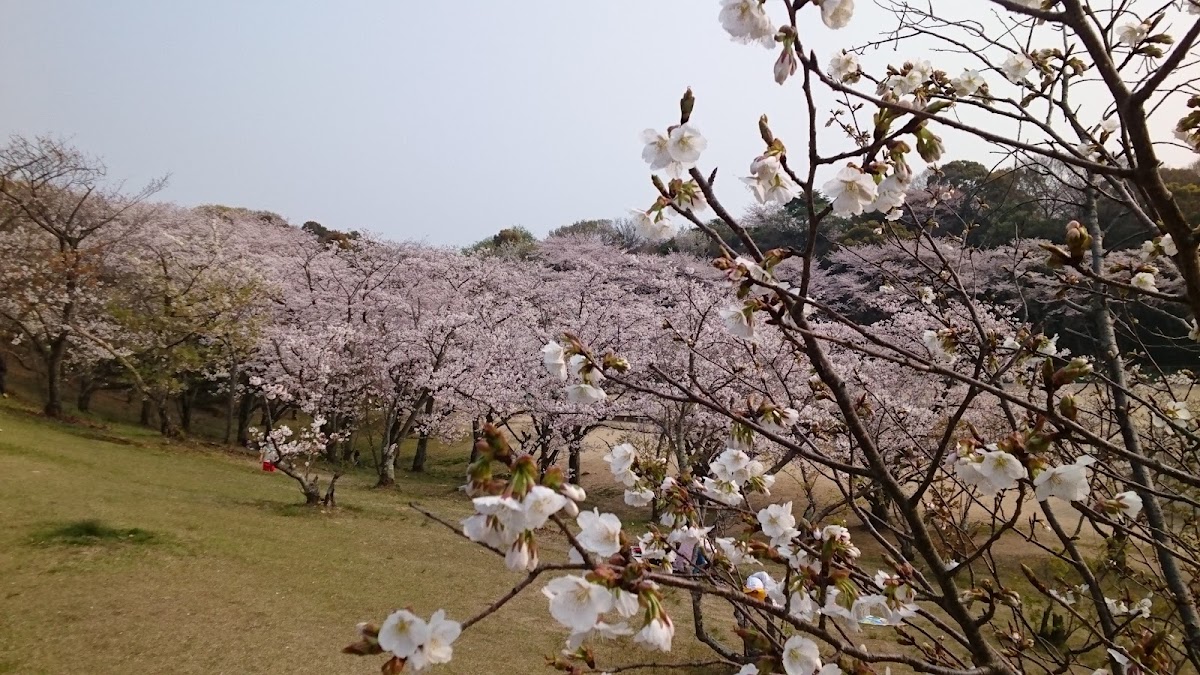
The sight of these cherry trees covering the mountainside like a blanket is truly magnificent, as if the entire mountain were dyed pink.
Typical Peak Bloom Schedule
Peak bloom times for cherry blossoms at Hinoyama Park vary slightly depending on weather conditions, but typically follow this schedule:
- Late March: Blooming begins at the base section, and early-blooming cherry trees can be enjoyed
- Early April: Peak bloom occurs, offering the most impressive viewing period
- Mid-April: Late-blooming cherries and those on the upper slopes can be enjoyed, with falling petals adding poetic charm
The ability to enjoy flower viewing over an extended period using the elevation difference is one of Hinoyama Park’s greatest attractions. Before visiting, it’s recommended to check the latest bloom status on the Yamaguchi Prefecture tourism website or the official Shimonoseki City information.
Spectacular Collaboration of Cherry Blossoms and the Kanmon Strait
The greatest allure of cherry blossom viewing at Hinoyama Park is the spectacular view where cherry blossoms, the Kanmon Strait, and the Kanmon Bridge all fit within one’s field of vision. The view from the summit observation deck is particularly highly regarded as a unique landscape not found at any other cherry blossom viewing spot.
The landscape created by ships crossing the strait, the majestic Kanmon Bridge, and fully blooming cherry trees is popular among photography enthusiasts. On clear days, the contrast of blue sea and sky, pink cherry blossoms, and the red Kanmon Bridge is vivid and truly picture-like in its beauty.
Hinoyama Turkish Tulip Garden | A Collaboration with Cherry Blossoms
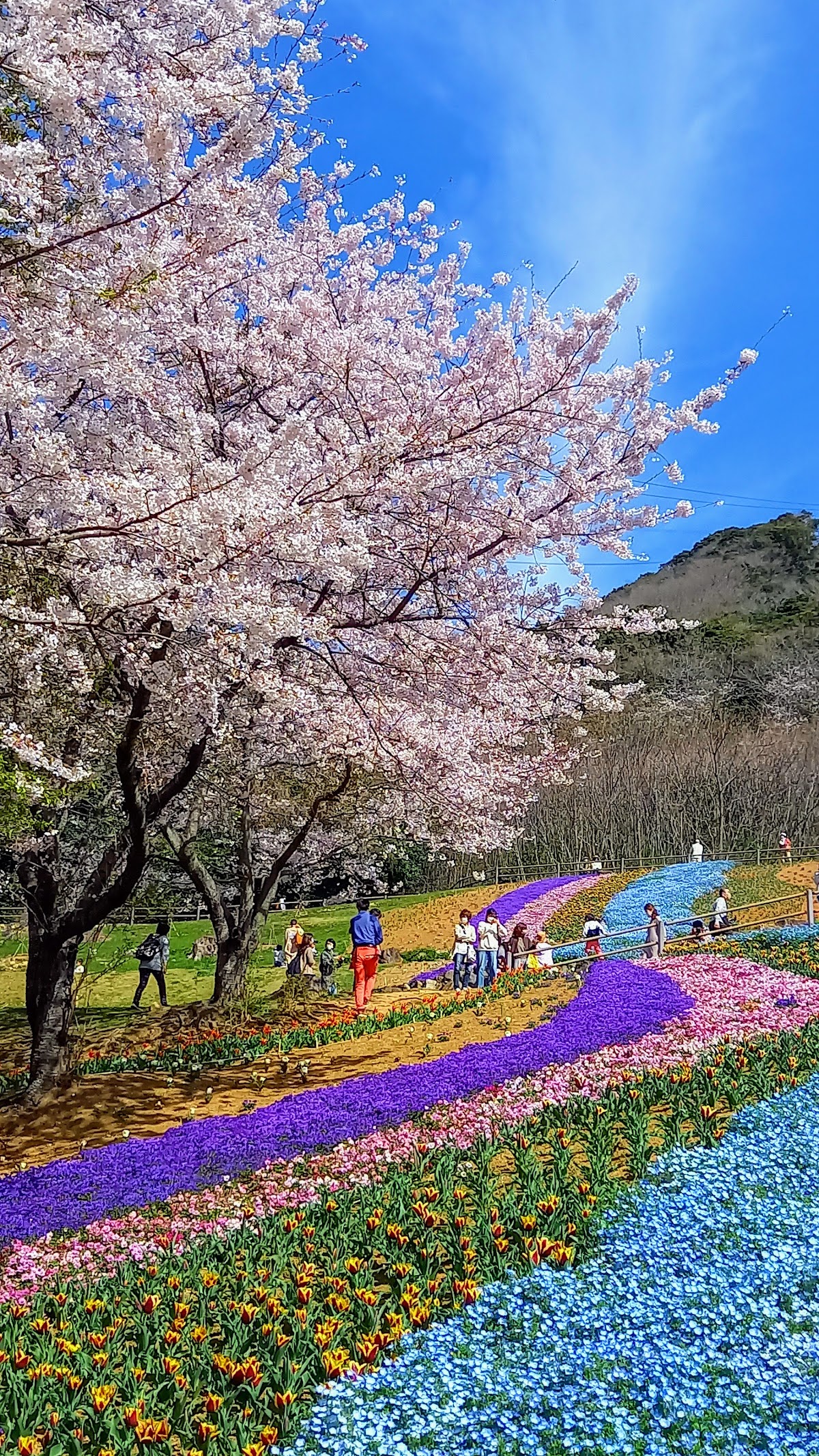
Another spring highlight at Hinoyama Park is the “Hinoyama Turkish Tulip Garden,” which reaches peak bloom during the same period as the cherry blossoms. With approximately 40,000 tulips planted over a wide area, this is a luxurious flower viewing spot where visitors can enjoy both cherry blossoms and tulips simultaneously.
A Symbol of Turkish Friendship
This tulip garden was established with bulbs donated from Shimonoseki’s sister city, Istanbul, Turkey, as a symbol of friendship between the two cities. The colorful tulips in bloom evoke the landscapes of Turkey with their magnificence.
Tulip Peak Bloom Season
Tulips typically reach peak bloom in early April, almost the same time as cherry blossoms. Red, yellow, pink, white, and purple tulips spread like a carpet, and the color harmony between the tulips and cherry blossom pink can be enjoyed.
Located at the base of the mountain, the tulip garden offers particularly popular angles for photography with cherry blossoms on the summit as a backdrop. It offers a luxurious experience surrounded by spring flowers, a unique appeal of Hinoyama Park.
Access to Hinoyama Park
There are multiple ways to access Hinoyama Park, including by car, public transportation, and ropeway. Understanding the characteristics of each method will help you choose the option best suited to you.
Access by Car
When using expressways
- Approximately 15 minutes from “Shimonoseki IC” on the Chugoku Expressway
- From Kyushu, access via the Kanmon Bridge to Shimonoseki IC
Roads to the summit are well-maintained, allowing visitors to drive to the summit parking area. However, expect congestion on weekends and holidays during peak cherry blossom season, so an early arrival is recommended.
Parking Information
Hinoyama Park is equipped with free parking.
- Summit Parking Lot: Capacity of approximately 100 vehicles
- Base Parking Lot: Additional parking available near the ropeway station
Parking lots may reach capacity during cherry blossom season, so considering public transportation is advisable. Information may change, so it’s recommended to check the latest details before your visit.
Access by Public Transportation
When using JR
- Approximately 15 minutes by bus from JR Sanyo Main Line “Shimonoseki Station” to “Hinoyama Ropeway” bus stop
- Use Sanden Bus “Hinoyama Line”
Bus frequency is limited, so it’s important to confirm the schedule in advance.
Hinoyama Ropeway
The Hinoyama Ropeway connecting the base and summit is a popular transportation option allowing visitors to enjoy a scenic aerial ride to the summit.
- Operating Hours: Normally 10:00–17:00 (varies by season)
- Fares: Approximately 500 yen for adults round trip (subject to change)
From the ropeway, visitors can enjoy views of the Kanmon Strait and cherry blossoms from above, and the view of the cherry landscape from the air is particularly special during cherry blossom season. However, operating conditions may change depending on weather and time of year, so confirmation is necessary before use.
Tips for Cherry Blossom Viewing at Hinoyama Park
Here are tips for maximizing your enjoyment of cherry blossoms at Hinoyama Park.
Recommended Viewing Spots
1. Summit Observation Deck
The most popular viewing spot, offering 360-degree panoramic views where you can see cherry blossoms, the Kanmon Strait, Kanmon Bridge, Shimonoseki city center, and Kitakyushu city center all at once. The view on clear days is magnificent and ideal for photography.
2. Area Around Turkish Tulip Garden
A luxurious spot where you can enjoy both cherry blossoms and tulips. The colorful landscape is as beautiful as stepping into a storybook.
3. Cherry Blossom Tunnel Along Mountain Trails
Cherry tree lined paths run along the route from the base to the summit, forming a cherry blossom tunnel when in full bloom. You can enjoy flower viewing while taking a leisurely walk.
4. Views from the Ropeway
The view of cherry blossoms seen from above offers entirely different appeal from ground-level viewing. The sight of the entire mountain dyed pink is a valuable experience.
Best Times for Photography
Cherry blossoms at Hinoyama Park display different characteristics depending on the time of day.
- Early Morning (6:00–8:00): Fewer visitors, and cherry blossoms illuminated by morning sun are beautiful. Morning mist may create fantastical photographs
- Daytime (10:00–15:00): The contrast of blue sky, cherry blossoms, and sea is vivid. The brightest and most vibrant atmosphere
- Evening (16:00–18:00): Cherry blossoms and the Kanmon Strait dyed by the setting sun are spectacular. Orange light softly illuminates the blossoms
Recommended Clothing and Supplies
At 268 meters elevation, the summit is cooler and windier than lower elevations, so the following preparations are recommended:
- Outerwear: Even in early April, it may feel chilly, so bring something to layer
- Comfortable Walking Shoes: For strolling through the park, sneakers or other comfortable shoes are essential
- Hat and Sunscreen: Bring UV protection as sun can be strong on clear days
- Drinks: While vending machines are available on the summit, bringing your own is reassuring
Recommended Nearby Spots Around Hinoyama Park
Here are popular nearby spots worth visiting before or after cherry blossom viewing at Hinoyama Park.
Mimosuso-gawa Park
Located about 5 minutes by car or approximately 15 minutes on foot from Hinoyama Park, this waterfront park overlooks Dannoura, the site of the Genpei War. Statues of Minamoto Yoshitsune and Taira Tomomori are installed.
This is a place where you can feel the Kanmon Strait up close and experience the speed of the tidal current. During cherry blossom season, cherry trees along the strait can also be enjoyed, making it recommended to visit as a set with Hinoyama Park.
Akama Shrine
This shrine honors Emperor Antoku, who entered the water during the Battle of Dannoura. It is located about 10 minutes by car from Hinoyama Park and is popular as a spot where you can feel history and culture, marked by its distinctive bright red lacquered Suiten Gate.
The shrine grounds also contain the graves of the Taira clan members, allowing visitors to reflect on the history of the Genpei War. The contrast between the shrine’s red color and cherry blossoms is beautiful during cherry blossom season, making it recommended for photography.
Kanmon Tunnel Pedestrian Path
A unique 780-meter-long underwater tunnel that allows visitors to walk between Honshu and Kyushu. Located about 5 minutes by car from Hinoyama Park, it’s a popular tourist spot offering a unique experience.
Walking through the tunnel approximately 58 meters underwater is enjoyable for both children and adults. A marker indicating the border between Yamaguchi and Fukuoka prefectures is shown in the tunnel, making it a popular photo spot.
Karato Market
A representative tourist spot of Shimonoseki where fresh seafood is gathered. Located about 15 minutes by car from Hinoyama Park, it’s ideal for lunch and souvenir shopping.
The “Ikikiki Bakan Street” event is held on weekends in the market, where visitors can enjoy fresh sushi and seafood bowls at reasonable prices. Fugu (pufferfish) cuisine is a specialty of Shimonoseki, so be sure to try it.
Dining Information Around Hinoyama Park
Here are recommended dining spots to visit before or after cherry blossom viewing.
Fugu Restaurant Japanese Cuisine Heike Chaya
Located near Mimosuso-gawa Park, this Japanese restaurant specializes in fugu cuisine. Visitors can enjoy Shimonoseki’s famous fugu dishes while overlooking the Kanmon Strait.
The menu offers various fugu preparations including sashimi, hot pot, and deep-fried fugu, with lunch options also available. Special menus for cherry blossom season may be available, so checking in advance is recommended.
Kaiseki Ryokan Sumire
This long-established ryokan offers kaiseki cuisine using Shimonoseki’s seafood. Day-use is available for lunch or dinner.
Cuisine using seasonal ingredients is both beautiful to look at and delicious to taste. It’s recommended for special occasions or those wanting to enhance their cherry blossom viewing memories.
Seafood Dining Around Karato Market
Numerous restaurants using fresh seafood surround Karato Market.
- Seafood Bowl Specialty Shops: Bowls using market-fresh fish are popular
- Conveyor Belt Sushi: Fresh sushi at reasonable prices
- Fugu Restaurants: Shimonoseki’s famous fugu prepared using various cooking methods
At the “Ikikiki Bakan Street” in the market, various shops sell sushi and seafood dishes from storefronts, which can be purchased and eaten in the market or along the waterfront. During cherry blossom season, takeout to enjoy as a picnic at Hinoyama Park is also recommended.
Accommodation Near Hinoyama Park
For those wanting to spend time leisurely during cherry blossom season, here are recommended accommodations.
Shimonoseki Grand Hotel
A city hotel located near Shimonoseki Station, convenient as a sightseeing base. Hinoyama Park is about 15 minutes by car, and Karato Market is within walking distance.
Guest rooms offer views of the Kanmon Strait, and the breakfast buffet features dishes made with local ingredients.
Shimonoseki Hot Spring Kaze no Kai
A hot spring inn with panoramic Kanmon Strait views, recommended for those wanting to enjoy both cherry blossom viewing and hot springs. Located about 20 minutes by car from Hinoyama Park.
The open-air bath offers spectacular views of the Kanmon Strait and Kanmon Bridge, and visitors can also enjoy the beauty of the illuminated bridge at night. Seasonal kaiseki cuisine is also highly regarded.
Business Hotels in Shimonoseki City Center
For budget-conscious travelers, business hotels around Shimonoseki Station are recommended.
- Toyoko Inn Shimonoseki Kaikyo Yume Tower Mae: Convenient location near the station with good cost performance
- Dorm Inn Shimonoseki: Features a large bath and popular for late-night soba service
- Hotel Route Inn Shimonoseki: Complimentary breakfast included, parking available for car users
These hotels offer good access to Hinoyama Park and are ideal as bases for Shimonoseki sightseeing.
Other Attractions at Hinoyama Park Besides Cherry Blossoms
Hinoyama Park is not only a cherry blossom destination but a comprehensive park with various attractions throughout the year.
Hinoyama Battery Ruins
Ruins of artillery batteries built in the Meiji era remain in the park as a historically valuable spot. Visitors can learn about military facilities from that era and it’s popular among history enthusiasts.
The view from the battery ruins is also excellent, allowing visitors to understand the strategic importance of the Kanmon Strait.
Athletic Facilities
Recently opened athletic facilities are popular with families with children. Various play equipment is installed, providing a space where children can play and move their bodies.
The park is being developed as a place where families can enjoy themselves all day, combining cherry blossom viewing with recreation.
Night Views from the Observation Deck
Hinoyama Park is also famous as a night scenery spot for the Kanmon Strait. The night view from the summit observation deck is particularly notable, with recognition as a “Japanese Night Scenery Heritage Site,” featuring a spectacular display of the illuminated Kanmon Bridge and nighttime scenery of both Shimonoseki and Kitakyushu.
During cherry blossom season, it’s recommended to stay from evening to night to enjoy three stages of scenery: cherry blossoms, twilight, and night views.
Natural Scenery Across the Four Seasons
Hinoyama Park allows visitors to enjoy nature across all seasons beyond cherry blossoms.
- Spring: Cherry blossoms and tulips (late March–early April)
- Early Summer: Fresh greenery and azaleas (May)
- Summer: Cool mountain summit for escaping heat (July–August)
- Autumn: Autumn foliage (November)
- Winter: Spectacular scenery in crisp air (December–February)
The park is worth visiting throughout the year and has many repeat visitors.
Important Notes When Visiting Hinoyama Park
Key points for a comfortable experience at Hinoyama Park.
Peak Seasons and Times
Peak cherry blossom season, particularly weekends and holidays, experiences significant congestion. The following times are especially crowded:
- 10:00–15:00: Most congested period
- Saturdays, Sundays, and Holidays: Parking lots may fill to capacity
For those wanting to avoid crowds, visiting on weekdays during early morning or evening hours is recommended.
Weather-Related Impacts
The summit is susceptible to weather impacts, requiring attention to:
- Strong Winds: Wind is strong near the observation deck, so secure hats and other items
- Rainy Days: Ground becomes slippery, so wear non-slip shoes
- Fog Formation: Reduced visibility may prevent seeing scenery, so check weather forecasts
The ropeway may close during strong winds, so check in advance if planning to use it.
Accessibility Information
Due to Hinoyama Park’s elevated location, some areas have limited accessibility accommodation.
- Wheelchair Use: The path from summit parking to observation deck is relatively flat but has some steps
- Baby Strollers: Can be used on paved paths, but mountain trail walking may be difficult
It’s recommended to check the latest accessibility information on the official Shimonoseki City website in advance.
Cherry Blossom Destinations in Yamaguchi Prefecture to Visit Along with Hinoyama Park
When visiting Hinoyama Park, consider visiting these other cherry blossom destinations in Yamaguchi Prefecture.
Kintai Bridge (Iwakuni City)
One of Japan’s three most famous bridges, Kintai Bridge is a premier cherry blossom destination in Yamaguchi Prefecture. Located about 1 hour 30 minutes by car from Hinoyama Park, it offers a beautiful collaboration between the bridge and cherry blossoms.
Approximately 3,000 cherry trees bloom along the Nishikigawa River, and the cherry blossom scenery with the bridge as backdrop is stunningly beautiful.
Joeiji Temple Sesshu Garden (Yamaguchi City)
A garden reportedly designed by Sesshu, a Muromachi-period Buddhist monk-painter. It’s a spot where garden and cherry blossoms harmonize beautifully during cherry blossom season, located about 1 hour by car from Hinoyama Park.
Popular as a flower viewing destination for adults who prefer a quiet atmosphere.
Ichinomori River (Yamaguchi City)
Approximately 600 cherry trees line both banks of the Ichinomori River flowing through central Yamaguchi City, creating a beautiful cherry tree-lined scenery. Located about 1 hour by car from Hinoyama Park.
Nighttime illumination transforms the site into a fantastical night cherry blossom experience.
Hinoyama Park Basic Information Summary
Finally, here is a summary of Hinoyama Park’s basic information. Please check this before your visit.
Facility Information
- Location: Mimosuso-gawa-cho, Shimonoseki City, Yamaguchi Prefecture
- Admission: Free
- Opening Hours: 24 hours (observation decks accessible during daylight only)
- Closure Days: None
- Parking: Free (approximately 100 spaces)
- Inquiries: Shimonoseki City Tourism Policy Division
Ropeway Information
- Operating Hours: 10:00–17:00 (varies by season)
- Fares: Approximately 500 yen for adults round trip (subject to change)
- Duration: Approximately 4 minutes
Access Information
- By Car: Approximately 15 minutes from “Shimonoseki IC” on the Chugoku Expressway
- By Public Transportation: About 15 minutes by bus from JR Shimonoseki Station
※Information is subject to change; please confirm the latest details before your visit.
Conclusion
Hinoyama Park in Shimonoseki City, Yamaguchi Prefecture, is a premier cherry blossom viewing destination in Yamaguchi where visitors can simultaneously enjoy spectacular views of the Kanmon Strait and cherry blossoms from the 268-meter summit. From late March to early April each year, approximately 1,000 Somei Yoshino and Yamato cherry trees bloom magnificently, and the 40,000 tulips reaching peak bloom during the same period offer an additional spectacular sight.
The appeal of Hinoyama Park lies in its spectacular and unique scenery created by cherry blossoms, the Kanmon Bridge, and the Kanmon Strait. The 360-degree panoramic view from the summit observation deck, aerial views from the ropeway, and the vibrant landscape of the Turkish Tulip Garden offer diverse ways to enjoy the park.
The surrounding area is rich with renowned Shimonoseki tourism spots including Mimosuso-gawa Park, Akama Shrine, and Karato Market, making it possible to enjoy an entire day in the region. Visitors can also savor Shimonoseki’s famous fugu cuisine and fresh seafood alongside cherry blossom viewing, fully experiencing the attractions of Shimonoseki.
Expect congestion during peak cherry blossom season, particularly on weekends and holidays, making early morning or weekday visits recommended. Public transportation use is also advised. Weather and bloom conditions are subject to change, so checking the latest information before visiting is important for comfortable flower viewing.
Why not experience the spectacular cherry blossoms of Hinoyama Park, uniquely characteristic of Yamaguchi Prefecture?