Complete Guide to the Cherry Blossoms of Tokusa Hachimangu|Enjoying the Spectacular Weeping Cherry Blossoms at One of Yamaguchi Prefecture’s Premier Destinations
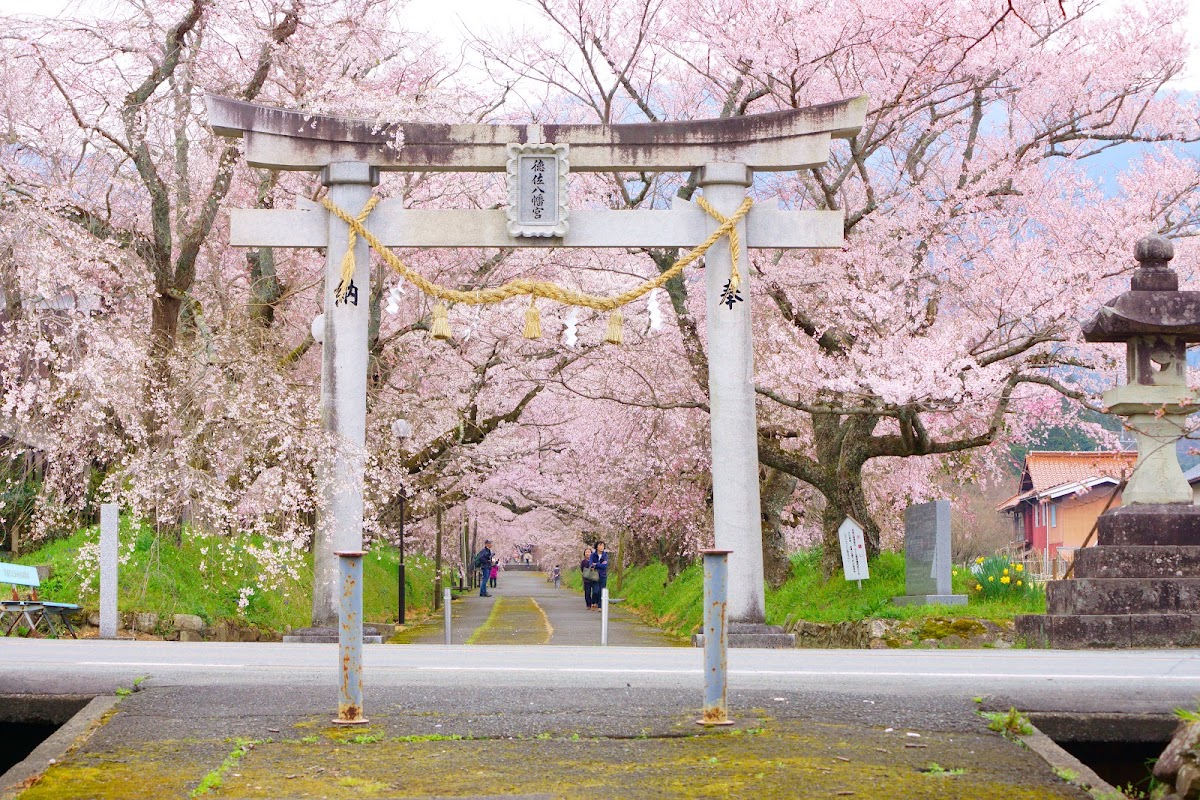
Located in the Ato district of Yamaguchi City, Yamaguchi Prefecture, Tokusa Hachimangu Shrine is known as one of the finest weeping cherry blossom viewing spots in western Japan. The cherry blossom lined pathway stretching approximately 370 meters on both sides creates a spectacular view like a pink tunnel, captivating many cherry blossom enthusiasts each year.
In this article, we will introduce in detail information you should know before visiting, including the appeal of Tokusa Hachimangu’s cherry blossoms, its history, peak viewing season, access methods, and nearby tourist attractions.
About Tokusa Hachimangu|A Historic Shrine Preserving History as a Branch of Usa Hachimangu Shrine
Tokusa Hachimangu Shrine was founded as a branch shrine of Usa Hachimangu Shrine in Oita Prefecture. As the local tutelary deity, it has long been cherished by local residents.
Beyond the historical value of the shrine itself, it has gained nationwide recognition as a cherry blossom viewing spot. Particularly during the spring season, visitors from neighboring areas and throughout the prefecture flock here, making it a representative tourist destination for the region.
History of Tokusa Hachimangu’s Weeping Cherry Blossoms|A Cherry Blossom Lined Pathway Passed Down for Nearly 200 Years
Cherry Tree Planting That Began in 1825
The history of the cherry blossom lined pathway at Tokusa Hachimangu dates back to 1825 (Bunsei 8). In that year, shrine parishioners planted weeping cherry trees (Shidare-zakura) and Edo-higan cherry trees along the pathway.
The cherry trees planted at that time were carefully passed down through repeated replanting and new plantings, growing into the magnificent cherry blossom lined pathway we see today. The cherry blossoms cultivated over approximately 200 years are a crystallization of the love and effort of local people.
Cultural Designation and Value as a Scenic Site
The cherry blossom lined pathway at Tokusa Hachimangu received official recognition for its spectacular scenery and historical value, being designated as a “Scenic Site of Tokusa Cherry” as a national cultural property on December 28, 1934 (Showa 9).
Furthermore, in 1973 (Showa 48), it was designated as a “Tokusa Hachimangu Weeping Cherry Blossom” as a natural monument of the former Ato Town (now Yamaguchi City). Currently, it is protected and preserved as a city-designated cultural property and natural monument.
A Sea of Full-Bloom Cherry Blossoms Creating a Pink Tunnel|Overwhelming Beauty of the Landscape
The Spectacular View Created by About 360 Cherry Trees
Along both sides of the approximately 370-meter pathway at Tokusa Hachimangu, approximately 360 cherry trees (some sources indicate approximately 250 trees), combining weeping cherries and Somei-Yoshino, are planted.
The 104 weeping cherry trees particularly planted along the pathway are magnificent. Due to the characteristic drooping branches of weeping cherries, the entire pathway becomes like a pink-colored tunnel. The cherry blossoms blooming overhead invite visitors to another world.
A Duet Between Weeping Cherries and Somei-Yoshino
The appeal of Tokusa Hachimangu’s cherry blossoms does not lie in weeping cherries alone. Somei-Yoshino cherry trees are also planted on both sides of the pathway, allowing visitors to enjoy a beautiful performance between the two varieties.
The elegant and delicate beauty of weeping cherries and the vibrant and powerful beauty of Somei-Yoshino merge to create a unique landscape not seen at other cherry blossom viewing spots. The swaying petals in the breeze create a sight deeply etched in the hearts of all who visit.
One of Western Japan’s Premier Weeping Cherry Blossom Viewing Spots
Tokusa Hachimangu is widely known as “one of western Japan’s premier weeping cherry blossom viewing spots.” Within Yamaguchi Prefecture, it ranks among the top one or two cherry blossom viewing locations and is highly regarded as one of the prefecture’s foremost cherry blossom destinations.
Its beauty has spread through word of mouth, with many visitors commenting, “The colors, delicacy, and elegance are like no cherry blossoms I have seen before,” and there are many repeat visitors who return.
Peak Viewing Season for Tokusa Hachimangu’s Cherry Blossoms|Early to Mid-April is Optimal
Target for Full Bloom
Tokusa Hachimangu’s cherry blossoms typically reach full bloom from early to mid-April. While the timing varies slightly depending on climate conditions, around April 5 is often when peak viewing occurs.
Located in the Ato district, which has a slightly higher elevation than Yamaguchi City center, the blooms tend to appear a few days later than in the city proper. Therefore, even when cherry blossoms have begun to scatter in the city center, you may be able to enjoy fully blooming cherry blossoms at Tokusa Hachimangu.
How to Check Bloom Status
Since bloom times vary depending on that year’s weather conditions, it is recommended to check the latest bloom status before your visit. The Yamaguchi Prefecture tourism site “Oidemassey Yamaguchihe” and the Yamaguchi City tourism information site “Nishi no Kyo Yamaguchi” provide regularly updated bloom information.
Information about Tokusa Hachimangu is also posted on cherry blossom bloom forecast sites such as Weather News, serving as a reference when planning your visit.
Tokusa Cherry Blossom Festival|A Major Spring Event
A Cherry Blossom Festival Held Every Early April
Tokusa Hachimangu hosts the “Tokusa Cherry Blossom Festival” timed with peak cherry blossom season. Typically held in early April (around April 5 most years), it has become a major spring event for the community.
During the festival period, local specialty product sales and food stalls are set up, allowing visitors to enjoy the region’s culinary delights along with flower viewing. The area becomes bustling with tourists, filled with a vibrant atmosphere celebrating the arrival of spring.
Enjoy Night Cherry Blossoms with Illumination Events
The Tokusa Cherry Blossom Festival also features nighttime illumination events. In 2026, illumination was scheduled for Saturday, March 28, allowing visitors to enjoy the fantastic night cherry blossom scenery different from daytime.
The weeping cherry blossoms illuminated by lights create an even more alluring and mysterious atmosphere than in daylight. The sight of the pink tunnel floating above the nighttime darkness is truly worth experiencing.
Access Information|How to Reach Tokusa Hachimangu
Access by Train
About 5 minutes on foot from Tokusa Station on the JR Yamaguchi Line
Tokusa Hachimangu is conveniently located just a 5-minute walk from Tokusa Station on the JR Yamaguchi Line. Its proximity to the station makes access by public transportation convenient.
While Tokusa Station is an unstaffed station, train service from Yamaguchi Station and Shin-Yamaguchi Station is limited, so it is recommended to check the timetable in advance when planning your visit.
Access by Car
About 60 minutes via Route 9 from Ogori IC on the Chugoku Expressway
When accessing by car, exit the Chugoku Expressway at Ogori Interchange and head north on Route 9. Travel time is approximately 60 minutes.
From Yamaguchi City center, head north on Route 9 for approximately 40 minutes to reach the shrine. The drive offers beautiful natural scenery of the Ato district.
Address and Basic Information
- Address: 3673 Tokusa-naka, Ato, Yamaguchi City, Yamaguchi Prefecture
- Hours: Open 24/7 (worship grounds freely accessible)
- Admission: Free
- Inquiries: Yamaguchi City Tourism and Exchange Division or local tourism information office
Parking Information|Be Mindful of Crowds During Cherry Blossom Season
Parking Lot Availability and Capacity
A parking lot for worshippers is provided at Tokusa Hachimangu. However, during peak cherry blossom season, particularly on weekends and during festival events, it becomes quite crowded.
Parking space is limited, and if the lot is full, visitors must use temporary parking areas nearby. During the cherry blossom festival period, temporary parking may be arranged through local cooperation.
Parking Notes
- Early arrival recommended: Peak season sees congestion starting early in the morning
- Parking fees: Generally free, but may be charged during events
- Avoiding crowds: Weekdays and early morning or late afternoon hours tend to be less crowded
- Public transportation: Consider using trains when possible to avoid congestion
Tourist Attractions Near Tokusa Hachimangu
Nature and Hot Springs in the Ato District
The Ato district, where Tokusa Hachimangu is located, is blessed with abundant natural beauty. The area offers several tourist attractions:
Tokusa-ga-mine (Mt. Tokusa)
At 989 meters elevation, this mountain offers hiking and trekking opportunities. From spring through autumn, visitors enjoy fresh greenery and autumn foliage, and in winter it functions as a ski slope.
Ganjoju Hot Spring
A hot spring facility in the Ato district, perfect for relaxing after cherry blossom viewing. It is a cherished gathering place for local residents.
Tourist Attractions in Yamaguchi City Center
Extending your visit from Tokusa Hachimangu to Yamaguchi City center opens up many more sightseeing opportunities.
Rurikoji Five-Story Pagoda
A beautifully designated National Treasure five-story pagoda and Yamaguchi City’s representative tourist attraction. Cherry blossoms can also be enjoyed around the pagoda during blossom season.
Kozan Park
A park housing the Rurikoji Five-Story Pagoda, beautiful with cherry blossoms in spring and autumn foliage in fall.
Joeiji Sesshu Garden
A garden said to have been landscaped by the Muromachi period Buddhist painter-priest Sesshu, designated as a historic site and scenic area by the nation.
Tips for Enjoying Cherry Blossom Viewing
Useful Items to Bring
- Picnic blanket: Convenient for sitting and enjoying cherry blossoms along the pathway
- Camera: Essential for capturing the spectacular scenery. Excellent photos can be taken with a smartphone as well
- Warm clothing: Early April can still be chilly, so a light jacket is recommended
- Sunscreen: Strong ultraviolet rays may occur on sunny days
- Beverages: While vending machines are available nearby, bringing drinks is prudent given potential crowds
Photography Spots and Recommended Angles
From the pathway entrance toward the shrine building
This classic angle provides the most beautiful view of the cherry blossom tunnel. Photographing in soft early morning or evening light creates particularly ethereal images.
Looking upward from the middle of the pathway
Captures the drooping branches of weeping cherries overhead. Against a blue sky, the pink-and-blue contrast creates beautiful photographs.
Combination of shrine building and cherry blossoms
Photographing shrine architecture with blossoms captures distinctly Japanese aesthetic.
Etiquette and Precautions
- Remember this is a shrine: Show consideration for other worshippers
- Do not break cherry branches: These are precious, protected cultural assets
- Take all trash with you: Please cooperate in preserving the beautiful scenery
- Be considerate when using tripods: Avoid obstructing other visitors during crowded times
- Do not enter private property: Remain only on the designated pathway
Maximizing Enjoyment of Tokusa Hachimangu’s Cherry Blossoms
Enjoying by Time of Day
Early morning (6:00–8:00)
Few people visit during this time, allowing for quiet cherry blossom appreciation. Cherry blossoms illuminated by morning sun possess a fresh beauty. This is ideal for photography.
Daytime (10:00–15:00)
While this is the most crowded period, the contrast between blue sky and cherry blossoms is most beautiful. During festivals, this time is most lively.
Evening (16:00–18:00)
Cherry blossoms bathed in western sunlight take on warm orange tones, displaying a different character from daytime. Flower viewing in the quiet evening atmosphere is particularly special.
Nighttime (during illumination events)
During festival illumination, visitors can enjoy fantastical night cherry blossoms. A completely different, mystical beauty awaits.
Enjoying by Weather
Clear skies
The contrast between blue sky and pink cherry blossoms is most striking. Ideal for photography and attracting most visitors.
Overcast
Soft light makes cherry blossom colors appear more gentle. Fewer crowds than clear days, often allowing more leisurely appreciation.
Rainy
Rain-soaked cherry blossoms have their own appeal. Pathways become slippery, requiring caution. Fewer visitors on rainy days, allowing peaceful viewing.
Tokusa Hachimangu’s Cherry Blossoms|Visitor Testimonials
Those who have visited Tokusa Hachimangu have offered the following reflections:
“I was moved by the overwhelming beauty of the weeping cherries. The colors, delicacy, and elegance were like nothing I had seen before.”
“The pathway became like a pink tunnel, and I felt as though walking through a dream.”
“When the breeze blew, the swaying petals took my breath away. I could gaze at this beauty for hours.”
These visitor comments convey how special Tokusa Hachimangu’s cherry blossoms truly are.
Comparison with Other Cherry Blossom Viewing Spots in Yamaguchi Prefecture
While Yamaguchi Prefecture has many cherry blossom viewing spots besides Tokusa Hachimangu, this shrine stands out in several ways:
Scale of Weeping Cherry Trees
The concentration of approximately 360 weeping cherry trees in a single location is rare in western Japan. This scale and density create the unique pink tunnel landscape.
Historical and Cultural Property Value
The approximately 200-year history continuing since 1825 and designation as a national cultural property carry significance beyond that of a mere tourist destination.
Accessibility
The location just a 5-minute walk from the train station compares favorably with other cherry blossom viewing spots in the prefecture, making access by public transportation easy.
Conclusion|Experience Something Special at Tokusa Hachimangu
Tokusa Hachimangu continues to captivate visitors each year as Yamaguchi Prefecture’s representative cherry blossom viewing spot. The weeping cherry and Somei-Yoshino lined pathway stretching approximately 370 meters truly deserves the name “pink tunnel.”
The cherry blossoms passed down over approximately 200 years since 1825 tell not only of nature’s beauty but also of the love and effort of local communities. Designated as a national cultural property and municipal natural monument, this cherry blossom lined pathway represents precious Japanese cherry blossom culture.
During the peak viewing season from early to mid-April, please visit Tokusa Hachimangu to experience the beauty of western Japan’s premier weeping cherry blossoms. Whether in the quiet early morning, the lively festival atmosphere, or the mystical illuminated evening, the cherry blossoms present different faces that bring new inspiration with each visit.
When visiting Yamaguchi Prefecture, why not add this special cherry blossom viewing destination to your itinerary? The weeping cherries of Tokusa Hachimangu will surely become a cherished memory etched in your heart.