Complete Guide to Cherry Blossoms at Kintai Bridge | Enjoy Spectacular Scenery at Yamaguchi Prefecture’s Finest Spot with Peak Season and Access Information
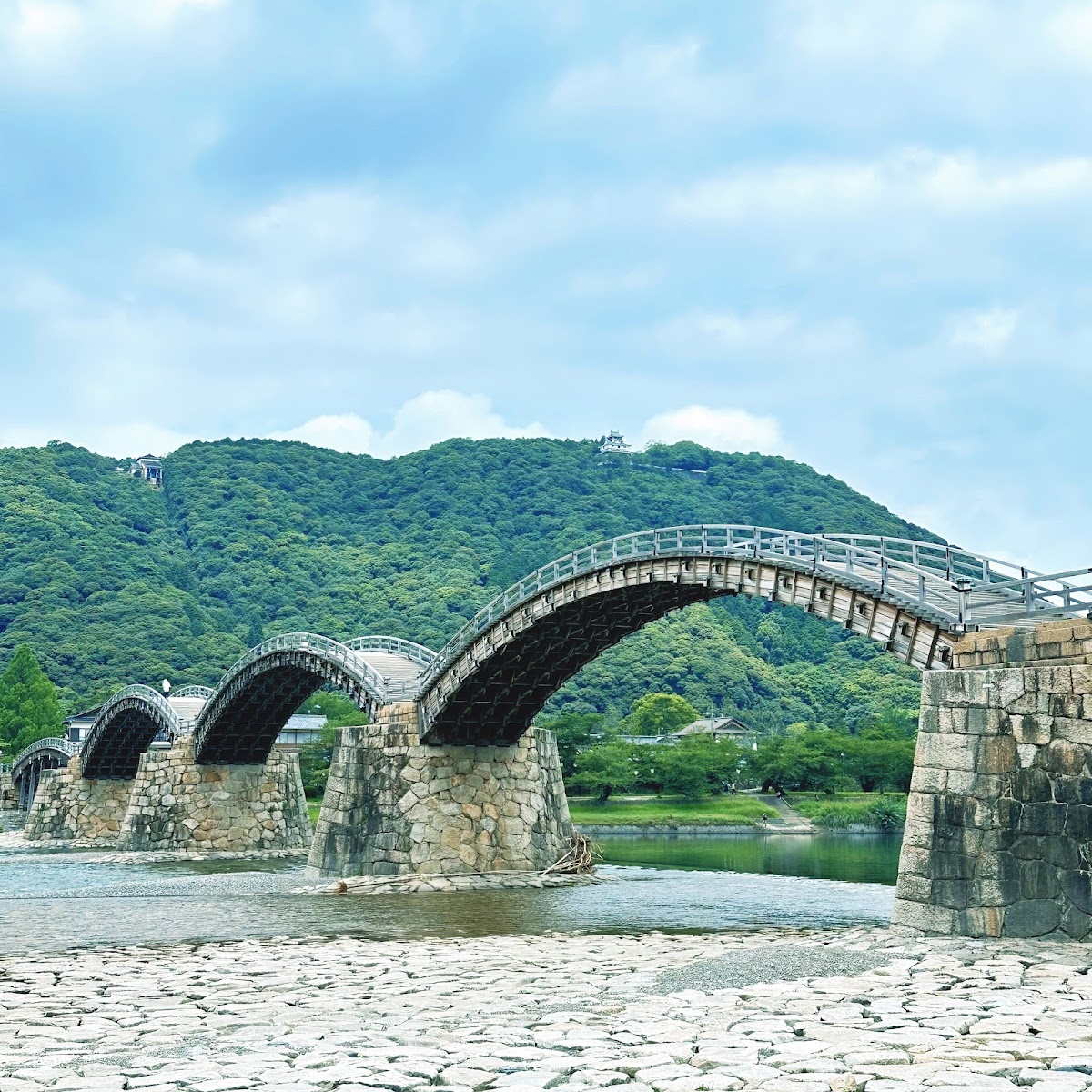
Kintai Bridge, a representative tourist attraction in Yamaguchi Prefecture, is one of Japan’s premier cherry blossom viewing spots, with approximately 3,000 cherry trees blooming in spring. The collaboration between the beautiful five-arch wooden bridge, counted as one of Japan’s three most famous bridges, and the cherry blossoms is known as a spectacular sight symbolizing spring in Japan.
This article provides comprehensive information to maximize your cherry blossom viewing experience at Kintai Bridge, covering everything from the highlights of the cherry blossoms, blooming periods, and illumination information to surrounding tourist attractions and access methods.
Kintai Bridge | History and Charm of One of Japan’s Three Most Famous Bridges
Historical Background of Kintai Bridge
Kintai Bridge was constructed in 1673 (Enpō 1) by Yoshikawa Hiroyoshi, lord of the Iwakuni Domain, as a five-arch bridge. To prevent the bridge from being swept away by floods in the Nishikigawa River, it was built using a unique wooden arch structure with traditional woodworking techniques that use not a single nail.
From the early Edo period to the present day, it has maintained its beautiful appearance through several reconstructions. Renowned ukiyo-e artists such as Katsushika Hokusai and Utagawa Hiroshige have depicted Kintai Bridge, and it has long been known as a scenic spot representative of Japan.
National Designation as a Scenic Site and Status as One of Japan’s Three Most Famous Bridges
Kintai Bridge is designated as a national scenic site and is counted as one of Japan’s three most famous bridges alongside Nihonbashi (Tokyo) and Megane Bridge (Nagasaki). The 193.3-meter-long, 5-meter-wide wooden bridge is characterized by its graceful series of arches and is highly valued as a historical structure embodying the pinnacle of architectural technology.
Structural Characteristics of Kintai Bridge
The five arches each have different structures, with the three central ones forming arch bridges and the two end ones forming beam bridges. This unique structure achieves both beautiful curves and high durability. The timber used is primarily hinoki cypress and Japanese zelkova, with periodic reconstruction ensuring the continuation of traditional techniques.
Cherry Blossoms at Kintai Bridge | Spectacular Views from Japan’s Top 100 Cherry Blossom Spots
Scale and Varieties of Cherry Blossoms
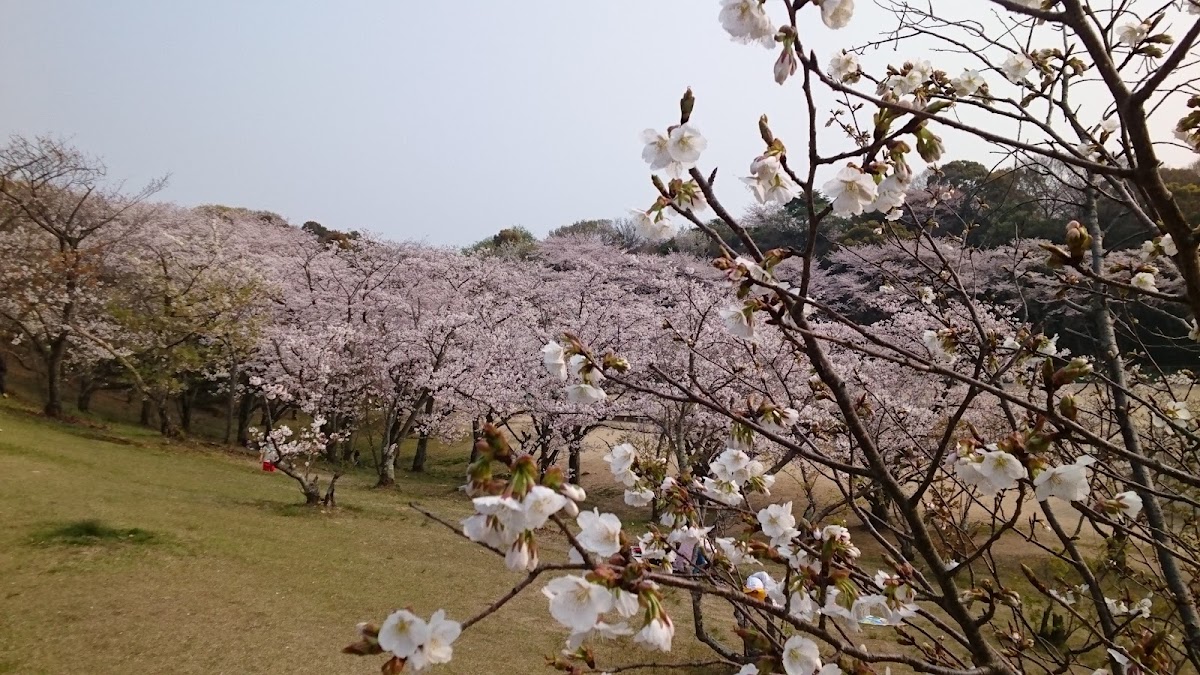
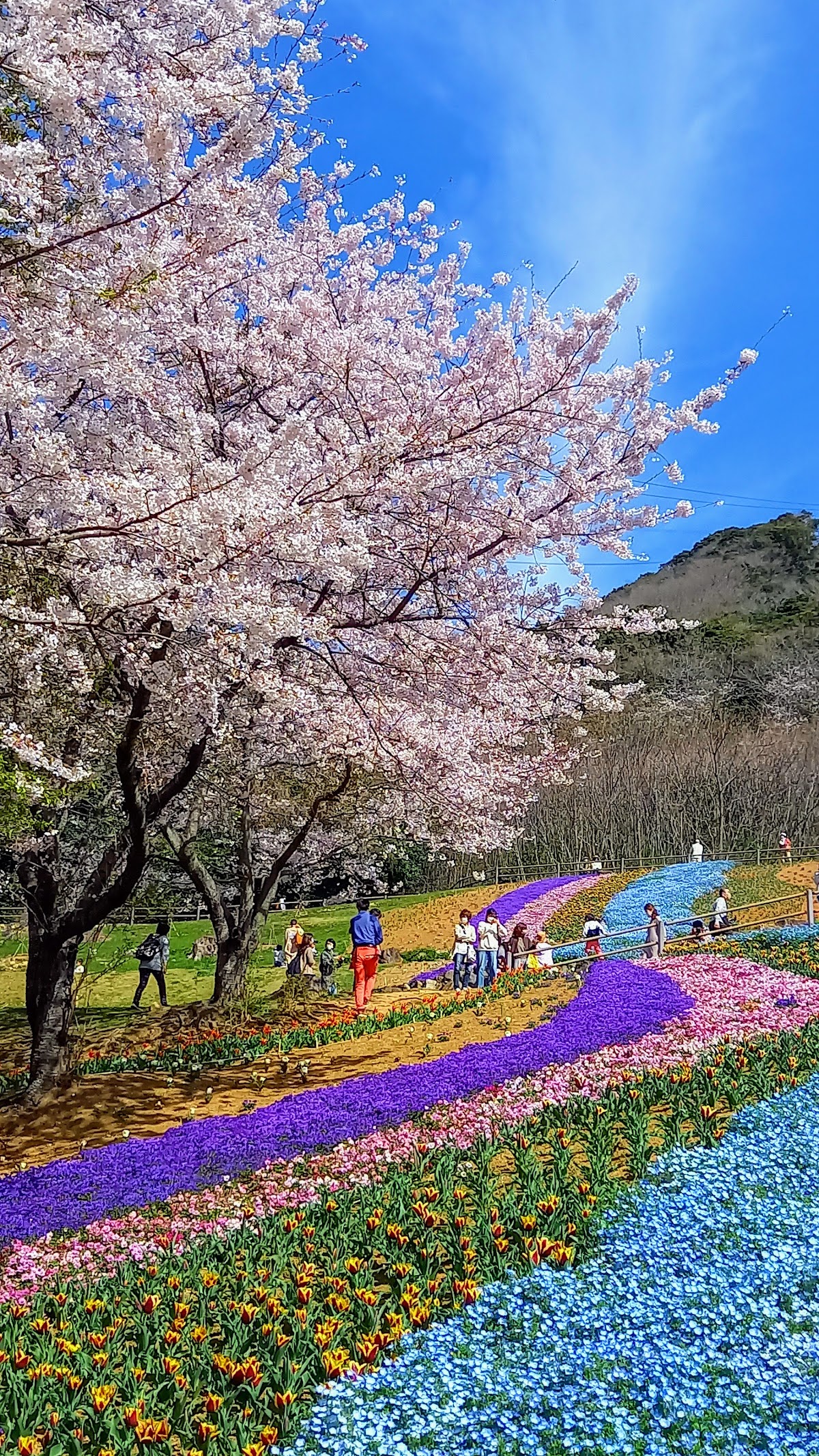
Approximately 3,000 cherry trees (some sources cite about 1,500) are planted around Kintai Bridge, and the location has been selected for “Japan’s Top 100 Cherry Blossom Viewing Spots.” The primary variety is Somei Yoshino, but yae-zakura and wild cherry blossoms are also mixed in, allowing you to enjoy cherry blossoms over an extended period as blooming times shift.
A cherry blossom lined avenue continues along the banks of the Nishikigawa River, with cherry trees blooming around Kintai Bridge in a spectacular display. The sight of cherry blossoms reflected in the river water along with the bridge is popular as a photo spot, attracting many tourists and photography enthusiasts.
Scenic Points for Viewing Kintai Bridge and Cherry Blossoms
The charm of Kintai Bridge’s cherry blossoms lies in being able to enjoy different expressions from various angles.
View from downstream: A popular photography spot offering an unobstructed view of the five arches and cherry blossoms. The composition looking up at Kintai Bridge through cherry blossoms is truly painting-like in beauty.
View from the bridge: Viewing the cherry blossom avenue while crossing the bridge provides an experience like walking through a tunnel of blossoms. You can simultaneously enjoy the clear waters of the Nishikigawa River and cherry blossoms on both banks.
View from Yoshika Park side: You can enjoy cherry blossoms with the bridge as a backdrop, with the Iwakuni Castle tower visible in the distant landscape, creating a luxurious vista.
Nishikigawa riverbed: The inverted reflection of cherry blossoms and Kintai Bridge in the river water is a spectacular sight, particularly visible on windless, clear days.
Cherry Blossom Peak Season and Blooming Information
Typical Blooming and Peak Season
Cherry blossoms at Kintai Bridge typically reach their peak from late March to early April. The specific schedule is as follows:
- Blooming period: Late March (around March 25)
- Peak bloom: Early April (around April 1-5)
- Prime viewing period: Approximately 10 days to 2 weeks from blooming
However, the blooming period varies depending on climate conditions each year, so it is recommended to check the latest blooming information before visiting. You can confirm information on the Yamaguchi Prefecture or Iwakuni City tourism associations and cherry blossom forecast websites such as Weather News.
Extended Flower Viewing with Double-Flowered Cherries
After Somei Yoshino petals fall, double-flowered cherries bloom from mid to late April. Double-flowered cherries are characterized by numerous petals and voluminous, gorgeous blooms. Offering a different aesthetic from Somei Yoshino, they allow you to enjoy extended flower viewing, which is one of Kintai Bridge’s appealing qualities.
Cherry Blossom Illumination at Kintai Bridge | The Enchanting World of Nighttime Cherry Blossoms
Illumination Period and Hours
Night illumination is conducted around Kintai Bridge from the official cherry blossom bloom announcement through early April.
- Operating period: From cherry blossom bloom announcement through early April (approximately 2 weeks)
- Lighting hours: From dusk to around 22:00
- Illumination method: Lantern lighting and floodlight illumination
Kintai Bridge itself is illuminated in various colors, and the combination with cherry blossoms creates an enchanting atmosphere. The nighttime cherry blossoms, presenting a completely different character from daytime, captivate many visitors.
Tips for Enjoying Nighttime Cherry Blossoms
The following points enhance your nighttime cherry blossom viewing experience:
Tripod use: For nighttime photography, tripod use is recommended to prevent camera shake. However, during crowded periods, consideration for other visitors is necessary.
Cold weather protection: Spring evenings can be chilly, so bringing a jacket or shawl for warmth is advised.
Early arrival: Popular photography spots become crowded, so arriving before sunset to secure a location is wise.
River surface reflection: At night, the reflection of cherry blossoms and bridge illumination in the river is particularly beautiful, creating a mirror-like landscape.
Enjoying Cherry Blossom Viewing from a Boat on “Sakura-bune” Spring Pleasure Cruises
Sakura-bune Operation Information
During the peak cherry blossom season, pleasure cruises called “sakura-bune” operate on the Nishikigawa River. Viewing Kintai Bridge and cherry blossoms from the water offers a completely different perspective from land-based viewing—a truly special experience.
- Operating period: Peak cherry blossom season (late March to early April)
- Cruising time: Approximately 20-30 minutes
- Fare: Around 1,000 yen per adult (varies by year)
- Boarding location: Boarding point downstream from Kintai Bridge
Taking a leisurely cruise while listening to the boatman’s commentary makes your cherry blossom viewing memories even more special.
Appeal of Sakura-bune
From the water, you experience passing through tunnels of cherry blossoms and viewing the beautiful arches of Kintai Bridge from directly below. The sight of fallen petals flowing across the water’s surface is picturesque, offering a luxurious time to feel spring with all your senses.
Reservations may be required, so it is recommended to contact the Iwakuni City Tourism Association beforehand.
Yoshika Park | A Cherry Blossom Viewing Spot Adjacent to Kintai Bridge
Overview of Yoshika Park
Yoshika Park, located across from Kintai Bridge, is a historically significant space where the residence of the Yoshikawa family and samurai retainers’ residences have been opened as a public park. The vast grounds feature not only cherry blossoms but various flowering trees, allowing you to enjoy nature throughout the seasons.
Ways to Enjoy Cherry Blossom Viewing in Yoshika Park
The park includes grassy areas where you can enjoy picnic-style flower viewing by spreading a mat. Compared to the surrounding Kintai Bridge area, there is relatively spacious, relaxed room, making it ideal for families and groups enjoying cherry blossoms.
Within the park, you’ll find the Iwakuni Castle ropeway station, Iwakuni Art Museum, and Yoshikawa Historical Museum, allowing you to combine flower viewing with tourism.
Cherry Blossom Viewing Events and Food Stalls Around Kintai Bridge
Cherry Blossom Festivals and Related Events
Various events are held around Kintai Bridge during the cherry blossom blooming season. Local specialty products and food vendor stalls line the area, creating a festive atmosphere.
- Vendor types: Iwakuni sushi, local sake, dango, grilled chicken and other local cuisine
- Event locations: Kintai Bridge surroundings, within Yoshika Park
- Operating period: Approximately 2 weeks aligned with peak cherry blossoms
Weekends often feature performances of traditional arts and stage events that can be enjoyed alongside flower viewing.
Iwakuni’s Famous Local Cuisine
Be sure to sample Iwakuni’s famous local cuisine during your flower viewing.
Iwakuni sushi: A pressed sushi inspired by the arch of Kintai Bridge, it’s a visually beautiful regional dish.
Lotus root dishes: Iwakuni is also known as a lotus root producing region, with dishes including tempura and simmered preparations.
Local sake: Yamaguchi Prefecture is a renowned sake region, with a selection of fine brands including “Dassai.”
Access to Kintai Bridge
Access by Public Transportation
By JR
- Exit at “Iwakuni Station” on JR Sanyo Main Line
- Board Iwakuni Bus “Kintai Bridge” bound bus from the station for approximately 20 minutes
- Get off at “Kintai Bridge Bus Stop,” approximately 5 minutes walk
By Shinkansen
- Exit at “Shin-Iwakuni Station” on JR Tokaido/Sanyo Shinkansen
- Board Iwakuni Bus “Kintai Bridge” bound bus from the station for approximately 15 minutes
During the cherry blossom season, temporary bus services may be increased, so checking the latest timetable is recommended.
Access by Automobile and Parking Information
Using expressways
- Approximately 10 minutes from “Iwakuni IC” on the Sanyo Expressway
- Approximately 60 minutes from “Yokkaichi IC” on the Chugoku Expressway
Parking lots
- Multiple paid parking lots around Kintai Bridge
- Fees: Approximately 300-500 yen for regular vehicles (varies by season)
- Total capacity: Approximately 500 spaces
During peak cherry blossom season, especially weekends, parking areas become congested, so early arrival or use of public transportation is recommended. Temporary parking on the riverbed is sometimes made available.
Kintai Bridge Sightseeing Entry Fee and Operating Hours
Entry Fee
Crossing Kintai Bridge requires an entry fee.
- Adults: 310 yen
- Elementary school students: 150 yen
- Combination tickets: Bundle tickets for Kintai Bridge + Ropeway + Iwakuni Castle are also available (970 yen)
Entry fees are used for bridge maintenance and management, serving as important funding to preserve the traditional wooden bridge for future generations.
Operating Hours
Kintai Bridge itself is open 24 hours, but fee collection hours are as follows:
- Regular season: 8:00-17:00
- Cherry blossom season: Extended hours (details to be confirmed)
Passage is free outside fee collection hours, but nighttime crossing requires careful attention to footing.
Tourist Attractions Around Kintai Bridge
Iwakuni Castle
Visible on the mountainside from Kintai Bridge, Iwakuni Castle was built in 1608 by Yoshikawa Hiroyoshi, the first lord of the Iwakuni Domain. The current castle tower is a 1962 reconstruction that now serves as a historical museum.
The view from the castle tower is magnificent, offering a bird’s-eye view of Kintai Bridge and cherry blossoms. You can access it in approximately 3 minutes via ropeway from Yoshika Park.
Iwakuni Art Museum / Kashiwabara Collection
Located within Yoshika Park, this museum features an extensive collection of armor and swords. For weaponry enthusiasts, the exhibition is unmissable, and it’s worth visiting in combination with cherry blossom viewing.
White Snake Observation Area
Iwakuni is known as the habitat of the rare white snake, a national natural monument. At the White Snake Observation Area, you can observe white snakes up close and the site is popular as a power spot believed to bring good fortune.
Former Megata Samurai Residence
A reconstructed Edo period samurai house offering glimpses of how samurai lived during that era. The garden is also beautiful, and during cherry blossom season, picturesque scenery can be enjoyed.
Cherry Blossom Photography Techniques at Kintai Bridge
Tips for Taking the Best Photos
Timing: Early morning and sunset provide soft light ideal for photographing cherry blossoms and Kintai Bridge beautifully. The golden hour between 7:00-9:00 AM is particularly good, with fewer tourists allowing for calm shooting.
Compositional arrangement: Try various angles—using cherry blossoms as the foreground with the bridge as background, or making the bridge the star with blossoms as supporting players.
Utilizing weather conditions: Blue sky and cherry blossom contrast in sunny weather, soft light on cloudy days, or cherry blossoms with water droplets after rain each capture different expressions.
Using telephoto lenses: Photographing cherry blossoms and the bridge with a telephoto lens creates a compression effect, resulting in impressive, dense images.
Tips for Avoiding Crowded Photography Conditions
Weekday early mornings and late afternoons are relatively uncrowded, allowing leisurely shooting. Additionally, angles from the Yoshika Park side tend to have fewer people than mainstream photography spots.
Cherry Blossom Tour Plans Combining Other Yamaguchi Prefecture Cherry Blossom Spots
Ichinozaka River (Yamaguchi City)
Along the Ichinozaka River in Yamaguchi City, about 600 Somei Yoshino cherry trees create a beautiful collaboration with the picturesque scenery of Yamaguchi City, called “Little Kyoto.” It is approximately 40 minutes by car from Kintai Bridge.
Tokiwa Park (Ube City)
One of Japan’s Top 100 Cherry Blossom Viewing Spots, it features approximately 3,500 blooming cherry trees. The vast grounds also include a zoo and amusement park, making it popular with families. Approximately 50 minutes by car from Kintai Bridge.
Hofu Tenmangu (Hofu City)
A shrine dedicated to Sugawara Michizane, deity of learning, with approximately 1,000 cherry trees planted on the grounds. The combination of historic structures and cherry blossoms is beautiful, located approximately 30 minutes by car from Kintai Bridge.
Shiroyama Historic Park (Kaminoseki Town)
Associated with the Murakami clan of pirates, this hilltop spot offers spectacular views of cherry blossoms and the Seto Inland Sea. Though approximately 1 hour 30 minutes by car from Kintai Bridge, it’s worth visiting as a hidden gem.
Practical Information for Enjoying Cherry Blossoms at Kintai Bridge
Clothing and Packing Advice
From late March to early April in Yamaguchi Prefecture, afternoons can be warm but mornings and evenings are chilly. Easily removable outerwear is recommended, with layered dressing for temperature adjustments.
Packing checklist
- Camera/smartphone (including chargers)
- Sunscreen/hat (for sunny days)
- Rain gear (folding umbrella)
- Picnic sheet (for park flower viewing)
- Drinks/light snacks
- Garbage bag (always take trash with you)
Crowd Predictions and Best Visiting Times
Peak crowds occur on weekends during peak bloom. Particularly 10:00 AM-3:00 PM on weekends is extremely crowded. To avoid crowds, weekday early mornings (7:00-9:00 AM) or evenings are recommended.
Since cherry blossom peak season lasts approximately one week, checking bloom forecasts frequently and planning around predicted peak bloom dates works well.
Barrier-Free Information
Kintai Bridge itself has a stepped structure making wheelchair access difficult. However, portions of Yoshika Park are relatively flat, with some areas accessible for wheelchair-using cherry blossom viewers. Accessible restrooms are also available within the park.
History and Cultural Significance of Cherry Blossoms at Kintai Bridge
Relationship Between Cherry Blossoms and Kintai Bridge
Cherry trees around Kintai Bridge are said to have been planted from the Meiji period onward. Initially only dozens of trees, their numbers gradually increased through efforts by local residents and administration, reaching the current scale.
Cherry tree planting has been carefully cultivated not only as a tourism resource but as a source of local pride. Each year, local residents conduct cherry tree maintenance and preservation activities.
Cherry Blossoms at Kintai Bridge in Cultural Works
Kintai Bridge has long served as a subject in literary works and paintings. Today, it continues to be used as a photography book subject and film location, with the spring cherry blossom beauty particularly highly valued both domestically and internationally.
In the social media age, photos are widely shared using hashtags like “#Kintaibridge” and “#Kintaibridgesakura” on Instagram, expanding its cultural value in new forms.
Local Tips for Enjoying Cherry Blossoms at Kintai Bridge
Hidden Gem Viewing Spots
Beyond the crowded mainstream spots, locals know of hidden gems.
Upstream riverbed of Nishikigawa: Slightly away from the main area, the upstream side allows relatively quiet cherry blossom enjoyment.
Overlooking from Iwakuni Castle: The view looking down at cherry blossoms and Kintai Bridge from above presents a completely different, grand vista.
Bridge early morning: Experiencing cherry blossom avenues from the bridge in the early morning, before tourists arrive, offers luxurious time.
Enjoying Local Cuisine
Around Kintai Bridge, established restaurants and teahouses offer dining while viewing cherry blossoms. Particularly riverside restaurants with terrace seating require early reservations during flower viewing season.
Additionally, established shops frequented by locals exist around Iwakuni Station and shopping streets, offering authentic Iwakuni cuisine at non-tourist prices.
Cherry Blossom Preservation Activities at Kintai Bridge and Future Initiatives
Cherry Blossom Preservation Activities
To preserve Kintai Bridge’s cherry blossoms for future generations, preservation activities are conducted by Iwakuni City and local volunteer organizations. Treatment of aging trees, planting new saplings, pest control measures and other sustainable cherry management occur under expert guidance.
Environmental Consideration
To mitigate environmental impact from increasing tourism, campaigns for garbage collection and restricted access areas to prevent damage to cherry tree roots are implemented. Each visitor’s proper etiquette contributes to preserving this beautiful landscape.
Summary | Experiencing the Ultimate Cherry Blossom Viewing at Kintai Bridge
Kintai Bridge in Iwakuni City, Yamaguchi Prefecture is truly one of Japan’s premier cherry blossom viewing destinations, presenting the beauty of one of Japan’s three most famous bridges combined with approximately 3,000 cherry trees. The appeal of viewing cherry blossoms and wooden bridge harmony in daytime, the enchanting nighttime illuminated scenery, and water-based appreciation from sakura-bune offer opportunities to enjoy cherry blossoms from multiple perspectives.
Though peak season from late March to early April attracts many nationwide visitors, aiming for early mornings or weekdays allows relatively relaxed cherry blossom enjoyment. Combined with nearby tourist attractions like Yoshika Park and Iwakuni Castle, you can spend an entire day fully experiencing Iwakuni’s spring.
The spectacular views of historic Kintai Bridge and cherry blossoms create a memorable experience deeply imprinted on visitors’ hearts. Please check the latest bloom forecasts and visit Kintai Bridge’s cherry blossoms at the perfect time. A precious opportunity awaits to experience the beauty of Japan’s spring with all five senses.