Complete Guide to Cherry Blossoms Around Jōhana Betsu-in Zentoku-ji Temple | Spectacular Spring Scenery in Nanto City, Toyama Prefecture
Jōhana district in Nanto City, Toyama Prefecture is known for its quiet townscape where history and culture thrive. At its center stands Jōhana Betsu-in Zentoku-ji Temple, which becomes a hidden gem of cherry blossom viewing in spring, with its grounds and surroundings adorned in beautiful blossoms, captivating many visitors. This article provides detailed information about the charm of cherry blossoms around Jōhana Betsu-in Zentoku-ji Temple, the best viewing period, access methods, nearby cherry blossom spots, and local cuisine to help you fully enjoy spring in Jōhana.
What is Jōhana Betsu-in Zentoku-ji Temple? A Historic Jōdo Shinshū Hongan-ji Branch Temple
Jōhana Betsu-in Zentoku-ji Temple is a venerable temple serving as a branch temple of the Jōdo Shinshū Hongan-ji sect, with a history of over 500 years. Founded in 1471 (the third year of the Bunmei era), it has flourished as the center of faith in the region alongside the development of Jōhana town.
The Architectural Charm of Zentoku-ji Temple
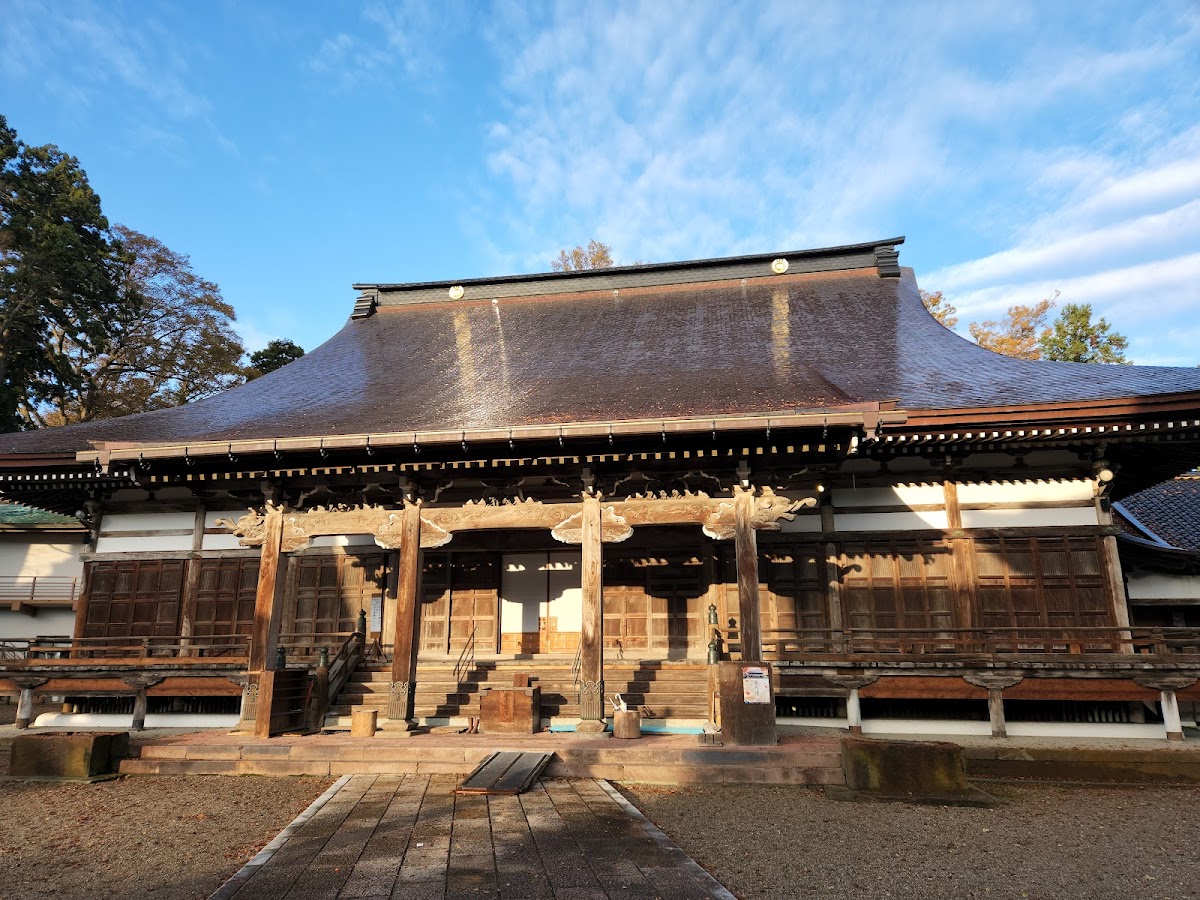
The main hall of Zentoku-ji is a magnificent structure designated as a Toyama Prefecture cultural property. Its imposing irimoya-style roof represents the finest of Etchū Jōdo Shinshū architecture, with detailed carvings and ornaments that overwhelm viewers. The large roof of the main hall in particular stands out prominently in the surrounding landscape, and during cherry blossom season, the contrast between this historic structure and the blossoms creates a spectacular sight.
The Relationship Between Jōhana Town and Zentoku-ji
Jōhana town developed as a temple town centered around Zentoku-ji. The town layout, arranged in a grid pattern centered on the temple, still retains much of its Edo period character. As a producer of silk textiles, Jōhana has earned the title of “Little Kyoto of Etchū,” and Zentoku-ji has played an important cultural role in this heritage.
Cherry Blossom Viewing Highlights at Jōhana Betsu-in Zentoku-ji
Cherry Blossoms in the Temple Grounds
The temple grounds contain approximately 50 cherry trees, primarily Yoshino cherries. The blossoms that surround the main hall create a harmonious contrast with the historic structure, producing a landscape reminiscent of a period painting.
Particularly noteworthy is the view of cherry blossoms from the front of the main hall. The blossoms blooming against the backdrop of the large roof embody the beauty characteristic of Japan, a fusion of traditional architecture and natural beauty. Additionally, the cherry trees lining the stone-paved approach path offer the experience of walking through a cherry blossom tunnel.
Night Cherry Blossom Illumination Information
During the cherry blossom bloom period, Zentoku-ji may implement nighttime illumination (implementation varies by year, so advance confirmation is recommended). The illuminated main hall and cherry blossoms create a fantastical atmosphere quite different from daytime viewing.
The silhouette of the cherry blossoms and historic structure rising from the darkness is popular as a photography spot. Taking time to slowly appreciate the cherry blossoms in the quiet nighttime grounds is truly special.
Best Photo Spots
- View from the front of the main hall: A classic spot where you can capture the large roof and cherry blossoms together
- Near the temple gate: Beautiful framing of the gate and blossoms
- Cherry tree-lined approach path: Atmospheric contrast between stone pavement and blossoms
- Bell tower and cherry blossoms: Popular composition with the bell tower as backdrop
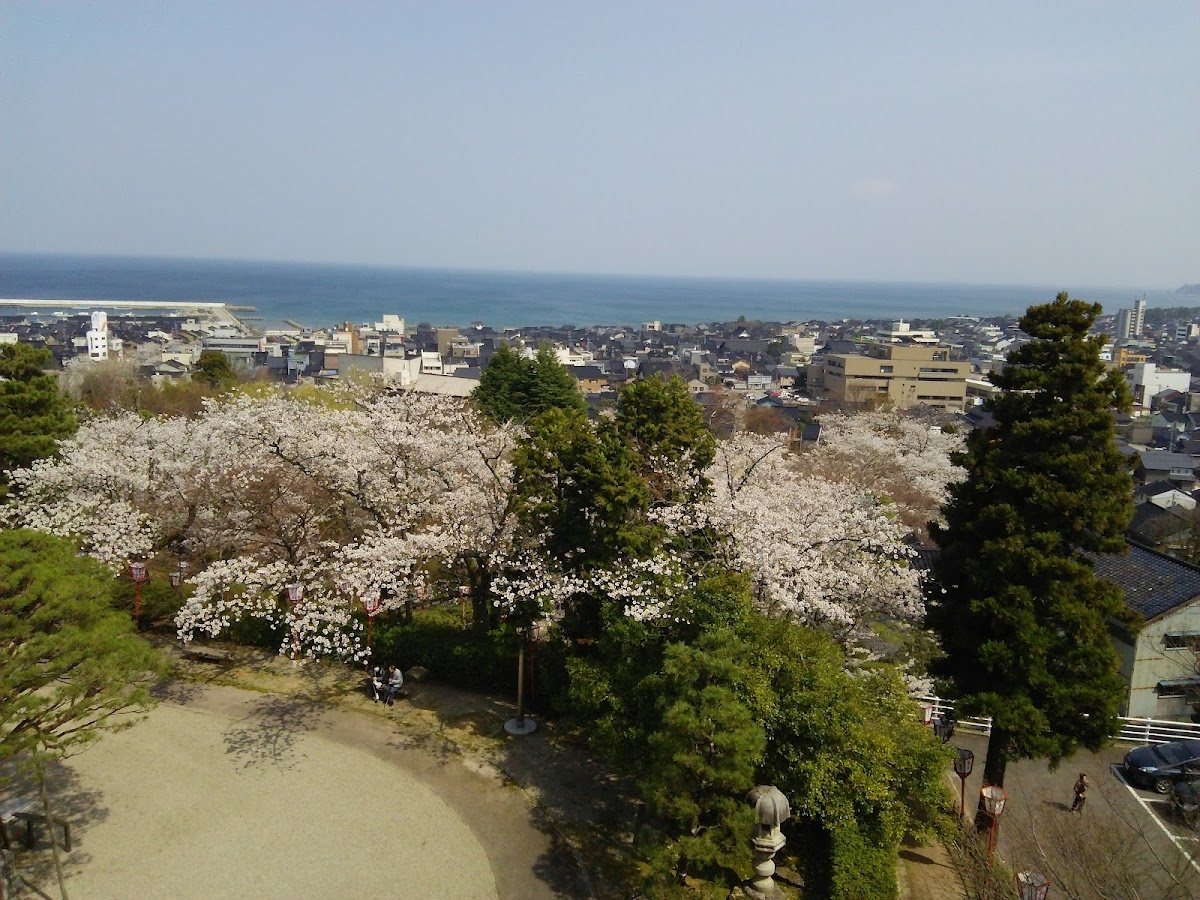
- North side of the grounds: Hidden gem spot offering a panoramic view of town and blossoms
Cherry Blossom Viewing Season and Bloom Information
Typical Peak Viewing Period
The peak viewing season for cherry blossoms around Jōhana Betsu-in Zentoku-ji typically falls from early April through mid-April. Blooming occurs slightly later than in Toyama’s plains but earlier than in high-elevation mountainous areas.
- Bloom period: Late March to early April
- Peak bloom period: Early April through mid-April
- Cherry blossom scattering: Mid-April through late April
Year-by-Year Bloom Trends
Recent climate changes have caused variations in bloom timing by year. Warm winters tend to bring earlier blooming, while cold springs cause later blooming. When planning a visit, it is recommended to check information from local tourism associations and weather forecasts from late March onward.
Methods to Check Bloom Information
- Nanto City Tourism Association Official Website: Updates cherry blossom information throughout the city regularly
- Toyama Prefecture Cherry Blossom Forecasts: Consult forecasts from the Japan Meteorological Agency and private weather services
- Social Media: Check posts from local residents and visitors for the latest conditions
- Phone Inquiry: Direct confirmation available from the Jōhana Tourism Association (0763-62-1821)
Other Cherry Blossom Spots Near Jōhana Betsu-in Zentoku-ji
When visiting Zentoku-ji, be sure to explore nearby cherry blossom spots as well. The Jōhana district has several cherry blossom viewing points within walking distance.
Cherry Tree-lined Streets in Jōhana Town
About a 5-minute walk from Zentoku-ji, the Jōhana commercial district features a cherry tree-lined street that harmonizes with the traditional townscape. The scenery created by traditional merchant houses and cherry blossoms is truly worthy of the title “Little Kyoto of Etchū.” The area around “Kura Kairo” (warehouse corridor) is particularly beautiful, with white warehouse walls contrasting beautifully with cherry blossoms, making it a popular photography spot. The leisurely stroll allows you to enjoy both the historic townscape and cherry blossoms simultaneously.
Jōhana Hikiyama Assembly Hall Surroundings
The area around Jōhana Hikiyama Assembly Hall, which exhibits materials from the traditional “Jōhana Hikiyama Festival,” also features planted cherry trees. During certain periods, you can view the festival floats alongside the cherry blossoms, offering a rare opportunity to experience Jōhana’s culture while enjoying flower viewing.
Cherry Trees Along Yamada River
Along the Yamada River, which flows through Jōhana town, there is approximately 1 km of cherry tree-lined banks. Strolling along cherry blossoms while listening to the murmur of the river provides healing time that makes you forget urban hustle and bustle. The reflection of cherry blossoms on the river’s surface is also beautiful, allowing for a leisurely flower viewing experience.
Sakura-ga-Ike Surroundings (approximately 15 minutes by car)
Sakura-ga-Ike, located approximately 15 minutes by car from Jōhana, is one of Nanto City’s representative cherry blossom spots. Approximately 600 cherry trees bloom over a roughly 2 km perimeter around the pond, and the sight of blossoms reflected on the water’s surface is spectacular. Many visitors tour both Zentoku-ji and this popular spot.
During the cherry blossom bloom period, “Cherry Blossom Festival” is held at Sakura-ga-Ike, featuring nighttime illumination and food stalls.
Access Methods and Parking Information
Access via Public Transportation
By train and bus:
- Get off at “Jōhana Station” on the JR Jōhana Line
- Approximately 15-minute walk from the station, or a short walk from the “Zentoku-ji-mae” stop on the Nanto City bus
Access from major cities:
- From Kanazawa: JR Hokuriku Main Line to Takaoka Station (approximately 30 minutes), transfer to JR Jōhana Line to Jōhana Station (approximately 50 minutes)
- From Toyama: JR Takayama Main Line to Takaoka Station (approximately 20 minutes), transfer to JR Jōhana Line to Jōhana Station (approximately 50 minutes)
The JR Jōhana Line is a charming local line where the scenery from the windows is an enjoyable part of the journey.
Access by Car
Using expressways:
- From Tōkai-Hokuriku Expressway “Fukumitsu IC”: Approximately 15 minutes (approximately 10 km)
- From Hokuriku Expressway “Tonami IC”: Approximately 30 minutes (approximately 20 km)
Address for car navigation: Jōenji 405, Jōhana, Nanto City, Toyama Prefecture (Jōhana Betsu-in Zentoku-ji Temple)
Parking Information
Zentoku-ji has parking available for visitors. During peak cherry blossom season, congestion may occur, so early arrival is recommended.
- Zentoku-ji Parking Lot: Free, approximately 30 spaces
- Jōhana Town Parking Lots: Multiple options within 5-10 minute walk
- During peak blossom season: Temporary parking lots may be opened
On weekends and during peak bloom periods, congestion is expected, so consider using public transportation.
Ways to Enjoy the Area Around Jōhana Betsu-in Zentoku-ji
Exploring Jōhana’s Townscape
Along with cherry blossom viewing, a stroll through Jōhana’s historic townscape is also recommended. The temple town that spreads out from Zentoku-ji features traditional merchant houses and storehouses, offering an atmosphere of stepping back in time.
Recommended strolling route:
- Jōhana Betsu-in Zentoku-ji Temple (cherry blossom viewing)
- Jōhana town townscape stroll (approximately 15 minutes)
- Kura Kairo (traditional craft exhibits)
- Jōhana Hikiyama Assembly Hall (learn about Jōhana festival culture)
- Jōhana-za (traditional performing arts facility)
This route takes approximately 2-3 hours on foot and allows you to fully experience the charm of Jōhana.
Experiencing the History of Jōhana Silk
Jōhana has been known since the Edo period as a producer of silk textiles. “Jōhana silk” is recognized for its high quality, and the town still retains weaving workshops and shops selling silk products. Touching the world of traditional crafts between cherry blossom viewing sessions is a worthwhile experience.
Jōhana Hikiyama Festival (held in May)
Although it occurs at a different time than cherry blossom season, “Jōhana Hikiyama Festival,” Jōhana’s representative traditional event, is held on May 4-5 each year. Registered as a UNESCO intangible cultural heritage, this spectacular festival features ornate festival floats parading through town. If you fall in love with Jōhana during cherry blossom season, be sure to visit again during the Hikiyama Festival period.
Gourmet Information Around Jōhana
After cherry blossom viewing, enjoy local delicious cuisine as well. The area around Jōhana offers restaurants where you can savor dishes utilizing Toyama ingredients and traditional regional cuisine.
Recommended Dining Establishments
Sakura-ya
A Japanese restaurant near Jōhana Station serving fresh local ingredients in set meals and rice bowls. Spring mountain vegetable dishes are particularly recommended, allowing you to enjoy Toyama’s seasonal flavors.
Kurafuto Ai (Indigo)
A café in a renovated old warehouse that blends beautifully with Jōhana’s townscape. Lunch and sweets using locally-sourced ingredients are available, perfect for a break during your stroll.
Jōhana Orikukan Café
Located inside a Jōhana silk exhibition facility, this café offers coffee and tea in a calm atmosphere. Ideal for a break during your exploration.
Local Specialties and Souvenirs
Jōhana Specialty “Tsukune Imo” (Yam)
This sticky mountain yam grown in the Jōhana area is grated and served over rice or used in cooking. Available at roadside stations.
Jōhana Silk Products
Stoles and handkerchiefs made from traditional Jōhana silk are popular souvenirs representing fine quality.
Gokayama Tofu
The famous tofu from the nearby Gokayama region is characterized by firmness and resistance to falling apart when simmered. Available at roadside stations and souvenir shops.
Local Sake
Toyama has several sake breweries, and Japanese sake made from Toyama rice and water is exceptional. “Katsukomma” and “Sanshōraku” are famous brands.
Nearby Tourist Attractions
There are numerous tourist attractions near Jōhana Betsu-in Zentoku-ji that combine well with cherry blossom viewing.
Gokayama Gasshō-zukuri Village Cluster (approximately 30 minutes by car)
The Gokayama gasshō-zukuri villages, registered as a World Heritage site, are approximately 30 minutes by car from Jōhana. In the Aiko and Suganuma village clusters, you can enjoy scenery that can be called the original Japanese landscape. Spring is when snow melts, creating beautiful contrasts between fresh greenery and lingering snow.
Nami Sculpture Village (approximately 20 minutes by car)
Nami, one of Japan’s premier wood carving centers, is approximately 20 minutes by car from Jōhana. The entire town functions like a sculpture gallery where you can view artisan workshops and purchase carving works. The carvings on the mountain gate and railings of Zuisen-ji Temple are must-sees.
Shōgawa Gorge (approximately 40 minutes by car)
Shōgawa Gorge features beautiful fresh greenery and cherry blossoms. You can also enjoy the gorge’s scenery aboard a sightseeing boat, allowing you to fully experience spring’s natural beauty.
Tonami Tulip Park (approximately 30 minutes by car)
Following the cherry blossom season, the Tonami Tulip Fair is held from late April through early May. The sight of 3 million tulips in bloom is spectacular, offering a different springtime flower beauty than cherry blossoms.
Precautions and Etiquette for Your Visit
Temple Visiting Etiquette
Jōhana Betsu-in Zentoku-ji is an active religious facility. When visiting for cherry blossom viewing, please observe the following etiquette:
- Refrain from loud conversation inside the main hall
- Photography is permitted only in designated areas
- Be considerate not to disturb other visitors
- Always take trash with you
- Do not break cherry branches or damage trees
Clothing and Items to Bring
Clothing:
- Although daytime temperatures in early April are warm, mornings and evenings can be cold
- Layering is recommended
- Comfortable walking shoes (the route involves considerable walking including town exploration)
Items to bring:
- Camera (smartphone is sufficient, but a DSLR camera produces more beautiful photos)
- Cold weather gear (for morning and evening)
- Picnic sheet (for resting in the grounds, but only in designated areas)
- Beverages and light snacks (few shops nearby)
Tips for Avoiding Crowds
- Weekday visits: Weekdays tend to be less crowded than weekends
- Early morning: Around 8-9 AM there are fewer people, allowing for quiet appreciation
- Late afternoon: Cherry blossoms lit by the setting sun are beautiful, and it’s less crowded than daytime
Accommodation Information
There are several options for staying around Jōhana.
Accommodation Facilities Near Jōhana
Jōhana Hot Spring Sakura-ga-Ike Aqua Garden
A hot spring lodging facility on the shore of Sakura-ga-Ike pond. With hot spring baths, a pool, and restaurant, it allows for relaxed stays. During cherry blossom season, you can also enjoy the cherry blossoms around the pond.
Minshuku (Guest Houses)
Several small family-run inns and guesthouses exist in Jōhana town, offering opportunities to interact with locals.
Accommodations in Nearby Cities
Tonami City: Approximately 20 minutes by car from Jōhana. Many business hotel options
Nanto City Fukumitsu District: Approximately 15 minutes by car from Jōhana. Hot spring inns available
Takaoka City: Direct access via JR Jōhana Line. Many hotels near the station with convenient access
Zentoku-ji Through the Four Seasons
Beyond cherry blossom season, Zentoku-ji displays different characteristics throughout the year.
Fresh Green Season (May-June)
As cherry blossoms fade, the temple grounds become enveloped in vibrant fresh greenery. During the Jōhana Hikiyama Festival (May), you can enjoy both the festival and fresh greenery simultaneously.
Summer (July-August)
The grounds covered in deep green maintain a cool atmosphere even in hot summer. With cicada calls echoing through the quiet grounds, you can experience the essence of Japanese summer.
Autumn Colors (October-November)
In autumn, the temple grounds’ maple and ginkgo trees turn brilliant colors, displaying a different beauty from cherry blossoms. The grounds tinged in red and gold harmonize beautifully with the historic structures.
Snowy Landscape (December-March)
Winter in snowy Toyama covers Zentoku-ji in snow as well. The contrast between white snow and black roof tiles, combined with the silence surrounding the grounds, creates an austere and mysterious atmosphere.
Conclusion: Experience Japanese Spring at Jōhana Betsu-in Zentoku-ji
The cherry blossoms around Jōhana Betsu-in Zentoku-ji represent a premier cherry blossom viewing spot in Toyama Prefecture where historic architecture and natural beauty harmonize perfectly. The greatest appeal lies in the ability to appreciate cherry blossoms slowly in a quiet environment not overly commercialized as a tourist destination.
The combination of Zentoku-ji’s dignified main hall and cherry blossoms embodies the traditional beauty of Japan and is particularly popular with photography enthusiasts. By visiting alongside Jōhana’s historic townscape, local cuisine, and surrounding attractions, you can create a more enriching travel experience.
Though the cherry blossom viewing season is brief, spanning only early to mid-April, its beauty is well worth the visit. It is especially recommended for those seeking to enjoy cherry blossoms in quiet surroundings without crowds and for those wishing to experience flower viewing while touching history and culture.
This spring of 2024, please visit Jōhana Betsu-in Zentoku-ji and experience the beauty of cherry blossoms blooming in this little Kyoto of Etchū. The scenery created by historic temple and cherry blossoms will surely become a cherished memory.
Pre-visit Checklist:
- [ ] Confirm bloom information (from late March onward)
- [ ] Check weather forecast
- [ ] Decide on access method (public transportation or car)
- [ ] Plan nearby exploration route
- [ ] Confirm camera battery charge
- [ ] Prepare cold weather gear
- [ ] Confirm operating hours of local restaurants
May your cherry blossom viewing around Jōhana Betsu-in Zentoku-ji become wonderful spring memories.