Matsukawa Park Cherry Blossoms (Toyama Prefecture) | A Complete Guide to the Charm and Enjoyment of One of Japan’s Top 100 Cherry Blossom Spots
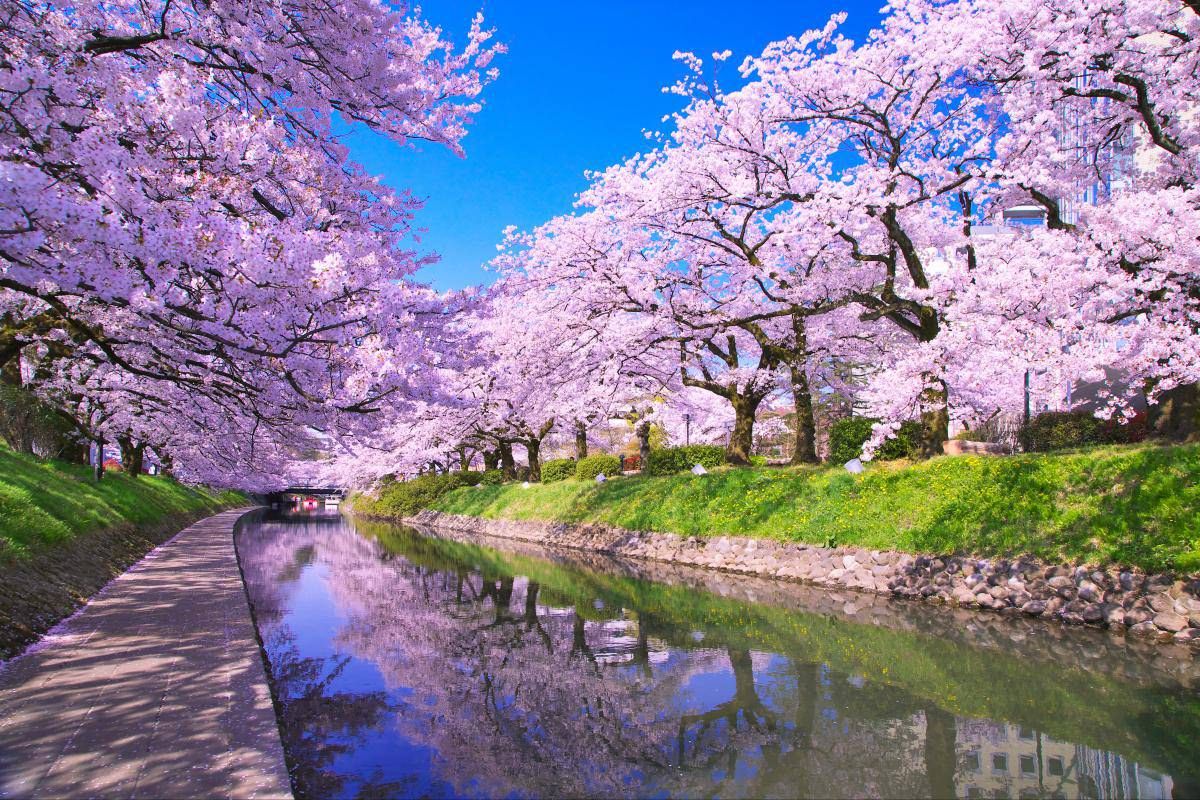
The Matsukawa River flows east and west through the center of Toyama City. The approximately 530 cherry trees lining both banks have been selected as one of “Japan’s Top 100 Cherry Blossom Spots,” making it Toyama Prefecture’s representative cherry blossom viewing destination. As the natural outer moat of Toyama Castle, the Matsukawa River has left its mark on history. In spring, a magnificent cherry blossom tunnel appears, attracting many flower-viewing visitors.
This article comprehensively introduces information you should know before visiting, from the charm of Matsukawa Park’s cherry blossoms and bloom status to the enjoyment methods such as cherry blossom viewing cruise boats and access information.
Matsukawa Park | Toyama City’s Symbolic Cherry Blossom Viewing Spot
Historical Background of the Matsukawa River
The Matsukawa River is a remnant of the Jinzu River that once functioned as Toyama Castle’s natural outer moat. During the Toyama Domain period, it was also used as a river transportation route that supported Toyama’s development. Today, it functions as an urban river approximately 3.9 km long flowing through central Toyama City, serving as a gathering place for residents.
The Value of “Japan’s Top 100 Cherry Blossom Spots” Designation
Matsukawa Park (official name) has been selected as one of “Japan’s Top 100 Cherry Blossom Spots” by the Japan Cherry Blossom Association. Along with Takaoka Old Castle Park, it is one of only two selections in Toyama Prefecture and receives high evaluation nationally. It has also been selected as one of “Toyama’s 70 Cherry Blossom Viewing Spots,” establishing its position as Toyama’s premier cherry blossom destination.
Characteristics of Matsukawa Park’s Cherry Blossoms
The approximately 530 cherry trees (some sources cite approximately 500) lining the Matsukawa River are mostly Somei Yoshino. The cherry tree-lined path stretching about 4 km in total forms a magnificent cherry blossom tunnel when in full bloom, captivating all who visit.
The current cherry trees were planted after 1950. In fact, cherry trees were originally planted in 1913 as memorial trees for the Taisho Emperor’s enthronement ceremony, but they were destroyed by war damage. Replanted during post-war reconstruction, they have now become a symbol of Toyama City and are cherished by residents.
Highlights of Matsukawa Park’s Cherry Blossoms
The Spectacular Cherry Tree-lined Path on Both Banks
A promenade has been developed along both banks of the Matsukawa River, allowing visitors to enjoy cherry blossoms while strolling along the water. With the theme “Water and Green Promenade,” 28 sculptural artworks are installed, creating a space where art and nature harmoniously coexist.
Walking beneath the cherry trees creates an overwhelming canopy of blossoms. Especially during full bloom, pink petals fill the sky, creating the sensation of walking under a cherry blossom canopy.
Combination with Toyama Castle Ruins Park
One highlight of Matsukawa Park is the area around Toyama Castle Ruins Park. The scenery created by the castle, its moat, and cherry blossoms is known as a spectacular vista rich in historical atmosphere. Photography spots where you can capture the castle’s keep against the cherry blossoms are popular among photography enthusiasts.
In the castle ruins park, the contrast between Toyama Castle’s stone walls and the cherry blossoms creates beautiful scenery reflecting traditional Japanese aesthetics. Night illuminations also offer a magical atmosphere.
The Charm of the Isobe Levee Area
The Matsukawa riverbank is divided into three main areas—”Matsukawa Park,” “Isobe Levee,” and “Castle Ruins Park”—each with its own character. The Isobe Levee area has a relatively quiet atmosphere and is recommended for those who want to view cherry blossoms at a leisurely pace.
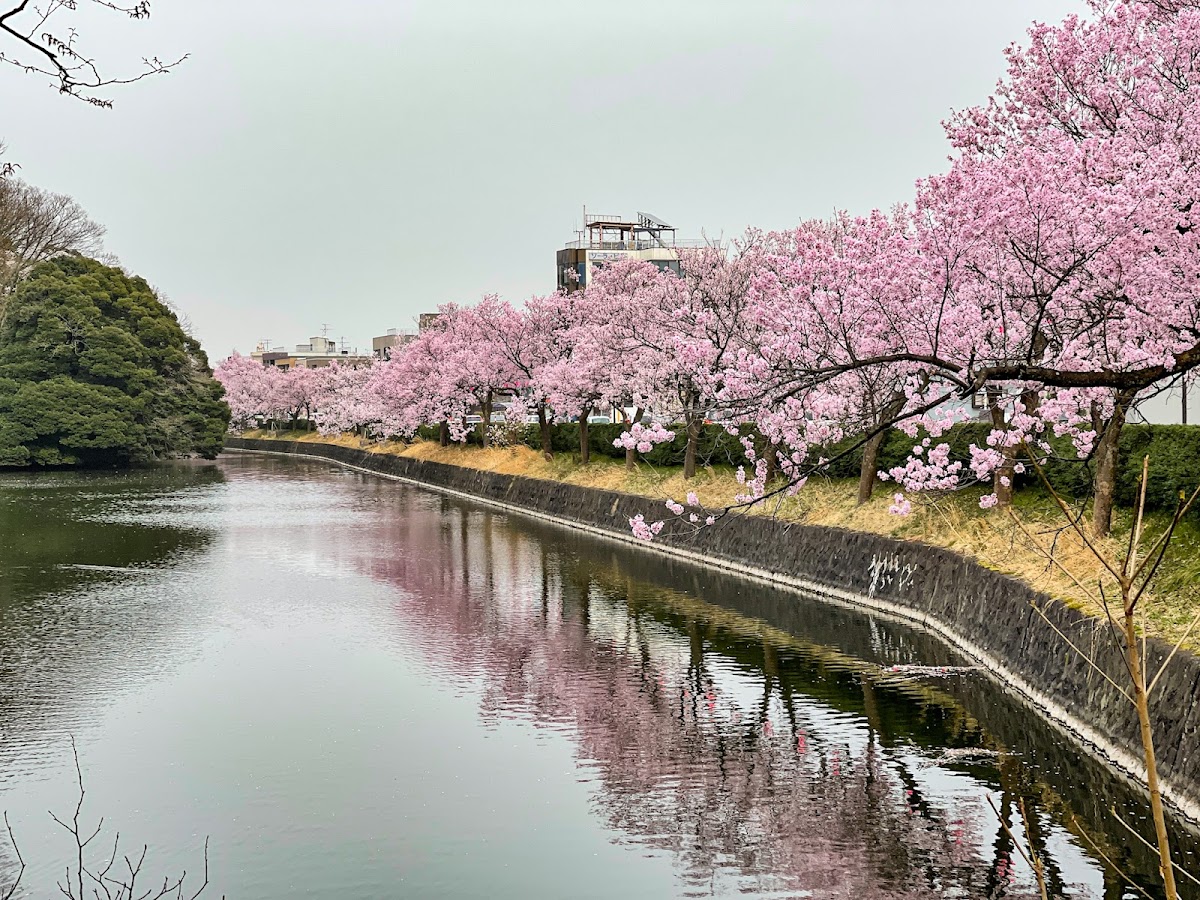
This area, spanning from Isobe-cho to Higashida-ho, offers beautiful reflections of cherry blossoms on the water’s surface, allowing visitors to enjoy scenery unique to riverside settings.
Matsukawa Park Cherry Blossom Bloom and Peak Viewing Times
Typical Bloom Status and Full Bloom Period
Matsukawa Park’s cherry blossoms typically bloom in early April and reach full bloom in mid-April. Since Somei Yoshino is predominant, it takes approximately one week from blooming to full bloom. The peak viewing season lasts about a week from full bloom, with mid to late April being the most beautiful period.
However, bloom timing varies depending on yearly weather conditions. Warm winters result in earlier blooming, while cold springs lead to delays.
How to Check Bloom Information
When planning a flower viewing outing, it’s recommended to check the latest bloom status in advance. You can confirm Matsukawa Park’s bloom forecasts and current bloom status on weather forecast sites like tenki.jp from the Japan Meteorological Corporation and Weather News, as well as various flower viewing information sites.
Bloom information may also be updated on Toyama City’s official website and the tourism association’s website. Checking the latest information a few days before your visit increases the likelihood of encountering peak bloom.
How Weather Affects Peak Viewing Times
Post-bloom weather is also important. Strong winds or prolonged rain will cause the blossoms to fall quickly, so early visits after full bloom is announced are recommended. Conversely, if mild weather continues, the full bloom state can be enjoyed for longer.
Ways to Enjoy Matsukawa Park’s Cherry Blossoms
Experience the Cherry Blossom Tunnel on a Sightseeing Cruise
The most popular way to enjoy Matsukawa Park is the “cherry blossom viewing cruise boat.” Operating during the cherry blossom season, this sightseeing cruise offers the special experience of viewing the cherry blossom tunnel from the water’s surface.
The cruise boats slowly navigate the Matsukawa River over approximately 30 minutes, passing through the tunnel created by cherry branches extending from both banks toward the water’s surface. The ability to view cherry blossoms blooming close to the water’s surface is a unique attraction of the cruise.
The cruises are popular and can be crowded on weekends and during peak bloom times. Advance reservations may be available, so checking official information is recommended. It’s best to plan your schedule with ample time to account for waiting periods.
Leisurely Flower Viewing Along the Riverside Promenade
The well-developed riverbank paths are perfect for strolling. You can enjoy cherry blossoms from various angles while walking at your own pace along the approximately 3.9 km of cherry tree-lined path.
The recommended walking route starts from Toyama Castle Ruins Park and proceeds east along the Matsukawa. Along the way, you can appreciate 28 sculptural artworks, experiencing the fusion of art and nature. Benches are provided throughout, allowing you to rest and enjoy the cherry blossoms at your preferred locations.
Enjoying Night Cherry Blossoms with Illumination
Night illuminations are provided during the flower viewing season, allowing visitors to enjoy night cherry blossoms in a magical atmosphere different from daytime.
Illuminated cherry blossoms display a subtle beauty in contrast to their daytime brilliance. The reflections of cherry blossoms on the water are also beautiful, creating a view unique to nighttime. As temperatures drop at night, be sure to dress warmly.
Best Photography Spots
Matsukawa Park is also popular as a photography destination. Here are some recommended shooting locations.
Toyama Castle and Cherry Blossoms Combination
Photographing cherry blossoms with Toyama Castle’s keep in the background from the castle ruins park creates an image harmonizing history and nature.
Views from Sakura Bridge
Shooting from bridges crossing the Matsukawa allows you to capture a panorama of the cherry tree-lined paths on both banks. You can capture the river’s flow and cherry blossom tunnel simultaneously.
Sightseeing Boat and Cherry Blossoms
The moment when sightseeing boats pass through the cherry blossom tunnel is a unique subject for Matsukawa Park. Time your shots carefully to capture this moment.
Reflection Photography
Early mornings or late afternoons with no wind are ideal for reflection photography, where cherry blossoms mirror beautifully on the water’s surface.
Important Considerations for Flower Viewing
Since Matsukawa Park is located in an urban area, consideration for nearby residents is necessary. Avoid nighttime noise and littering. Breaking cherry branches or trampling around the roots is strictly prohibited.
As the promenade is heavily used, share the space courteously with others during crowded times. While pets can be brought for walks, it’s important to follow proper etiquette.
Access Information to Matsukawa Park
Access via Public Transportation
By JR
Matsukawa Park is a 15-minute walk from JR Toyama Station. The typical route heads toward Toyama Castle Ruins Park from the station area. Directional signs are available, and first-time visitors can navigate easily.
By Light Rail (Toyama Chihō Railway)
You can also take the light rail from Toyama Station. Getting off at “Kokusai Kaigi-jo Mae” (International Convention Center) station puts you just a few minutes’ walk from Matsukawa Park.
By Bus
City loop buses and route buses operate from Toyama Station, with stops such as “Shiro Ato Kōen Mae” (Castle Ruins Park) providing convenient access to Matsukawa Park.
Driving Access and Parking Information
By Automobile
From the Hokuriku Expressway’s Toyama IC, it’s about 15 minutes by car, and about 20 minutes from Toyama Nishi IC to reach the Matsukawa Park area. Setting your navigation to “Toyama Castle Ruins Park” or “Matsukawa Park” is convenient since it’s in the city center.
Regarding Parking
While there is no dedicated large parking lot for Matsukawa Park, several coin parking lots are available around the Toyama Castle Ruins Park and the city center. Crowds are expected on weekends during flower viewing season, making public transportation recommended.
Arriving early in the morning makes parking easier to find and allows you to enjoy the cherry blossoms in the quiet morning atmosphere.
Tourist Attractions Around Matsukawa Park
Toyama Castle Ruins Park
Toyama Castle Ruins Park, which integrates with Matsukawa Park, is a must-visit spot along with the cherry blossoms. It features a museum of local history where you can learn about Toyama Castle and beautiful Japanese gardens, offering enjoyment beyond the cherry blossom season.
Toyama City Glass Art Museum
Located within walking distance from Toyama Station, the Toyama City Glass Art Museum is a facility where modern architecture and glass art beautifully converge. A visit after flower viewing is also recommended.
Toyama Prefectural Art Museum
Located within Fugan Canal Mizunosato Park, the Toyama Prefectural Art Museum offers opportunities to appreciate art and design. The park also has cherry trees planted throughout, making it ideal for spring walks.
Fugan Canal Mizunosato Park
Fugan Canal Mizunosato Park, known for its “most beautiful Starbucks in Japan,” is within walking distance from Matsukawa Park. The park’s waterside scenery is beautiful and highly recommended for strolling.
Other Cherry Blossom Viewing Spots in Toyama Prefecture
Takaoka Old Castle Park
Along with Matsukawa Park, Takaoka Old Castle Park is selected as one of “Japan’s Top 100 Cherry Blossom Spots” and is Toyama’s largest cherry blossom viewing destination with approximately 1,800 cherry trees. You can enjoy leisurely flower viewing within the spacious park.
Funakawa Riverside
The Funakawa riverside in Asahi Town is a spectacular spring scenic spot where cherry blossoms, tulips, and rape flowers bloom simultaneously. The view with snow-capped Northern Alps mountains in the background is breathtaking and perfect for photography.
Shogawa Water Memorial Park
Shogawa Water Memorial Park in Tonami City is also known as a cherry blossom spot. The scenery created by cherry blossoms along the Shogawa River and traditional water wheels evokes an idyllic spring atmosphere.
Asahi Funakawa “Spring Quartet”
In the Funakawa area of Asahi Town, the “Spring Quartet” can be seen: cherry blossoms, tulips, rape flowers, and snow remaining on the Northern Alps. This unique spring scenery is attracting nationwide attention as distinctly characteristic of Toyama.
Recommended Information When Visiting Matsukawa Park’s Cherry Blossoms
Best Times to Visit
Early Morning (6:00–8:00)
Few crowds allow for peaceful enjoyment of cherry blossoms. Blossoms illuminated by morning sunlight are exceptionally beautiful, making this the perfect time for photography.
Daytime (10:00–15:00)
The sightseeing cruise boats operate during this time, making it the busiest period. Despite crowds, you can experience the lively atmosphere of flower viewing.
Late Afternoon (16:00–18:00)
Cherry blossoms tinted by the setting sun are particularly beautiful. This is a quieter time before illuminations begin.
Nighttime (During Illumination Hours)
Night cherry blossoms provide a magical experience. Recommended for those wanting to enjoy an atmosphere different from daytime viewing.
Clothing and Items to Bring
April in Toyama can still be chilly, so bringing a light jacket is advisable. This is especially important for night cherry blossom viewing. Proper cold-weather preparation is essential.
Comfortable walking shoes are recommended. If you plan to stroll the approximately 3.9 km promenade, good footwear is necessary. During daytime, sunlight can be strong, making a hat and sunscreen convenient to have.
Food and Drink
The area around Matsukawa Park is in central Toyama with numerous restaurants and cafes. While you can bring your own flower viewing bento and eat on benches, always take your trash with you.
Many restaurants serve Toyama local sake and regional cuisine, making it recommended to savor Toyama specialties after flower viewing.
Frequently Asked Questions (FAQ)
Q1: How many cherry trees are in Matsukawa Park?
A1: Matsukawa Park has approximately 530 cherry trees (some sources cite approximately 500). Most are Somei Yoshino, with cherry tree-lined paths stretching about 3.9 km along both riverbanks.
Q2: What are the ticket prices and operating hours for the cherry blossom viewing cruise?
A2: Details for cherry blossom viewing cruises may change yearly, so it’s recommended to check the latest information on the Toyama City Tourism Association or official website before visiting. Typically, boats operate during the cherry blossom bloom period on approximately 30-minute routes.
Q3: Can barbecues or picnics with mats be held at Matsukawa Park?
A3: Matsukawa Park is an urban park located in a city center, so barbecues and large-scale gatherings are restricted. Eating at benches is permitted, but visitors must exercise consideration for nearby residents and maintain proper etiquette. All trash must be taken with you.
Q4: When is the illumination period for Matsukawa Park’s cherry blossoms?
A4: Illuminations typically occur during the cherry blossom bloom period. Specific dates and times vary yearly, so check official Toyama City information before visiting.
Q5: Can the park be enjoyed during rainy weather?
A5: Light rain still allows enjoyment with an umbrella. Rain-wet cherry blossoms have their own charm, but sightseeing boats may close due to weather. It’s recommended to confirm operating status beforehand.
Q6: Can pets be brought for strolling?
A6: Pets can accompany you while strolling, but they must be leashed and consideration shown to other visitors. Proper pet etiquette, including waste cleanup, is essential.
Q7: Can wheelchairs and strollers be used for strolling?
A7: The riverside promenade is relatively flat and well-developed, making it accessible for wheelchairs and strollers. However, movement may be difficult during crowded periods, so visiting at off-peak times is recommended.
Conclusion | Savor Toyama’s Spring at Matsukawa Park
Matsukawa Park is Toyama Prefecture’s representative cherry blossom viewing destination, captivating countless visitors annually. The cherry blossom tunnel created by approximately 530 Somei Yoshino cherry trees selected as one of “Japan’s Top 100 Cherry Blossom Spots” is truly magnificent.
Matsukawa Park offers diverse enjoyment: experiencing the cherry blossom tunnel from a water-level perspective on a sightseeing cruise, leisurely strolling the riverside promenade, enjoying the historical landscape created by the Toyama Castle combination, and savoring the illuminated night cherry blossoms. These are the attractions of Matsukawa Park.
Its convenient location in central Toyama City makes it easily accessible by public transportation, with numerous tourist attractions and restaurants nearby. When visiting Toyama, be sure to experience Matsukawa Park’s cherry blossoms and fully enjoy Toyama’s spring.
By checking bloom status in advance and visiting at the right time to encounter peak bloom, you can create unforgettable flower-viewing memories. At Matsukawa Park—Toyama Prefecture’s premier cherry blossom destination—experience the beauty of Japanese spring to the fullest.