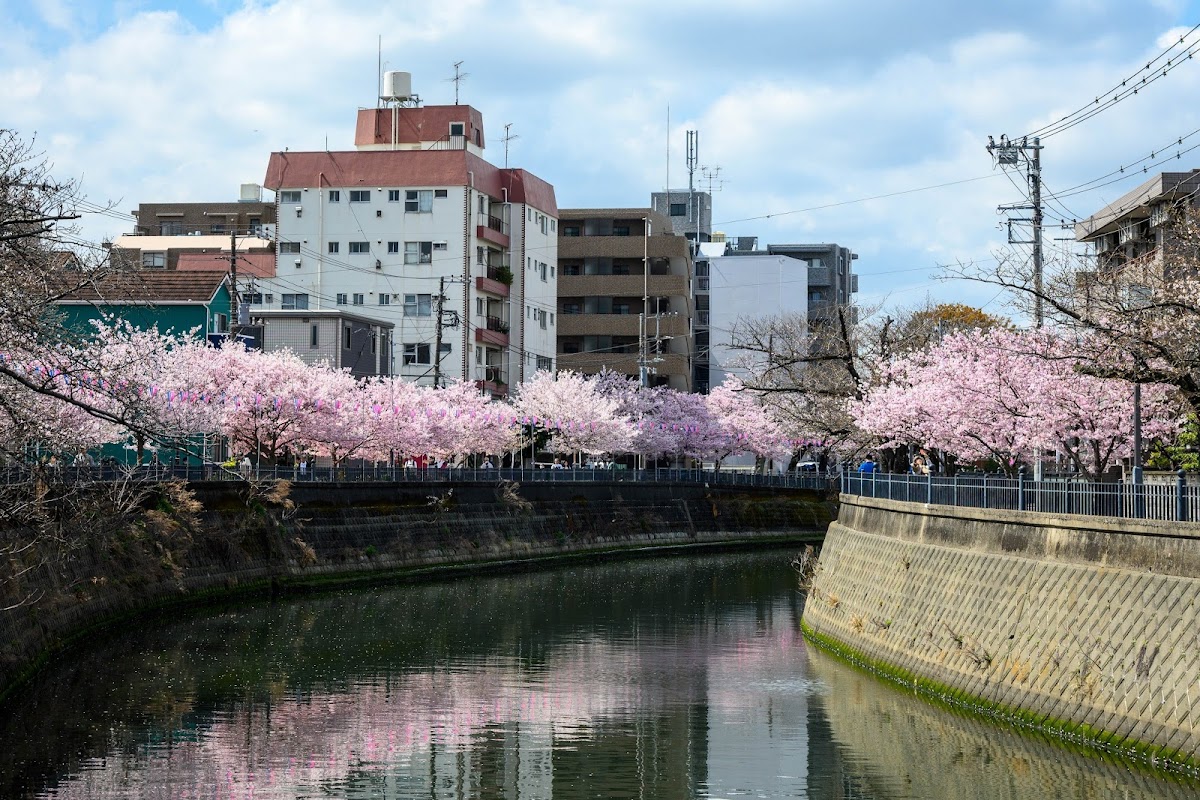

Kinugasa Yama Park (Yokosuka City, Kanagawa Prefecture) Complete Guide | The Charm and How to Enjoy One of Japan’s Top 100 Cherry Blossom Spots
Kinugasa Yama Park, located in Yokosuka City, Kanagawa Prefecture, is known as one of the finest cherry blossom viewing spots in the Miura Peninsula and is selected as one of “Japan’s Top 100 Cherry Blossom Spots.” With approximately 2,000 cherry trees coloring the entire mountain, the park attracts large crowds of flower viewing enthusiasts every spring. This article provides a thorough explanation of everything you should know before visiting, from the park’s history, cherry blossom highlights, access methods, and surrounding facilities.
About Kinugasa Yama Park | The History and Origins of a Historic Cherry Blossom Spot
Kinugasa Yama Park opened in 1907 (Meiji 40) and is a park with over 100 years of history. Its origins are rooted in the historical background of the Russo-Japanese War. A memorial monument was erected to honor those who died in the Russo-Japanese War, and cherry trees were planted at the same time. The cherry trees planted then have now grown to approximately 2,000 trees, developing into one of Kanagawa Prefecture’s representative cherry blossom viewing spots.
Located in Oyabe, Yokosuka City, Kinugasa Yama Park is developed around the summit of Kinugasa Yama, which stands approximately 121 meters high, allowing visitors to enjoy seasonal landscapes throughout the year in a natural environment. Particularly during spring cherry blossom season, the entire mountain is colored pink, creating a spectacular sight.
Why Kinugasa Yama Park Was Selected for “Japan’s Top 100 Cherry Blossom Spots”
Kinugasa Yama Park was selected for “Japan’s Top 100 Cherry Blossom Spots” because of the large number and diversity of its cherry blossoms. With various types of cherry trees planted, centered around Somei Yoshino, including weeping cherry and Yamato cherry, each with slightly different blooming periods, visitors can enjoy cherry blossoms over an extended period. Additionally, the collaboration between the mountain summit views and the cherry blossoms creates a unique charm not found at other famous spots.
Cherry Blossoms at Kinugasa Yama Park | Types and Best Viewing Times
Approximately 2,000 cherry trees are planted at Kinugasa Yama Park, and the variety of types is also a major attraction. Let’s take a closer look at the main cherry blossom types and their characteristics.
Main Cherry Blossom Types
Somei Yoshino
The most widely planted cherry tree in the park is Somei Yoshino. Characterized by pale pink petals, the sight of them blooming all at once is spectacular. Many of the Somei Yoshino trees at Kinugasa Yama Park are old specimens with impressive branching that captivates visitors.
Weeping Cherry
Gracefully drooping weeping cherry trees are also planted throughout the park. With a different aesthetic from Somei Yoshino, they are also popular as photography spots.
Yamato Cherry
Yamato cherry, a cherry tree indigenous to Japan, can also be seen here. Characterized by reddish-brown young leaves appearing at the same time as flowers, it has a different charm from Somei Yoshino.
Cherry Blossom Peak Season and Bloom Information
The peak viewing season for cherry blossoms at Kinugasa Yama Park is typically late March to early April. However, blooming times can vary depending on weather conditions, so it is recommended to check the latest bloom information before visiting.
The Yokosuka City and Kinugasa Tourism Association official websites update bloom status regularly during the season. It is also possible to inquire by phone at the Kinugasa Yama Park Management Office. Cherry blossoms reach full bloom approximately one week after blooming, and this period draws the most flower-viewing visitors.
Kinugasa Sakura Festival | A Major Spring Event
The “Kinugasa Sakura Festival” is held annually to coincide with cherry blossom blooming season. With over 70 years of history as of 2025, this festival has become established as a spring tradition in Yokosuka City.
Highlights of the Kinugasa Sakura Festival
During the festival period, numerous food stalls are set up throughout the park, offering local cuisine and festival-style food. Weekends feature stage events and traditional performances by local organizations, providing abundant entertainment alongside flower viewing.
Evening illuminations are also held, allowing visitors to enjoy the magical nighttime cherry blossoms, different from the daytime view. The cherry blossoms illuminated by lights display a quiet beauty in contrast to the vibrant daytime appearance. However, as it gets cold at night, remember to bring warm clothing.
Festival Dates and Times
The Kinugasa Sakura Festival is typically held for approximately two weeks from late March to early April, timed with the cherry blossom bloom forecast. As specific dates vary each year, check the latest information on the Kinugasa Tourism Association or Yokosuka City official websites. The festival is especially crowded on weekends, so visiting on weekdays is recommended for a more relaxed experience.
Facilities and Ways to Enjoy Kinugasa Yama Park
Kinugasa Yama Park offers plenty of facilities to enjoy year-round, not just for cherry blossoms.
Main Facilities in the Park
Observation Deck
From the observation deck near the summit, visitors can enjoy a panoramic view of Yokosuka City and Tokyo Bay. On clear days, it’s even possible to see the Boso Peninsula, and during cherry blossom season, the collaboration of blossoms and sea makes for a spectacular view.
Wanpaku no Mori and Wanpaku no Mizube
Areas where children can play in nature. With athletic play equipment and water play areas, it is a popular spot for families.
Hotaru no Sato (Firefly Village)
An environment where fireflies can be seen in early summer. Firefly viewing is possible around June, offering a different way to enjoy the park from cherry blossom season.
Picnic Plaza
A spacious grass plaza where visitors can spread out a leisure sheet and enjoy picnicking. Perfect for the traditional flower-viewing style of eating lunch under cherry trees.
Seasonal Enjoyment Throughout the Year
While Kinugasa Yama Park is known as a cherry blossom spot, it has attractions in other seasons as well. Early summer features beautiful fresh greenery, making it ideal for hiking. Autumn offers fall foliage enjoyment, and in winter, the clear air provides even clearer views from the observation deck. The park is appreciated by local residents as a place to feel nature throughout the year.
Access Methods | How to Get There by Train, Bus, and Car
Kinugasa Yama Park is accessible by both public transportation and private vehicle.
Access by Train and Bus
Using Keikyu Line
- Get off at “Yokosuka-Chuo Station” on the Keikyu Main Line
- Take the Keikyu Bus “Kinugasa Yama Park” bound bus from the station (approximately 20 minutes)
- Get off at “Kinugasa Yama Park” bus stop and walk approximately 10 minutes
Using JR Yokosuka Line
- Get off at “Kinugasa Station” on the JR Yokosuka Line
- Approximately 20-minute walk from the station (approximately 1.5 km)
- Or take a bus from the station
When accessing on foot from Kinugasa Station, there are gentle uphill slopes continuing through residential neighborhoods, but the route is relatively easy to follow. Signage is posted along the way, so first-time visitors won’t get lost.
Car Access and Parking Information
Accessing by Car
- Approximately 10 minutes from “Kinugasa IC” on the Yokohama-Yokosuka Expressway
- Accessible via National Route 16 through Prefectural Route 27
Parking Information
Kinugasa Yama Park has a dedicated parking lot. However, during cherry blossom season, especially during the Kinugasa Sakura Festival, the area becomes extremely crowded and the parking lot often reaches capacity. Parking lots fill up early morning on weekends and holidays, making public transportation recommended.
For parking lot usage hours and fees, it’s best to confirm beforehand with the Kinugasa Yama Park Management Office. There are also private parking lots nearby, but walking to the park from these locations will be necessary.
Basic Information for Kinugasa Yama Park
Address
Oyabe 4-922, Yokosuka City, Kanagawa Prefecture
Hours of Operation
Open at all times (except certain facilities)
Admission Fee
Free
Inquiries
Kinugasa Yama Park Management Office
Phone number can be confirmed on the Yokosuka City official website or tourism association website.
Barrier-Free Access
Some areas within the park are barrier-free accessible; however, due to the mountain terrain, there are many sections with stairs and slopes. If considering a wheelchair visit, it is recommended to consult with the management office beforehand.
Tourist Spots Around Kinugasa Yama Park
Visiting nearby tourist spots while at Kinugasa Yama Park allows for more enriched Yokosuka sightseeing.
Major Tourist Attractions in Yokosuka
Mikasa Park
A representative park of Yokosuka featuring the battleship “Mikasa” preserved and displayed. Approximately 15 minutes by car or approximately 30 minutes by train and bus from Kinugasa Yama Park.
Verny Park
A beautiful park featuring French gardens where roses bloom in spring. Facing Yokosuka harbor, visitors can see naval vessels up close.
Sarushima Island
Tokyo Bay’s only natural island offering exploration adventures. Accessible by ship in approximately 10 minutes from the Mikasa Pier near Yokosuka-Chuo Station.
Dining and Shopping
Yokosuka is famous for Navy curry and seafood dishes. Many restaurants surround Yokosuka-Chuo Station, allowing visitors to sample local cuisine during sightseeing. Additionally, Dobuita Street features distinctive shops, making it ideal for souvenir shopping.
Important Notes and Etiquette When Visiting Kinugasa Yama Park
Dealing with Spring Crowds
The cherry blossom peak period, especially on weekends and holidays, attracts extremely large crowds. For a more relaxed flower-viewing experience, visiting on weekdays in the morning or early evening is recommended. Early morning is especially quiet, allowing for serene contemplation of cherry blossoms bathed in sunlight.
What to Bring and Etiquette
- Always take trash with you: While trash bins are available in the park, they may overflow during crowded periods. Bring trash bags and take your own garbage with you.
- Reserved spot etiquette: When reserving a flower-viewing spot, consideration must be given to not inconveniencing other visitors. Avoid occupying excessively large spaces.
- Do not break cherry blossom branches: Breaking branches or climbing on trees is strictly forbidden. Preserving these valuable cherry trees for future generations requires observing proper etiquette.
- No open flames: Barbecuing or using open flames within the park is prohibited.
Weather and Clothing
From late March to early April in Yokosuka, while daytime can be warm, mornings and evenings can be cool. Especially at the mountain summit where wind can be strong, it is recommended to bring a light jacket. Additionally, with many slopes and stairs in the park, wearing comfortable shoes for walking is essential.
Recommended Photography Spots
Kinugasa Yama Park is an excellent location for photography. Here are some Instagram-worthy photography spots.
Views from the Observation Deck
From the mountain summit observation deck, one can view cherry blossoms, Yokosuka cityscape, and Tokyo Bay all at once. Particularly on clear mornings, lighting conditions are favorable for beautiful photography. Using a telephoto lens can make the collaboration of sea and cherry blossoms more impressive.
Close-ups of Weeping Cherry
The weeping cherry trees in the park are picturesque. Various expressions can be enjoyed, including angles with blue sky backgrounds or shots utilizing backlighting.
Cherry Blossom Tunnel
Walking paths in the park feature “cherry blossom tunnel” spots where branches hang overhead in bloom. Including people in photographs creates impressive images with a sense of scale.
Nighttime Cherry Blossom Photography Tips
When photographing illuminated nighttime cherry blossoms, a tripod is convenient. However, tripod use during crowded periods may inconvenience other visitors, so use judgment based on conditions. For smartphone photography, using night scene mode produces relatively good results.
Learning More About Kinugasa Yama Park’s History
The history of Kinugasa Yama Park is deeply connected to Japan’s modern history. At the time of its 1907 opening (Meiji 40), memories of the Russo-Japanese War (1904-1905) were still fresh, and in Yokosuka, which suffered many casualties, monuments and cherry trees were developed with the intention to honor the fallen.
The cherry trees originally planted numbered in the hundreds, but through efforts by residents and administration, the number gradually increased to the current approximately 2,000. The history shows cherry trees being continually planted as symbols of peace while passing on memories of war to future generations.
A monument to the Russo-Japanese War remains in the park, allowing visitors to reflect on history while enjoying flower viewing. Knowing this historical background allows one to appreciate Kinugasa Yama Park’s cherry blossoms with deeper meaning.
Community Involvement and Conservation Activities
For local residents, Kinugasa Yama Park is more than just a tourist attraction—it is part of daily life. Local elementary schools frequently visit on field trips, with the park also functioning as a venue for children’s nature education.
Local volunteer organizations are actively involved in cherry blossom conservation efforts alongside Yokosuka City. Professional management including cherry tree health checks, pruning, and pest control are conducted, and through these efforts, beautiful cherry blossoms can be enjoyed every year.
Visitors can also help preserve the park by maintaining awareness of its importance. Observing proper flower-viewing etiquette contributes to conserving this precious cherry blossom spot for the future.
Conclusion | Experience the Best Cherry Blossom Viewing at Kinugasa Yama Park
Kinugasa Yama Park in Yokosuka City, Kanagawa Prefecture, is one of Kanagawa’s premier cherry blossom viewing spots, selected as one of “Japan’s Top 100 Cherry Blossom Spots.” The sight of approximately 2,000 cherry blossoms in bloom is spectacular, allowing visitors to enjoy diverse varieties including Somei Yoshino, weeping cherry, and Yamato cherry. Peak season is late March to early April, and the Kinugasa Sakura Festival held during this period attracts many visitors.
From the mountain summit observation deck, one can enjoy panoramic views of Yokosuka cityscape and Tokyo Bay, with the collaboration of cherry blossoms and sea offering a charm found nowhere else. Access is convenient via bus from Keikyu Yokosuka-Chuo Station or on foot from JR Kinugasa Station, with parking available for cars, though public transportation is recommended during crowded periods.
This historic park, opened over 100 years ago to honor those who fell in the Russo-Japanese War, continues to be cherished by the community today. Beyond cherry blossom season, visitors can enjoy Kinugasa Yama Park’s natural beauty throughout the four seasons. When visiting, observe proper etiquette and maintain respect for this precious cherry blossom spot, and enjoy the finest cherry blossom viewing experience Yokosuka has to offer.