Complete Guide to Cherry Blossoms at Eboshiyama Park | The Charm and Highlights of “Senbon Zakura,” Yamagata Prefecture’s Premier Destination
Eboshiyama Park, located on a high ground overlooking the Akayū Hot Spring district in Nanyo City, Yamagata Prefecture, is Yamagata Prefecture’s representative cherry blossom destination, selected as one of “Japan’s Top 100 Cherry Blossom Spots.” Affectionately known as “Eboshiyama Senbon Zakura,” approximately 25 varieties and roughly 1,000 cherry trees paint the mountainside in cherry blossom pink as spring arrives.
This article provides comprehensive information about the charm of cherry blossoms at Eboshiyama Park, their peak viewing season, access methods, and nearby tourist attractions, so you can fully enjoy this renowned destination.
About Eboshiyama Park | Yamagata Prefecture’s Sacred Site for Cherry Blossoms
Eboshiyama Park was created by local volunteers during the Meiji era and is a historic park. Spanning approximately 40,000 tsubo (approximately 130,000 square meters), it is situated in an ideal location where you can see the entire Okitama Basin at a glance.
Recognition as One of Japan’s Top 100 Cherry Blossom Spots
In 1990, it was selected as one of “Japan’s Top 100 Cherry Blossom Spots” by the Japan Cherry Blossom Association, a public interest organization. This designation is based on comprehensive evaluations including the number of cherry trees, diversity of varieties, and beauty of scenery. While other famous locations in Yamagata Prefecture include the Kubo Cherry Tree at Isasawa, part of the Okitama Cherry Blossom Corridor, Eboshiyama Park stands out as one of the most popular flower-viewing spots in the prefecture, attracting many tourists each year.
A Core Spot on the Okitama Cherry Blossom Corridor
Eboshiyama Park is also an important component of the “Okitama Cherry Blossom Corridor.” The Okitama Cherry Blossom Corridor is a route spanning approximately 43 km that connects cherry blossom destinations across Nanyo City, Nagai City, and Shirataka Town, with celebrated and ancient trees scattered throughout, including the Kubo Cherry Tree at Isasawa, which is over 1,200 years old. Eboshiyama Park is positioned as the largest-scale cherry blossom destination on this route.
The Greatest Feature of Eboshiyama Senbon Zakura | A Rare Congregation of Edo-higan Cherry Trees
What sets Eboshiyama Park apart from other cherry blossom destinations is that it is a “congregation site of Edo-higan cherry trees,” which is remarkably rare worldwide.
What is Edo-higan?
Edo-higan (江戸彼岸) cherry trees bloom earlier than Somei-yoshino cherries and received their name from blooming around the time of the vernal equinox. They have long lifespans, with many ancient specimens reaching several hundred years old. The Yamakō Jingakuzakura in Yamanashi Prefecture (approximately 2,000 years old) and the Usuzumi Zakura in Gifu Prefecture (approximately 1,500 years old), both among Japan’s three most famous cherry trees, are also Edo-higan varieties.
A Landscape Woven by Approximately 160 Edo-higan Cherry Trees
Approximately 160 Edo-higan cherry trees grow together at Eboshiyama Park, making it a remarkably rare large-scale congregation site of this species worldwide. The pale pink flowers of Edo-higan cherry trees possess an elegant beauty distinct from Somei-yoshino, and many ancient specimens over 120 years old exist in the park.
25 Varieties and Approximately 1,000 Diverse Cherry Trees
The charm of Eboshiyama Park extends beyond Edo-higan cherry trees. The park features approximately 25 varieties totaling roughly 1,000 cherry trees, each blooming at different times, allowing visitors to enjoy cherry blossoms over an extended period.
Main Cherry Tree Varieties
Somei-yoshino
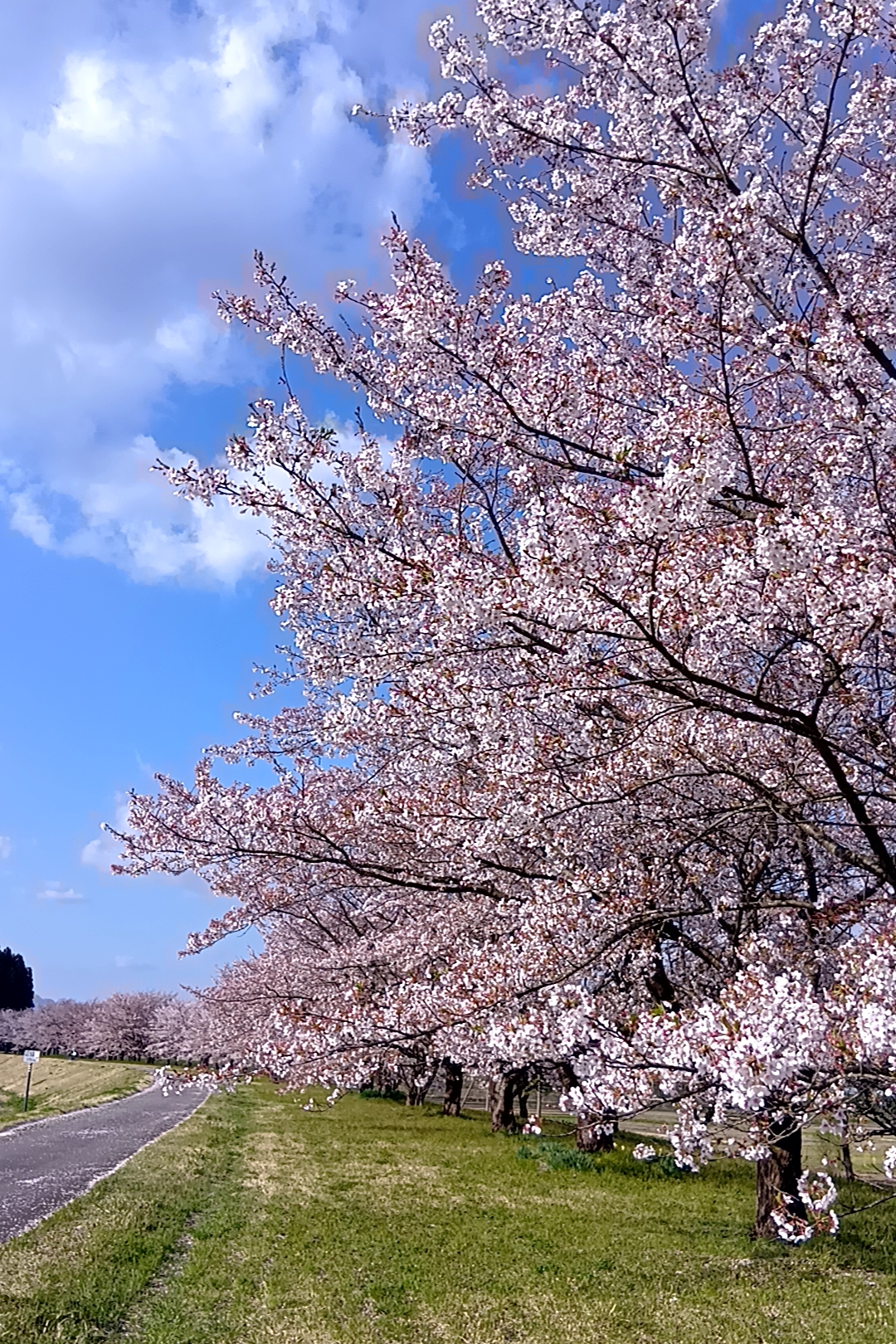
The most common cherry tree in Japan, with numerous specimens planted at Eboshiyama Park. Ancient Somei-yoshino trees over 120 years old can be seen, creating a magnificent flower tunnel when in full bloom.
Shidarezakura (Weeping Cherry)
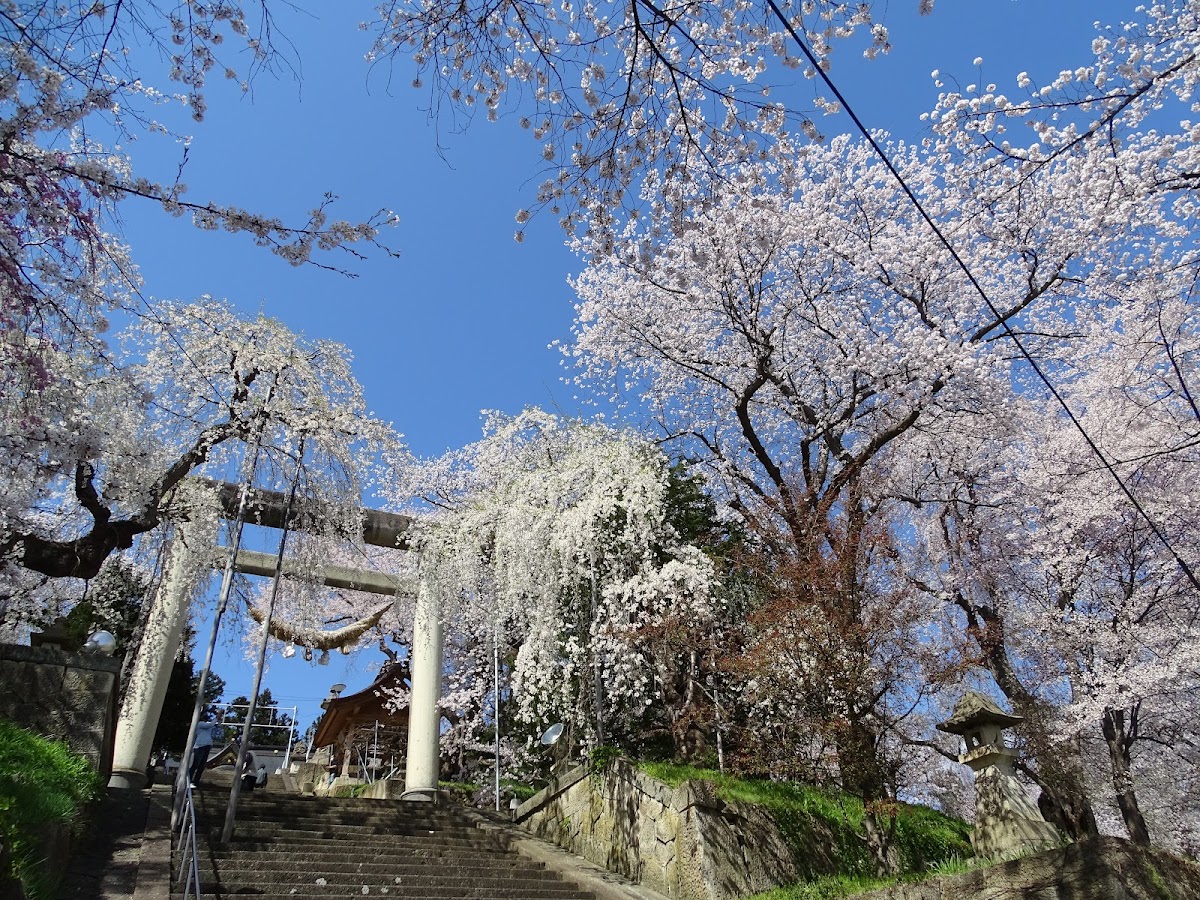
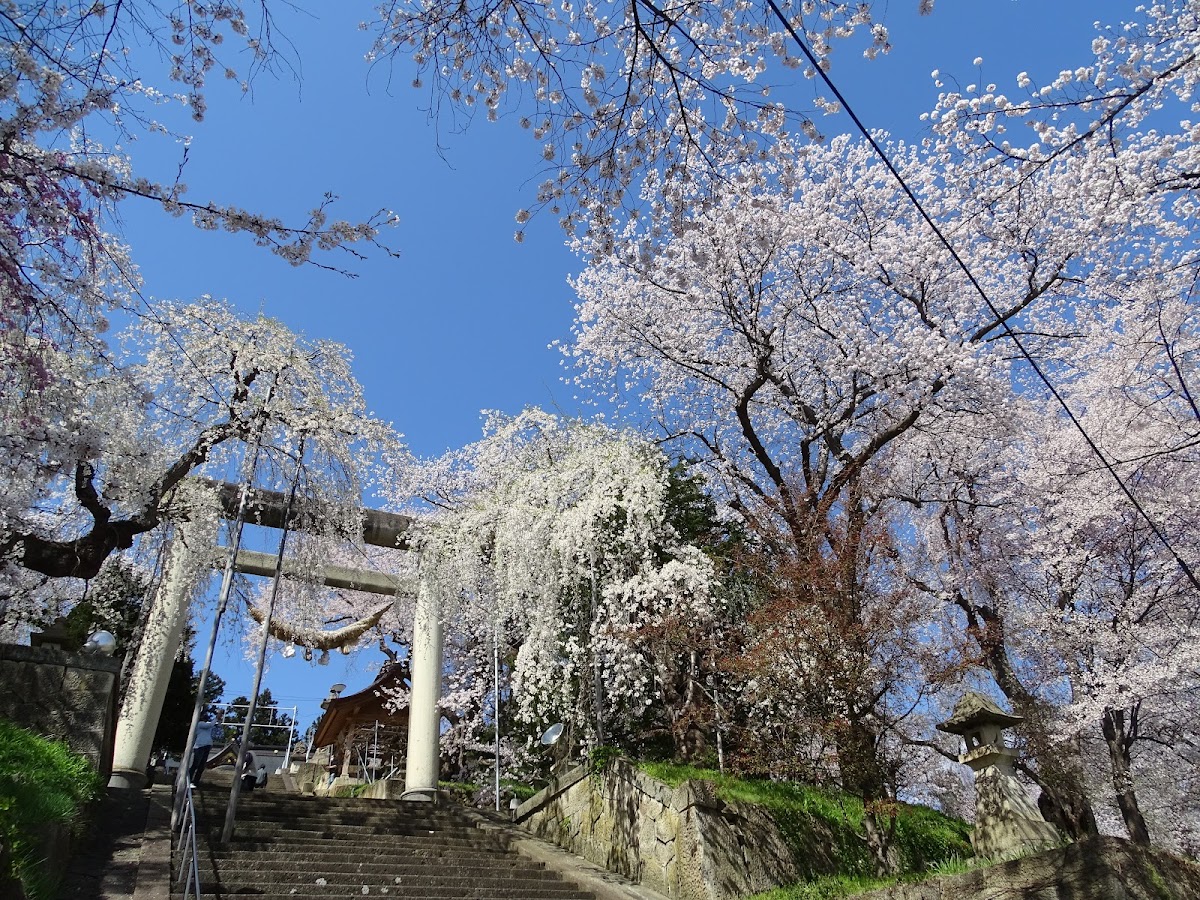
The weeping cherry trees blooming beside the stone steps of Eboshiyama Hachimangu Shrine are particularly famous, and the sight of them flowering to cover the great torii gate is strikingly beautiful. The flowers blooming on elegantly drooping branches captivate all who visit.
Second-generation Trees from Renowned Cherry Blossoms Nationwide
Eboshiyama Park features many grafted second-generation trees from famous cherry blossoms across Japan. You can enjoy cherry blossoms carrying genetic material from Japan’s representative specimens in one place—including cherry blossoms from Hirosaki Castle in Aomori Prefecture, the weeping cherry of Maruyama Park in Kyoto, and the Miharu Takizakura in Fukushima Prefecture—a charm unique to Eboshiyama Park.
Peak Cherry Blossom Viewing Period and Bloom Information
The peak viewing season for cherry blossoms at Eboshiyama Park is typically mid-April to late April. However, bloom times may shift depending on weather conditions, so it is recommended to check the latest bloom information before visiting.
Bloom Schedule Guidelines
- Early April: Edo-higan cherry trees begin to bloom
- Mid-April: Somei-yoshino reaches full bloom, the most brilliant period
- Late April: Late-blooming varieties peak, including yamazakura and other types
How to Check Bloom Information
The latest bloom status can be confirmed on the official website of the Nanyo City Tourism Association and the official site of the Eboshiyama Senbon Zakura Preservation Society. Weather information sites also provide cherry blossom bloom forecasts, which can be helpful for travel planning.
Akayū Hot Spring Cherry Blossom Festival | Night Cherry Blossom Illumination and Diverse Events
During the cherry blossom bloom period, the annual “Akayū Hot Spring Cherry Blossom Festival” is held. The 2026 festival is scheduled from April 4 to April 30, with various events planned throughout the period.
Night Cherry Blossom Illumination
During the evening hours of the festival period, cherry blossoms in the park are illuminated. Viewing cherry blossoms amid an enchanting atmosphere different from daytime creates a profound emotional experience for visitors. The panoramic night cherry blossoms viewed from the hot spring district are breathtakingly beautiful.
Illumination typically runs from sunset until around 21:00, though this may vary by year, so advance confirmation is recommended.
Festival Events
Eboshiyama Hachimangu Grand Torii Shimenawa Replacement Ceremony
A traditional event marking the opening of the cherry blossom festival, where new sacred rope is placed on the grand stone torii gate, the largest of its kind in Japan.
Nanyo City Delicious Foods Product Exhibition
A product fair showcasing local specialties and regional cuisine. Yamagata beef, Yonezawa beef, local sake, soba, ramen, and other delicious Okitama district offerings gather in one place.
Traditional Performing Arts Performances
Regional traditional and folk performing arts are showcased, allowing visitors to enjoy local culture alongside the cherry blossoms.
Cherry Tree Seedling Giveaway
On specific dates during the festival, cherry tree seedlings are given away on a first-come, first-served basis (e.g., April 12 at 9:00 AM, varying by year).
Scenic Viewpoints in Eboshiyama Park
Spanning approximately 40,000 tsubo, Eboshiyama Park contains numerous scenic viewpoints.
Eboshiyama Hachimangu and Stone Grand Torii
Adjacent to the park is Eboshiyama Hachimangu Shrine, which features a grand stone torii gate—the largest of its kind in Japan. The landscape created by this torii and weeping cherry blossoms is renowned as an iconic view of Eboshiyama Park. The sight of weeping cherry trees on both sides of the stone steps covering the great torii is like a cherry blossom tunnel, attracting many photography enthusiasts.
Vantage Points from Observation Areas
From observation spots within the park, you can view the entire Okitama Basin. Below stretches the townscape of the Akayū Hot Spring district, with distant views of the snow-capped Asahi and Iide mountain ranges. The panorama formed by cherry blossoms, the hot spring town, and majestic mountains is a unique scenic treasure of Eboshiyama Park.
Thousand Cherry Trees Viewed from Akayū Hot Spring District
While the views from within the park are spectacular, looking up at Eboshiyama from the Akayū Hot Spring district is equally magnificent. The sight of the mountainside painted in cherry blossom colors is breathtaking, viewable from anywhere in the hot spring district.
Walking Paths and Stairways
Numerous paths and staircases wind through the park down to the Akayū Hot Spring district, allowing visitors to enjoy cherry blossoms from various angles while taking in the scenery. The balanced placement of pines and maples ensures that visitors can enjoy four-season landscapes, not just cherry blossoms.
Access Methods and Parking Information
Eboshiyama Park is accessible by both train and car.
Train Access
Nearest Station: JR Yamagata Shinkansen “Akayū Station”
- From Tokyo Station to Akayū Station: Approximately 2 hours 30 minutes
- From Sendai Station to Akayū Station: Approximately 1 hour
- From Yamagata Station to Akayū Station: Approximately 30 minutes
From Akayū Station to Eboshiyama Park
- On foot: Approximately 25 minutes
- By taxi: Approximately 5 minutes
- Temporary shuttle buses may operate during the cherry blossom festival period
Car Access
Tōhoku Central Expressway
- Approximately 10 minutes from Nanyo-Takahata IC
- Approximately 50 minutes from Iizaka IC on the Tōhoku Expressway and Fukushima Expressway
Parking Information
Multiple temporary parking lots are set up during the cherry blossom festival period.
- Akayū Station East Exit Parking Lot: Free (during cherry blossom festival)
- Nanyo City Hall Parking Lot: Free (weekends and holidays only)
- Other Temporary Parking Lots: Multiple locations around the Akayū Hot Spring district
Weekends during the cherry blossom festival are extremely crowded, so early arrival is recommended. Public transportation should also be considered.
Nearby Tourist Attractions | Enjoying Nanyo City’s Charm Alongside Cherry Blossoms
After enjoying the cherry blossoms at Eboshiyama Park, extend your visit to nearby attractions.
Akayū Hot Spring District
Located directly below Eboshiyama Park, Akayū Hot Spring is a spa resort with a history spanning approximately 920 years. Many hot spring inns offer source-fed hot springs, making it ideal for relaxing after cherry blossom viewing. Walking through the hot spring district is enjoyable, with foot bath spots and restaurants serving local cuisine.
Eboshiyama Hachimangu Shrine
Adjoining the park, this shrine is famous for its grand stone torii gate—the largest of its kind in Japan. Even outside the cherry blossom season, it attracts many visitors as a power spot.
Kumano Taisha
Located approximately 10 minutes by car from Eboshiyama Park, the Tōhoku Kumano Taisha is considered one of Japan’s three Kumano shrines and is a prestigious sanctuary. Known as the deity of relationship harmony, its grounds feature an ancient ginkgo tree over 850 years old.
Yuki Toyotarō Memorial Hall
A museum preserving the legacy of Yuki Toyotarō, who served as the 15th Governor of the Bank of Japan. Visitors can learn about this distinguished figure from Nanyo.
Yū Navi Karakoro Hall
A facility offering tourism information for Nanyo City, also selling local specialty products. Convenient as a starting point for sightseeing.
EKI TERRACE NANYO (Inside Akayū Station)
A tourism exchange facility inside the renovated Akayū Station building that opened in 2020. Featuring a café and shops selling local specialty products.
Nanyo Sky Park
Known as a launch site for paragliding and hang gliding, this spot offers spectacular panoramic views of the Okitama Basin.
Yudzuru no Sato Museum
A museum unique to Nanyo, dedicated to “Yudzuru,” the folk tale that served as the source for “Crane Returns a Favor.”
Eboshiyama Park Through the Seasons
The charm of Eboshiyama Park extends beyond cherry blossoms, presenting different faces throughout the year.
Spring (Cherry Blossom Season)
From mid-April to late April, approximately 1,000 cherry trees bloom in their most brilliant display.
Summer (Fresh Green Season)
From May through August, verdant green foliage makes the park ideal for strolling in refreshing breezes.
Autumn (Foliage Season)
From late October through early November, maple and cherry trees turn crimson and yellow, painting the mountainside in warm hues. A different beauty from spring’s cherry blossoms awaits.
Winter (Snowy Landscape)
The park cloaked in snow possesses a distinctive charm. The snow-covered Eboshiyama viewed from the hot spring district resembles an ink wash painting in beauty.
Efforts by the Eboshiyama Senbon Zakura Preservation Society
The Eboshiyama Senbon Zakura Preservation Society works to protect Eboshiyama Park’s cherry blossoms and pass them to future generations.
Cherry Tree Conservation Activities
Regular pruning, fertilizing, and pest management are performed to maintain the health of Eboshiyama Park’s cherry trees, many of which exceed 100 years in age.
New Cherry Tree Planting
Ongoing tree-planting activities, including replacing aging trees and introducing new varieties, are conducted to maintain the thousand-cherry landscape for the future.
Environmental Improvements
Important activities include maintenance of walking paths, installation of informational signage, and cleaning operations to ensure visitors can comfortably enjoy the cherry blossoms.
Notes and Etiquette for Visiting Eboshiyama Park
Managing Crowds
During the cherry blossom festival period, especially weekends, the area is extremely crowded. Consider visiting early in the morning, on weekdays, or using public transportation.
Clothing and Belongings
The park contains many slopes and staircases, so comfortable walking shoes are recommended. Also bring layers, as temperatures may be cool depending on weather.
Observing Proper Etiquette
- Do not break branches from cherry trees
- Take all trash with you
- Avoid eating and drinking in non-designated areas
- Be considerate of other visitors when using tripods
- Drone use may be prohibited; check in advance if necessary
Best Spots and Timing for Photography
Recommended Photography Locations
- Eboshiyama Hachimangu’s Stone Grand Torii and Weeping Cherry Blossoms: An iconic scenic treasure of Eboshiyama Park
- Panoramic views of the Okitama Basin with cherry blossoms from observation points: Photography showing expansive distant scenery
- Thousand cherry blossoms viewed from the hot spring district: Expressing the grandeur of blossoms covering the mountainside
- Cherry blossom tunnels: The archway formed by cherry branches over walking paths
Best Photography Timing
- Early morning: Few tourists, and cherry blossoms are beautifully illuminated by morning light
- Twilight hours: Soft magic hour light gently illuminates the blossoms
- Evening (illumination time): Night cherry blossom photography offers enchanting possibilities
Basic Information
Name: Eboshiyama Park (えぼしやまこうえん)
Address: 〒999-2211 Yamagata Prefecture, Nanyo City, Akayū 1415
Open Hours: 24 hours (Illumination available during cherry blossom festival only)
Admission: Free
Inquiries: Nanyo City Tourism Association TEL 0238-40-2002
Official Website: Eboshiyama Senbon Zakura Preservation Society Official Site
Conclusion | Experience Yamagata Prefecture’s Premier Cherry Blossoms at Eboshiyama Park
Eboshiyama Park, selected as one of “Japan’s Top 100 Cherry Blossom Spots,” is Yamagata Prefecture’s representative cherry blossom destination. It captivates flower-viewing visitors each year as a rare worldwide site of Edo-higan cherry tree congregation and as a location where approximately 25 varieties totaling roughly 1,000 cherry trees can be enjoyed.
Eboshiyama Park combines distinctive charms including its ideal location overlooking the Akayū Hot Spring district, the scenic treasure of Eboshiyama Hachimangu’s stone grand torii paired with weeping cherry blossoms, and the enchanting beauty of night cherry blossom illumination.
The “Akayū Hot Spring Cherry Blossom Festival” held during cherry blossoms’ peak season from mid- to late April also offers events and local cuisine. Why not create unforgettable spring memories at Eboshiyama Park, where you can fully savor hot springs, cherry blossoms, and the rich nature and culture of the Okitama region?
Exploring other spots on the Okitama Cherry Blossom Corridor alongside Eboshiyama Park will further enrich your cherry blossom journey. Experience the beauty of Japan’s spring to the fullest at Eboshiyama Park, Yamagata Prefecture’s celebrated cherry blossom destination.