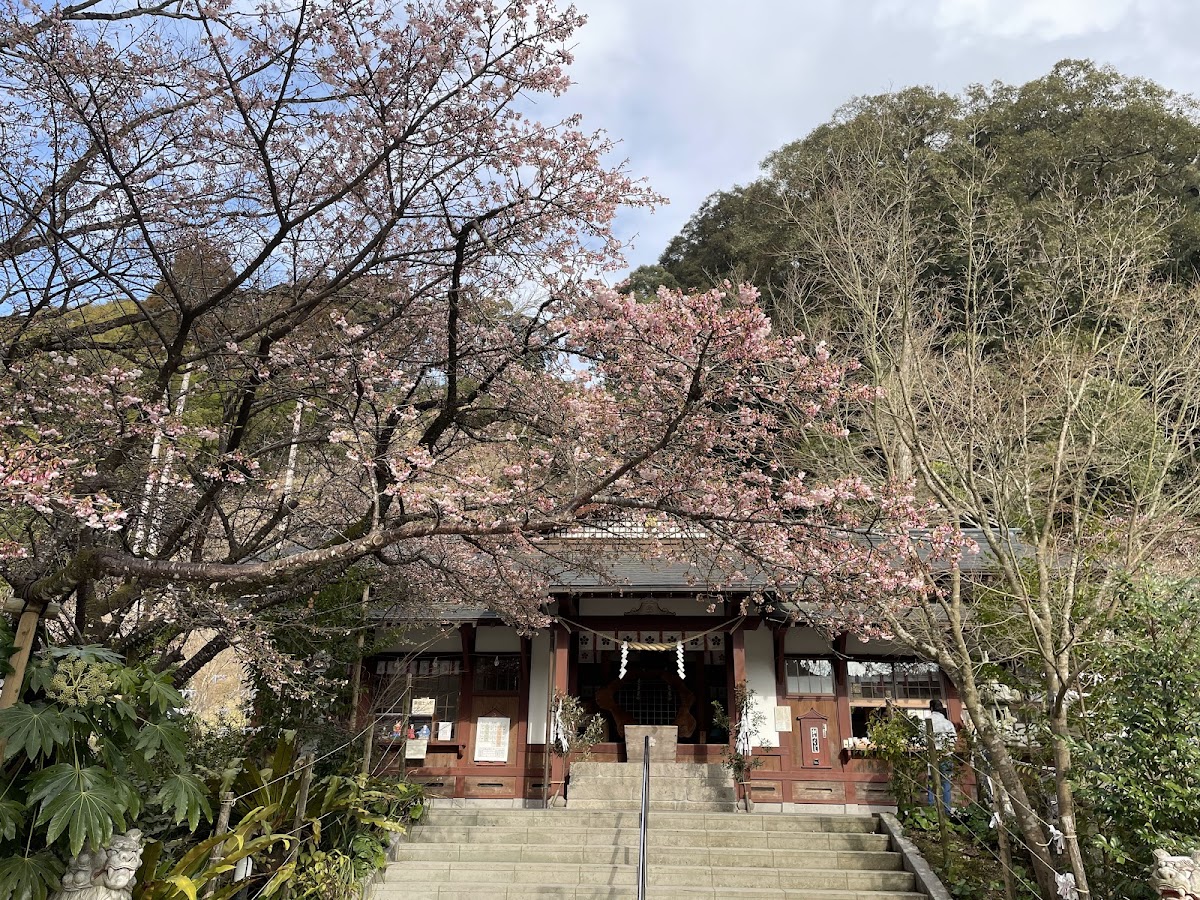
Fujikawa Tenmangu (Satsumasendai City, Kagoshima Prefecture) Complete Guide to Cherry Blossoms and Plum Blossoms | Best Viewing Times, Access, and Surrounding Attractions
Fujikawa Tenmangu (Sugawara Shrine), located in Fujikawa, Togo Town, Satsumasendai City, Kagoshima Prefecture, is a venerable shrine dedicated to Sugawara no Michizane, revered as the deity of learning. Known nationwide for the “Garyuu Plum” designated as a National Natural Monument, it attracts numerous worshippers and tourists each year as a famous plum blossom viewing spot. The grounds also feature cherry blossoms, making it a precious flower-viewing destination where visitors can enjoy both plum and cherry blossoms during spring.
This article provides detailed information about the charm of Fujikawa Tenmangu, peak viewing times, access methods, and surrounding tourist spots to know before visiting.
What is Fujikawa Tenmangu? History of Sugawara Shrine Dedicated to the Deity of Learning
Fujikawa Tenmangu, officially known as Sugawara Shrine, enshrines Sugawara no Michizane, a scholar and statesman of the Heian period. Michizane is revered as the deity of learning throughout Japan, and alongside Dazaifu Tenmangu and Kitano Tenmangu, it serves as one of the important centers of Tenman faith in the Kyushu region.
The Origin of Sugawara no Michizane and Fujikawa Tenmangu
According to tradition, Sugawara no Michizane stopped at this location when being transferred to Dazaifu. Legend has it that when Michizane visited this area, he personally planted a plum tree, and the current plum garden is said to have originated from the flourishing of this single tree. Against this historical backdrop, Fujikawa Tenmangu attracts attention not merely as a tourist spot but also as a power spot.
Cherished locally under the affectionate name “Fujikawa Tenmangu,” it bustles with students and families during exam season seeking prayers for academic success. It is a place of faith where many worshippers from within and outside the prefecture visit seeking benefits for academic achievement and exam success.
Highlights of the National Natural Monument “Garyuu Plum”
The greatest attraction of Fujikawa Tenmangu is the “Garyuu Plum,” designated as a National Natural Monument. Within the approximately 40-are (approximately 4,000 square meters) plum garden on the grounds, between 150 and 300 plum trees are planted, displaying splendid blossoms from February to March.
Characteristics and Origin of the Name “Garyuu Plum”
The name “Garyuu Plum” derives from the appearance of the plum branches spreading across the ground like a recumbent dragon. Ancient trees with ages exceeding several hundred years also exist, and their unique branching is magnificent. The plum varieties are primarily white plums, though red plums are also interspersed, creating beautiful contrasts between white and red.
The sight of the entire plum garden covered in blossoms is truly deserving of the name “plum carpet,” and it is popular as a photography spot. Especially on clear days during morning hours, the plum blossoms illuminated by morning sunlight shine brilliantly, providing optimal photography conditions.
Peak Viewing Season for Plums and Events
The plum viewing season at Fujikawa Tenmangu typically runs from mid-February to early March. While the timing may vary slightly depending on climatic conditions, late February is considered the most spectacular period. During this season, events such as “Plum Festivals” are held annually, featuring local specialty sales and folk art performances.
During peak season, the scent of plum blossoms drifts through the grounds, allowing visitors to sense the arrival of spring not only visually but also through fragrance. Walking paths have been developed within the plum garden, enabling leisurely appreciation of the plum blossoms.
Cherry Blossoms at Fujikawa Tenmangu | Another Attraction Coloring Spring
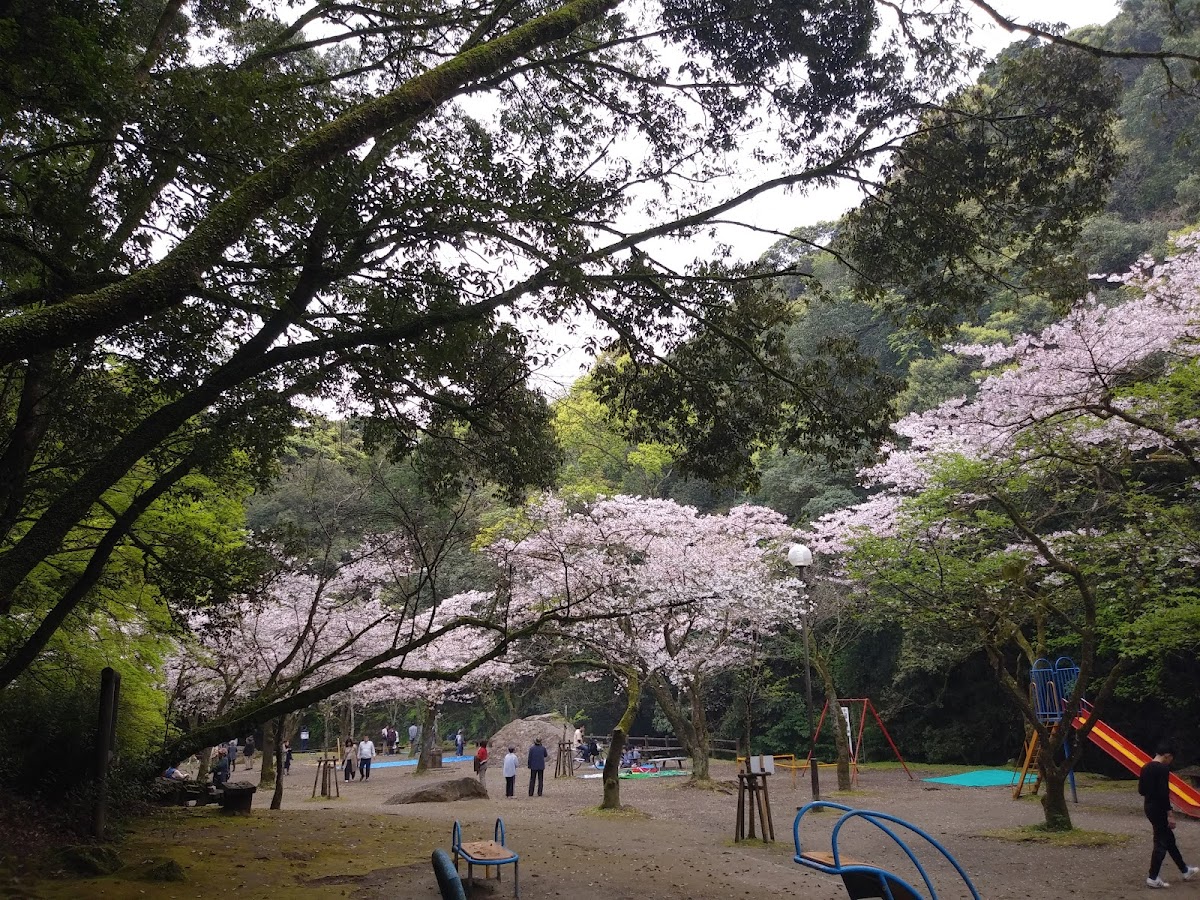
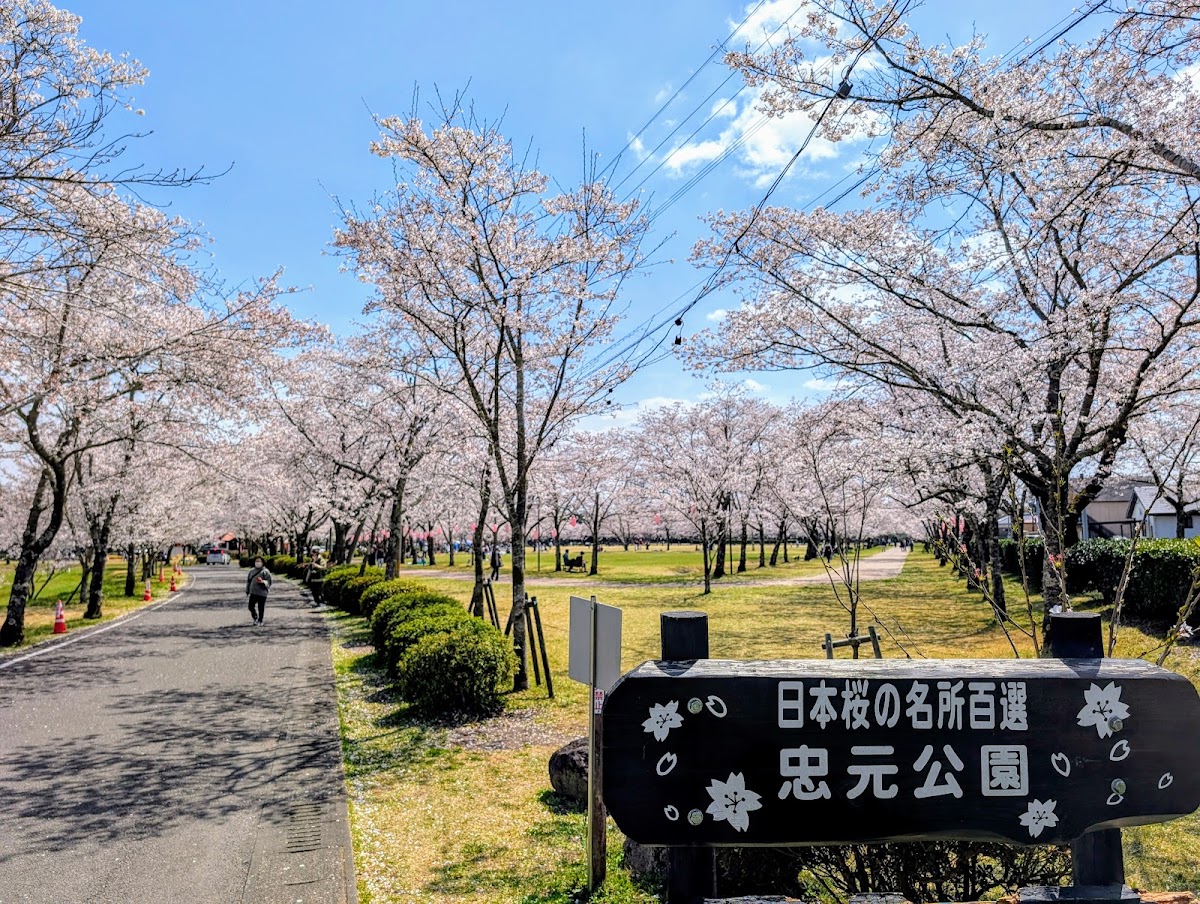
Though famous as a plum blossom viewing spot, Fujikawa Tenmangu is also known as a cherry blossom destination. Cherry trees are planted around the shrine grounds and surrounding area, blooming splendidly from late March to early April after the plum season ends.
Cherry Blossom Varieties and Peak Season
The cherry blossoms seen around Fujikawa Tenmangu are primarily Somei Yoshino. Cherry blossom opening times in Kagoshima Prefecture are relatively early nationally, typically reaching full bloom by late March. Since this timing is relatively close to the plum season, in some years one can enjoy both plum and cherry blossoms simultaneously.
Though not as numerous as plums, cherry trees are planted along the shrine’s approach and in parts of the grounds, creating an elegance different from the plums. The contrast between the shrine’s cherry blossoms and its vermillion torii gate and main hall, in particular, is appreciated by photographers as a landscape evoking Japanese traditional beauty.
The Luxury of Enjoying Both Plum and Cherry Blossoms
The charm of Fujikawa Tenmangu lies in being able to enjoy two representative spring flowers—plum and cherry blossoms—in one location. From February through April, visitors can savor different floral landscapes as the seasons change, which is why many return repeatedly.
During plum season, delicate white and red flowers; during cherry blossom season, elegant pale pink blossoms—each offers distinct charm. Various ways to enjoy the spot exist, from family flower viewing to couple strolls to photography, making it a versatile tourist destination.
Basic Information | Operating Hours, Admission, and Access
Here is compiled basic information to know when visiting Fujikawa Tenmangu.
Facility Overview
- Official Name: Sugawara Shrine (Fujikawa Tenmangu)
- Location: Fujikawa, Togo Town, Satsumasendai City, Kagoshima Prefecture
- Visiting Hours: Open 24 hours (Grounds freely accessible)
- Admission: Free
- Parking: Available (Free, approximately 50 spaces)
- Inquiries: Satsumasendai Tourism and Products Association
Transportation Access
Access by Train/Bus
- Approximately 30 minutes by taxi from JR Kyushu Main Line “Sendai Station”
- By bus from Sendai Station, take a bus heading toward “Togo” for approximately 40 minutes, then walk approximately 10 minutes from the nearest bus stop
Access by Car
- Approximately 25 minutes from “Satsumasendai Mizuhiki IC” on the Kyushu Expressway via Route 267
- Approximately 1 hour 30 minutes from Kagoshima City via Routes 3 and 267
- Approximately 40 minutes from Izumi City area via Prefectural Road 46
Using car navigation, searching for “Fujikawa Tenmangu” or “Sugawara Shrine, Satsumasendai City” is convenient. The surrounding area is characterized by paddy fields and a quiet environment with relatively easy-to-drive roads.
Parking Information
A free parking lot has been developed adjacent to the shrine grounds. Adequate spaces are normally available, but congestion may occur during peak plum viewing season or on weekends. Particularly on weekends in late February, visiting during earlier times of day is recommended.
Bronze Statue of Saigo Takamori’s Beloved Dog Tsun
Around Fujikawa Tenmangu, several tourist spots are known as locations connected to Saigo Takamori. Particularly notable among these is the “Bronze Statue of Saigo Takamori’s Beloved Dog Tsun.”
Who Was Tsun? The Story of Saigo Takamori and His Beloved Dog
Saigo Takamori is known for his love of dogs, particularly favoring Satsuma dogs. Among them, a dog named “Tsun” is recognized as one of Saigo Takamori’s most beloved dogs. In portraits and statues of Saigo Takamori, dogs are frequently depicted alongside him, and some of these are said to have Tsun as their model.
Togo Town in Satsumasendai City is an area connected to Saigo Takamori’s legacy, with historical records remaining of his stay in the area during the Satsuma Rebellion. Against this historical background, several historic sites and monuments related to Saigo Takamori are scattered throughout the region.
Location and Highlights of the Statue
The bronze statue of Saigo Takamori’s beloved dog Tsun is installed at a location relatively close to Fujikawa Tenmangu. Faithfully recreating the characteristics of the Satsuma dog, the statue is not to be missed by Saigo Takamori fans and history enthusiasts.
When visiting Fujikawa Tenmangu, combining a visit to this statue allows deeper understanding of the region’s history and culture. Informational signs are also installed in the surrounding area, allowing visitors to learn about Saigo Takamori’s connection to this region.
Fukiagehama Field Hotel
For those considering lodging in the Fujikawa Tenmangu area, the “Fukiagehama Field Hotel” is recommended.
Features of Fukiagehama Field Hotel
The Fukiagehama Field Hotel is a lodging facility near Fukiagehama, one of Japan’s three great sand dunes, where guests can spend relaxing time surrounded by nature. Located approximately 30 minutes by car from Fujikawa Tenmangu, it serves as a convenient tourism base.
The facility features hot springs and a restaurant offering cuisine prepared with local ingredients, ideal for easing tourist fatigue. Additionally, the beautiful sunsets visible from Fukiagehama can be enjoyed, with particularly pleasant beach strolls available during spring.
Information on Nearby Lodging Facilities
Besides Fukiagehama Field Hotel, various lodging options exist in Satsumasendai City. Multiple business hotels are available around Sendai Station at reasonable rates. Extending further, hot spring areas such as Kawachi Takashiro Hot Spring and Ichihino Hot Spring are accessible, offering hot spring inn accommodations.
During peak plum and cherry blossom seasons, lodging facilities become congested, so early reservations are recommended. Particularly on weekends and holidays, reservations become difficult to obtain, making planned travel arrangements important.
Surrounding Tourist Spots | Notable Locations Worth Visiting
Multiple charming tourist spots surround Fujikawa Tenmangu. Combining visits to these nearby attractions makes for a more fulfilling trip.
Nitta Shrine
Nitta Shrine, one of Satsumasendai City’s representative shrines, is located approximately 20 minutes by car from Fujikawa Tenmangu. Enshrining Ninigi no Mikoto, this venerable shrine offers views overlooking Satsumasendai City from its grounds. It becomes particularly crowded with worshippers during New Year shrine visits.
Natural Scenery Around Sendai River
The area surrounding the Sendai River, which flows through Satsumasendai City, features abundant natural landscapes. Cherry blossoms bloom along the riverbanks in spring, making the Sendai River embankment another famous cherry blossom viewing spot. Combined with flower viewing at Fujikawa Tenmangu, riverside walks can also be enjoyed.
Togo Hot Spring
In Togo Town, home to Fujikawa Tenmangu, the Togo Hot Spring exists. Day-use bathing facilities are available, and relaxing in hot springs after flower viewing is recommended. Beloved by local residents, the hot spring offers a relaxing experience.
Satsumasendai City Center Attractions
The city center around Sendai Station features shopping streets, restaurants, and cafes where local cuisine can be enjoyed. Satsumasendai City is also known as a shochu production area, and tasting local shochu is among the pleasures of visiting.
Precautions and Recommended Ways to Enjoy Fujikawa Tenmangu
Several precautions and recommended ways to enjoy Fujikawa Tenmangu fully follow.
Clothing and Belongings
The grounds feature unpaved sections, so walking shoes are recommended. Particularly after rain, the ground becomes slippery and requires caution.
Even during spring, early mornings and evenings can be cool, so bringing a light jacket is advisable. On sunny days, hats and sunscreen are also essential.
For those enjoying photography, ensure adequate camera or smartphone battery. The beautiful plum and cherry blossom scenery invites numerous photographs.
Recommended Visiting Times
For enjoying plum and cherry blossom photography, early morning hours are best. Morning’s soft light beautifully illuminates flowers, and fewer people are present, allowing leisurely appreciation.
Weekends and holidays can be crowded, so visiting on weekdays allows quieter worship and flower viewing experiences.
Etiquette and Precautions
As Fujikawa Tenmangu is a sacred place, observe worship etiquette carefully. Avoid loud voices or running within the grounds.
Breaking plum or cherry branches and picking flowers are strictly prohibited. To preserve valuable natural monuments for future generations, practice respectful appreciation.
Always take away litter, cooperating to maintain clean grounds.
Fujikawa Tenmangu Through the Seasons | Charm Beyond Plum and Cherry Blossoms
Fujikawa Tenmangu is known for its plum and cherry blossoms, but visiting during other seasons holds merit.
Fresh Green Season (May–June)
After plum and cherry blossom petals fall, the grounds become surrounded by fresh greenery. The verdant leaves of the plum trees display a refreshing beauty different from the flowering period. The quiet environment suits leisurely worship.
Summer at Fujikawa Tenmangu (July–August)
During summer, the greenery becomes dense and tree shade provides cooling relief. With cicada calls resonating through the grounds, the atmosphere captures quintessential Japanese summer spirit.
Autumn Foliage (November–December)
Autumn brings partial autumn foliage within the grounds. Less famous than plums or cherries, the quiet autumn landscape can still be appreciated.
Winter Silence (January–February)
Winter at Fujikawa Tenmangu sees few visitors and quiet prevails. Plum buds begin swelling as spring’s arrival is anticipated during this silent season.
Local Specialties and Gourmet Information
When visiting Fujikawa Tenmangu, local specialties and cuisine should be enjoyed.
Specialties of Satsumasendai City
Satsumasendai City is known as a shochu production area with multiple distilleries. Local shochu is popular as a souvenir, and some breweries offer tours and tastings.
Additionally, Satsumasendai City actively cultivates citrus fruits, with Ponkan and Dekopon particularly famous. During spring, fresh citrus appears in shops.
Local Cuisine
Around Satsumasendai City, fresh seafood and mountain produce-based dishes can be enjoyed. Fish and shellfish caught in the East China Sea are particularly exceptional, available at local eateries and izakayas.
Kagoshima specialties including Kurobuta (black pork) dishes and tori meshi are also served at city restaurants. Sample local flavors during sightseeing breaks.
For Schools and Travel Agencies | Group Visits
Fujikawa Tenmangu is suitable as a destination for school excursions, study trips, and group tours.
Educational Value
As a shrine dedicated to the deity of learning, it is ideal for student worship before exams. Witnessing the National Natural Monument Garyuu Plum provides opportunities to learn about nature conservation and cultural heritage protection importance.
History classes often cover Sugawara no Michizane and Saigo Takamori, making actual visits to related locations enable deeper understanding.
Group Reception System
Large bus visits are possible with adequate parking facilities. However, during congestion periods such as peak plum season, contacting the Satsumasendai Tourism and Products Association beforehand to secure parking and coordinate visiting times is recommended.
Nearby rest facilities and dining options exist, allowing incorporation into half-day tourism plans.
Foreign Language Sites and International Tourist Accommodation
Recently, foreign tourists have begun visiting Fujikawa Tenmangu.
Multilingual Support Status
Currently, some informational signs within the grounds feature English text, allowing basic information comprehension in foreign languages. The Satsumasendai City tourism website offers foreign language sites with information about Fujikawa Tenmangu available in English, Chinese, Korean, and other languages.
Appeal of Inbound Tourism
The simultaneous experience of traditional Japanese shrine culture and the National Natural Monument plum garden holds significant appeal for foreign tourists. Plum blossoms are particularly beloved across East Asian cultural spheres, making the site popular with tourists from China and Korea.
Pamphlets and tourism information employ abundant photography to provide information transcending language barriers.
Conclusion | Experience Seasonal Flowers and History at Fujikawa Tenmangu
Fujikawa Tenmangu (Sugawara Shrine) in Satsumasendai City, Kagoshima Prefecture, is a precious tourist destination known for the National Natural Monument “Garyuu Plum” as a plum blossom viewing spot, where cherry blossoms can also be enjoyed in spring. As a venerable shrine dedicated to the learning deity Sugawara no Michizane, it welcomes many worshippers seeking prayers for exam success and academic achievement.
From mid-February to early March during peak plum season, and from late March to early April during cherry blossom season, the grounds become adorned with beautiful flowers, captivating visitors. The surrounding area features tourist spots including the bronze statue of Saigo Takamori’s beloved dog Tsun and Nitta Shrine, allowing simultaneous enjoyment of history and nature.
Access from Sendai Station takes approximately 30 minutes by taxi or car, and though somewhat time-consuming, the quiet environment allows leisurely flower viewing and worship. Suitable for families, couples, photography enthusiasts, and history fans alike, it is a recommendable destination.
Next spring, be sure to visit Fujikawa Tenmangu to experience the beauty of plum and cherry blossoms and receive the benefits of the learning deity. With its ever-changing seasonal appearances, Fujikawa Tenmangu is a fascinating destination offering new discoveries with each visit.